
SimCity, a name synonymous with city-building simulations, has captivated players for decades. Its enduring appeal stems from its engaging gameplay, attention to detail, and the empowering feeling of shaping a thriving metropolis from the ground up. This in-depth exploration delves into the various aspects of SimCity, examining its gameplay mechanics, graphical presentation, multiplayer features, and its overall impact on the gaming landscape.
Building Your Urban Empire: Gameplay Mechanics
First released in 1988, SimCity has undergone numerous iterations, each refining and expanding upon its core gameplay loop. The fundamental principle remains consistent across versions: players assume the role of mayor, tasked with designing, constructing, and managing a city within a designated area, typically modeled after a region of the United States. Success hinges on balancing the needs of a growing population with the constraints of a limited budget and the challenges of urban development.
The initial stages involve selecting a location and laying the groundwork for your city. This entails strategic placement of residential zones, industrial areas, and commercial districts. Careful consideration must be given to the proximity of these zones to ensure efficient resource allocation and minimize potential conflicts, such as pollution from industrial areas impacting nearby residential neighborhoods. Providing essential infrastructure, including power grids, water systems, and road networks, is crucial for maintaining a healthy and productive population.
As your city expands, its needs evolve. Initially, the focus is on providing basic necessities like housing, jobs, and utilities. However, as the population increases and prosperity grows, demands for more sophisticated services emerge, including healthcare facilities, educational institutions, recreational parks, and robust law enforcement to combat crime. Managing these diverse needs requires shrewd financial planning and a keen understanding of urban dynamics. Players must carefully allocate funds to various projects, balancing immediate concerns with long-term strategic goals.

SimCity doesn’t shy away from the complexities of urban challenges. Players must grapple with problems such as pollution, traffic congestion, water shortages, and blight—all factors that can negatively impact the city’s growth and the well-being of its citizens. Efficient waste management and the implementation of environmentally friendly policies are essential for sustainable development. The game’s intricate systems simulate the ripple effect of decisions, highlighting how seemingly minor choices can have far-reaching consequences. For example, neglecting to address pollution levels can lead to health problems among residents, decreased property values, and even widespread protests.
The Visual and Auditory Landscape: Graphics and Sound
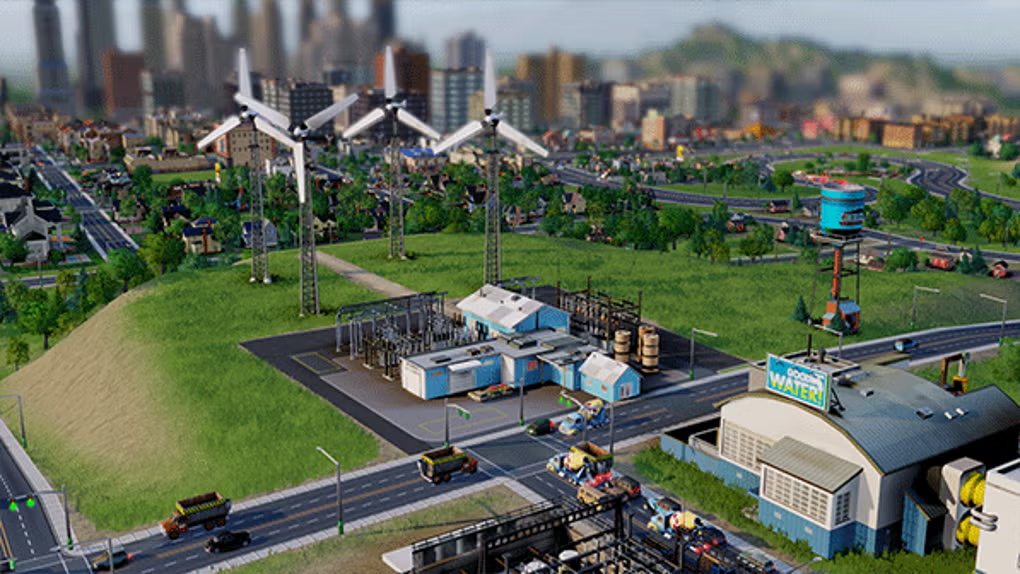
SimCity’s visual presentation has always been a significant strength. Across different iterations, the game has showcased detailed and visually appealing environments. The ability to zoom in and out, observing the bustling activity of citizens going about their daily lives, adds a sense of realism and immersion. The level of detail extends to the individual buildings and infrastructure, adding depth to the city’s appearance and conveying a sense of life and vitality. Moreover, the game employs various filters and effects to enhance the visual experience, allowing players to customize the aesthetic feel of their creations.
The sound design in SimCity equally contributes to the game’s immersive quality. Ambient soundscapes create a believable backdrop to the city’s hustle and bustle, while an engaging background score enhances the overall mood and intensity of gameplay. The sounds of traffic, construction, and citizen activity combine to generate a dynamic and ever-evolving auditory environment.
Collaboration and Competition: The Multiplayer Experience
SimCity’s multiplayer mode introduces a layer of social interaction to the city-building experience. While not directly competitive in the sense of military conflict, it encourages collaboration and cooperation among players. The game fosters a sense of community, allowing players to work together on joint investment projects that benefit multiple cities. This shared experience promotes teamwork and strategic alliances, emphasizing the interconnectedness of urban development.
The implementation of a chat mechanism within the game’s framework facilitates communication between players, enabling them to discuss strategies, share resources, and coordinate their efforts. This interactive element enhances the social aspect of the game, creating a more engaging and dynamic environment than traditional single-player modes. However, it’s worth noting that a stable internet connection is necessary to fully enjoy the multiplayer experience. For those without a consistent internet connection, the game does allow players to create private regions, essentially transforming the multiplayer mode into a single-player experience.
Balancing Act: The Strengths and Weaknesses of SimCity
SimCity’s enduring appeal lies in its attention to detail, dynamic gameplay, and excellent graphics. The game offers a level of depth and complexity rarely seen in other city-building simulations. Players aren’t simply placing buildings; they are actively shaping a living, breathing metropolis with intricate systems and interactions. However, the game isn’t without its limitations.
One common criticism is that the single-player mode can become repetitive after extended periods of play. The inherent constraints of a fixed region, however large, can lead to a sense of confinement. The challenge lies in finding the right balance between creating a large, bustling city and ensuring its sustainable growth within the pre-defined parameters. The game also requires a significant time investment, particularly for players aiming to construct extensive and complex cities. This time commitment can become a barrier to entry for those with limited time available for gaming. Despite these drawbacks, the depth and complexity of SimCity remain highly engaging and rewarding for players willing to fully immerse themselves in the challenges and rewards of urban development.

Comparing SimCity to its Contemporaries
SimCity stands out from other city-building games on the market by its blend of realism and accessibility. While other games, such as Cities: Skylines, might offer greater levels of customization and granular control, SimCity provides a more intuitive and user-friendly experience, making it accessible to both veteran players and newcomers. It prioritizes a user-friendly interface and streamlined mechanics, reducing the learning curve and allowing players to focus on the core aspects of city building. The emphasis on collaboration in multiplayer mode also sets it apart from some competitors which primarily focus on competitive elements.
SimCity’s Legacy and Lasting Influence
SimCity’s impact on the gaming industry transcends its own success. Its influence can be seen in countless other city-building simulations that have followed in its wake. It established many of the core conventions and mechanics that define the genre, including zoning, resource management, and the simulation of urban complexities. The game’s focus on long-term strategic planning and the consequences of player decisions has become a hallmark of city-building simulations, encouraging players to think critically about the impact of their choices on the development and well-being of their digital cities.
Conclusion: A Timeless City-Building Classic
SimCity remains a compelling and enduring city-building simulation, offering a rich and rewarding experience for players of all skill levels. While it may have its shortcomings, its strengths—attention to detail, dynamic gameplay, and a captivating blend of realism and accessibility—have solidified its place as a classic within the gaming world. Its influence on the genre and its ability to engage players for hours on end are a testament to the success of its design and the enduring appeal of building and managing a thriving digital metropolis.
File Information
- License: “Full”
- Latest update: “July 15, 2022”
- Platform: “Windows”
- OS: “Windows 7”
- Language: “English”
- Downloads: “147.7K”


