
SimCity 4 stands as a monumental achievement in the realm of city-building simulation games, marking a significant evolution in Will Wright’s celebrated franchise. Launched in 2003, it became the first installment in the series to fully embrace a 3D engine, fundamentally transforming the visual experience while meticulously retaining the addictive depth and strategic complexity that captivated fans of its predecessors. More than just a graphical overhaul, SimCity 4 pushed the boundaries of simulation, focusing relentlessly on realism and the intricate web of interdependencies that define a living, breathing metropolis. While newer titles have emerged, SimCity 4 remains a beloved classic, remembered for its profound detail, challenging gameplay, and the unparalleled freedom it offered players to sculpt their urban dreams.
At its core, SimCity 4 tasks players with the ambitious goal of transforming vast, empty tracts of land into thriving cities. This involves an elaborate process of zoning land for residential, commercial, and industrial use, constructing vital infrastructure like roads, railways, power lines, and water pipes, and establishing essential services such as police stations, fire departments, hospitals, and schools. However, the game transcends mere construction; it is a complex economic, environmental, and social simulation where every decision, every budget allocation, and every policy enacted ripples through the entire urban fabric. From managing the delicate balance between tax revenue and public services to responding to natural disasters and the fluctuating demands of your citizens, SimCity 4 immerses players in the multifaceted challenges of urban planning and governance. Its enduring appeal lies not just in its comprehensive toolkit but in the emergent narratives that unfold as players witness their cities grow, adapt, and face unforeseen crises, making it an experience that is as much about storytelling as it is about strategic management.
The Evolution of Urban Simulation: A Deep Dive into SimCity 4’s Mechanics
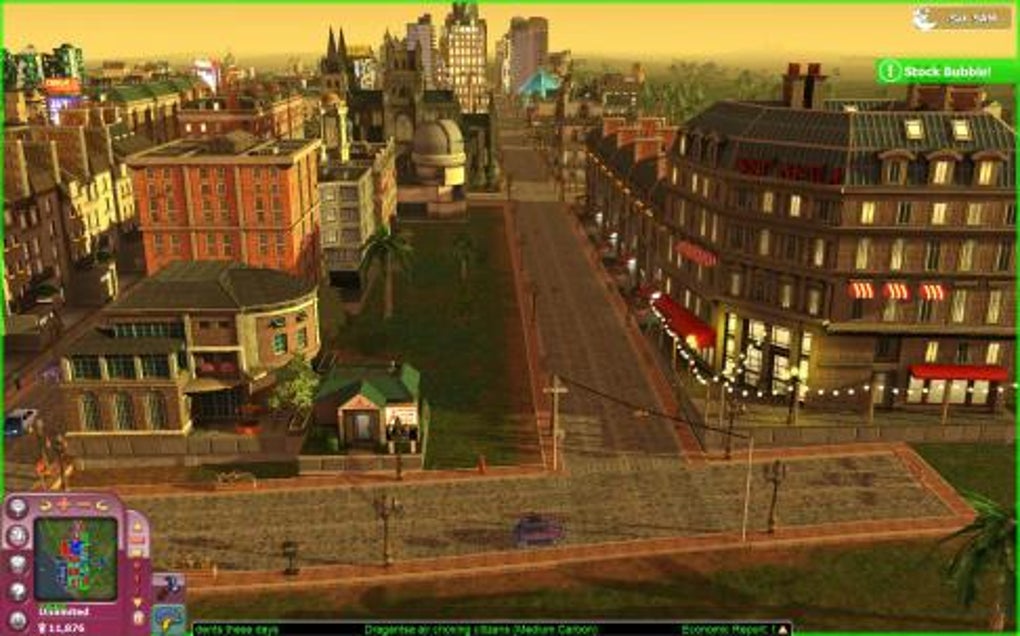
SimCity 4 represented a colossal leap forward for the series, moving beyond the isometric 2D graphics of previous titles into a fully rendered 3D environment. This transition wasn’t merely cosmetic; it profoundly impacted gameplay, allowing for unprecedented levels of detail and interactivity. The game’s engine was designed to simulate not just the visual aspect of a city but also the complex, organic processes that drive its growth and decline. This pursuit of realism became the cornerstone of SimCity 4’s design philosophy, offering players a more immersive and challenging experience than ever before.
The Dawn of 3D City Building
The shift to a 3D engine in SimCity 4 was a game-changer, literally. For the first time, players could zoom in on specific areas and neighborhoods within their city, observing buildings and individual “R_C_I” (Residential, Commercial, Industrial) units in remarkable detail. This allowed for a much deeper appreciation of the urban landscape they were crafting. From the bustling streets of a high-density commercial district to the quaint suburban homes nestled amongst parks, the visual fidelity brought a new layer of immersion. This detail wasn’t just aesthetic; it provided crucial feedback. Players could see traffic congestion, observe the spread of pollution, or witness the decay of neglected areas, all of which informed their subsequent planning decisions. The ability to manipulate the camera angle also offered new strategic perspectives, making it easier to identify areas ripe for development or those in dire need of intervention. This 3D environment laid the groundwork for a more intuitive understanding of how the various components of a city interacted visually, enhancing both the strategic depth and the player’s connection to their creation.
Interconnected Systems and Realism
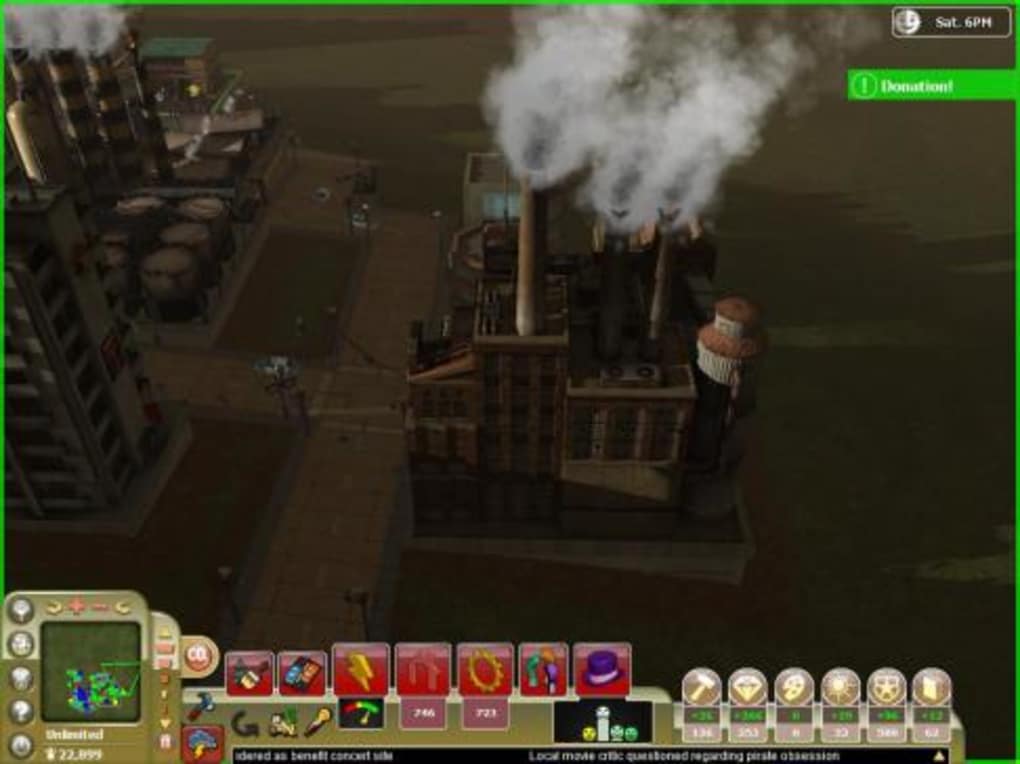
One of SimCity 4’s most celebrated features is its intricate system of interconnected elements, which directly translates into an unparalleled sense of realism. Unlike simpler city-builders, what a player chooses to build in a specific area of their city has a direct and often profound impact on the development of that given area, as well as on surrounding regions. For instance, placing a polluting industrial zone next to a residential area will lead to declining land values, decreased health, and ultimately, an exodus of residents. Conversely, investing in education and public transport can attract high-tech industries and affluent residents, spurring economic growth.
This intricate web extends to every facet of the simulation:
- Economics: Supply and demand for labor, goods, and services are dynamically simulated. Zoning an area for residential or commercial use without adequate industrial zones to provide jobs or goods will lead to unemployment or a lack of consumer products, stifling growth. Tax policies directly influence the desirability of a city for various wealth classes and businesses.
- Infrastructure: Roads, railways, and highways aren’t just decorative; they determine traffic flow, commute times, and accessibility, which are crucial for attracting and retaining both residents and businesses. Power and water networks must be carefully planned and maintained to prevent blackouts and droughts.
- Public Services: The effectiveness of police, fire, health, and education services is directly tied to funding and placement. An underfunded hospital will result in poorer health outcomes, while insufficient police coverage can lead to rising crime rates. These factors, in turn, affect citizen happiness and growth.
- Regional Play: A significant innovation in SimCity 4 was the introduction of the regional map, allowing players to develop multiple interconnected cities within a larger region. This fostered a dynamic economy where cities could specialize (e.g., one city focusing on industry, another on residential growth, and a third on commercial hubs) and trade resources like power, water, and even waste disposal. This regional interdependence added another layer of strategic complexity, encouraging players to think about urban planning on a macro scale.
This level of detail means that players are constantly making trade-offs and managing consequences. There’s no single “right” way to build a city; instead, success hinges on understanding these interdependencies and adapting strategies to achieve specific urban visions, whether that’s a sprawling industrial powerhouse or a pristine eco-city.
User Interaction and Management
SimCity 4 significantly increased user interaction in the process of construction and maintenance of all sorts of buildings and services. Players weren’t just dropping down pre-made structures; they were actively managing an entire municipal ecosystem. This heightened level of engagement stemmed from several key areas:
- Detailed Budget Management: Players had granular control over the city’s budget, allocating funds to various departments (education, health, safety, transportation, utilities). Decisions here had immediate and visible consequences. Cutting police funding too much would lead to rising crime; underfunding schools would result in a less educated populace, impacting the quality of industries attracted to the city.
- Ordinances and Policies: Beyond basic zoning and service placement, players could enact various city ordinances, ranging from tax incentives for specific industries to environmental regulations, smoking bans, or even legalizing gambling. These policies provided another layer of governmental control and influence over citizen behavior and city development.
- Terraforming and Landscaping: The game offered extensive tools for terraforming the landscape, allowing players to sculpt mountains, carve valleys, create rivers, and flatten land. This initial geological shaping was crucial for planning and could be continuously adjusted, adding another creative outlet for players.
- Responding to Demands: The “RCI Demand Indicator” was a critical tool, providing real-time feedback on what types of development (residential, commercial, industrial) were most needed by the city’s population. Ignoring these demands would lead to stagnation or decline, requiring players to constantly monitor and respond.
- Disasters: SimCity 4 featured a range of challenging disasters, from earthquakes and meteor strikes to alien invasions and even a “Llama Attack.” These unpredictable events forced players to react quickly, manage emergency services, and rebuild, testing their crisis management skills. The player could also trigger these disasters themselves for chaotic fun or to test their city’s resilience.
This comprehensive suite of interactive tools and management responsibilities ensured that players were not passive observers but active participants in every aspect of their city’s life, from its foundational layout to its day-to-day operations and long-term sustainability.
Dynamic Weather and Its Impact
Last but not least, SimCity 4 introduced dynamic weather changes that affected the population’s behavior, resulting in more challenging games. This feature added another layer of realism and unpredictability to the simulation. While not as dramatic as natural disasters, weather patterns subtly influenced the city’s operations and citizen mood:
- Rain: Increased water runoff could impact pollution levels if not properly managed, and heavy rain might contribute to minor traffic slowdowns or the risk of flooding in low-lying areas if drainage was insufficient.
- Snow: Snowfall brought visual charm but also practical challenges. Roads could become less efficient, increasing commute times, and power consumption might rise due to heating demands, putting a strain on utility networks. Public works departments might need more funding to clear roads effectively.
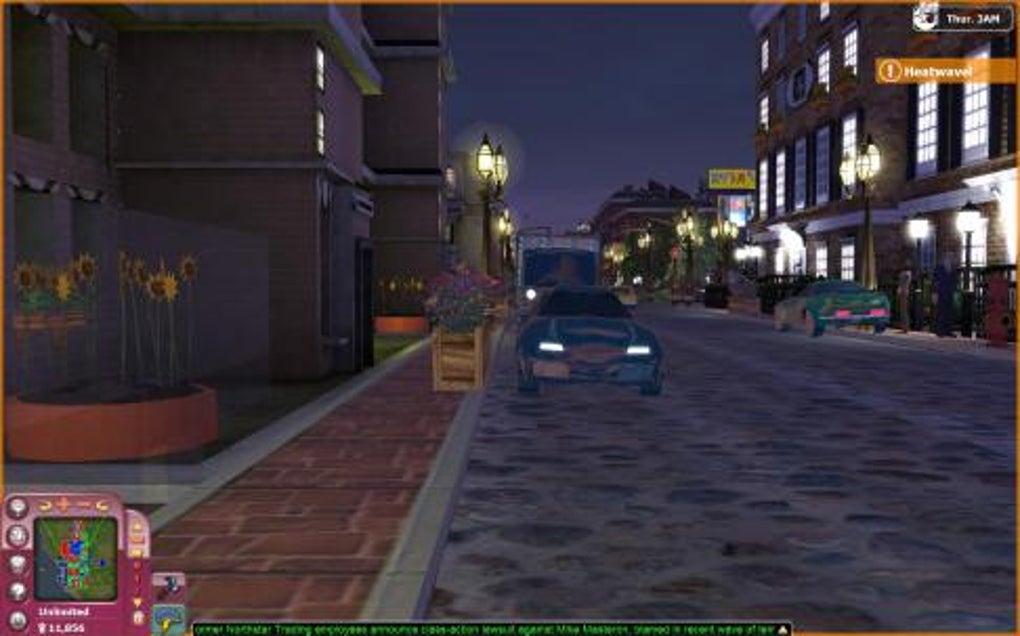
- Heatwaves: Extended periods of high temperatures could increase demand for electricity (for air conditioning) and water, potentially straining power plants and water pumps. This might also lead to increased instances of heat-related illnesses if healthcare services were stretched.
- Fog: Reduced visibility could add atmospheric tension and subtly affect traffic flow and emergency response times.
These weather effects, while perhaps less direct in their impact than major disasters, contributed to the game’s overall dynamic challenge. Players had to build cities resilient enough to handle varying environmental conditions, forcing them to think about infrastructure capacity and service allocation beyond ideal scenarios. This added a layer of strategic depth, making the simulation feel more alive and less predictable, ensuring that no two game sessions would unfold in exactly the same way.
Strengths and Innovations: Why SimCity 4 Endures
SimCity 4, by integrating all the best elements of strategy and simulation games, created one of the most popular and enduring city simulation sagas. Its strengths lie not just in its individual features but in how they coalesce to form a rich, immersive, and highly replayable experience. Even years after its release, these innovations continue to define its legacy.
Enhanced Graphics and Detail
One of the most immediate and striking advantages of SimCity 4 was its dramatically more realistic game graphics. The transition to a full 3D engine allowed for unprecedented visual fidelity for its time. Buildings were rendered with intricate details, showcasing distinct architectural styles for different wealth levels and zones. From the grimy smokestacks of industrial zones to the gleaming glass towers of high-tech commercial districts, every structure felt unique and alive. The environmental textures for terrain, water, and flora were also significantly improved, creating a more believable and aesthetically pleasing canvas for urban development.
Furthermore, the level of detail extended beyond static objects. Animated elements like moving cars, trains, and even pedestrians (or “Sims,” as they are known in the game) brought the city to life. Players could observe traffic patterns, the flow of goods, and the hustle and bustle of urban existence at street level, reinforcing the sense that they were indeed managing a dynamic metropolis. This visual richness provided crucial feedback, allowing players to quickly identify issues like congestion, pollution, or areas of high demand without constantly consulting data overlays. The enhanced graphics weren’t just about looking good; they were integral to the immersion and the player’s ability to effectively manage their burgeoning city.
Varied Gameplay with Lots of New Challenges
SimCity 4 offered an incredibly varied gameplay experience, packed with numerous new challenges that kept players engaged for hundreds, if not thousands, of hours. Beyond the core loop of zoning and developing, the game presented a multifaceted array of strategic considerations:
- Regional Interdependencies: As mentioned, the regional play system was a major innovation. Managing multiple cities within a single region, specializing them, and creating trade agreements for resources like power, water, and waste introduced a grand strategic layer previously unseen. This encouraged players to think about urban planning on a scale larger than a single city tile.
- Mayoral vs. God Mode: The game offered two distinct modes of interaction. “God Mode” allowed players to terraform the land, create forests, and even trigger natural disasters. “Mayor Mode” was where the bulk of the city-building and management took place, focusing on zoning, infrastructure, and services. The seamless transition between these modes gave players ultimate control over their environment.
- Citizen Feedback and Demands: The simulated citizens were not passive entities. They expressed their needs, concerns, and happiness through various data views, newspapers, and advisors. Understanding and responding to these demands, whether for more police, cleaner air, or better schools, was a constant challenge that shaped city development.
- Economic Cycles: The game simulated economic booms and busts, requiring players to adapt their financial strategies, adjust taxes, and manage budgets through periods of prosperity and recession.
- Disasters and Crisis Management: The inclusion of various disasters, both natural and fantastical, added an unpredictable element that tested a player’s ability to respond to emergencies, rebuild, and maintain civic order under pressure.
These diverse challenges, combined with the sheer number of variables to manage, ensured that every playthrough offered a fresh experience. Players could pursue different city types, experiment with various economic models, or simply enjoy the creative freedom of building their ideal urban landscape.
Importing Characters from The Sims
One of the most unique and charming features of SimCity 4 was its direct integration with another hugely popular Maxis franchise: The Sims. This innovative cross-game functionality allowed players to import their created Sims characters directly into their SimCity 4 cities.
While the imported Sims didn’t have detailed individual lives within SimCity 4 (that was for their own game), their presence added a wonderfully personal touch to the simulation:
- Personal Connection: For players who enjoyed both franchises, seeing their beloved Sim characters commuting to work, walking through parks, or living in the houses they had built provided a strong emotional connection to their SimCity creation. It transformed the abstract concept of “citizens” into familiar faces.
- Observational Insights: Players could occasionally spot their imported Sims on the streets, adding a humorous and relatable element to the otherwise complex city data. It reinforced the idea that the city was a home for individuals, not just a collection of buildings.
- Narrative Richness: This feature implicitly linked the personal stories of Sims with the grand narrative of urban development, suggesting that the city’s success directly impacted the lives of these digital denizens. It was a subtle yet powerful way to enhance the narrative richness of the game.
This integration was a pioneering effort in cross-franchise gameplay and remains a fondly remembered aspect of SimCity 4, showcasing Maxis’s creativity in linking their popular simulation titles.
Challenges and Considerations: An Honest Appraisal
While SimCity 4 is lauded for its depth and realism, it is not without its drawbacks, particularly when viewed through the lens of modern gaming conventions and the passage of time. These considerations are important for newcomers and veterans alike, highlighting areas where the game might present difficulties or feel somewhat dated.
Somewhat Outdated
One of the most significant drawbacks of SimCity 4 is that it is, inevitably, somewhat outdated. Released in 2003, nearly two decades ago, the game’s technology and user interface reflect the design philosophies of its era.
- Graphical Fidelity (Relative): While its 3D graphics were revolutionary at the time, they naturally don’t stand up to the photorealistic standards of modern city-builders like Cities: Skylines. Textures can appear lower resolution, models less detailed, and lighting less dynamic by today’s expectations. This is purely a matter of technological advancement and does not detract from the game’s core design, but it can be a visual hurdle for players accustomed to contemporary titles.
- User Interface (UI) and User Experience (UX): The UI, while functional, can feel clunky or less intuitive compared to modern games that benefit from years of UI/UX refinement. Menus might require more clicks, information might be presented in less streamlined ways, and keyboard shortcuts might not be as comprehensive or customizable. Navigating dense cities with older camera controls can also be a point of friction.
- Performance and Compatibility: Running an older game on modern operating systems can sometimes present challenges. While community patches and compatibility modes often help, issues with resolution scaling, graphical glitches, or crashes can occasionally occur, especially without community-sourced fixes. The game was designed for single-core processors and older graphics cards, meaning modern powerful hardware doesn’t necessarily translate to flawless performance without optimization adjustments.
- Limited Modding Integration (Official): While SimCity 4 boasts an incredibly vibrant and prolific modding community that has extended the game’s life indefinitely, the official game itself did not offer the same level of integrated mod support or workshop functionality that modern games often do. Installing mods typically requires manual file placement, which can be less user-friendly for some players.
These points are not criticisms of SimCity 4’s quality at the time of its release but rather an acknowledgment of how software and hardware evolve. For players willing to overlook or adapt to these older conventions, the depth of gameplay more than compensates.
Not Easy for SimCity Newcomers
Another frequently cited challenge with SimCity 4 is its steep learning curve, making it not easy for SimCity newcomers. Unlike many contemporary simulation games that offer extensive tutorials and guided progression, SimCity 4 drops players into a complex simulation with minimal hand-holding.
- Complexity of Interdependencies: The game’s strength in realism and interconnected systems is also its biggest barrier to entry. New players can quickly become overwhelmed by the sheer number of variables to manage. Unseen forces like land value, pollution, crime rates, education levels, and infrastructure capacity are constantly at play, and understanding how they interact and influence each other requires significant trial and error.
- Lack of Clear Objectives (Initially): SimCity 4 is largely a sandbox game. While there are some tutorial missions and advisors, there isn’t a linear campaign or clear set of objectives to guide new players. This freedom, while liberating for experienced players, can be disorienting for those looking for structured goals. Players must set their own objectives, which can be daunting.
- Budget Management: The city’s budget is a constant balancing act. New players often struggle with setting appropriate tax rates, funding services adequately without going bankrupt, and understanding the long-term financial implications of their decisions. A single poorly placed power plant or an overfunded department can quickly drain city coffers.
- Traffic Management: Designing an efficient transportation network is notoriously difficult in SimCity 4. Traffic congestion is a common early-game killer, and understanding how different road types, public transport, and city layout affect flow requires a deep understanding of the game’s mechanics.
- Unforgiving Nature: Mistakes in SimCity 4 can snowball quickly. A neglected residential zone can spiral into abandonment, leading to lost tax revenue, which in turn affects other services, creating a vicious cycle of decline. The game doesn’t always forgive early missteps, requiring players to restart or laboriously correct issues.
While PhanMemFree (formerly Softonic) and other platforms provide resources, the initial experience for a newcomer can be challenging. However, those who persevere through the initial learning phase are often rewarded with one of the most deep and satisfying city-building experiences available. The “aha!” moments of understanding its mechanics are highly gratifying, solidifying its reputation as a rewarding, albeit demanding, simulator.
The Enduring Legacy and Alternatives
Despite its age and initial learning curve, SimCity 4 has cemented its place as a cornerstone of the simulation genre. Its influence can be seen in countless subsequent titles, and it continues to be played and celebrated by a dedicated community. Understanding its legacy also involves acknowledging the games that came before and after it, some of which offer compelling alternative experiences.
A Pillar of the Simulation Genre
SimCity 4’s impact on the simulation genre is undeniable. It refined and expanded upon the core concepts established by earlier SimCity titles, pushing the boundaries of what a city-builder could achieve in terms of depth, realism, and interconnectedness. Its complex economic model, intricate regional play, and detailed simulation of infrastructure and services set a high bar for future developers. The game demonstrated that a city wasn’t just a collection of buildings but a dynamic, organic entity, shaped by countless individual decisions and systemic forces.
Its comprehensive nature and sandbox approach fostered immense creativity, allowing players to build everything from sprawling megalopolises to specialized towns with unique characteristics. The robust modding community that blossomed around SimCity 4 further extended its lifespan and capabilities, adding new buildings, transportation options, and even gameplay mechanics that kept the game fresh for years. This enduring appeal underscores its quality as a meticulously crafted simulation that continues to offer unparalleled strategic depth and replayability. SimCity 4 is not just a game; it’s a profound sandbox for urban experimentation and a testament to the intricate beauty of systemic design.
Modern Successors and Contemporaries
While SimCity 4 remains a classic, the simulation genre has continued to evolve, producing several noteworthy successors and contemporaries that offer different takes on the city-building experience.
- SimCity (2013): The next main installment, simply titled “SimCity,” attempted to modernize the franchise with a new engine and online features. However, it was met with mixed reviews due to its small city sizes, always-online requirement, and various launch issues. Despite these criticisms, it did introduce some interesting visual styles and ideas about specialization. Its “Cities of Tomorrow” expansion (2.9/5 stars rating on PhanMemFree, formerly Softonic) aimed to address some issues and introduce futuristic elements.
- Cities: Skylines: This game is often hailed as the spiritual successor to SimCity 4 and the premier modern city-builder. With an impressive 3.7/5 stars rating (and 3.9/5 for the Windows 10 Edition on PhanMemFree), Cities: Skylines offers vast buildable areas, incredibly detailed traffic simulation, and deep management mechanics. It has captivated a new generation of city-building fans and features robust modding support, making it a powerful alternative for those seeking a contemporary experience with the depth of SimCity 4. Its focus on managing complex traffic flow and public transportation systems is particularly lauded.
- Sim City 2000: For those with a penchant for retro gaming, Sim City 2000 (3.3/5 stars on PhanMemFree) remains a free and classic choice. While graphically much simpler, it laid much of the groundwork for SimCity 4’s mechanics and offers a nostalgic look at the origins of the series’ depth.
- Other Alternatives: Games like Megapolis (3.6/5 stars) and Cities XL (3.4/5 stars trial version) also offer city-building experiences, though they vary in their complexity and focus. SimCity Societies (3.3/5 stars trial version) presented a more stylized, less “realistic” approach to city building, focusing on cultural and social engineering rather than pure simulation. These diverse titles showcase the breadth of interpretation within the city-building genre.
Each of these games offers a unique flavor of urban planning and management, catering to different preferences for realism, complexity, and graphical style. However, many veteran players still point to SimCity 4 as the gold standard for a deep, satisfying simulation experience.
Why SimCity 4 Remains Relevant
Despite the emergence of newer, graphically superior titles, SimCity 4’s relevance has not waned. It continues to be cherished by a strong community for several compelling reasons:
- Unmatched Depth and Complexity: Few games can match SimCity 4’s intricate web of economic, social, and environmental simulations. The sheer number of variables and the profound interdependencies mean that decisions have genuine, far-reaching consequences, offering a highly strategic and intellectually engaging experience.
- Regional Play: The regional mechanic, allowing players to build multiple interconnected cities with specialized functions, remains a standout feature. This added a layer of strategic planning that has not been fully replicated in subsequent titles, encouraging long-term, large-scale urban development.
- Community Content (Mods): The thriving modding community has arguably been the single biggest factor in SimCity 4’s longevity. User-created content, including new buildings, transportation options, and gameplay tweaks, has kept the game fresh and expanded its capabilities far beyond its original scope. Websites like the STEX (SimTropolis Exchange) continue to host vast libraries of custom content.
- Enduring Appeal of its Aesthetic: While outdated by modern standards, SimCity 4’s aesthetic has a certain charm. Its detailed isometric-like 3D view and specific art style evoke a nostalgic sense of urban planning that many players still appreciate.
- Accessibility through Deluxe Edition: The “SimCity 4 Deluxe Edition” (4.5/5 stars rating on PhanMemFree, formerly Softonic) bundles the base game with its “Rush Hour” expansion, which added significantly to transportation options and gameplay depth, offering the complete SimCity 4 experience in one package and solidifying its place as a comprehensive simulator. This comprehensive package often proves to be a powerful draw for those seeking the quintessential SimCity 4 experience.
In conclusion, SimCity 4 is more than just a video game; it’s a cultural touchstone in the world of simulation. Its deep mechanics, commitment to realism, and the freedom it affords players to craft their urban dreams have ensured its enduring legacy. While it may demand patience and a willingness to overcome an initial learning curve and some outdated elements, the rewards of building a truly functional, beautiful, and thriving metropolis in SimCity 4 are immense. For fans of strategic depth and intricate simulation, SimCity 4 remains a quintessential experience, a testament to the artistry of urban planning in a digital realm.
File Information
- License: “Full”
- Latest update: “July 25, 2011”
- Platform: “Windows”
- OS: “Windows 8”
- Language: “English”
- Downloads: “40.7K”


