
The quest for a seamless digital assistant experience extends beyond the Apple ecosystem. While Siri is intrinsically linked to Apple devices, the desire for similar functionality on Android platforms has fueled the search for alternative applications and sparked discussions surrounding the possibility of a true “Siri for Android.” This exploration delves into the current landscape of Android-based digital assistants, examining existing Siri-like alternatives, evaluating their strengths and weaknesses, and considering the technical hurdles that prevent a direct port of Siri to Android.
The Allure of Siri: Functionality and Features
Siri, Apple’s intelligent virtual assistant, has become synonymous with ease of use and efficiency for iPhone and iPad users. Its core functionality revolves around voice-activated commands, allowing users to perform a wide array of tasks without manual input. This includes initiating phone calls and text messages, setting reminders and alarms, scheduling appointments, playing music and podcasts, conducting web searches, and controlling smart home devices. The convenience afforded by Siri’s hands-free operation is particularly appealing in situations where using a device directly is impractical or impossible, such as while driving or when hands are otherwise occupied.
Beyond its practical applications, Siri’s appeal also stems from its surprisingly human-like conversational ability. While not perfect, Siri’s responses often go beyond simple factual answers, incorporating a level of contextual understanding and personality that makes interactions feel less robotic. Users can engage in casual conversations, ask trivial questions, or even attempt playful banter, adding a unique dimension to the user experience. This conversational ability contributes to Siri’s overall engaging nature and encourages greater user interaction.
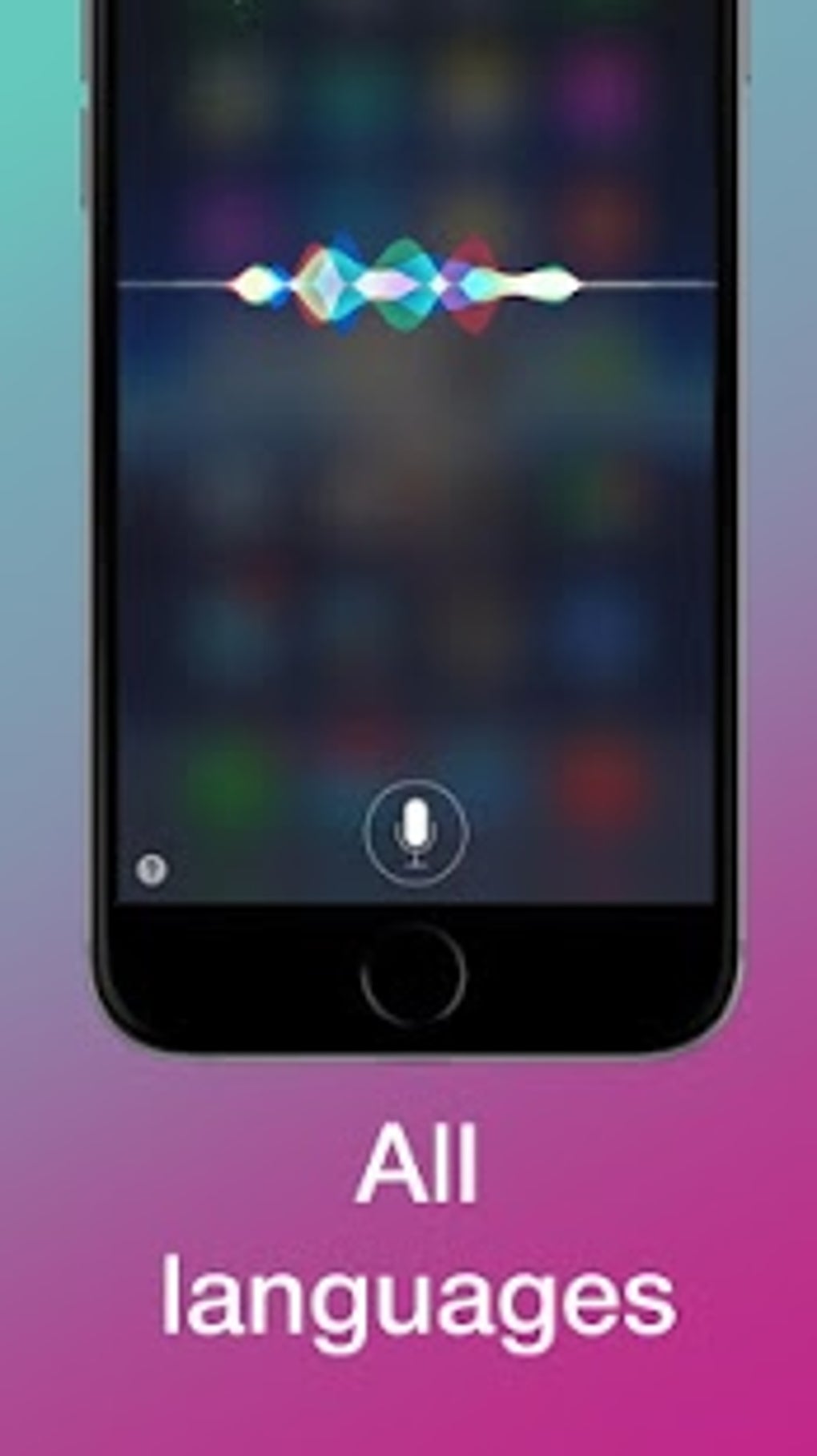
Exploring Siri-like Alternatives for Android
The Android market offers a plethora of digital assistant applications, each vying for a position as the dominant player in the mobile AI landscape. While none offer a perfect replication of Siri’s functionality and user experience, several stand out as strong contenders, each with its own set of advantages and disadvantages:
-
Google Assistant: Undoubtedly the most prominent contender, Google Assistant boasts extensive integration with the Android operating system and a broad range of Google services. Its strength lies in its deep integration, allowing for seamless control over various aspects of the Android experience. Moreover, Google Assistant excels in complex queries and conversational flow, often maintaining context and engaging in more natural dialogues than other assistants. Its comprehensive support for third-party services also provides a level of versatility surpassing that of Siri. However, its reliance on Google’s ecosystem might be a limitation for users preferring more privacy or alternative services.
-
Alexa: While primarily known for its presence on Amazon’s Echo devices, Alexa also boasts a robust mobile app. Similar to Google Assistant, Alexa’s strengths lie in its breadth of features and support for smart home integration. It offers a user-friendly interface and a solid command recognition system. However, its deeper integration with Amazon’s services may be a drawback for users not invested in the Amazon ecosystem.
-
Other Notable Assistants: Several other digital assistants cater to specific niches or user preferences. Bixby, Samsung’s in-house assistant, is deeply integrated into its devices but lacks the widespread adoption and functionality of Google Assistant or Alexa. Other AI assistants such as Gemini and ChatGPT offer powerful conversational abilities and generative text capabilities but are not as tightly integrated into the day-to-day functionality of a mobile operating system.
Technical Challenges: Why a Direct Siri Port is Unlikely
Despite the demand, a direct port of Siri to Android faces significant technical obstacles:
-
Operating System Differences: Siri is deeply intertwined with Apple’s iOS operating system. Its core components are tightly integrated into the iOS kernel and rely heavily on Apple’s proprietary frameworks. Adapting this complex system to the Android environment, which utilizes a completely different architecture and set of APIs, would require a substantial rewrite of Siri’s core codebase.
-
Dependency on Apple Services: Siri relies on a network of Apple services for its various functionalities. These services are not available on Android, necessitating either the development of entirely new backend infrastructure or reliance on third-party alternatives, potentially compromising performance and feature consistency.
-
Hardware Integration: Siri’s performance is optimized for Apple’s hardware. Attempting to replicate this level of optimization on the vast range of Android devices, each with its own unique specifications, would present a formidable challenge. Inconsistencies in processing power, memory capacity, and other hardware factors could lead to performance issues and a fragmented user experience.
-
Licensing and Intellectual Property: Apple holds the intellectual property rights to Siri. Licensing this technology for use on a competing platform is highly unlikely given the competitive landscape and Apple’s business strategy.
The Future of Android-based Digital Assistants
The evolution of digital assistants is a dynamic process, with continuous advancements in natural language processing, machine learning, and artificial intelligence. While a direct Siri port to Android seems improbable, the landscape of Android-based digital assistants is constantly evolving, with existing assistants continuously improving their features and capabilities. As AI technology advances, the distinctions between these assistants may become less pronounced, with each offering a more holistic and seamless user experience. Focus will likely shift toward better integration with diverse services, enhanced contextual awareness, and personalized user experiences tailored to individual preferences. The competitive nature of the market will continue to drive innovation, ensuring that users can benefit from increasingly sophisticated and convenient digital assistants on their Android devices.
Conclusion: Embracing Alternatives and Anticipating Future Innovations
While a true “Siri for Android” remains elusive due to technical and business-related challenges, Android users have access to a robust array of highly capable digital assistants. Google Assistant, in particular, offers a compelling alternative, providing a comprehensive suite of features and deep integration within the Android ecosystem. As AI technologies continue to advance, future digital assistants on Android are likely to offer increasingly sophisticated features, surpassing the current capabilities of even Siri on iOS. Rather than clinging to the hope of a direct port, focusing on the strengths of currently available Android alternatives and anticipating future innovations in the field is a more pragmatic and rewarding approach. The future of digital assistants lies not in replicating existing platforms but in pushing the boundaries of AI and creating seamless, personalized experiences tailored to the diverse needs and preferences of users across all platforms.
File Information
- License: “Free”
- Version: “1.4”
- Latest update: “March 14, 2025”
- Platform: “Android”
- OS: “Android 4.3”
- Language: “English”
- Downloads: “233.8K”
- Size: “3.19 MB”
- Download Options: “APK, Google Play”
- Filename: “Siriforandroidv1.4.apk”


