
Six Days in Fallujah, a first-person tactical shooter developed by Highwire Games, plunges players into the heart of the 2004 Battle of Fallujah. This pay-to-play game casts the player as a U.S. Marine, tasked with navigating the chaotic urban warfare, engaging enemy insurgents, and securing territory amidst the ruins of a war-torn city. While loosely based on historical events, the game’s depiction of the conflict has sparked considerable controversy, leading to its initial cancellation and subsequent revival with enhanced graphics and gameplay. This revamped version aims to deliver a more immersive and, arguably, more realistic portrayal of the intense and unforgiving nature of modern urban combat.
Immersive Gameplay and Tactical Challenges
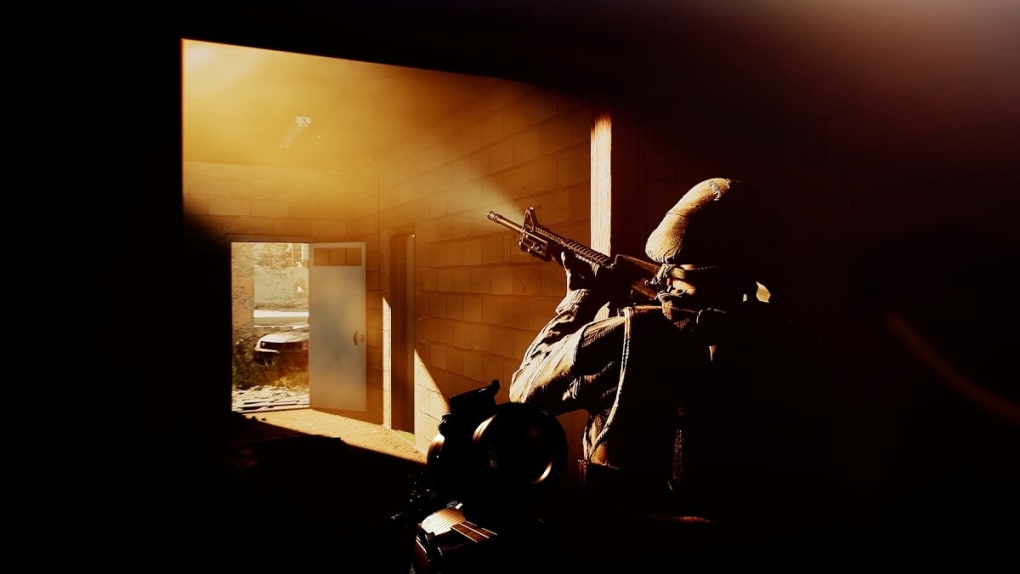
Six Days in Fallujah distinguishes itself through its commitment to realistic tactical gameplay. Players are not simply running and gunning; they are responsible for the strategic management of their base, which serves as both a physical and operational center. Expanding their control requires capturing enemy bases, demanding careful planning, skillful troop deployment, and a thorough understanding of the game’s dynamic environments.
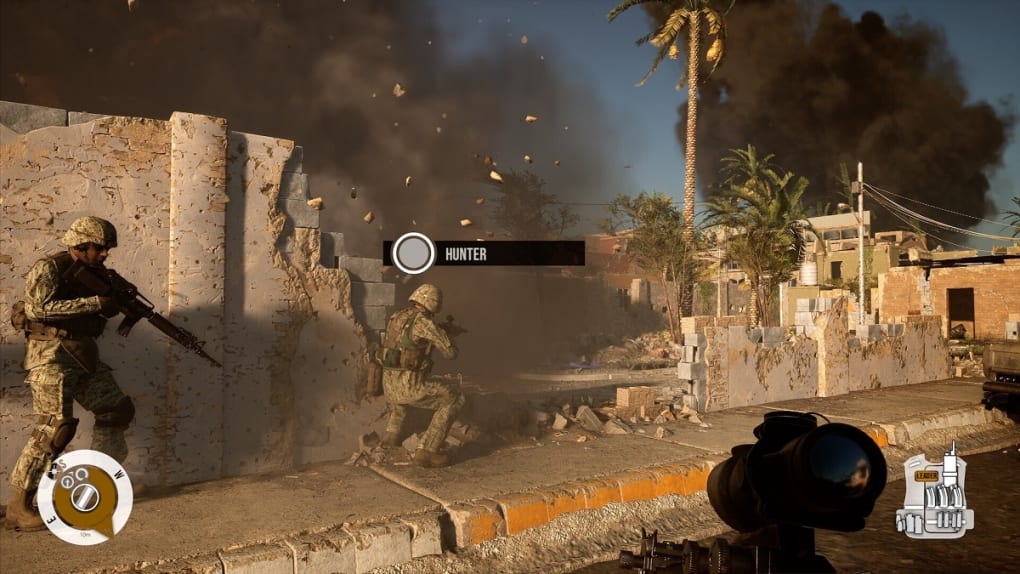
The game’s design emphasizes the importance of tactical considerations. Successful gameplay hinges on effective base management, resource allocation, and strategic troop movements. Players must consider factors like terrain, enemy positioning, and available cover to gain a tactical advantage. Every decision, from squad placement to choosing the optimal approach for an objective, impacts the outcome of engagements. The destructible environments add another layer of complexity, forcing players to adapt their strategies as the battlefield shifts around them.
Beyond the single-player campaign, Six Days in Fallujah incorporates a multiplayer mode that allows up to four players to cooperate in a cohesive team. This cooperative element is integral to the game’s design, reinforcing the importance of teamwork, communication, and coordinated strategies. The success of any mission relies heavily on each player understanding their role and working together to achieve common objectives.
The realism extends to the game’s mechanics. Weapon handling is carefully modeled, accurately simulating the recoil, reload times, and effectiveness of various firearms. Bullet physics play a significant role, impacting projectile trajectory and penetration, while the destructible environments further enhance the sense of realism. These mechanics force players to manage ammunition, health, and equipment carefully, adding a crucial layer of strategic depth and tension. Every bullet fired, every decision made, carries weight, emphasizing the consequences of actions in the heat of battle.
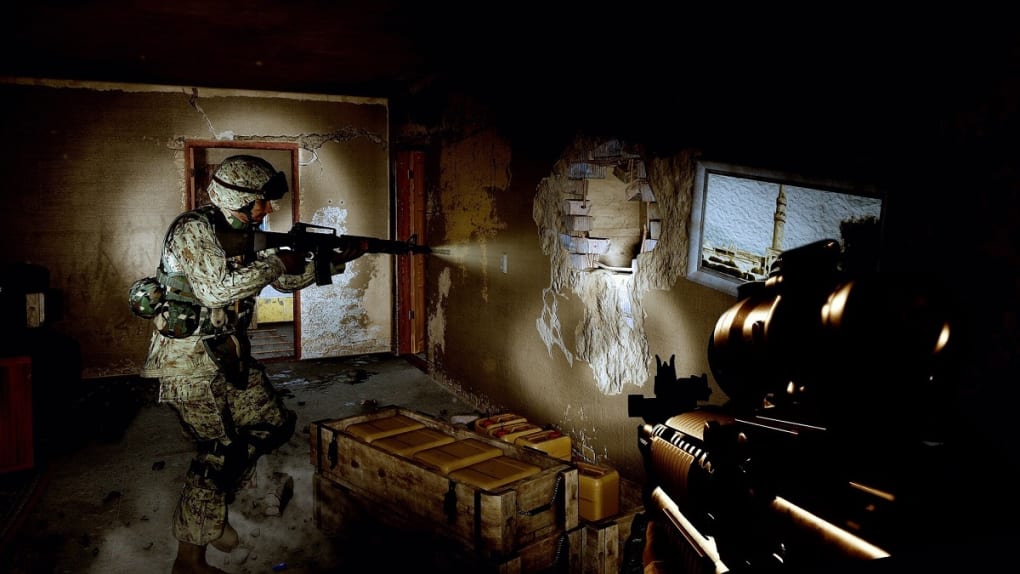
Visually, Six Days in Fallujah boasts photorealistic environments that accurately recreate the scarred cityscape of Fallujah. The meticulous detail in the environment contributes significantly to the immersive experience, enhancing the player’s connection to the virtual conflict. Furthermore, the game’s procedural generation system guarantees that no two playthroughs are identical, ensuring high replayability and offering fresh challenges with each new experience. This ensures that the game is far more than a linear progression and allows players to experience the conflict from multiple perspectives.
Historical Context and Controversies
Six Days in Fallujah’s historical setting is central to its design, but also the source of much of its controversy. The game attempts to recreate the intensity and brutality of the actual Battle of Fallujah, an event that remains a subject of intense debate and emotional response. This focus on a historically sensitive subject matter raises ethical considerations regarding the potential for the game to trivialize or misrepresent the events depicted, or to contribute to harmful stereotypes.
The initial development and release of the game were met with significant opposition due to concerns about the game’s potential to desensitize players to the violence of war and to propagate negative stereotypes. The resulting backlash led to the game’s cancellation. However, the revived version incorporates improvements aimed at addressing some of the criticisms, including a greater focus on the human cost of war and a more balanced representation of the conflict.
The game’s historical basis positions it within a genre of historical war games that include titles like Brothers in Arms: Road to Hill 30 and Valiant Hearts. However, unlike these titles, Six Days in Fallujah deals with a much more recent and controversial conflict. This choice makes it unique within the genre, demanding a more nuanced approach to historical representation and an increased awareness of the ethical implications of its subject matter.
A Blend of Entertainment and Education
While undeniably a video game designed for entertainment, Six Days in Fallujah also aims to offer players a glimpse into the realities of modern warfare. The game’s immersive nature, combined with its focus on realistic combat mechanics, creates a potentially impactful experience that can, for better or worse, leave a lasting impression. The realistic portrayal of the conflict’s intensity and brutality provides a stark contrast to the often-sanitized depiction of war in other forms of entertainment.
The developers claim that the game is designed to be a thoughtful reflection on the complexities of war, rather than a glorification of violence. Whether this aim is successfully achieved is ultimately a matter of individual interpretation. The game’s ability to provide a profound learning experience depends heavily on the player’s critical engagement with the content and their willingness to reflect upon the depicted violence and its consequences.
Critical Reception and Ongoing Debate
Six Days in Fallujah’s reception has been complex and multifaceted. While the game has been praised for its immersive gameplay, realistic graphics, and detailed recreation of the battle, it remains a highly controversial topic. Many critics continue to voice concerns about the potential for the game to desensitize players to violence, perpetuate harmful stereotypes, and trivialize the suffering of those affected by the conflict.
The game’s focus on a real-world conflict that remains emotionally charged for many raises important questions about the responsibility of game developers in representing historical events. The debate extends beyond simple entertainment and touches upon ethical concerns about the portrayal of violence, the risks of misrepresentation, and the potential impact of such games on public perception. The ongoing discussion underscores the significance of considering the societal and ethical implications of video game development, particularly when dealing with sensitive historical events. The success or failure of the game in this regard remains a subject of intense and often polarized debate.
The game’s legacy will likely be shaped not only by its gameplay and technical achievements but also by the ongoing discussion surrounding its ethical and social implications. It serves as a reminder of the importance of considering the potential impact of entertainment on our understanding of history and the human experience, and the need for critical engagement with any media that depicts violence and conflict.
File Information
- License: “Full”
- Version: “varies-with-devices”
- Latest update: “July 4, 2023”
- Platform: “Windows”
- OS: “Windows 11”
- Language: “English”
- Downloads: “4.1K”


