
The world of skateboarding games has long been a vibrant and evolving landscape, characterized by titles that range from arcade-style exuberance to hyper-realistic simulations. Yet, few franchises have carved out a niche as distinct and beloved as Skate. After what felt like an eternity for its dedicated fanbase—a decade-long hiatus since 2010’s Skate 3—Electronic Arts (EA) has brought the acclaimed series roaring back with simply skate. More than just a sequel, this latest installment represents a significant evolution, leveraging cutting-edge technology, embracing a new business model, and promising an experience that simultaneously honors its roots and pushes the boundaries of the genre.
For existing fans, skate. is a triumphant return to form, a much-anticipated homecoming to the gritty, grounded, and often hilariously brutal world of realistic skateboarding physics. For newcomers, it presents a compelling, albeit challenging, entry point into a genre defined by skill, creativity, and perseverance. This premium sports game, developed by Full Circle, a remote-only studio formed by EA, isn’t just a reboot; it’s a redefinition, aiming to build a persistent, evolving world for a global community of virtual skaters.
The Triumphant Return of a Skateboarding Icon
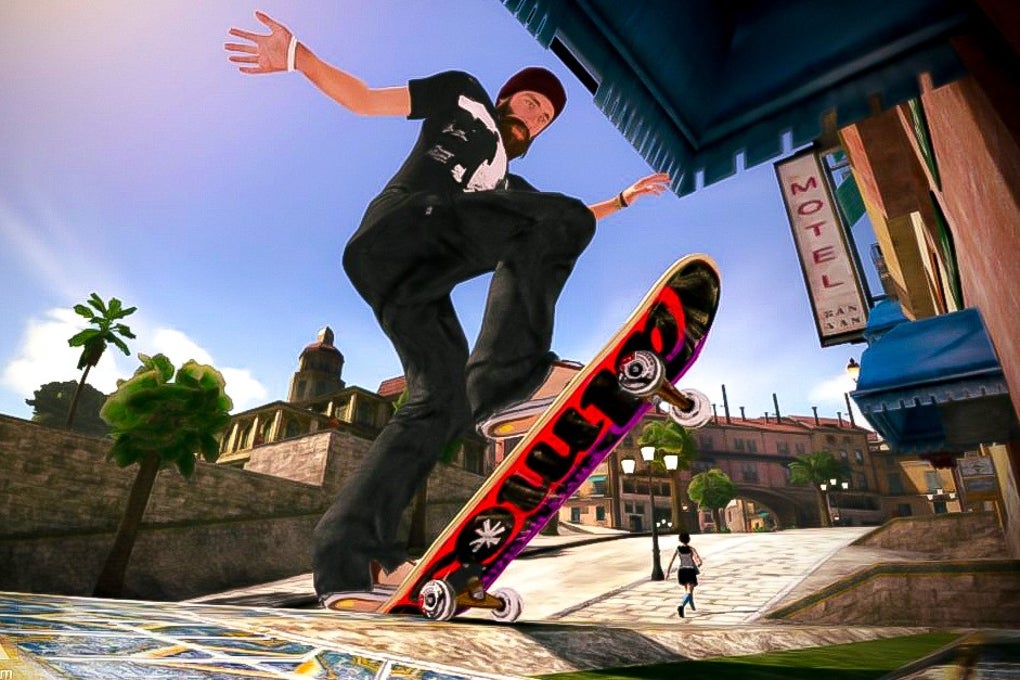
The Skate franchise first exploded onto the scene in 2007, quickly distinguishing itself from its contemporaries with a revolutionary control scheme and an unwavering commitment to realistic physics. While other games focused on outrageous aerial stunts and over-the-top combos, Skate offered a more authentic, tactile experience, where every kickflip and grind felt earned. This dedication to realism resonated deeply with the skateboarding community, leading to two critically acclaimed sequels in 2009 and 2010, along with a 2008 spin-off.
A Decade in the Making: Expectations and Reality
The discontinuation of the series after Skate 3 left a void that no other game truly managed to fill. However, the franchise found an unexpected resurgence around 2014, not through official channels, but through the creative exploits of YouTube content creators. These digital artists discovered the comedic goldmine in Skate 3’s ragdoll physics, turning spectacular failures into viral sensations. This grassroots revival, fueled by nostalgia and humor, demonstrated the enduring appeal of the series and ultimately paved the way for its official return. By 2016, Skate 3 was playable on Xbox again, and in 2020, the announcement of a new Skate game sent ripples of excitement through the gaming world.
The anticipation surrounding skate. has been immense, shaped by a desire for the series to retain its core identity while embracing modern advancements. EA’s unconventional marketing, exemplified by a humorous live-action sketch featuring Tim Robinson at Summer Game Fest, further signaled a fresh approach. The message was clear: this wasn’t just another sequel; it was a carefully crafted revival, designed to meet the high expectations of a community that had waited patiently for over a decade.
Grounded Physics and Fluid Controls
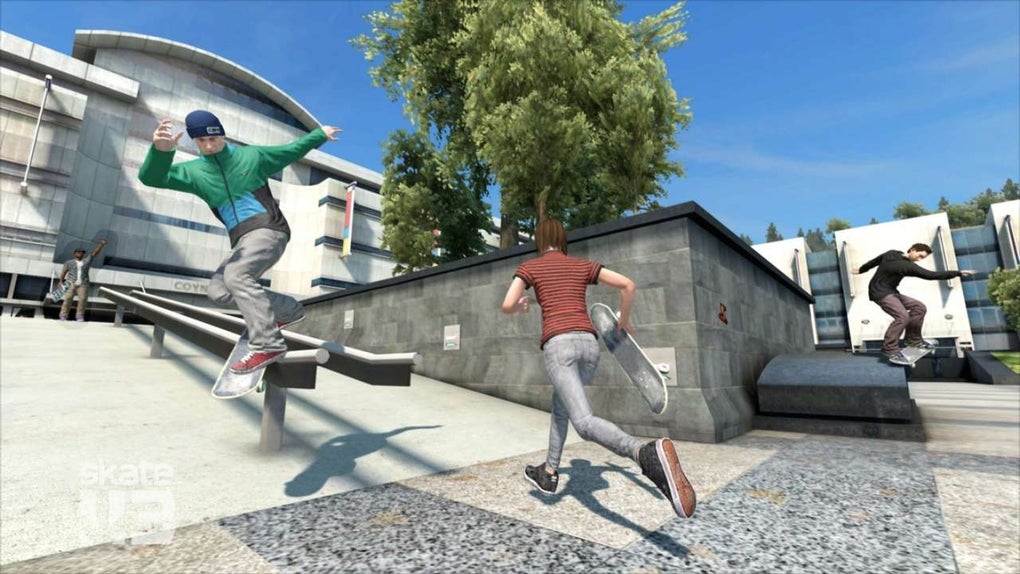
At the heart of the Skate experience lies its groundbreaking approach to physics and controls, and skate. is no exception. The new game proudly upholds the franchise’s legacy of “grounded and difficult skateboarding,” leveraging the latest technology to enhance realism. This means that executing tricks requires precision, timing, and a deep understanding of the environment. Sloppy maneuvers aren’t just aesthetically unpleasing; they’re often met with a hilariously brutal ragdoll response, turning a missed landing into a comical tumble. This blend of challenge and humor is a signature element that skate. appears to retain and refine.
The iconic “flick-it” control system, which mapped skateboard movements to analog stick gestures rather than button presses, was a revelation in the original games. skate. is set to iterate on this signature scheme, promising even more fluid and responsive controls thanks to new physics and animation technologies. For veterans of the series, this means a familiar yet enhanced experience, where muscle memory can quickly adapt to the nuances of the new engine. For new players, however, the learning curve is notoriously steep. Mastering the intricate ballet of board control and body movement demands patience and dedication, but the reward—the satisfaction of seamlessly pulling off a complex line—is immeasurably gratifying.
Beyond the core skateboarding mechanics, skate. introduces an all-new setting that intricately blends fictional elements with real-life inspirations. The set designs are described as impressive, featuring custom textures that maintain a high level of detail even amidst the game’s typical fast-paced action. Additionally, the game hints at expanded movement options, including “freerunning” and other “off-board mechanics.” Whether these become integral parts of specific events or simply add layers to general traversal and exploration remains to be seen, but they promise a richer, more dynamic interaction with the game’s expansive world.
A New Era: Free-to-Play, Live-Service, and Community-Driven Development
Perhaps one of the most significant departures for skate. from its predecessors is its bold new business model. Moving away from traditional paid releases, the game is designed as a free-to-play, live-service MMO (Massively Multiplayer Online) experience, available across PC and consoles, with potential mobile integration. This strategic pivot signals EA’s intent to build a continuously evolving game, sustained by ongoing content updates, community engagement, and presumably, optional in-game purchases.
Unconventional Marketing and the Rise of “skate.”
The journey to skate. has been anything but conventional. Announcing a new installment for a beloved, dormant franchise through a humorous live-action sketch rather than a flashy CGI trailer was a calculated risk that paid off, generating significant buzz and setting a tone of irreverence that aligns with the skateboarding culture itself. This unconventional marketing reflects the unique development path taken by Full Circle, a remote-only studio specifically created by EA for this project.
The decision to embrace a free-to-play, live-service model is a considerable gamble for a franchise historically associated with premium, single-purchase titles. While it opens the door to a much larger player base by removing the initial barrier to entry, it also places immense pressure on the developers to deliver a constant stream of high-quality content and maintain a balanced monetization strategy. The success of this model will hinge on how well EA and Full Circle can execute their vision, ensuring that the game remains fresh, engaging, and fair for all players, regardless of their spending habits.
What the Future Holds: Key Features and Innovations
skate. is poised to introduce a plethora of innovative features designed to enhance both the core gameplay and the overall player experience:
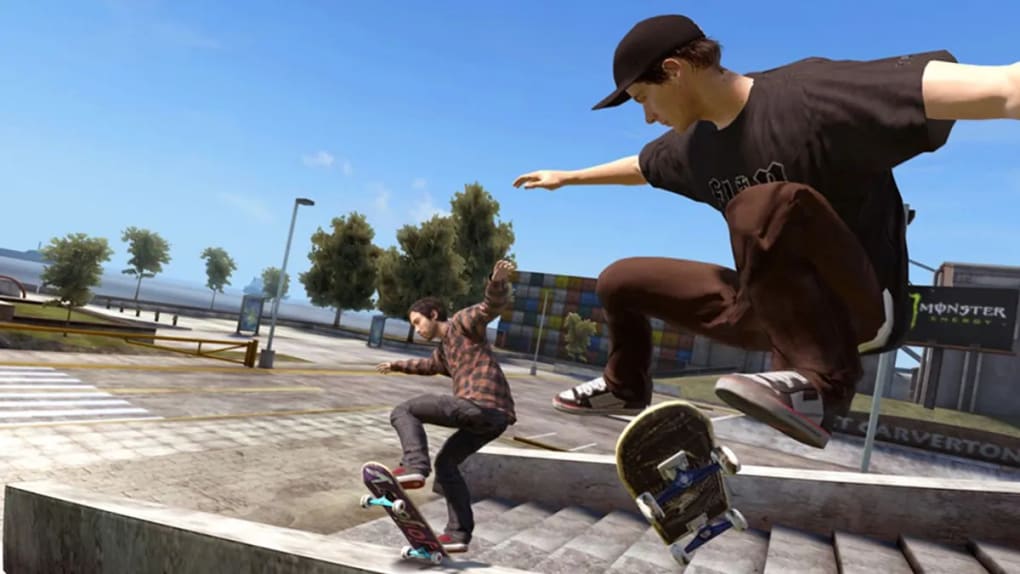
- Free-to-Play, Live-Service MMO: As mentioned, the game will be constantly updated with new content, events, and areas, fostering a long-term engagement model.
- Enhanced “Flick-It” Control Scheme: Building on the franchise’s signature controls, new physics and animation technologies promise an even more realistic and fluid skateboarding experience, allowing for nuanced trick execution.
- Player Customization: A major emphasis is placed on allowing players to express their individuality. From the highly requested ability to change the color of socks to a vast array of apparel and board options, customization is key to personalizing the skating journey.
- “Quick Drop” System: This innovative feature allows players to dynamically alter the in-game environment in real time. Want to add a rail to boost your trick potential or create a unique line? The “Quick Drop” system makes it possible. These player-made modifications can be shared in multiplayer, transforming the city into a collaborative canvas for real-time challenges and creative expression.
- Throwdowns: Imagine instantly challenging another skater you encounter in the city, turning any street corner into an impromptu battleground for tricks and style. “Throwdowns” enable this spontaneous competitive element, making the entire environment an interactive skate park.
- Persistent World: The game world is not static; it will continuously grow and evolve. New areas will open up over time, expanding the playable space, and new music will be added to the soundtrack, ensuring a fresh auditory experience.
- Active Playtesting: Full Circle is committed to a community-driven development process. They are actively recruiting “skate. Insiders” for ongoing playtesting, with plans to expand testing from PC to consoles later in the year, ensuring that player feedback is integrated at every stage.
The “skate. Insider” Program: Shaping the Game Together
Central to skate.’s live-service philosophy is the “skate. Insider” program, an initiative designed to bring players into the development fold much earlier than typical closed betas or alpha tests. This program offers early access to the game during its formative stages, allowing participants to provide invaluable feedback that directly shapes its future.
Anyone aged 18 and above can sign up for the program online, though participation is not guaranteed immediately. Invitations to playtest are strategically scaled based on specific testing goals at different development stages, ensuring a smooth and manageable experience for both testers and developers. Those selected receive detailed instructions on how to provide constructive feedback, covering everything from gameplay mechanics to bug reports.
A crucial aspect of the “skate. Insider” program is the “pre-release feedback agreement.” This legally binding agreement requires testers to maintain strict confidentiality, meaning discussions and sharing of any game content—text, screenshots, videos, or streams—must be confined to designated, secure channels. This ensures that the development process can occur in a controlled environment, protecting unreleased content and managing public expectations. The playtesting schedule is dynamic, evolving with the game’s development. While currently focused on PC and mobile, console testing is slated to begin in the latter part of the year, expanding the feedback pool. Importantly, participation in one playtest does not preclude players from future selections, keeping them eligible for ongoing contributions. This collaborative approach underscores Full Circle’s commitment to building a game that truly resonates with its community.
Navigating the Streets: Platform Availability and Gameplay Considerations
Accessibility is a cornerstone of skate.’s new direction. The game is slated for release on a wide array of platforms, ensuring that a broad audience can dive into its virtual streets. This multi-platform launch is complemented by modern connectivity features that foster a truly interconnected gaming experience.
Cross-Platform Connectivity and Accessibility
skate. will be available on Xbox One, Xbox Series X|S, PlayStation 4, PlayStation 5, PC, and potentially mobile devices. This extensive platform support is paired with crucial cross-play and cross-progression functionalities. Cross-play allows players across different systems to connect and compete with each other, fostering a larger and more vibrant online community. Whether you’re on a high-end PC or a last-gen console, you can skate alongside your friends. Cross-progression, on the other hand, means that your game progress, customizations, and achievements seamlessly transfer between supported platforms. You can start a session on your PC, then pick it up later on your PlayStation, ensuring that your efforts are never tied to a single device. This level of flexibility is a significant draw for modern gamers who often play across multiple systems.
The Steep Learning Curve: A Double-Edged Board
Despite its numerous strengths and innovations, skate. is not without its potential drawbacks, particularly for newcomers. The franchise’s defining commitment to realistic physics, while a major selling point for veterans, translates into a notoriously steep learning curve. Players unfamiliar with the intricate “flick-it” control mechanics may find the initial hours frustrating as they grapple with executing even basic tricks. The game’s unforgiving nature means that sloppy movements result in immediate, often comical, failure, which can be discouraging for beginners. This focus on realism inherently prioritizes skill and precision over instant gratification, appealing primarily to those who relish a technical challenge.
Another potential issue is the risk of repetitive gameplay. While the open-world design, the ability to create and share custom skate parks via the “Quick Drop” system, and the live-service updates promise variety, the core mechanics of stringing together tricks and lines might eventually become monotonous for some. Players seeking a more arcade-like, fast-paced experience, filled with exaggerated jumps and immediate gratification, might find skate.’s deliberate, physics-driven approach less appealing. Its emphasis on authenticity, while a strength, also means it might not cater to every preference within the skateboarding game genre.
Beyond “skate.”: Exploring the Wider World of Skateboarding Games
For players who are captivated by the idea of skateboarding games but might find skate.’s specific blend of realism and challenge not quite their speed, the market offers a diverse range of alternatives. Each title carves out its own niche, catering to different preferences for gameplay style, difficulty, and overall experience.
Arcade Thrills vs. Simulation Depth
One of the most prominent alternatives is Tony Hawk’s Pro Skater 1 + 2. This revitalized classic leans heavily into the arcade end of the spectrum, prioritizing high scores, outrageous combo chains, and gravity-defying maneuvers. Its fluid, accessible controls and vibrant, nostalgic soundtrack make it an excellent choice for players seeking immediate fun and a satisfying sense of accomplishment without the demanding realism of skate.. It’s a game about pushing the limits of physics for pure entertainment.
For those who appreciate realistic physics but desire a slightly more accessible control scheme than skate., Skater XL offers a compelling middle ground. Skater XL provides granular control over individual feet and board movements, allowing for immense creativity and personal expression, yet its learning curve is often considered less daunting than Skate’s “flick-it” system. It focuses on capturing the essence of street skating and improvisation.
On the other hand, if skate.’s realism isn’t quite enough, Session: Skateboarding Sim Game pushes the boundaries of simulation even further. Session is renowned for its hardcore, physics-based gameplay, which requires a significant investment of time and effort to master. It appeals to players who crave an ultra-technical challenge and a truly authentic representation of professional skateboarding, where every detail, from foot placement to body lean, influences the outcome.
Finally, for a more casual and aesthetically driven experience, Skate City presents a simplified yet enjoyable take on skateboarding. It focuses on style, flow, and the visual appeal of street skating, foregoing the technical difficulty of its counterparts for a laid-back, atmospheric journey through iconic urban landscapes. It’s perfect for players who want to relax and enjoy the rhythm of skating without the pressure of complex controls or unforgiving physics.
In conclusion, the return of skate. marks a pivotal moment for the skateboarding game genre. It successfully blends the beloved core mechanics and realistic physics that captivated fans over a decade ago with modern sensibilities, a forward-thinking free-to-play live-service model, and a commitment to community-driven development. While its steep learning curve and focus on realism may not appeal to every type of player, for those willing to embrace the challenge, skate. offers a deeply immersive, highly rewarding, and continually evolving skateboarding simulation. Its impressive set designs, enhanced control system, and innovative features like the “Quick Drop” system and “Throwdowns” position it not just as a successor, but as a potential genre-definer for the next generation of virtual skaters. The game’s future, shaped by active playtesting and ongoing content updates, promises a vibrant and dynamic experience for years to come, cementing its status as a true icon reborn.
File Information
- License: “Full”
- Version: “varies-with-devices”
- Latest update: “July 4, 2024”
- Platform: “Windows”
- OS: “Windows 8”
- Language: “English”
- Downloads: “2.9K”


