
Sleipnir, named after the eight-legged horse of Norse mythology, is a web browser that offers a unique blend of features and customization options. While not as widely known as Chrome or Firefox, Sleipnir has carved a niche for itself by providing a robust and highly configurable browsing experience. This article delves into the history, features, strengths, weaknesses, and overall user experience of Sleipnir, aiming to provide a comprehensive overview for potential users.
Sleipnir’s Engine and Core Functionality
Sleipnir’s defining characteristic is its flexibility in rendering engines. Unlike many browsers that stick to a single engine (like Chrome’s Blink or Firefox’s Gecko), Sleipnir initially supported both Microsoft’s Trident engine (used in Internet Explorer) and Mozilla’s Gecko engine (the engine behind Firefox). This dual-engine support allowed users to choose the rendering engine best suited to their needs, potentially improving compatibility with specific websites or offering a different rendering experience altogether. While the current version’s engine support might be different (this needs verification against the latest version), the legacy of engine flexibility highlights Sleipnir’s unique approach to web browsing.
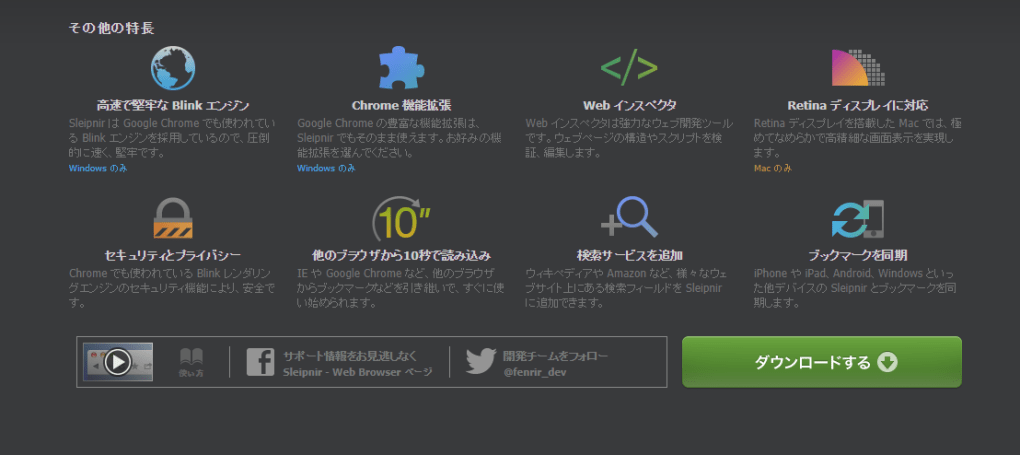
The browser’s core functionality encompasses standard web browsing capabilities: navigating websites, managing bookmarks, handling tabs, and supporting extensions (depending on the chosen rendering engine). The inclusion of a built-in password manager, similar to Roboform, added a layer of convenience and security for users. This integrated password management eliminates the need for separate software, streamlining the overall user experience. Moreover, Sleipnir’s support for proxy servers enhanced privacy and security, allowing users to mask their IP address and navigate the internet more anonymously. The advanced tab management system mentioned in the original review is also a notable feature, promising efficient handling of multiple open web pages.
User Interface and Customization
The original review highlighted a key point of contention: Sleipnir’s interface. While offering extensive customization, the default interface was described as “bloated” with excessive buttons and toolbars. This could be overwhelming for users who prefer a minimalist design. However, the extensive customization options allowed users to tailor the interface to their preferences, removing unnecessary elements and streamlining the layout. The ability to extensively alter the visual appearance, including colors and themes, is a significant advantage, offering accessibility features and appealing to users with specific aesthetic preferences. This highlights a crucial aspect of Sleipnir’s design philosophy: empowering users with control over their browsing environment.
The level of customization extends beyond the visual aspect. Users could configure various settings related to browsing behavior, security protocols, and extension management, creating a truly personalized browsing experience. This high degree of customization caters to a specific user base who value fine-grained control over their software and are willing to invest time in configuration.
Sleipnir 3 and Enhanced Full-Screen Mode
Sleipnir 3 introduced significant improvements, particularly in its full-screen browsing mode. The enhanced full-screen experience was marketed as luxurious and refined, providing a user-friendly interface resembling a smartphone’s intuitive design. The integration of thumbnail tabs at the bottom of the screen, coupled with touch gesture support, aimed to provide a seamless and efficient browsing experience, especially for users accustomed to touch-based devices.
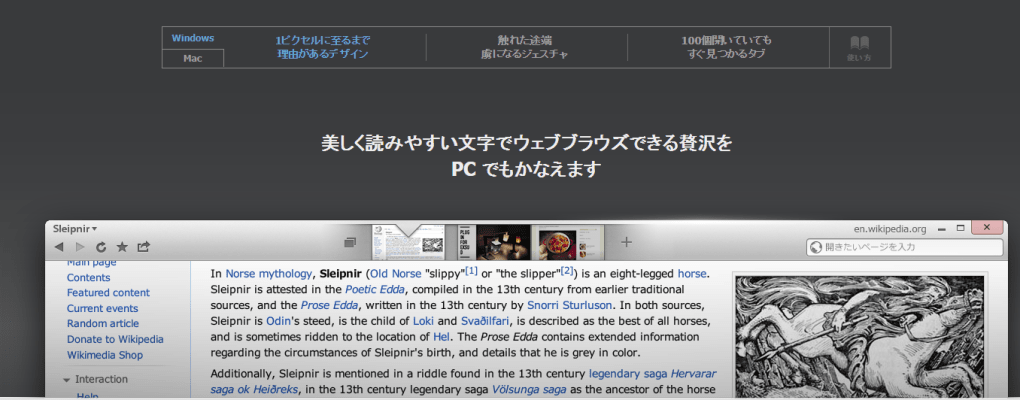
This update focused on enhancing user interaction, making the browser more accessible and user-friendly, particularly for users who might be accustomed to navigating mobile devices. The seamless integration of touch gestures reflects a trend in modern software design, adapting to the increasing use of touch-enabled devices and displays. The ability to customize various tab actions within the options further cemented Sleipnir’s commitment to user-centric design and extensive personalization.
Cloud Synchronization and Cross-Platform Integration
Sleipnir aimed to differentiate itself from competitors by offering robust cloud synchronization capabilities. The integration with various web services allowed users to seamlessly synchronize bookmarks and other data across different platforms and devices. This integration with cloud services emphasized the desire for cross-platform consistency, allowing users to maintain a cohesive browsing experience regardless of the operating system or device they were using.
This feature provides a significant advantage, ensuring users can access their bookmarks, browsing history, and other preferences from any device with an active Sleipnir installation. The emphasis on coexistence and integration with popular web services underscores Sleipnir’s approach to being a versatile and adaptable web browser. This contrasts with browsers focused solely on internal ecosystem integration, such as those from major technology companies.
Sleipnir’s Strengths and Weaknesses
Sleipnir’s strengths lie in its unique engine support (historically), its extensive customization options, and its focus on cross-platform synchronization. The ability to tailor the browser to individual preferences, particularly the interface and functionalities, caters to a niche group of power users who demand complete control over their browsing experience. The robust cloud synchronization capabilities ensured data consistency across multiple devices, a valuable feature for users who frequently switch between computers, tablets, and smartphones.

However, Sleipnir’s weaknesses include the potentially overwhelming initial interface and the comparatively smaller user base compared to major browsers. The lack of widespread user adoption means fewer community resources and support compared to the larger browsers. The initial complexity of the interface may deter some users, especially those who prefer a straightforward and minimalist browsing experience.
Conclusion
Sleipnir presents a compelling alternative to mainstream web browsers, particularly for users who prioritize customization and cross-platform synchronization. Its historical flexibility in rendering engines and its commitment to extensive configuration options provide a unique appeal. While the potentially complex interface and smaller user base may present challenges, Sleipnir offers a powerful and adaptable browsing experience for those willing to invest time in its configuration. The ongoing development and updates, including the enhancements in Sleipnir 3, suggest a continued commitment to improving user experience and addressing potential shortcomings. Whether Sleipnir is the right choice for a given user ultimately depends on their individual needs and preferences regarding browser customization, functionality, and the level of technical expertise they’re willing to invest.
File Information
- License: “Free”
- Latest update: “July 22, 2025”
- Platform: “Windows”
- OS: “Windows 7”
- Language: “English”
- Downloads: “26.5K”
- Size: “144.25 MB”


