
SMS text messaging remains a remarkably effective communication tool in today’s digital landscape. While newer messaging platforms have emerged, the simplicity, speed, and near-universal accessibility of SMS continue to make it a vital communication channel for both personal and business use. This article delves into the world of SMS text messaging apps, exploring their features, benefits, and the broader impact of this enduring technology.
The Enduring Power of SMS
The speed and efficiency of SMS are unparalleled. A marketing message, for example, reaches its target audience almost instantly upon sending, resulting in immediate feedback and measurable results. The high open rate of SMS messages – over 90% within three minutes of delivery – significantly surpasses that of email or other digital communication methods. This immediate impact allows businesses to connect with customers in real-time, driving engagement and fostering a sense of urgency.
The global reach of SMS is another compelling advantage. With billions of mobile phones in circulation worldwide, SMS boasts near-universal compatibility across all mobile operators. This ubiquitous accessibility means that businesses can connect with a vast and diverse audience regardless of geographic location or network provider. In an increasingly interconnected world, SMS transcends geographical boundaries, facilitating communication on a truly global scale.
Beyond its business applications, SMS remains a cornerstone of personal communication. The simplicity of sending a quick text message makes it ideal for everyday interactions with friends, family, and colleagues. It offers a more informal and readily accessible alternative to phone calls or emails, enabling spontaneous communication and facilitating the maintenance of personal relationships.
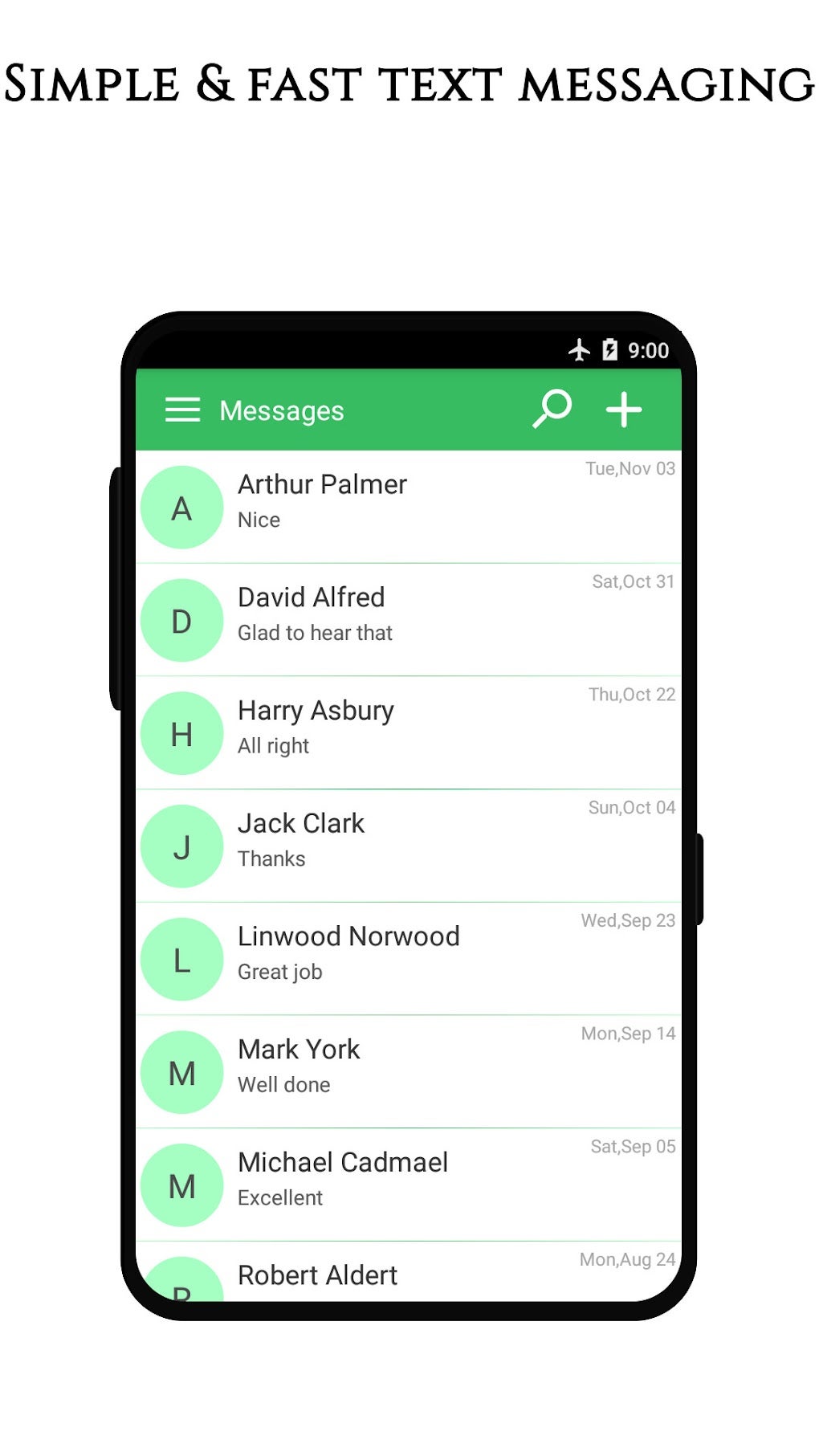
Features of a Modern SMS Text Messaging App
Modern SMS text messaging apps go beyond the basic functionality of sending and receiving text messages. They often incorporate a range of features designed to enhance user experience and cater to individual preferences. Some common features include:
- Customization Options: Many apps offer extensive customization options, allowing users to personalize their messaging experience. This can include choosing themes, adjusting font sizes and styles, and selecting different color schemes to match individual preferences. This level of personalization enhances the app’s appeal and encourages continued use.
-
Night Mode: The inclusion of a night mode feature is particularly beneficial for users who frequently send and receive messages in low-light conditions. This mode typically inverts the color scheme, reducing eye strain and improving readability. This simple yet effective feature significantly enhances the user experience, especially for late-night messaging.
-
Spam Filtering and Blocking: Spam messages are a persistent nuisance for many users. Advanced SMS apps often incorporate robust spam filtering mechanisms to identify and block unwanted messages, protecting users from malicious content or intrusive marketing. This vital feature enhances security and improves the overall user experience by eliminating unwanted interruptions.
-
Multimedia Messaging Service (MMS) Support: While SMS is primarily text-based, many apps integrate MMS support, allowing users to send and receive images, videos, and audio files alongside text messages. This expands the functionality of the app, enabling richer and more expressive communication.
-
Advanced Features: Some more sophisticated apps offer a range of additional features, such as scheduled messaging, group chats, read receipts, and integration with other communication platforms. These advanced features cater to power users who require more comprehensive messaging capabilities.
SMS in Business: A Powerful Marketing and Communication Tool
For businesses, SMS offers a potent blend of immediacy and reach. The high open rate and swift delivery make it an ideal channel for time-sensitive communications, such as appointment reminders, order confirmations, and promotional offers. Businesses can use SMS to:
-
Enhance Customer Service: Provide quick and efficient responses to customer inquiries, resolve issues promptly, and proactively address concerns. The direct and personal nature of SMS fosters a stronger customer relationship.
-
Drive Sales and Promotions: Announce special offers, discounts, and new product launches directly to customers, fostering a sense of urgency and encouraging immediate action. Targeted SMS campaigns can significantly boost sales conversions.
-
Improve Operational Efficiency: Streamline internal communication, coordinate team efforts, and disseminate important information quickly and efficiently. SMS eliminates the delays and inefficiencies associated with other communication channels.
-
Targeted Marketing Campaigns: Segment customer lists based on demographics, purchase history, or other relevant criteria to send highly personalized messages that resonate with specific customer groups. This targeted approach maximizes marketing ROI.
-
Automated Messaging: Automate repetitive tasks such as appointment reminders, shipping notifications, and welcome messages, freeing up staff time for more complex tasks. Automation significantly streamlines business processes and improves efficiency.
Choosing the Right SMS Text Messaging App
The market offers a wide range of SMS text messaging apps, each with its own set of features and functionalities. When choosing an app, consider the following factors:
-
Functionality: Determine the essential features you require, such as MMS support, group messaging, spam filtering, and customization options. Select an app that meets your specific needs.
-
User Interface: The app’s interface should be intuitive and easy to navigate. A user-friendly interface enhances the overall messaging experience and reduces frustration.
-
Security and Privacy: Choose an app with robust security measures to protect your personal data and communication. Check the app’s privacy policy to understand how your data is handled.
-
Platform Compatibility: Ensure the app is compatible with your mobile operating system and other devices you use. Cross-platform compatibility enhances accessibility and convenience.
-
Cost: Many SMS apps are free, while others offer premium features for a subscription fee. Assess your budget and choose an app that provides value for money.
The Future of SMS
While the rise of messaging platforms like WhatsApp and Telegram might suggest a decline in SMS usage, the reality is far more nuanced. SMS’s reliability, ubiquity, and simplicity ensure its continued relevance. Furthermore, advancements in SMS technology are driving innovation, such as the integration of SMS with other communication channels and the development of more sophisticated marketing tools.
The integration of SMS with other communication channels allows businesses to create seamless and omnichannel experiences for customers. For instance, a business might use SMS to send a promotional offer, then follow up with an email containing more detailed information. This multi-channel approach maximizes the reach and impact of marketing campaigns.
In conclusion, SMS text messaging apps remain an indispensable communication tool in the modern world. Their combination of speed, accessibility, and versatility makes them essential for both personal and professional communication. While newer messaging platforms have their place, the enduring power of SMS is undeniable, and its evolution continues to adapt to the changing digital landscape. By understanding the features and benefits of modern SMS apps, users can harness the power of this technology to enhance communication and achieve their goals.
File Information
- License: “Free”
- Latest update: “July 8, 2025”
- Platform: “Android”
- OS: “Android 13.0”
- Downloads: “5.3K”
- Size: “12.62 MB”
- Download Options: “APK, Google Play”
- Filename: “co-kitetech-messenger-252-71064032-daada1ac74e713f0bd18d039e23a356d.apk”


