
Socratic by Google, a once-popular mobile application designed to assist students with their homework and learning, is no longer available for download. This article explores its functionality, impact, and the reasons behind its discontinuation, examining both its strengths and weaknesses within the broader context of educational technology. While the app itself is defunct, its legacy offers valuable insights into the potential and pitfalls of AI-powered learning tools.
The Functionality of Socratic by Google
Socratic aimed to revolutionize the homework experience by leveraging artificial intelligence to provide quick and comprehensive answers to student queries. Unlike a standard web search that often returns a plethora of unrelated results, Socratic employed sophisticated algorithms to filter and present only the most relevant information. Students could interact with the app in three primary ways:
-
Text Input: Users could type their questions directly into the app. The AI engine would then analyze the question and locate pertinent information from a vast range of online sources.
-
Voice Input: For a more hands-free approach, users could verbally ask their questions. The app’s speech recognition capabilities would transcribe the query and initiate the search process. This feature significantly increased accessibility, particularly for students who preferred or were more comfortable with verbal communication. This was a significant step forward in making educational technology more inclusive.
-
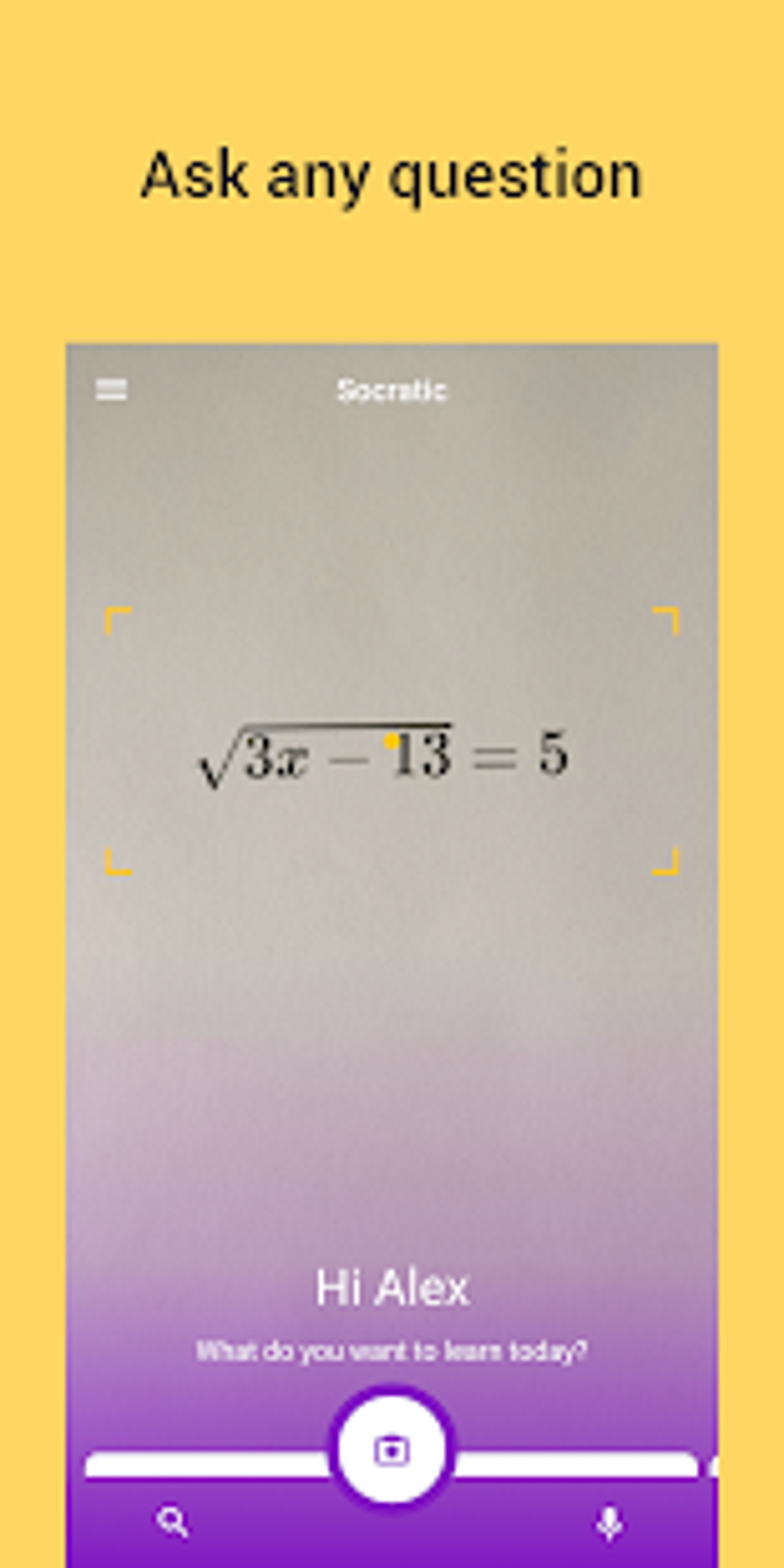
Image Input: Perhaps the most innovative feature was the ability to capture an image of a handwritten or typed question using the device’s camera. The app’s Optical Character Recognition (OCR) technology would then convert the image into text, effectively bypassing the need for manual typing or voice input. This was a considerable advantage for students working with complex equations, diagrams, or lengthy text-based problems. The speed and accuracy of this image processing was a key element of the app’s appeal.
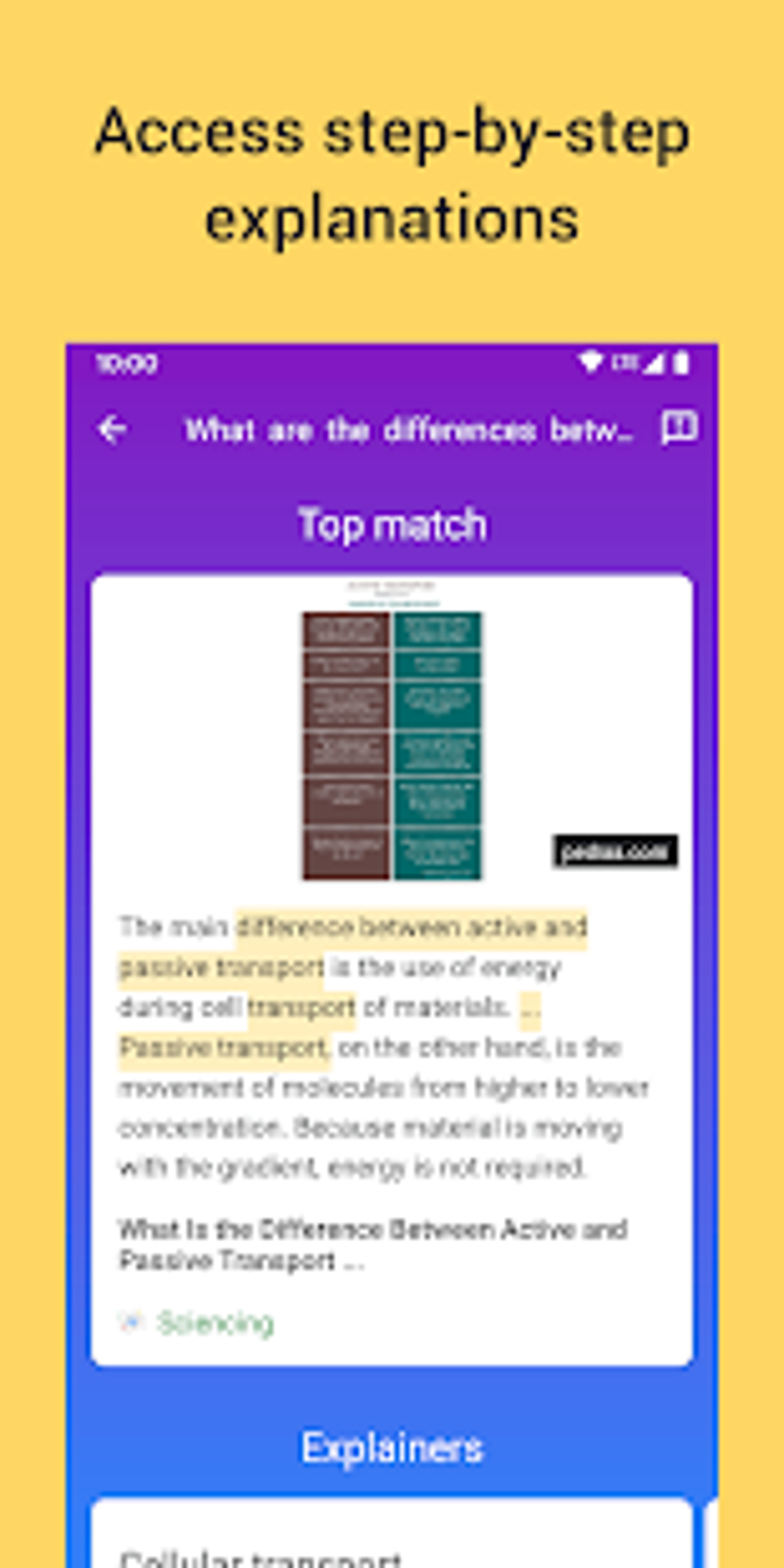
Once a question was processed, Socratic would present its answer in a multi-faceted manner. It wasn’t limited to simply providing a single, concise response. Instead, it offered a curated selection of relevant resources, including:
- Step-by-step explanations: For mathematical problems or complex concepts, the app would often break down the solution process into manageable steps, making it easier for students to understand the underlying principles. This fostered a deeper understanding than simply providing the final answer.
-
Links to authoritative sources: Socratic would link to websites such as Wikipedia, educational websites, and reputable academic publications to provide further context and supporting information. This allowed students to verify the information and explore related topics in greater detail.
-
Relevant videos: The app could also incorporate video content from platforms like YouTube, offering visual explanations and demonstrations for visual learners. The integration of diverse media formats ensured a broader appeal and facilitated a deeper understanding of complex subjects.
The goal was not just to provide answers, but to guide students towards a deeper understanding of the subject matter. This approach differed considerably from simply searching for an answer on Google or other search engines. The curated results and contextual information were key differentiators, positioning Socratic as a more comprehensive and structured learning tool.
The Strengths and Weaknesses of Socratic
While Socratic offered several advantages, it was not without its limitations. Its strengths included:
-
Speed and efficiency: The AI-powered search capabilities enabled rapid access to information, making it a valuable tool for students facing tight deadlines or needing quick clarification on a concept. This speed and efficiency were critical for many students, especially in the face of demanding academic schedules.
-
Comprehensive resource provision: The integration of various resources, including text, images, and videos, catered to diverse learning styles and provided a well-rounded understanding of the topic. This multi-modal approach ensured that the app remained accessible to a wider range of students.
- Relevance filtering: The algorithm’s ability to filter out irrelevant search results saved students time and effort, allowing them to focus on the most pertinent information. This was a significant improvement over traditional web searches, which often overwhelmed students with too much information.
However, the app also suffered from certain shortcomings:
-
Accuracy limitations: Like all AI-powered systems, Socratic was susceptible to errors. The answers provided were not always entirely accurate or reliable, requiring critical evaluation from the user. This highlighted the importance of independent verification and critical thinking, even when using technology-assisted learning tools.
-
Over-reliance concerns: The ease of access to answers raised ethical concerns about its potential for misuse, particularly the possibility of students relying on the app excessively to complete assignments without genuine understanding. This concern underlined the ethical considerations involved in utilizing AI-powered learning tools.
-
Technological limitations: The OCR functionality, while innovative, was not always perfect. It struggled with poorly written or illegible handwriting, leading to inaccurate transcriptions and potentially incorrect answers. This limitation emphasized the evolving nature of technology and the need for continuous improvement in OCR and AI capabilities.
-
Availability and Discontinuation: Ultimately, the app was discontinued, rendering this once-valuable resource unavailable. The reasons behind this are not explicitly stated, but may include issues with sustainability, maintenance costs, or strategic shifts within Google’s educational technology portfolio.
Socratic’s Impact and Legacy
Despite its discontinuation, Socratic’s impact on the educational technology landscape was significant. It demonstrated the potential of AI to personalize and enhance the learning experience, providing rapid access to information and diverse learning resources. However, it also highlighted the challenges and limitations of AI-powered educational tools, specifically the need for critical evaluation of results and the importance of promoting genuine understanding rather than mere answer-seeking.
The app’s legacy serves as a cautionary tale and a testament to the evolving nature of educational technology. While AI can significantly augment learning, it should not replace critical thinking, independent research, and the crucial role of human educators. Future developments in AI-powered learning tools must address the limitations of Socratic and prioritize accuracy, reliability, and ethical considerations.
Comparison with Alternative Apps
Several alternative applications emerged following Socratic’s discontinuation, aiming to provide similar functionalities. However, none fully replicated Socratic’s comprehensive approach. While some excelled at providing quick answers, others focused more on specific subject areas or used different AI methodologies. A comparison of these alternatives reveals a landscape of evolving approaches to AI-powered learning, each with its own strengths and weaknesses. The successor apps offer valuable insights into ongoing innovations in educational technology. The absence of a direct, feature-identical replacement underscores the complexity of replicating Socratic’s unique combination of AI-driven search, resource aggregation, and multi-modal interaction.
In conclusion, Socratic by Google, while no longer available, stands as a significant milestone in the development of AI-powered learning tools. Its success and eventual discontinuation offer valuable lessons for the future of educational technology, emphasizing the importance of striking a balance between leveraging technological advancements and maintaining the essential elements of critical thinking and meaningful learning. The legacy of Socratic encourages a cautious yet optimistic approach to the ongoing integration of AI in education, with a focus on ethical considerations, accuracy, and the continuing importance of human interaction in the learning process.
File Information
- License: “Free”
- Version: “1.3.0.337156962”
- Latest update: “October 21, 2024”
- Platform: “Android”
- OS: “Android 9.0”
- Language: “English”
- Downloads: “88.4K”
- Size: “11.88 MB”
- Download Options: “APK, Google Play”
- Filename: “com-google-socratic-3758-56300927-095a5e267b81698b4dcde18afa19c8e8.apk”


