
Soldier Front, a first-person shooter (FPS) developed by Ijji, offered players an immersive experience of intense military combat. While no longer available for download due to reasons ranging from discontinuation to potential security issues, its legacy as a realistic and action-packed FPS remains. This article delves into the game’s features, gameplay mechanics, and overall impact on the FPS genre.
Immersive Battlefield Experience: Graphics and Sound
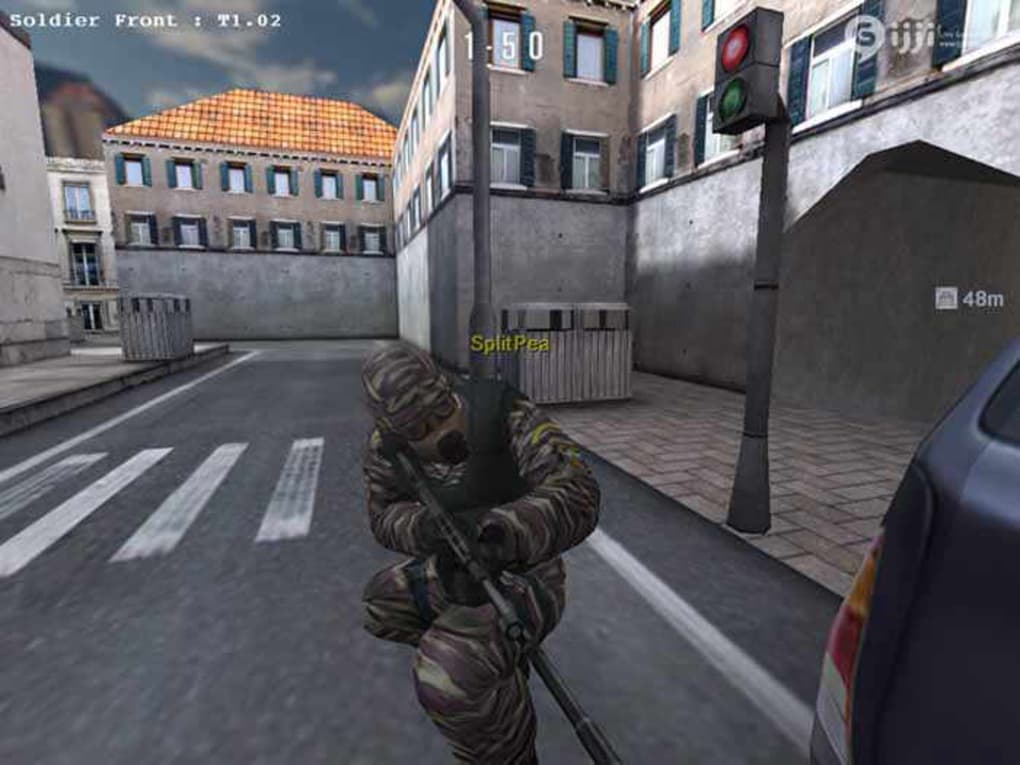
Soldier Front distinguished itself through its commitment to realistic visuals and audio. Unlike many contemporary FPS titles that prioritized stylized aesthetics, Soldier Front aimed for a level of fidelity that enhanced the feeling of being on a real battlefield. The 3D graphics, while not cutting-edge by today’s standards, were detailed enough to make exploring the game’s eleven maps a genuinely engaging experience. The environment details, from the textures of buildings to the subtle variations in terrain, contributed significantly to the game’s atmosphere. Even the weapon models were meticulously crafted to closely resemble their real-world counterparts, adding to the overall realism. This attention to detail extended to the weapon mechanics themselves; players needed to reload and repair weapons, adding a layer of tactical depth and preventing a purely arcade-style experience.
The sound design was equally impressive. The aural landscape was rich with the sounds of combat, from the distinct crack of gunfire and the sharp clang of metal on metal, to the quieter but equally crucial sounds of approaching footsteps. The subtle audio cues, including the ambient sounds of the environments, all contributed to building suspense and enhancing the immersive quality of the game. Hearing the hushed footsteps of an enemy approaching, or the distant rumble of gunfire in another part of the map, added layers of tension and strategic complexity that many contemporary FPS titles often lacked. This level of environmental sound design was critical in enhancing the player’s awareness of their surroundings and promoted cautious and strategic gameplay.
Diverse Gameplay Modes and Team Dynamics
Soldier Front offered a variety of game modes catering to different play styles and preferences. Unlike narrative-driven FPS games that often follow a linear storyline, Soldier Front prioritized fast-paced action and intense firefights. The core gameplay revolved around a lobby system where players could choose to join one of several task force groups, each inspired by real-world military units such as the SAS and GSG 9. This gave players a sense of belonging to a specific unit and access to its unique weaponry and equipment. This feature extended the sense of realism by allowing players to engage with a variety of authentic military hardware.
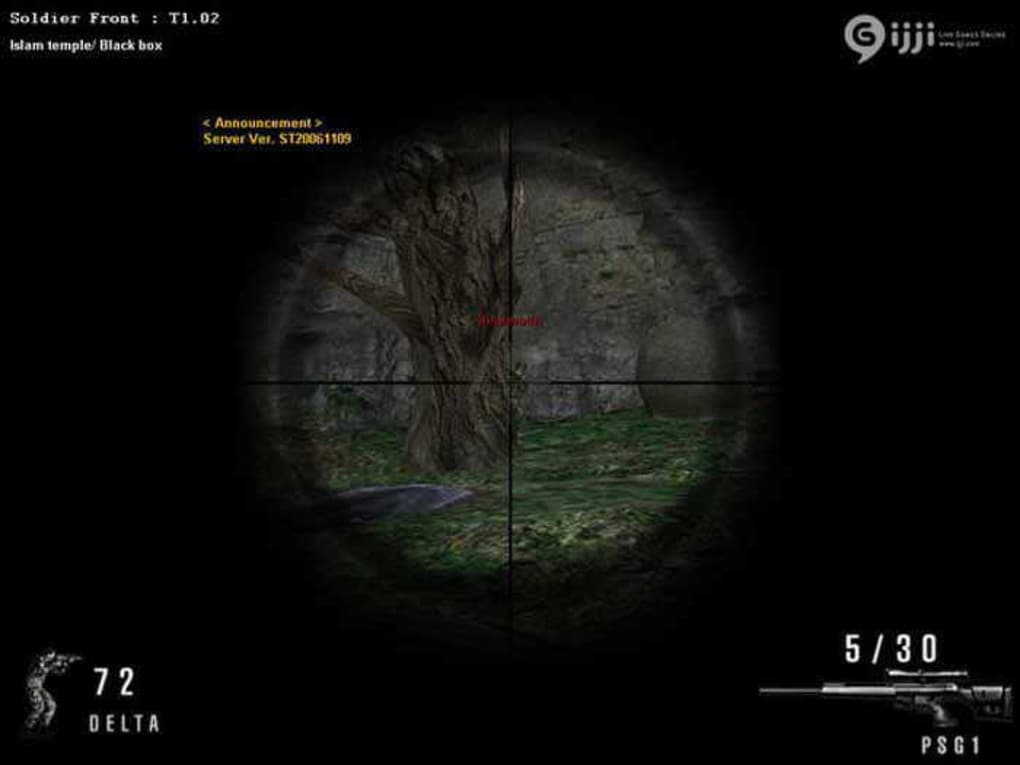
The available game modes included Single Battle, a mode focused on individual skill; Team Battle, encouraging cooperative play and strategic coordination; Sniper, emphasizing long-range precision; and Deathmatch, a chaotic free-for-all focused on individual kills. The different modes offered considerable variety, keeping gameplay fresh and appealing to players with diverse preferences. The choice of game mode also affected the strategies players employed, ranging from strategic positioning and stealth in Sniper mode, to aggressive close-quarters combat in Deathmatch. Regardless of the selected mode, the overall focus on fast-paced, intense combat remained consistent.
The game’s eleven maps provided further diversification. Each map presented unique layouts and tactical opportunities, encouraging players to adapt their strategies based on the environment. The variety of maps also helped prevent the game from feeling stale, even after many hours of playtime. The ability to join open game rooms in the lobby or receive invitations from other players added a social dimension, fostering a sense of community and facilitating competitive or cooperative gameplay.
Realism and Tactical Considerations in Soldier Front
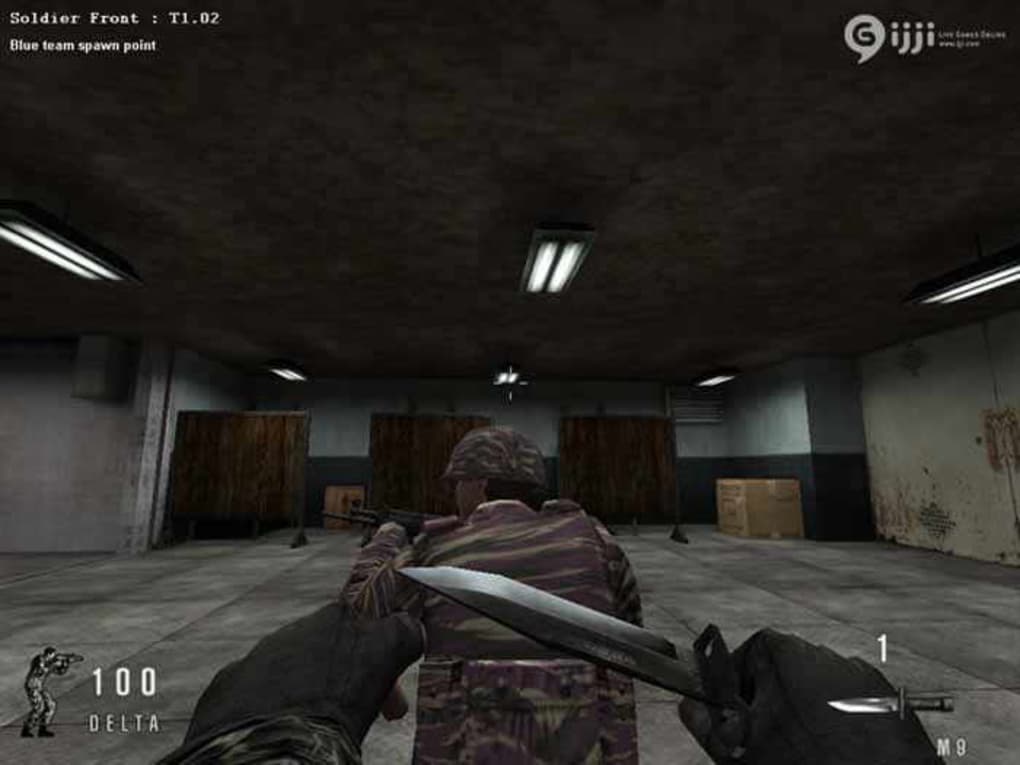
While Soldier Front’s core gameplay was undeniably focused on action, the game incorporated several elements that promoted tactical thinking. Beyond the realistic weapon handling and sound design already discussed, the maps themselves often featured multiple pathways and strategic vantage points. This encouraged players to plan their movements carefully, considering their surroundings and potential enemy positions. Successful gameplay often depended on adapting to different maps and employing strategies suited to the chosen game mode and team composition. This focus on strategy added a welcome dimension of depth to the otherwise frenetic action.
The inclusion of real-world military units also played a role in the game’s tactical considerations. The unique weapons and equipment associated with each task force encouraged experimentation and informed players’ strategic choices. For example, a player might choose a specific unit known for its close-quarters combat prowess if playing Deathmatch, or opt for a unit with superior long-range weapons in Sniper mode. This element added a layer of customization and tactical nuance that went beyond simply choosing a weapon; it involved a thoughtful consideration of unit strengths and weaknesses, and how those translated into gameplay advantages.
Limitations and Shortcomings
Despite its strengths, Soldier Front was not without its flaws. One common criticism was the repetitive nature of gameplay. While the various game modes and maps offered some variety, the core loop of shooting and being shot remained consistent, leading to a sense of repetition for some players over extended periods. This is a common complaint about many FPS games, especially those that lack a strong narrative or evolving gameplay mechanics.
Another issue reported by some players was the occasional lag. Online multiplayer games, by their very nature, are susceptible to network issues, and Soldier Front was no exception. Lagging could significantly impact gameplay, leading to frustrating moments of unfair deaths or an inability to react to enemy movements effectively. This is particularly detrimental in a fast-paced FPS where precise timing and reaction speed are crucial.
Furthermore, the game’s lobby system, while functional, was sometimes criticized for being confusing. Navigating the various menus and options could be overwhelming, especially for new players. This could lead to a less-than-optimal player experience, particularly as many players are drawn to accessibility and intuitive game mechanics.
Finally, the game’s single point of view limited the immersion and tactical flexibility. Unlike games that incorporate alternative perspectives or third-person camera views, Soldier Front’s exclusively first-person perspective restricted the player’s ability to assess the broader battlefield situation, potentially leading to less strategic play in some instances.
Conclusion: A Lasting Impression
Soldier Front, though no longer available, left a significant mark on the FPS genre. Its commitment to realistic graphics, detailed sound design, and diverse gameplay modes provided an engaging and immersive experience that differentiated it from many of its contemporaries. While limitations such as repetitive gameplay and occasional lag hindered its overall perfection, its focus on realism and tactical considerations demonstrated an appreciation for depth that many other FPS games at the time lacked. It stands as a testament to the enduring appeal of realistic military shooters, even in the face of ever-evolving technology and graphical advancements. The game’s legacy serves as a reminder that immersive gameplay is not just about cutting-edge graphics, but also about a combination of thoughtful design, detailed implementation, and a commitment to delivering a compelling and enjoyable player experience.
File Information
- License: “Free”
- Latest update: “September 20, 2018”
- Platform: “Windows”
- OS: “Windows 8”
- Language: “English”
- Downloads: “49K”
- Size: “2.46 MB”


