
Sonic Adventure, released by SEGA, marked a significant leap for the Sonic franchise, transitioning from its iconic 2D side-scrolling adventures to a fully realized 3D world. This bold move, while not without its flaws, delivered a captivating experience that remains fondly remembered by many gamers. This article will explore the game’s innovative features, its strengths and weaknesses, and its lasting impact on the gaming landscape.
A Multifaceted Adventure: Characters and Gameplay
Unlike its predecessors, Sonic Adventure didn’t simply feature Sonic running through loops and collecting rings. The game introduced a cast of diverse playable characters, each with unique gameplay mechanics, expanding the scope of the adventure beyond the traditional Sonic formula. Players could take control of Sonic, known for his blistering speed and acrobatic abilities; Tails, utilizing his twin tails for flight and gadgets; Knuckles, employing his strength and gliding capabilities; and Amy, armed with her signature Piko Piko Hammer. This shift provided a richer narrative experience, allowing players to explore different perspectives and storylines within the same overarching plot.
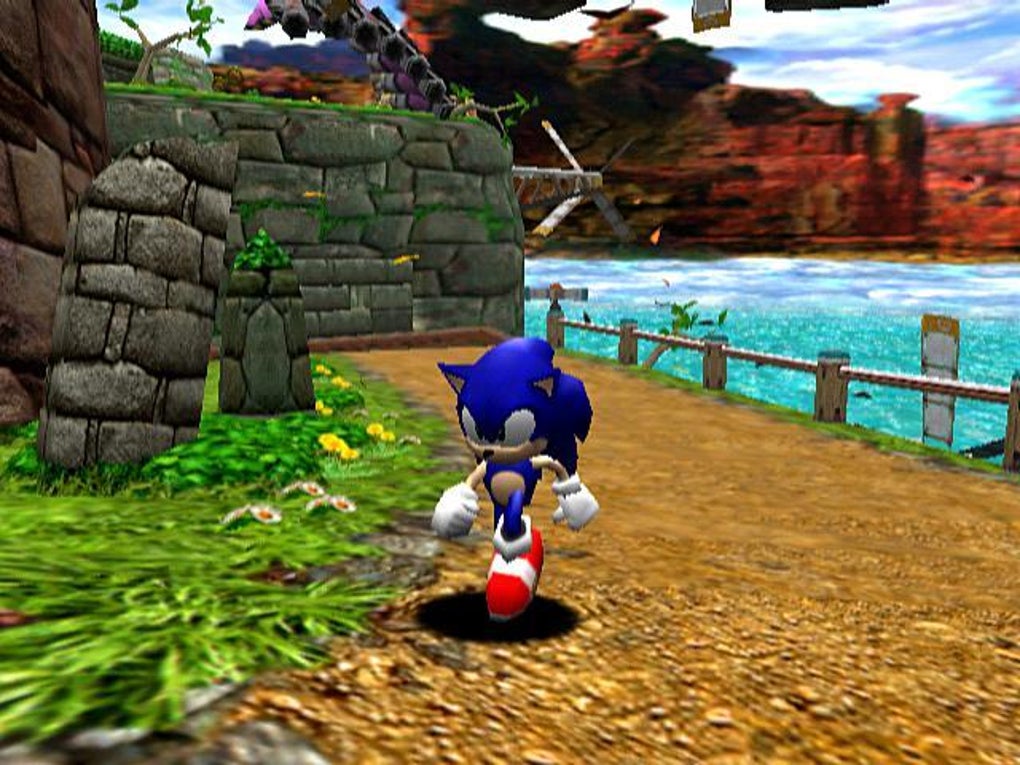
Sonic’s sections emphasized speed and momentum, encouraging players to master the art of quick reflexes and precise maneuvering. The levels were designed to reward skillful play, with hidden pathways, shortcuts, and challenging obstacles rewarding players for their mastery of Sonic’s capabilities. Tails’ sections were more methodical, demanding a careful approach as players navigated through the levels, utilizing his flight abilities to reach otherwise inaccessible areas and solve puzzles. Knuckles’ gameplay focused on exploration and treasure hunting, requiring players to meticulously search for hidden Chaos Emeralds and unravel the secrets of Angel Island. Finally, Amy’s gameplay featured a slower, more methodical approach, utilizing her hammer to solve puzzles and fight enemies. This diverse approach ensured that no two gameplay experiences felt exactly alike.
This variety, however, wasn’t without its challenges. The controls, particularly for the non-Sonic characters, were sometimes clunky and unresponsive, causing frustration for players accustomed to the seamless controls of the 2D Sonic games. The camera controls, while innovative for their time, were occasionally problematic, hindering visibility and leading to unexpected falls or collisions. Despite these shortcomings, the innovative approach to character-specific gameplay laid the groundwork for future Sonic titles and demonstrated a willingness to experiment with the franchise’s core mechanics.
A Story of Ancient Evil and Chaos Emeralds
The narrative of Sonic Adventure centers around Dr. Eggman’s latest scheme: to harness the power of the seven Chaos Emeralds and unleash an ancient evil upon the world. This plotline served as a compelling backdrop for the diverse gameplay experiences offered by the different characters. Each character’s story arc interweaved with the overall narrative, revealing different aspects of Dr. Eggman’s plan and the world’s history. This interconnected narrative approach was a notable departure from the simpler storylines of the previous Sonic games and offered a more immersive and engaging experience.
The storyline, while ambitious, sometimes suffered from narrative inconsistencies and underdeveloped character arcs. The cutscenes, while visually impressive, occasionally suffered from awkward pacing and dialogue that felt somewhat stilted. Despite these flaws, the story succeeded in creating a compelling world populated by memorable characters, successfully setting the stage for future adventures within the Sonic universe. The introduction of Chaos, a powerful being whose power is intertwined with the Chaos Emeralds, added a significant dimension to the storyline, introducing a powerful and mysterious antagonist that challenged Sonic and his friends.
A Visual and Auditory Masterpiece: Graphics and Sound
Sonic Adventure was a groundbreaking achievement in terms of its visuals. The game featured impressive 3D graphics that were remarkably advanced for its time, showcasing detailed environments, expressive character models, and fluid animations. The vibrant colors, imaginative level designs, and detailed textures brought the world of Sonic Adventure to life, creating a visual feast for players. While the graphics haven’t aged perfectly, they remain impressive for a game of its era, showcasing the technical prowess of the development team.
The game’s soundtrack, composed by Jun Senoue, was another key element of its success. The music seamlessly blended upbeat, catchy melodies with dramatic orchestral pieces, perfectly complementing the game’s fast-paced action and emotional moments. The iconic sound effects, such as Sonic’s signature sound effects and the distinct sounds of the various enemies, effectively enhanced the overall immersive experience, creating a unique and unforgettable soundscape. The music became so iconic that many of the songs are still recognized and appreciated by fans today.
A Legacy of Innovation and Influence
Despite its flaws, Sonic Adventure holds a significant place in gaming history. It represented a major step forward for the Sonic franchise, successfully transitioning the series to 3D while introducing innovative gameplay mechanics and a more complex narrative. While not a perfect game, its ambitions and innovations undeniably left a lasting mark. The game’s impact is evident in the subsequent Sonic titles which largely built upon and refined the elements introduced in Sonic Adventure. The influence of its diverse playable characters and emphasis on character-specific gameplay can be felt across countless 3D platformers released throughout the years.
The game’s legacy is also tied to its cultural impact. It solidified the Sonic brand as a globally recognised symbol in popular culture, and its memorable characters and iconic soundtrack have cemented its place in the hearts of millions of gamers. Sonic Adventure may have had its share of technical issues, but it was a game that took risks, pushing boundaries, and laying the foundation for the future of 3D platforming. It is a game whose legacy continues to resonate with players to this day, demonstrating the power of innovative design and memorable experiences to transcend minor flaws and leave an enduring impact on the gaming world. While subsequent Sonic titles have refined and improved upon the formula established in Sonic Adventure, the game remains a pivotal moment in the history of the franchise, a testament to SEGA’s courage to innovate and its commitment to bringing the iconic blue hedgehog into the third dimension. Despite some acknowledged control and camera issues, the game remains fondly remembered for its creative character design, innovative approach to gameplay, and truly memorable soundtrack. The ambition displayed in Sonic Adventure helped define the 3D platforming genre and paved the way for many future titles in the series.
File Information
- License: “Full”
- Latest update: “July 24, 2025”
- Platform: “Windows”
- OS: “Windows 11”
- Downloads: “6.6K”


