
Sonic After the Sequel is a free fan-made game that catapults players back into the vibrant world of Sonic the Hedgehog, offering a nostalgic yet innovative experience for both seasoned fans and newcomers alike. This detailed exploration delves into the game’s mechanics, story, reception, and its place within the broader landscape of Sonic fan games. The game, released in 2013, continues the story directly after the events of Sonic the Hedgehog 2, seamlessly blending classic gameplay with fresh ideas and creative tributes to the franchise’s rich history.
A Familiar Yet Fresh Adventure
The game opens with Sonic and Tails, victorious from their confrontation with Dr. Eggman in Sonic the Hedgehog 2, crash-landing on a mysterious island dominated by a colossal metal ring encircling a mountain peak. This unexpected landing sets the stage for a new adventure, as the infamous Dr. Eggman once again hatches a malevolent plan, this time centered around the powerful Chaos Emeralds. The core gameplay loop remains true to the classic Sonic formula: high-speed platforming, loop-de-loops, and strategic use of Sonic’s spin dash to navigate challenging levels and overcome obstacles. Players will once again control Sonic, navigating through intricate levels filled with familiar enemies and environmental hazards, utilizing Sonic’s signature speed and agility to overcome challenges. The inclusion of Tails as a playable character adds a new layer to the gameplay, offering a slightly different play style and enabling cooperative play in some sections of the game.
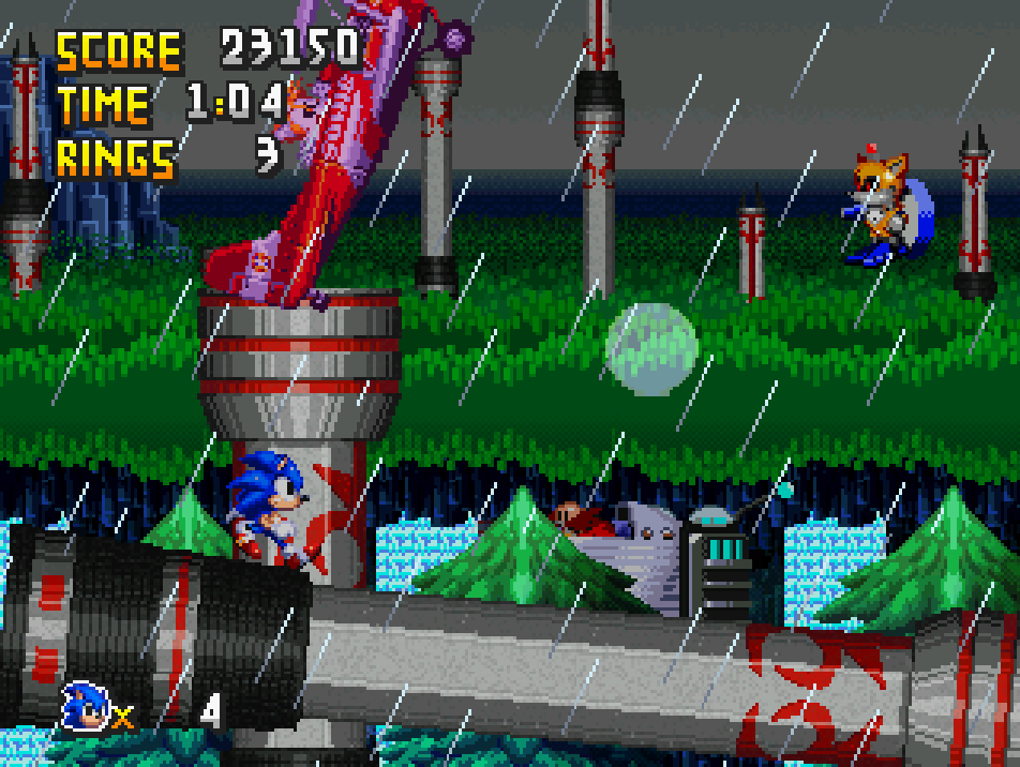
The game successfully captures the essence of the classic Sonic titles, retaining the tight controls, satisfying momentum, and the feeling of exhilarating speed that defined the Genesis era of Sonic games. However, Sonic After the Sequel doesn’t simply rehash the past. It introduces new mechanics and challenges that keep the gameplay fresh and engaging. For instance, some levels feature environmental puzzles that require players to utilize the environment and their understanding of Sonic’s capabilities to proceed. The inclusion of new power-ups and abilities adds further depth to the gameplay, allowing for varied approaches to each stage. The levels are meticulously designed, often incorporating creative uses of momentum and the player’s understanding of physics to navigate the intricate level designs. This adds another layer of challenge and reward for skillful players, while maintaining the accessibility of the original Sonic games.
A Nostalgic Journey Through Familiar and New Worlds
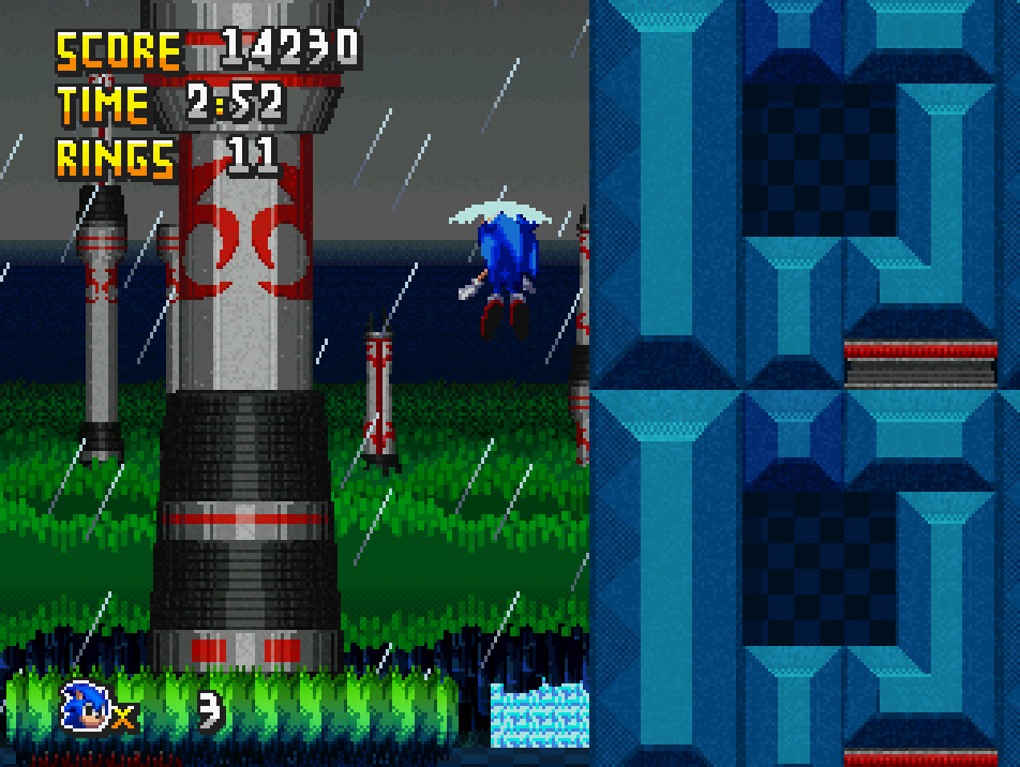
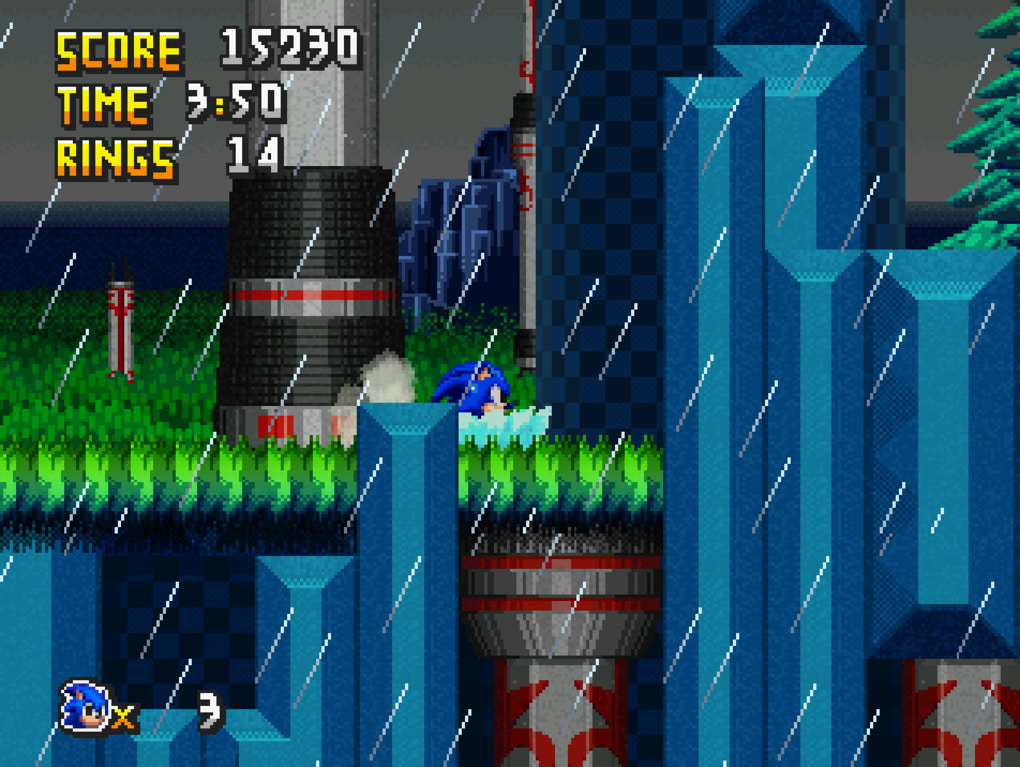
The game boasts a collection of captivating new zones, each brimming with unique visual styles and gameplay elements. These include the Storm Station Zone, characterized by its stormy weather conditions and dynamic hazards, the Dream Dance Zone, featuring a whimsical and surreal atmosphere, and the Moon Mansion Zone, a level set on the moon. The design of these new zones is faithful to the aesthetic of classic Sonic games but brings its own unique charm and challenges.
Beyond the new locales, Sonic After the Sequel generously pays tribute to the larger Sonic universe and beyond. The game features appearances from beloved characters like Mighty the Armadillo, bringing back a character who hadn’t been seen in many years. It also incorporates nods and Easter eggs referencing other Sega franchises, particularly the Kirby series and even references to other characters outside of Sega’s catalogue, such as Lilac the Dragon Girl from the Freedom Planet series. These subtle references delight longtime fans and provide an extra layer of enjoyment for those who appreciate the game’s attention to detail. This inclusion demonstrates both a love for classic gaming and a bold embrace of the larger video game community.
The inclusion of these elements strengthens the game’s connection to the overall Sonic legacy, creating a sense of familiarity and nostalgia for veteran players. The game’s creators have clearly poured immense effort into recreating the feeling of playing a classic Sonic game, paying attention to even the smallest details to ensure authenticity. This attention to detail is evident in the level design, the character animations, and the overall tone and feel of the game. It’s a love letter to classic Sonic games, expertly crafted by fans who deeply understand and appreciate the source material.
Beyond the Gameplay: Story and Narrative
While the focus remains firmly on the gameplay, Sonic After the Sequel also features a compelling narrative that expands upon the established Sonic lore. The story picks up immediately after the events of Sonic the Hedgehog 2, continuing the established storyline and adding new layers to the ongoing conflict between Sonic and Dr. Eggman. The game doesn’t simply rehash existing plots; it introduces original plot points and develops characters in new ways, adding to the overall depth and richness of the Sonic universe. The narrative is well-paced and keeps players engaged, serving as a solid backdrop to the thrilling action.
While the narrative is not the primary focus, it successfully ties together the gameplay sections and provides a satisfying story arc that complements the action. The storyline serves as a framework for the gameplay, giving context to the player’s actions and providing a sense of purpose. The inclusion of original narrative elements allows for a uniquely fresh approach while maintaining the essence of the original games’ story arcs.
Reception and Legacy: A Testament to Fan Creativity
Sonic After the Sequel received overwhelmingly positive reception from Sonic fans and critics alike. The game was praised for its faithful recreation of the classic Sonic gameplay, its inventive level design, and its engaging narrative. Many reviewers highlighted the game’s impressive technical achievements, particularly considering that it was a fan-made project with limited resources. The game’s success is a testament to the skill and dedication of its creators. The game’s success also underscores the enduring appeal of the Sonic franchise and the power of fan-made content to expand and enrich the universe.
The game’s popularity is a testament to the enduring appeal of the classic Sonic games and the creativity of the fan community. Sonic After the Sequel demonstrates what can be achieved when passionate fans are given the tools and opportunity to create their own content based on a beloved franchise. The game’s widespread acclaim solidified its place in the pantheon of great Sonic fan games. The success of the game proved a model for future fan-made Sonic titles, encouraging other developers to create their own unique contributions to the franchise.
The game’s legacy continues to inspire and influence other fan-made Sonic games. Its success serves as a powerful example of the impact that well-executed fan projects can have on a beloved franchise. Many aspects of Sonic After the Sequel’s design and approach have been adopted and adapted by other fan developers, and the game remains a touchstone for many involved in the Sonic fan community.
Conclusion: A Must-Play for Sonic Fans
Sonic After the Sequel stands as a remarkable achievement in the world of fan-made games. It successfully captures the spirit of classic Sonic titles while introducing new and innovative ideas. The game’s compelling story, memorable level design, and nostalgic touches make it a must-play for any fan of the Sonic franchise. Its enduring popularity and influence within the fan community further cement its legacy as a landmark title in the history of Sonic fan games. The game serves as a testament to the power of fan creativity and the ongoing appeal of the beloved hedgehog and his adventures. For those seeking a nostalgic trip down memory lane or a fresh take on the classic Sonic formula, Sonic After the Sequel offers an unparalleled experience.
File Information
- License: “Free”
- Latest update: “July 15, 2022”
- Platform: “Windows”
- OS: “Windows 7”
- Language: “English”
- Downloads: “25.7K”
- Size: “151.97 MB”


