
Sonic Riders, a trial version PC game, marked a unique foray into the world of racing for the iconic Sega mascot, Sonic the Hedgehog. Released in 2011, the game offered a glimpse into a hoverboard-based racing experience that differentiated itself from the traditional side-scrolling platforming adventures Sonic was known for. While the trial version limited full access to the game’s content, it garnered considerable attention and downloads, establishing a foothold in the gaming market, particularly in the United States, Algeria, and Egypt. This review delves into the history, features, and reception of Sonic Riders, exploring its place within the broader Sonic universe and its impact on the racing game genre.
Gameplay and Mechanics: Hoverboarding into a New Dimension
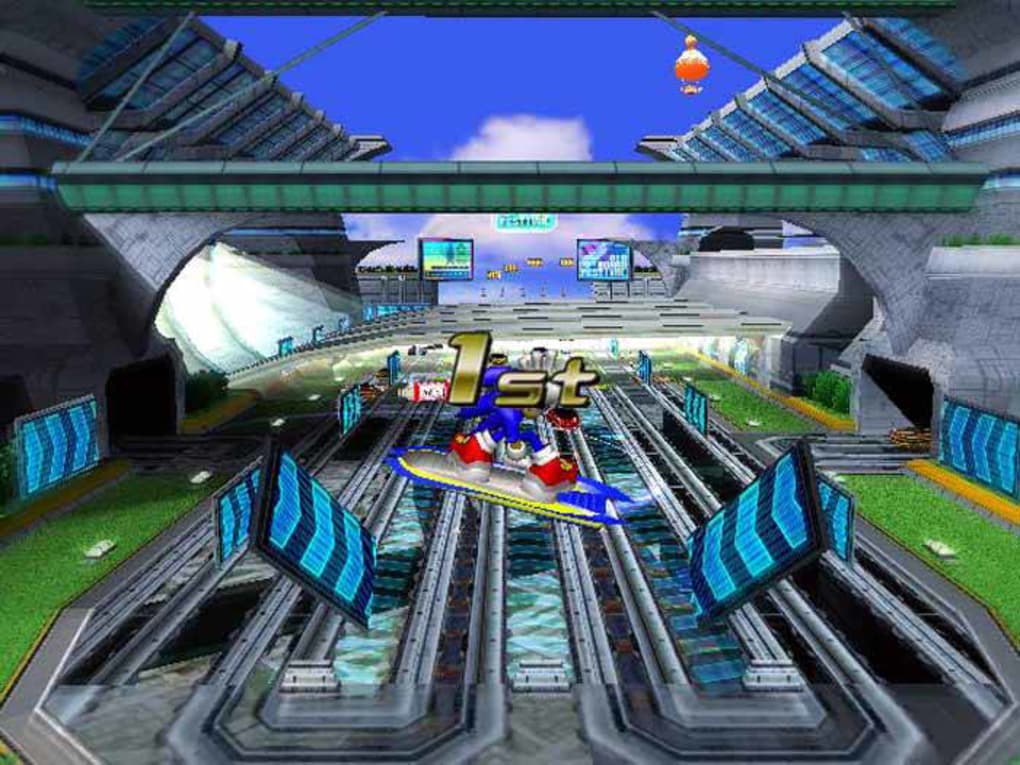
Sonic Riders departed significantly from the established Sonic formula. Instead of the classic high-speed running and platforming challenges, the game introduced hoverboards as the primary mode of transportation. Players chose from a diverse cast of characters, each with unique abilities and hoverboard characteristics, impacting speed, maneuverability, and special attacks. This change in gameplay dynamics introduced a new layer of strategy and skill, demanding players master the art of drifting, boosting, and utilizing special moves to maintain their lead and outmaneuver opponents.
The racing tracks themselves were designed to be visually striking and varied, encompassing diverse environments and challenging obstacles. While maintaining the characteristic speed and momentum associated with Sonic games, the introduction of hoverboards allowed for more verticality and exploration in level design. The tracks weren’t simply linear paths; they often incorporated loops, ramps, and shortcuts, encouraging players to experiment with different racing lines and strategies. This added layer of complexity shifted the focus from pure speed to skillful navigation and tactical decision-making.
The inclusion of special moves and power-ups added another dimension to the racing. Certain characters possessed unique special abilities, providing competitive advantages, and strategic item use could either hinder opponents or give players a critical boost. These elements transformed Sonic Riders from a simple race against the clock into a competitive contest, requiring players to manage speed, power-ups, and strategic maneuvers.
Character Roster and Customization: A Cast of Familiar and Unique Faces
Sonic Riders featured a diverse cast of characters, drawing from the established Sonic universe and introducing some new faces. Familiar characters like Sonic, Tails, and Knuckles returned, retaining their established personalities and iconic designs. The game also introduced new characters, such as Wave, Storm, and Jet, bringing fresh dynamics and unique playstyles to the roster. Each character possessed a specific hoverboard and set of abilities, offering players varied approaches to gameplay.
While the core roster was set, the game allowed for a degree of character customization, primarily through the use of power-ups and upgrades. Players could collect and equip various items that improved character stats, enhancing their performance in races. This element of customization allowed for a degree of personalization, enabling players to tailor their preferred character to suit their preferred playing style.
Reception and Legacy: A Mixed Bag of Opinions
Sonic Riders received a mixed reception upon its release. While the innovative hoverboard-based racing mechanic was praised by some as a fresh take on the Sonic formula, others criticized it for straying too far from the core gameplay that defined the franchise. The trial version, while providing a taste of the game, was frequently criticized for its limited content, leading many to call for a full version.
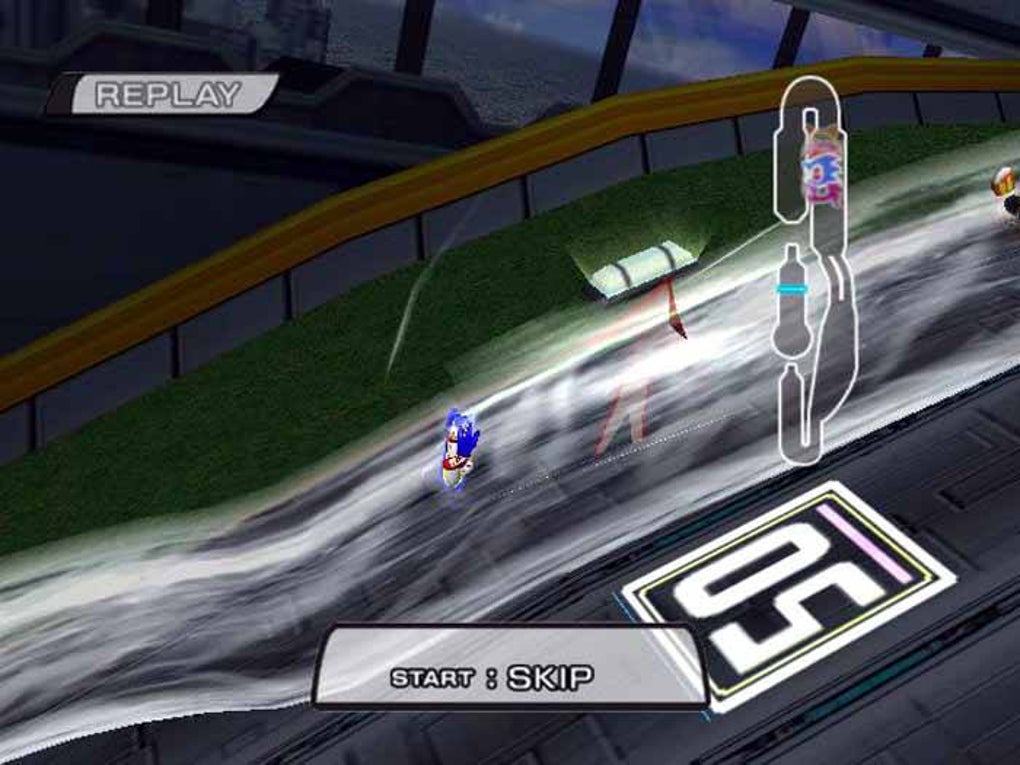
The game’s graphics were generally well-received, displaying vibrant colors and detailed environments. The sound design was also commended, providing a fitting soundtrack for the high-octane racing action. However, the controls were considered by some to be cumbersome, particularly for players accustomed to the more traditional Sonic gameplay mechanics.
The limited availability of the full game contributed to a certain degree of frustration among players, many of whom were only able to experience a small fraction of the complete game. The trial version’s limitations likely hampered its long-term popularity, preventing it from reaching the same level of acclaim as other entries in the Sonic franchise.
Comparison to Other Sonic Games: A Departure from Tradition
Sonic Riders represented a significant departure from the traditional side-scrolling platforming formula that characterized most Sonic games. While previous games focused on speed and precise platforming, Sonic Riders emphasized racing, skill-based maneuvers, and strategic decision-making. This shift in gameplay mechanics alienated some fans who preferred the classic Sonic experience but attracted others seeking a different type of Sonic adventure.
The introduction of hoverboards was a significant change, impacting not only the gameplay mechanics but also the level design. Tracks were designed to utilize the hoverboard’s capabilities, incorporating elements not seen in previous Sonic games. This shift in design philosophy reflected a conscious effort to explore new avenues within the Sonic universe.
Sonic Riders and the Racing Genre: A Niche within a Broad Market
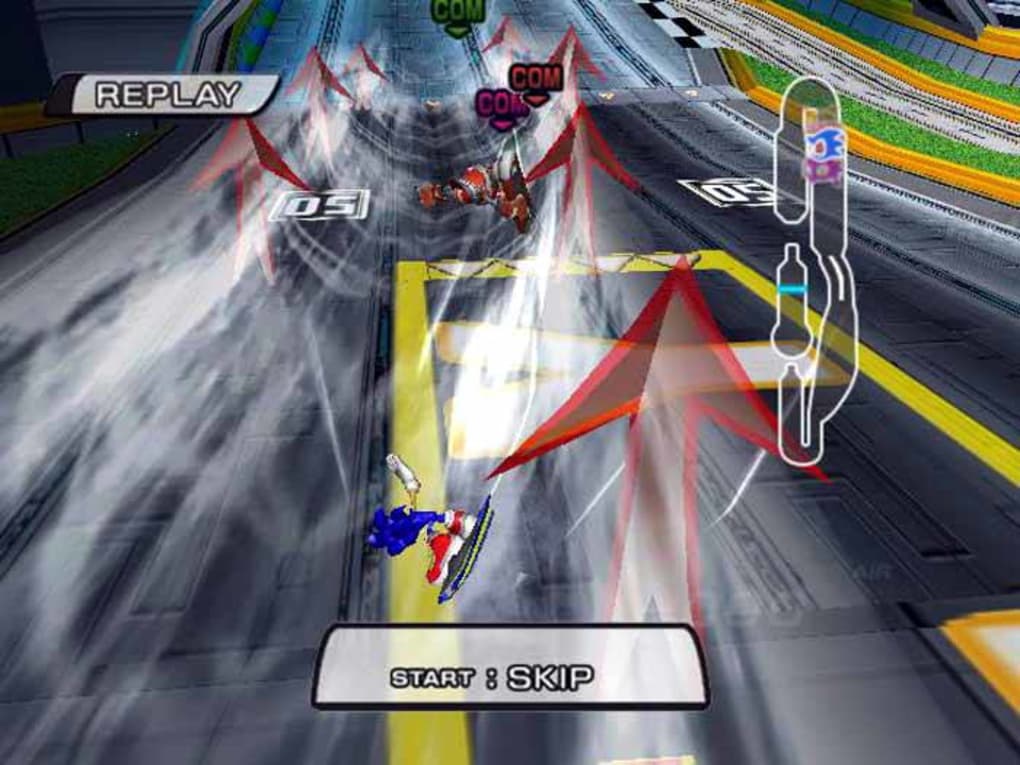
Sonic Riders contributed to the racing genre by introducing unique mechanics and a distinctive aesthetic. The hoverboard-based racing, combined with the recognizable Sonic characters, created a niche offering within a crowded market. While it didn’t achieve the same level of mainstream success as some other racing titles, its innovative gameplay and recognizable characters ensured a degree of lasting recognition within the Sonic community.
The game’s unique approach to racing, incorporating special moves and strategic item usage, differentiated it from more straightforward racing games. The combination of fast-paced action, strategic decision-making, and recognizable characters carved out a space for Sonic Riders within the broader racing genre landscape.
Conclusion: A Bold Experiment with a Limited Reach
Sonic Riders stands as a bold experiment within the Sonic universe, a foray into a different genre that, while not universally acclaimed, introduced a unique and memorable gameplay experience. The trial version served as a glimpse into a different facet of the Sonic world, one that relied less on traditional platforming skills and more on racing prowess and strategic thinking. While its limited availability and somewhat divisive gameplay mechanics may have hampered its overall success, Sonic Riders remains a noteworthy entry in the Sonic franchise, showcasing the willingness to explore new avenues and innovate within a well-established gaming world. Despite its flaws, the game remains a testament to the creative risks taken within the Sonic universe, a reminder that even departures from established formulas can yield interesting and memorable results, even if only on a smaller scale. The trial version of Sonic Riders, despite its limitations, ultimately left a lasting impression on those who played it, contributing to the rich and varied history of the iconic Sonic the Hedgehog franchise.
File Information
- License: “Trial version”
- Latest update: “February 13, 2019”
- Platform: “Windows”
- OS: “Windows 2000”
- Language: “English”
- Downloads: “78K”
- Size: “436.96 MB”


