
Sonic the Hedgehog 4, a title that evokes both nostalgia and a complex mix of emotions for long-time fans of the blue blur, marked a significant, albeit controversial, return to the franchise’s 2D roots. Released episodically across multiple platforms, including Android, iOS, and various consoles, the game aimed to recapture the magic of the classic Genesis/Mega Drive era while incorporating modern gaming sensibilities. However, its reception was far from unanimous, with praise and criticism often intertwined in equal measure. This review will delve into the game’s strengths and weaknesses, exploring why it remains a divisive entry in the Sonic canon.
Gameplay: A Nostalgic Trip with Modern Tweaks
Sonic the Hedgehog 4 attempted to faithfully recreate the high-speed, momentum-based gameplay that defined the original Sonic games. Players control Sonic as he sprints, spins, and jumps through meticulously designed levels, collecting rings and defeating enemies. The core mechanics remain largely true to the originals, with the familiar spin dash and homing attack making their return. However, the implementation of these classic moves, along with the introduction of newer mechanics, proved to be a point of contention.
While the basic movement felt familiar, the level design often deviated from the tightly-paced, interconnected levels of the Genesis games. Instead, Sonic the Hedgehog 4 frequently presented more linear levels with less emphasis on exploration and hidden pathways. This linear structure, while not inherently flawed, felt at odds with the sense of discovery and playful experimentation that characterized the best of the classic titles. Furthermore, the inclusion of new abilities, such as the ability to climb walls briefly using a newly implemented wall-climb mechanic, sometimes disrupted the flow of gameplay. While not always detrimental, these additions sometimes felt shoehorned in, failing to integrate seamlessly with the core mechanics.
The game’s physics engine also proved to be a subject of debate. While the overall speed and responsiveness were adequate, moments of imprecise control or unexpected momentum shifts could prove frustrating, especially during challenging sections. This occasionally resulted in a sense of unfairness, contrasting with the generally tighter control found in the Genesis titles, where precise movements were crucial for navigating tricky platforming segments.
Level Design: A Mixed Bag of Nostalgia and New Ideas
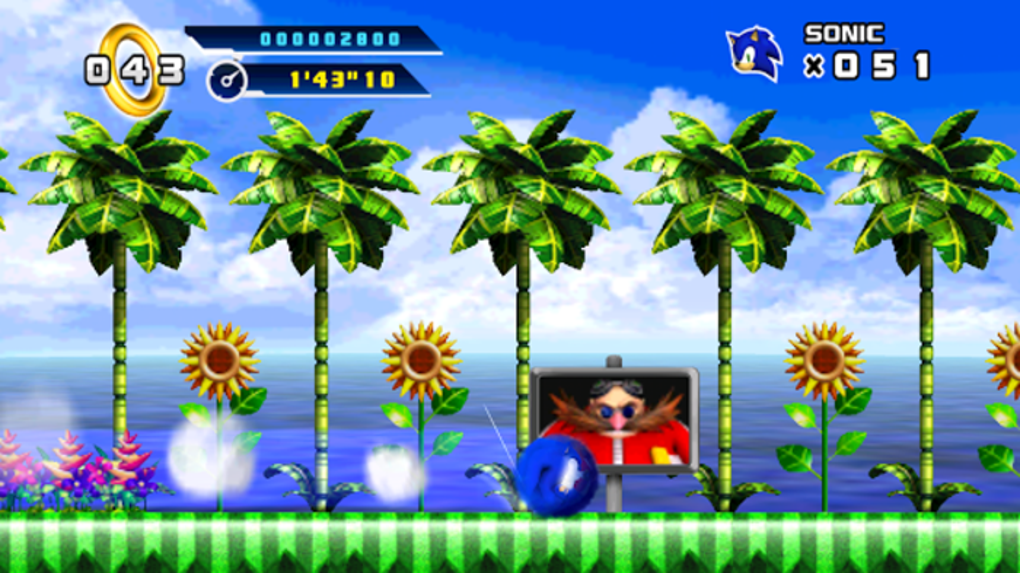
Sonic the Hedgehog 4 presented a collection of levels that aimed to capture the spirit of the classic games, often incorporating familiar visual motifs and level design elements. However, the execution was far from perfect. Some levels successfully captured the frantic energy and satisfying momentum of the best Sonic stages, offering a nostalgic rush of speed and precision. The inclusion of loop-de-loops, cleverly placed springs, and challenging platforming challenges provided plenty of opportunities for skillful play.
Conversely, other levels suffered from poor level design choices that resulted in frustrating gameplay experiences. Some stages were simply too long, dragging out the action and leading to a sense of repetition. Others lacked the inventive level design that characterized the best Sonic games, relying on repetitive patterns and predictable layouts instead. This inconsistency in quality led to a sense of unevenness throughout the game, with peaks of exhilarating gameplay often punctuated by troughs of mundane or tedious stretches.
Graphics and Sound: A Modern Interpretation of a Classic Aesthetic
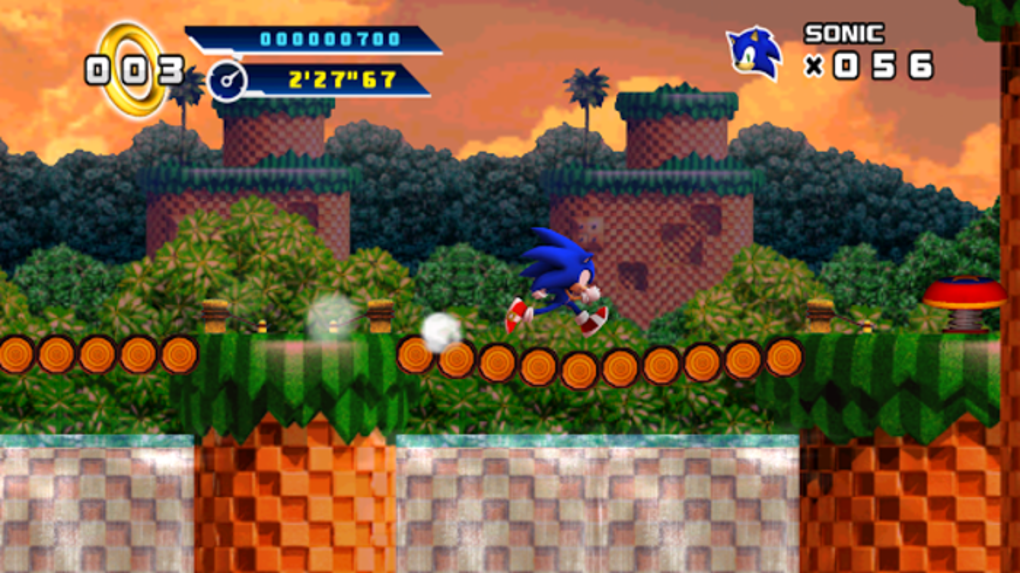
Visually, Sonic the Hedgehog 4 adopted a modern take on the classic Sonic aesthetic. The game’s sprites were noticeably sharper and more detailed than those of its predecessors, reflecting technological advancements while maintaining the distinctive look of the original games. The environments were vibrant and colorful, capturing the cartoony energy of the franchise. While the graphics were generally well-received, some criticized the character models, which occasionally looked stiff and unnatural compared to the fluid animation of the original games.
Similarly, the game’s soundtrack offered a mix of classic Sonic flair and contemporary influences. Some tracks were excellent, capturing the speed and energy of the gameplay, while others fell flat, lacking the memorable melodies and infectious energy that defined the music of the classic games. The soundtrack was a mixed bag, with some tracks proving memorable and enjoyable, while others blended into the background.
Reception and Legacy: A Divisive Entry in the Sonic Canon
Upon its release, Sonic the Hedgehog 4 received a mixed reception. While many long-time fans appreciated the attempt to revisit the franchise’s 2D roots, numerous complaints centered on the game’s inconsistent level design, frustrating physics, and occasionally questionable implementation of new mechanics. The episodic release model also drew criticism, with many feeling that the game should have been released as a single, complete package.
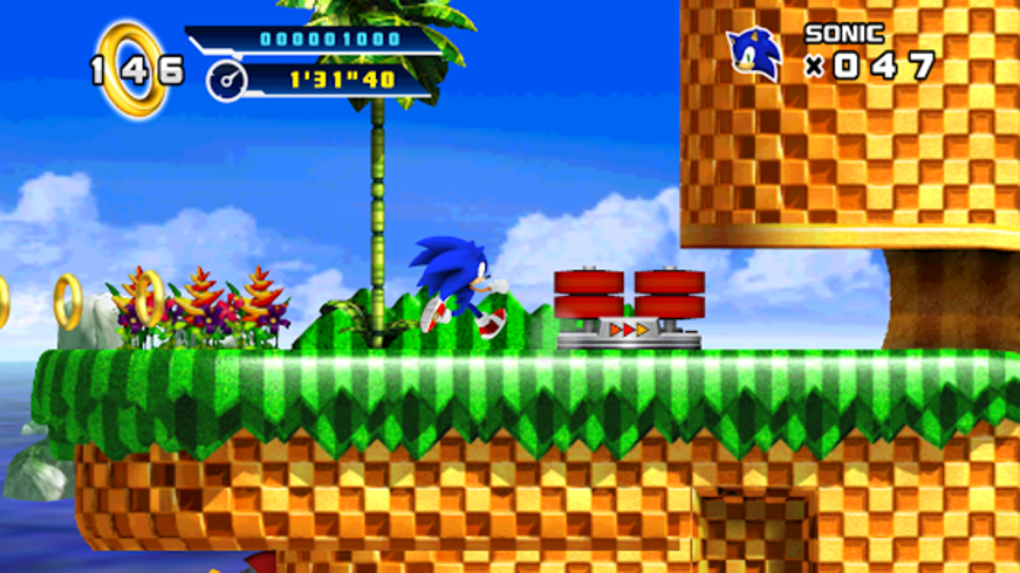
The game’s legacy remains complex and divisive. While it represents a sincere effort to recapture the spirit of the classic Sonic games, its execution often fell short of expectations. While some aspects, such as the updated visuals and soundtrack, succeeded in modernizing the franchise’s aesthetic, the core gameplay experience often felt uneven and inconsistent, failing to fully capture the magic of its predecessors.
The game’s reception highlighted the challenge of balancing nostalgia with modern gaming sensibilities. While recreating the feeling of the classic games was a worthy goal, Sonic the Hedgehog 4’s execution didn’t always strike the right chord, failing to achieve the seamless blend of familiar and new that would have elevated it to a truly great Sonic experience.
Conclusion: A Nostalgic Attempt with Unfulfilled Potential
Sonic the Hedgehog 4 is a curious case study in the challenges of revisiting beloved franchises. The ambition to recapture the magic of the classic Sonic games was evident, but the execution ultimately fell short in several key areas. While it offered moments of exhilarating speed and nostalgic charm, its flaws, including inconsistent level design, frustrating physics, and a somewhat clumsy integration of new mechanics, ultimately undermined the overall experience. It remains a divisive entry in the franchise’s history, a reminder that nostalgia alone isn’t enough to guarantee success and that faithful recreations require more than just superficial similarities to their predecessors. The game serves as a valuable lesson in the complexities of balancing innovation with the preservation of a beloved legacy. It shows the potential pitfalls of relying too heavily on nostalgia without carefully considering how to incorporate modern gaming expectations into a classic formula.
File Information
- License: “Full”
- Version: “1.5.0”
- Latest update: “May 23, 2023”
- Platform: “Android”
- OS: “Android 9.0”
- Language: “English”
- Downloads: “35.6K”
- Download Options: “Google Play”


