
Soulseek, a veteran in the world of peer-to-peer (P2P) file sharing, has carved a unique niche for itself, primarily known for its music sharing capabilities and vibrant community. Unlike many of its contemporaries that have faded into obscurity or succumbed to legal pressures, Soulseek continues to thrive, albeit within a more focused and self-regulated ecosystem. This article explores the history, functionality, community aspects, and legal considerations surrounding Soulseek.
The Soulseek Experience: A User’s Perspective
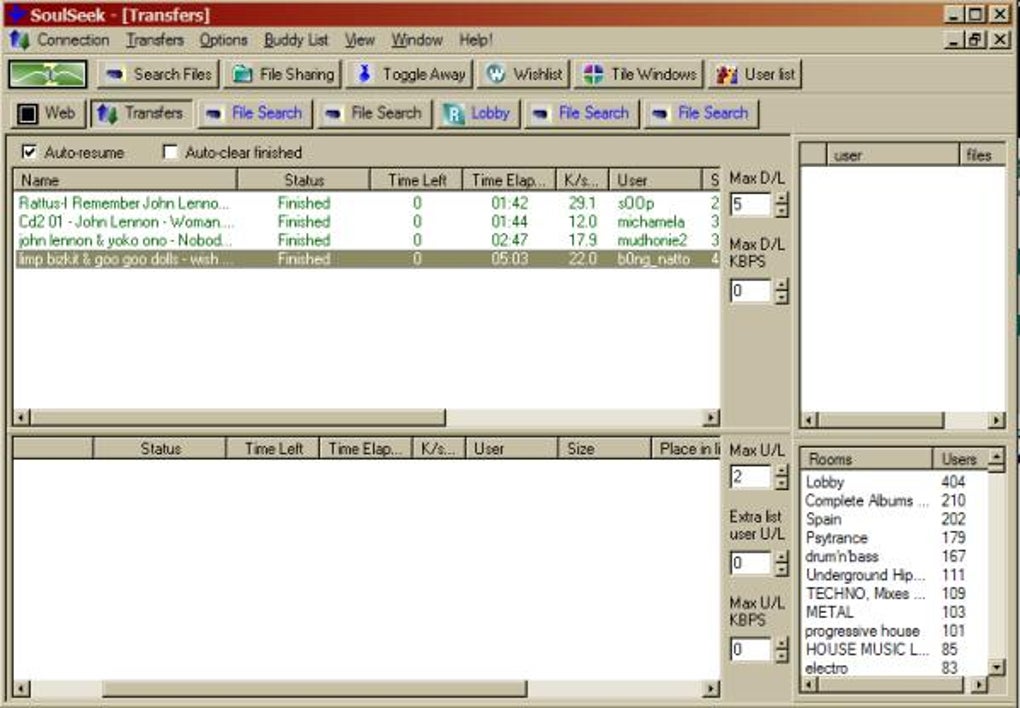
Soulseek distinguishes itself through its ad-free and spyware-free environment. This commitment to a clean experience, coupled with its ease of use, has fostered a loyal user base. The platform’s core function is straightforward: users can search for and download files, primarily music, from other users’ libraries. The sheer volume of music available, ranging from mainstream hits to obscure and independent tracks, is often cited as a major draw. This extensive catalog, built and maintained by its users, forms the foundation of Soulseek’s appeal.
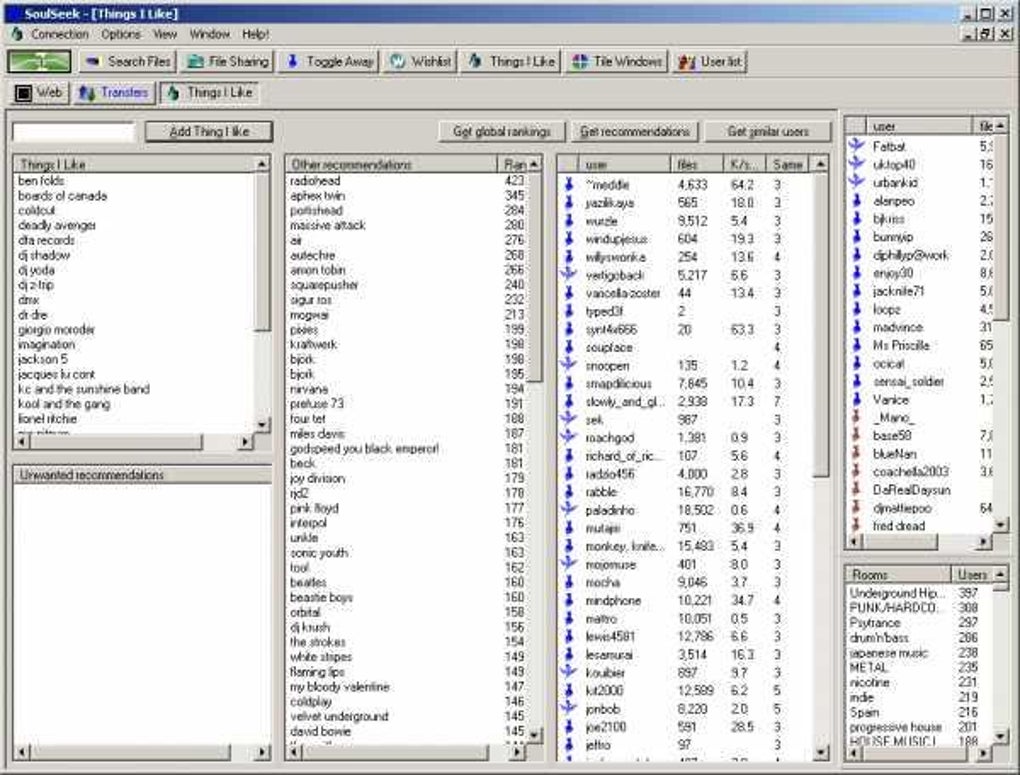
Beyond the straightforward file sharing, Soulseek fosters a strong sense of community. Users aren’t simply anonymous downloaders; they’re part of a network connected through shared interests. This connection manifests in several ways. Users can create and join virtual rooms centered around specific genres, artists, or even just general discussion. These rooms provide opportunities to interact with fellow music enthusiasts, exchange recommendations, and discover new music. The real-time chat feature embedded within these virtual rooms further facilitates interaction and collaboration, building a sense of community that is rarely replicated in other P2P platforms.
However, the user experience isn’t entirely without its complexities. One common criticism relates to the platform’s interface. While functional, it isn’t as sleek or intuitive as many modern applications. The initial learning curve might seem steeper for newcomers compared to more streamlined P2P clients. Another potential drawback is the potential for encountering unwanted software bundled with downloads. While Soulseek itself is clean, users need to remain vigilant when selecting files to download, carefully checking the file names and descriptions to avoid unintended installations.
The Technology Behind Soulseek: A Peer-to-Peer Architecture
Soulseek operates on a decentralized peer-to-peer (P2P) network. Unlike centralized platforms that rely on a single server to manage files and connections, Soulseek’s architecture distributes the responsibility across its users. Each user’s computer acts as a node on the network, sharing their files directly with others who request them. This decentralized nature enhances the network’s resilience. No single point of failure exists, making it less susceptible to takedown efforts compared to centralized platforms that could be shut down by legal action or server outages.
The peer-to-peer structure is also closely linked to Soulseek’s community-driven aspect. Each user contributes to the network’s overall functionality, and the collective sharing of files forms the backbone of Soulseek’s extensive library. This shared responsibility, however, also necessitates a certain degree of self-governance. The platform’s user base plays a crucial role in maintaining the network’s health and integrity. It is a self-policing community, with users reporting inappropriate behavior and potentially harmful files, contributing to a generally safer environment.
The Soulseek Community: A Hub for Music Lovers and Independent Artists
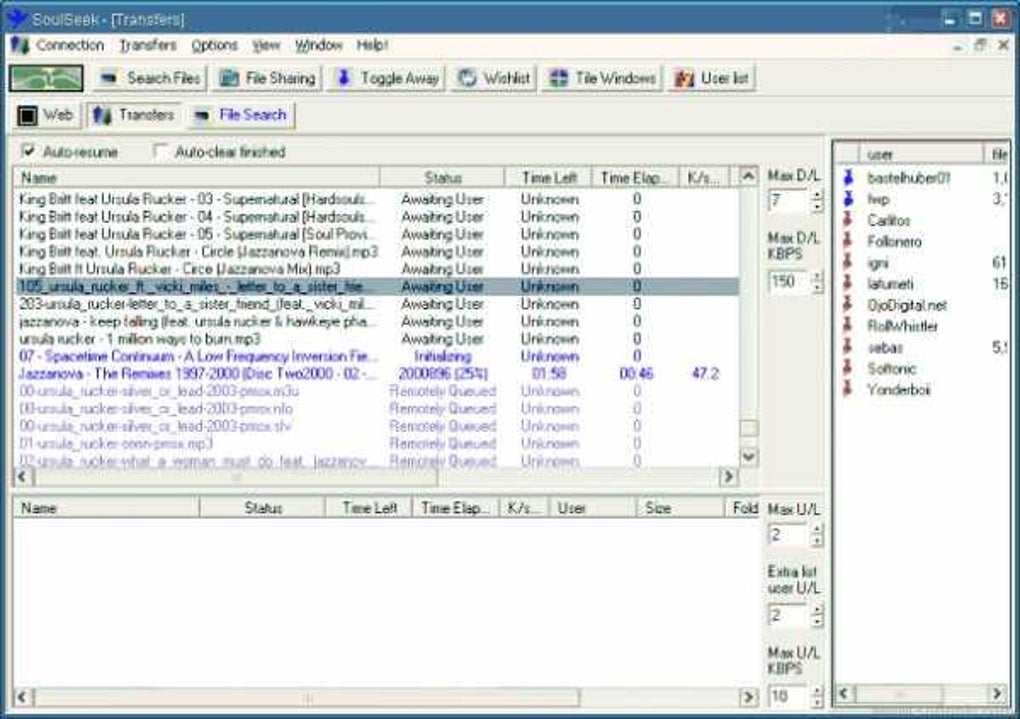
The Soulseek community is arguably its most unique and defining feature. The platform has cultivated a strong sense of shared passion for music, particularly among those who appreciate independent artists and less mainstream genres. Unlike commercial music platforms that primarily focus on established artists and chart-topping hits, Soulseek’s user-driven library contains a wealth of lesser-known music, offering a treasure trove of discoveries for dedicated music fans.
This community isn’t simply about downloading; it’s about connecting with like-minded individuals. The virtual rooms function as hubs for discussion, recommendations, and the exchange of musical knowledge. This aspect of Soulseek is vital in sustaining the platform’s longevity and appeal. The sense of community helps create a more welcoming and collaborative environment than many other file-sharing platforms. The direct interaction between users fosters a level of trust and encourages responsible sharing within the confines of the platform’s regulations.
For independent and unsigned artists, Soulseek offers a unique opportunity to reach a potentially large audience without needing to rely on major labels or streaming services. Users frequently share their own original music, providing a platform for exposure and feedback. This aspect contributes to Soulseek’s reputation as a space for nurturing creativity and musical exploration, fostering a supportive environment for musicians who might struggle to gain visibility through more traditional channels.
Legal Considerations and Copyright Concerns
Soulseek’s existence within the legal landscape of copyright law is a complex issue. While the platform itself doesn’t endorse or condone the sharing of copyrighted material, the decentralized nature of its network makes it challenging to fully regulate the content shared among its users. The platform clearly states that users are solely responsible for ensuring the legality of the files they share and download. Users are expected to adhere to copyright laws and only share files they have the right to distribute.
However, the inherent difficulties in monitoring the vast amounts of data exchanged across the peer-to-peer network mean that copyright infringement is a potential risk. This has led to legal challenges and discussions surrounding Soulseek’s legality in various jurisdictions. While the platform itself may not be directly implicated in copyright infringement, individual users could face legal repercussions for sharing copyrighted material without permission. This inherent uncertainty remains a significant aspect of the platform’s operation, urging users to be mindful of the legal implications of their actions.
The future of Soulseek, like that of many P2P platforms, remains uncertain. The evolving digital landscape, with the rise of streaming services and stricter copyright enforcement, presents ongoing challenges. However, the platform’s unique community, commitment to ad-free operation, and focus on independent artists contribute to its continued resilience. Whether Soulseek can maintain its position within the increasingly regulated world of digital content distribution depends largely on the continued engagement of its user base and its capacity to adapt to the ever-changing environment of online content sharing.
File Information
- License: “Free”
- Latest update: “July 23, 2024”
- Platform: “Windows”
- OS: “Windows 98 SE”
- Language: “English”
- Downloads: “349.8K”
- Size: “11.75 MB”


