
Spark is more than just an email client; it’s a comprehensive communication tool designed to simplify and streamline the often overwhelming task of managing emails and instant messages. This detailed review explores Spark’s features, strengths, and weaknesses, offering a comprehensive look at its capabilities for both personal and professional use. While initially designed as a local area network (LAN) instant messaging client, Spark has evolved to encompass robust email management capabilities, making it a versatile solution for individuals and small businesses alike.
Streamlining Email Management: Spark’s Core Functionality
In today’s fast-paced digital world, email has become an indispensable communication tool. However, the sheer volume of emails received daily can quickly become overwhelming. Spark tackles this challenge head-on by employing a smart, intuitive approach to email organization. Instead of forcing users to manually sift through countless messages, Spark leverages intelligent algorithms to prioritize incoming emails based on personalized preferences and perceived importance.
This prioritization system neatly categorizes emails into three distinct groups: “Notifications,” “Newsletters,” and “Personal.” “Notifications” typically include urgent or time-sensitive messages, ensuring crucial communications aren’t overlooked. “Newsletters” group subscription emails and promotional materials, providing a dedicated space for less urgent correspondence. Finally, “Personal” encompasses emails deemed significant based on the user’s interactions and preferences. This intelligent sorting drastically reduces the time spent sorting through emails, focusing the user on the most important messages first.
Spark further enhances email management efficiency through the use of push notifications. These real-time alerts for high-priority emails ensure that critical information is received immediately, eliminating the need for constant email checking. This feature is particularly beneficial for busy individuals and professionals who need to stay connected and informed without being constantly distracted.
Beyond prioritization and notifications, Spark also boasts a powerful natural language search function. Users can quickly locate specific emails by searching for keywords, such as a name, subject line, or even a single letter. This intuitive search capability drastically reduces the time and effort needed to find specific emails within a large inbox.
Additional email management features available within Spark include the ability to create customized email signatures, enhancing professionalism and brand consistency. Furthermore, Spark facilitates the scheduling and sending of personalized calendar invites, simplifying the process of coordinating meetings and events.
Spark as a Powerful Instant Messaging Client
Initially conceived as a LAN-based instant messaging (IM) client, Spark provides a robust communication platform for local network environments, particularly suitable for organizations such as schools and companies. While users can opt for popular IM programs like Yahoo! Messenger or Microsoft Live Messenger, Spark offers several advantages. Its speed and enhanced security make it an attractive alternative for organizations concerned about data privacy and efficiency.
Spark leverages the Jabber protocol, which offers flexibility in network configuration. This protocol supports both private and public networks, depending on the server-side plugins installed. This adaptability makes Spark suitable for a range of network environments, accommodating varied security and accessibility requirements.
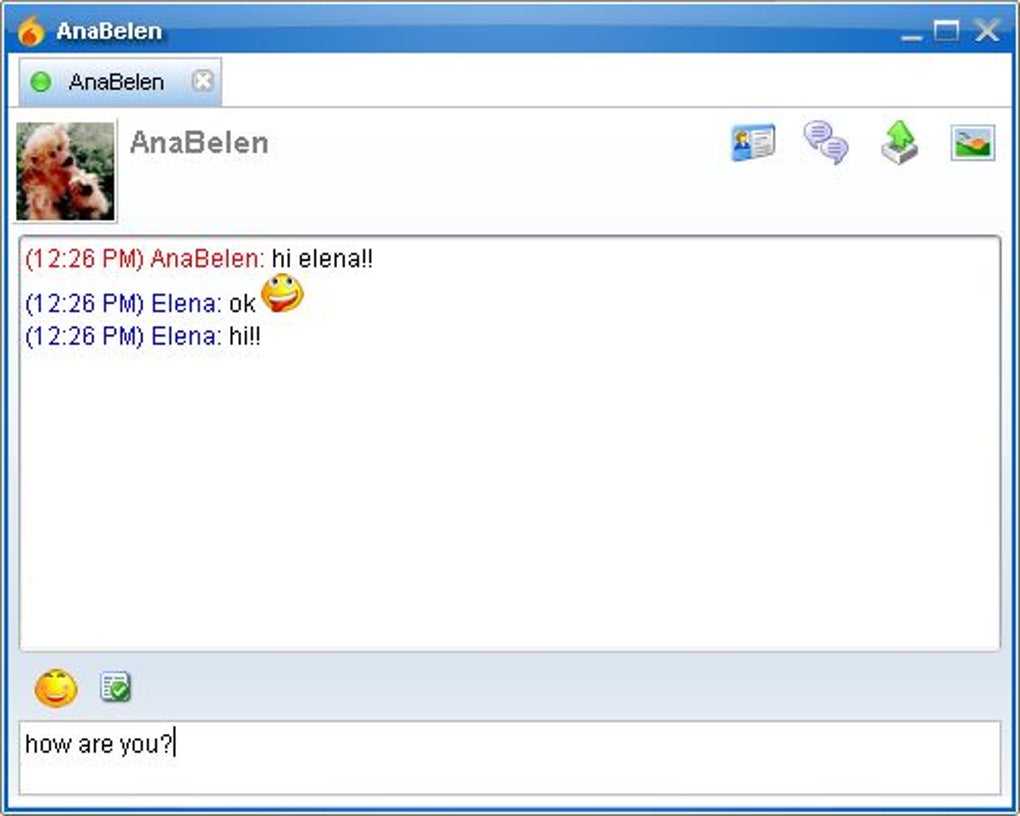
The user interface is a noteworthy aspect of Spark’s design. Its clean and visually appealing layout enhances usability, making communication enjoyable and efficient. Features such as integrated emoticon sets and a color-coded status system (online, away, busy, etc.) contribute to a more engaging and intuitive user experience.
Spark surpasses many LAN clients in terms of functionality. It provides a range of features not typically found in comparable applications. These features include:
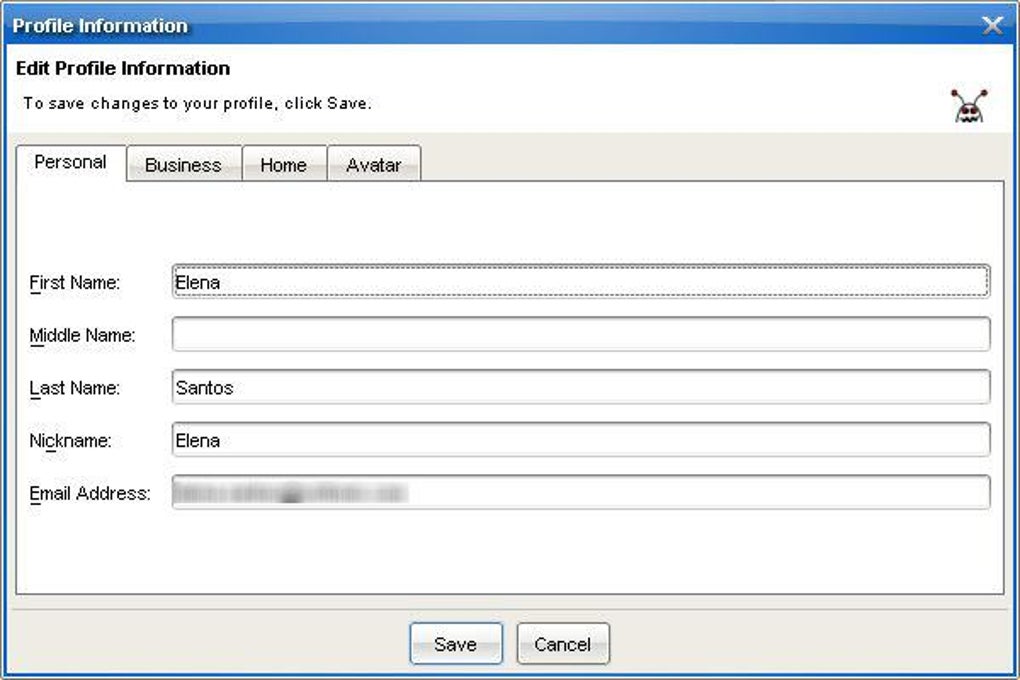
- Avatar Support: Users can personalize their profiles with avatars, promoting a more personal and identifiable communication experience.
- Conference Rooms: Spark facilitates group chats and virtual meetings, enhancing collaborative communication.
- Voice Chat: Enables real-time voice communication, adding another dimension to instant messaging.
- Spell Check: Helps ensure clear and error-free communication, boosting professionalism.
- Screen Capture and Sharing: This unique feature allows users to capture screenshots and send them directly to contacts, facilitating seamless information sharing.
Furthermore, Spark includes several supplementary tools that enhance productivity. These include a basic note editor for jotting down quick ideas or reminders, and a task list to manage to-dos efficiently.
Addressing Spark’s Limitations
While Spark offers a compelling suite of features, it’s not without its shortcomings. Certain areas require improvement to elevate the user experience. One prominent issue is the contact management system. Users have reported difficulties organizing contacts into groups, with instances of groups disappearing and requiring a program restart to recover. This instability in contact management is a significant flaw that needs addressing.
Furthermore, the configuration settings within Spark could benefit from expansion. The lack of customization options, such as the inability to alter font styles and colors or hide offline contacts, limits personalization and user preference adjustments. These limitations restrict the ability to tailor the application to individual user needs and preferences.
Spark’s Evolution and Future Prospects
The software’s history shows a continuous evolution, with updates addressing bugs and introducing new features. Past updates included improvements such as displaying JID (Jabber ID) for empty roster items, updated avatar size options, expanded transport protocol support (Gadu-Gadu, IRC, SIMPLE), enhanced status message display, and open-sourcing the SIP phone plugin. This ongoing development demonstrates a commitment to refining and improving the platform.
However, future development should focus on enhancing the stability and functionality of contact management, as well as providing more comprehensive configuration settings to allow for greater user personalization. Addressing these limitations would greatly enhance the user experience and solidify Spark’s position as a leading email and instant messaging client.
Conclusion: Spark’s Place in the Communication Landscape
Spark presents a strong contender in the crowded landscape of email and instant messaging clients. Its intelligent email prioritization, efficient search functionality, and robust IM capabilities make it a compelling option for both personal and professional use. The intuitive interface and supplementary tools further enhance its appeal. However, certain limitations, particularly concerning contact management and configuration options, need to be addressed to fully optimize its potential. Despite these shortcomings, Spark remains a valuable communication tool, particularly suitable for users who value efficiency and a streamlined communication experience within a LAN environment. The continued development and expansion of its features suggest a promising future for this versatile platform.
File Information
- License: “Free”
- Latest update: “June 24, 2023”
- Platform: “Windows”
- OS: “Windows 2003”
- Language: “English”
- Downloads: “258.3K”
- Size: “61.87 MB”


