
Spectre Divide burst onto the gaming scene with a promise of fast-paced, skill-based tactical combat, boasting fluid movement, satisfying gunplay, and a minimalist aesthetic that prioritized the core gameplay experience. However, despite its strong foundation, the game’s short lifespan highlights the precarious nature of the competitive gaming market and the challenges faced by smaller development studios. This review will examine Spectre Divide’s strengths and weaknesses, exploring why this promising title ultimately fell victim to circumstance.
Polished Combat and Strategic Design
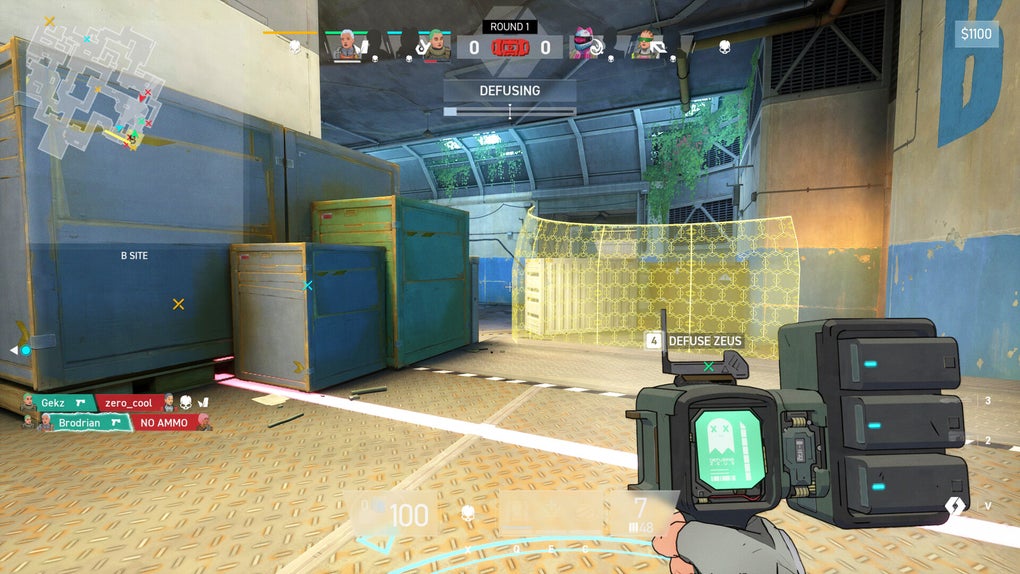
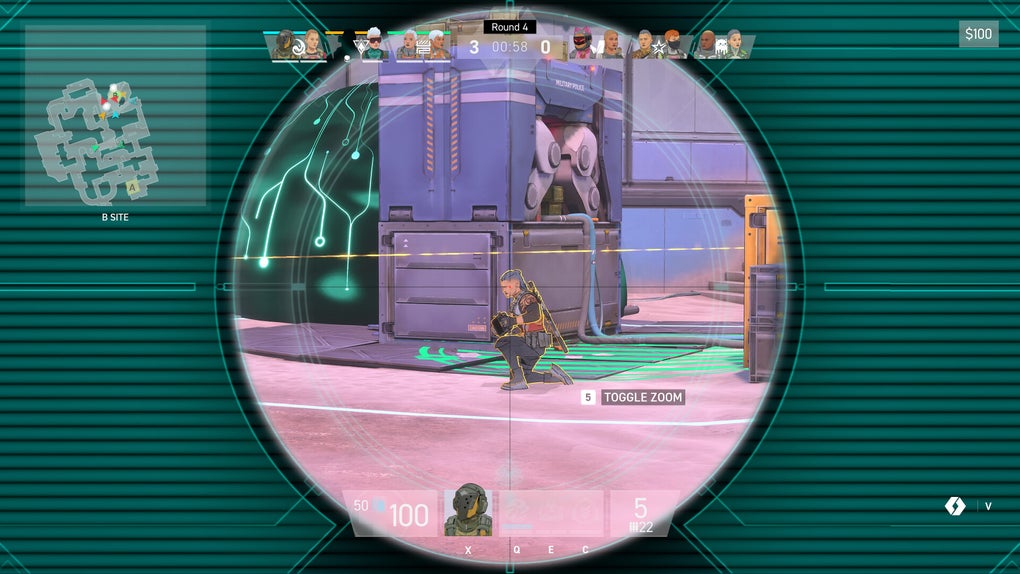
At its heart, Spectre Divide excelled in its core mechanics. The combat was incredibly fluid, rewarding precision and strategic thinking over simple button-mashing. Players experienced satisfying gunplay, enhanced by responsive controls that allowed for quick reactions and precise aiming. The minimalist user interface (UI) avoided cluttering the screen, keeping the focus firmly on the action and enhancing the immersive experience. This design choice, while potentially limiting for some, contributed significantly to the clean and focused nature of the gameplay.
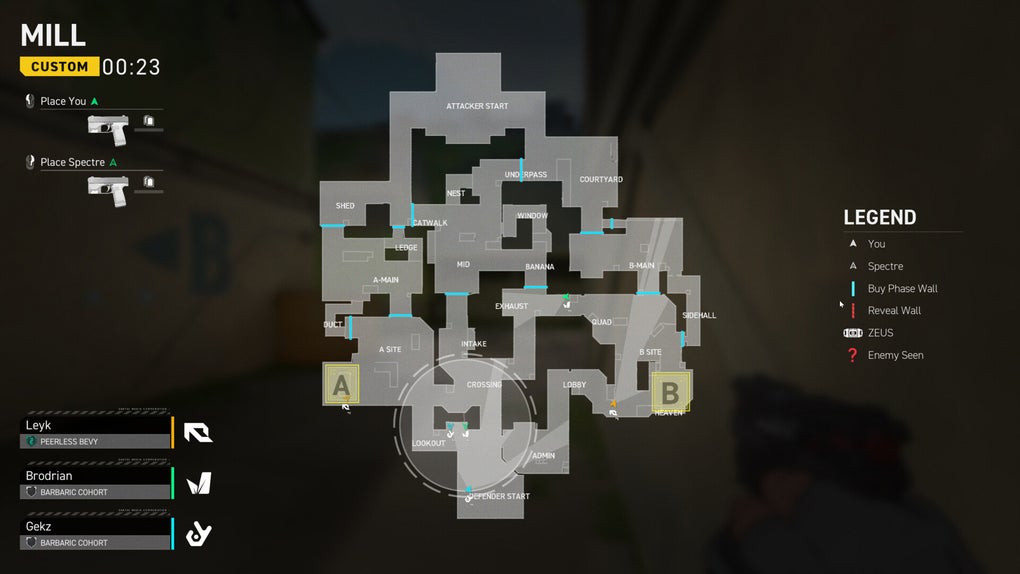
The maps themselves were meticulously crafted to encourage tactical team play. Instead of sprawling environments ripe for chaotic engagements, Spectre Divide featured smaller, more tightly designed arenas. These maps incentivized strategic positioning, coordinated maneuvers, and smart use of cover, transforming each firefight into a calculated dance of skill and teamwork. The emphasis on strategic gameplay set Spectre Divide apart from many other fast-paced shooters, demanding more than just reflexes from its players. Success hinged on understanding the map layout, anticipating enemy movements, and coordinating effectively with teammates. This strategic depth significantly contributed to the game’s replayability, encouraging players to refine their tactics and master the intricacies of each map.
Visual Style and Identity
Beyond its mechanics, Spectre Divide distinguished itself through its unique visual style. The game’s aesthetic was clean and stylish, presenting a visually appealing experience without sacrificing performance. The developers achieved a balance between realism and stylization, resulting in a distinct look that made Spectre Divide instantly recognizable. The minimalist approach extended to the game’s overall presentation, which helped to maintain a sense of focus and enhance the intensity of the gameplay.
Limited Content and Short Lifespan
Despite its undeniable strengths, Spectre Divide ultimately suffered from a critical flaw: a lack of content at launch. The game shipped with a relatively small number of maps and minimal progression systems, limiting its long-term appeal. This scarcity of content directly impacted player engagement, particularly in a competitive market saturated with established titles offering far more expansive experiences. The absence of substantial progression systems, including unlockable content or character customization, further hampered the game’s ability to retain players over time. Many gamers found that, once the initial novelty wore off, there was simply not enough to keep them coming back for more.
Adding to these issues, Mountaintop Studios, the game’s developer, faced a sudden and unexpected closure shortly after Spectre Divide’s release. This unforeseen event effectively brought an abrupt end to the game’s lifespan, preventing the addition of new content and updates that could have addressed the issues of limited content and longevity. This unfortunate circumstance serves as a cautionary tale within the gaming industry, highlighting the vulnerability of smaller studios operating in a highly competitive and often unpredictable marketplace.
The Missed Potential
Spectre Divide’s premature demise is a tragedy for several reasons. The game had a solid core: polished combat, a unique visual identity, and a clear focus on tactical teamplay. These fundamentals laid the groundwork for a potentially successful title, but unfortunately, good mechanics alone weren’t enough to overcome the limitations of a limited content offering and the unpredictable nature of the gaming industry. The game’s short lifespan prevented it from reaching its full potential, denying players the opportunity to experience the evolution and expansion that might have made Spectre Divide a truly enduring title. The impact of its sudden closure resonates deeply, especially for those who invested time and enjoyed the refined gameplay experience during its brief existence.
Lessons Learned from Spectre Divide’s Demise
The story of Spectre Divide serves as a poignant reminder of the challenges faced by independent game developers. While the game’s core mechanics were undeniably strong, the lack of substantial content at launch, combined with the unforseen closure of the development studio, proved fatal. This underscores the importance of careful planning, strategic resource allocation, and a clear long-term vision for any game, particularly in the competitive landscape of the gaming market. The emphasis on creating a captivating and sustainable experience, beyond just the core gameplay loop, is crucial for ensuring a game’s longevity. For smaller studios, securing adequate funding, building a strong community, and actively responding to player feedback are all essential factors in navigating the inherent risks of game development. The potential of Spectre Divide remains a reminder of the delicate balance between creating a high-quality game and ensuring its long-term success.
Spectre Divide’s Technical Specifications
- License: Full Version
- Platform: Windows, PlayStation 5, Xbox Series X|S, PC
- Price: Paid
- Language: English, French, Italian, German, Spanish, Chinese, Korean, Japanese, Polish, Russian, Portuguese
- Latest Update: May 21, 2025
- Developer: Mountaintop Studios
User Reviews and Community Feedback
At the time of its release, Spectre Divide garnered positive feedback for its polished combat and strategic gameplay. However, the limited content was a recurring criticism, with many players expressing disappointment at the lack of long-term progression and a limited number of maps. The absence of significant post-launch support and the sudden studio closure further exacerbated negative sentiment within the player base. The overall lack of significant user reviews reflects the game’s short lifespan and limited exposure. The few reviews available were generally positive regarding core gameplay, highlighting the game’s potential and expressing regret over its premature end. The lack of broader community engagement is directly related to the game’s swift removal from the market.
Conclusion: A Flash of Brilliance, Too Soon Gone
Spectre Divide, despite its short-lived existence, showcased a polished and unique gameplay experience. The tactical combat and strategic map design were well-executed, creating an engaging and rewarding experience for players during its brief tenure. However, the limited content and unfortunate circumstances surrounding its developer’s closure prevented it from reaching its full potential. Spectre Divide’s story serves as a sobering reminder of the challenges in the gaming industry, especially for smaller developers striving to make their mark in a highly competitive landscape. It remains a testament to the fact that even a game with exceptional core mechanics needs more than just polish to truly thrive in the long term. The game’s sudden disappearance left a noticeable gap in the market for a tactical shooter with such refined gameplay, illustrating the unpredictable nature of the gaming world and the sometimes-fragile existence of promising titles.
File Information
- License: “Full”
- Version: “varies-with-devices”
- Latest update: “May 21, 2025”
- Platform: “Windows”
- OS: “Windows 10”
- Language: “English”
- Downloads: “675”


