SpongeBob’s Evil Clone is a free-to-play indie horror survival game that takes the familiar, cheerful world of Bikini Bottom and plunges it into a nightmarish alternate reality. Developed by Code Chaos Games, this unsettling experience departs drastically from the lighthearted nature of the original SpongeBob SquarePants franchise, offering players a chilling exploration of a grotesque and puzzle-filled environment. Instead of the usual slapstick comedy and underwater adventures, players are confronted with a disturbingly warped version of their beloved cartoon characters and a relentlessly unsettling atmosphere. The game relies heavily on psychological horror, using familiar imagery twisted into something terrifying to create a sense of unease and dread.
A Krabby Patty Nightmare
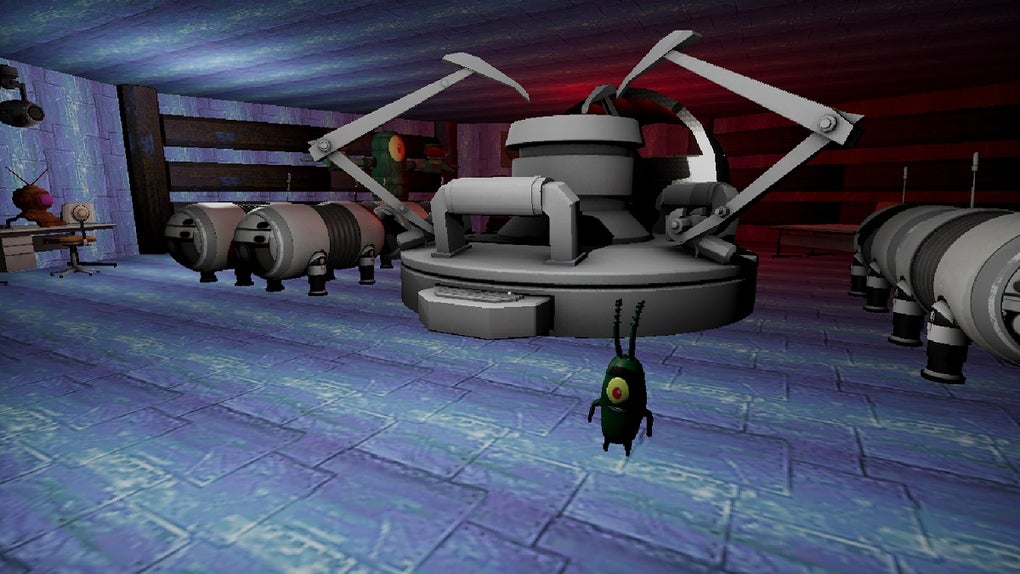
The game’s premise is deceptively simple. The player, driven by an overwhelming craving for a Krabby Patty, finds themselves inexplicably transported to a horrifying, distorted version of Bikini Bottom. This abrupt shift from the mundane to the monstrous immediately establishes the game’s unsettling tone. The familiar locations are twisted and grotesque, recognizable yet utterly alien. The vibrant colours of the original cartoon are replaced by a muted, desaturated palette that amplifies the sense of dread and foreboding. The transition isn’t gradual; it’s instantaneous and jarring, effectively throwing the player directly into the heart of the nightmare.
This sudden shift into the uncanny mirrors the psychological horror elements at the game’s core. The familiarity of SpongeBob’s world is deliberately used to unsettle the player. The twisted, nightmarish version of Bikini Bottom plays on our pre-existing knowledge and fondness for the cartoon, making the grotesque transformation all the more impactful and disturbing. It’s a jarring experience that underscores the game’s intention to unsettle and disturb rather than simply entertain.
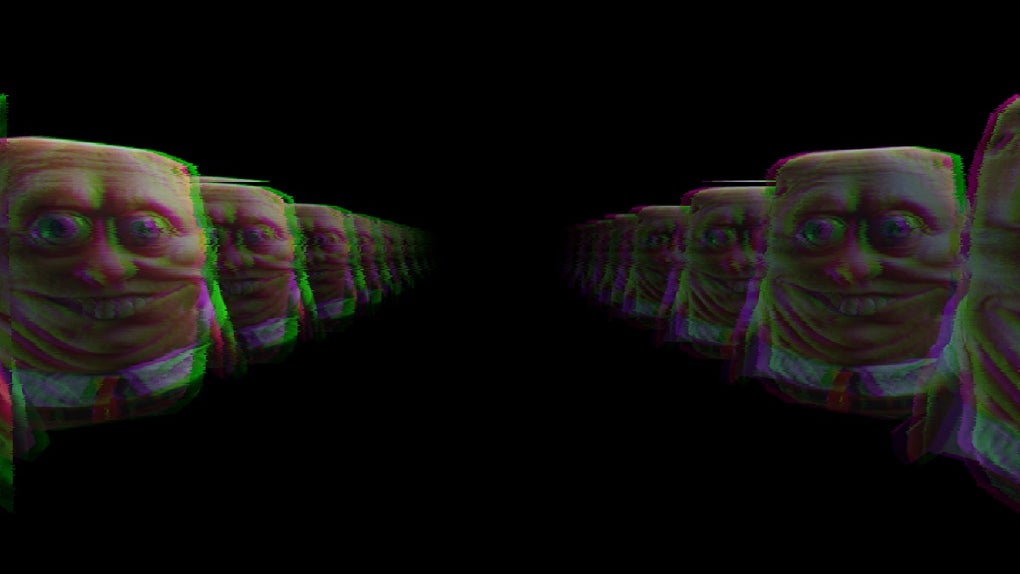
The gameplay itself is centred around exploration and puzzle-solving. The player must navigate this unsettling world, solving cryptic puzzles and overcoming various obstacles. These challenges are designed to heighten the sense of unease and vulnerability. Simple tasks, like deciphering wall inscriptions, become fraught with tension as the player’s surroundings constantly threaten to overwhelm them. The game’s atmosphere is carefully crafted to amplify these feelings, using sound design and visual cues to consistently maintain a sense of unease.
Navigating the Grotesque: Challenges and Obstacles
The challenges encountered in SpongeBob’s Evil Clone are varied, ranging from deciphering cryptic symbols scrawled on the walls to navigating treacherous obstacles such as giant rolling blocks and claustrophobic corridors filled with unsettling imagery. These puzzles aren’t merely intellectual exercises; they are integral to the game’s unsettling atmosphere. The player’s constant struggle to overcome these obstacles reflects their struggle against the nightmarish reality they’ve been thrust into. The very act of solving a puzzle becomes a moment of temporary reprieve amidst the pervasive sense of dread.
The game’s design cleverly incorporates elements of psychological horror, often using the familiar to create the unsettling. Imagine, for instance, traversing a hallway lined with human skulls, a stark contrast to the lighthearted imagery usually associated with the SpongeBob universe. These moments of jarring juxtaposition are deliberate, designed to shock and unsettle the player, highlighting the profound shift from the cartoon’s usual jovial atmosphere to its nightmarish counterpart.
Beyond the puzzles and environmental hazards, the game’s atmosphere itself presents a significant challenge. The constant sense of unease and the omnipresent feeling of being watched contribute to the overall tension. The player is never truly safe, constantly aware of the lurking menace that permeates this twisted version of Bikini Bottom. This relentless sense of dread is carefully cultivated through the game’s sound design, visuals, and level design, working in tandem to create an immersive and truly unsettling experience.
A Lack of Resolution: The Game’s Shortcomings
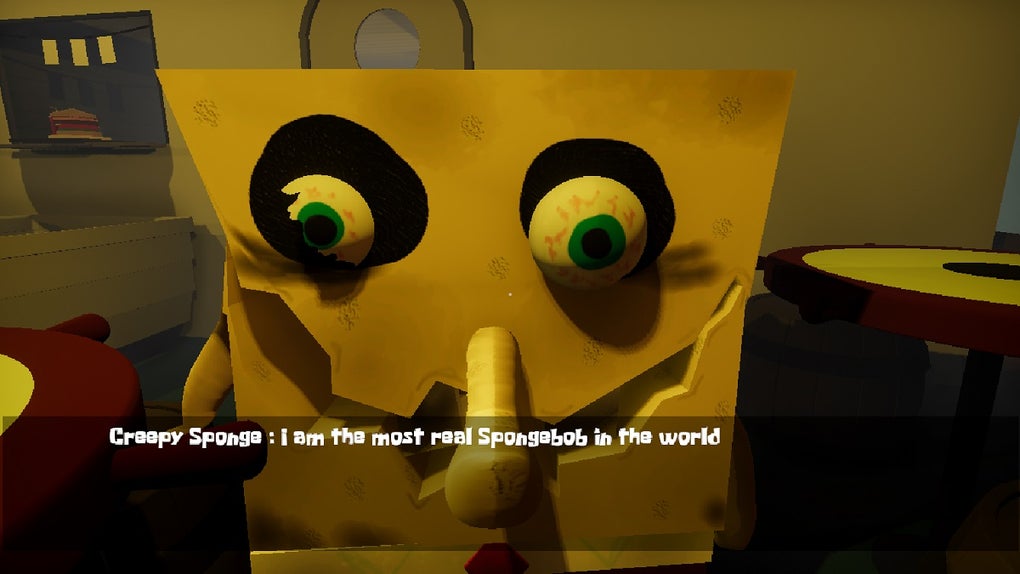
While SpongeBob’s Evil Clone effectively creates a chilling and unsettling atmosphere, its lack of a satisfying end goal significantly detracts from the overall experience. The absence of a clear objective or a rewarding narrative arc leaves the player feeling somewhat adrift, despite the compelling setting and atmosphere. The game excels at building tension and creating a sense of dread, but it ultimately fails to provide a satisfying payoff or closure, leaving the player with a sense of incompleteness.
The game’s strengths lie in its atmosphere and the psychological horror elements, which are skillfully executed. However, the lack of a strong narrative structure and a clear objective weakens the overall experience. The unsettling journey through this twisted version of Bikini Bottom is undeniably compelling, but the absence of a satisfying conclusion diminishes its impact. The feeling of being trapped in a never-ending nightmare, while effective for building tension, ultimately leaves the player with a sense of frustration rather than a feeling of accomplishment.
SpongeBob Reimagined: A Creative, Yet Flawed, Approach
SpongeBob’s Evil Clone represents a daring and creative approach to the familiar SpongeBob universe. It successfully transforms the cheerful and lighthearted cartoon into a chilling and unsettling horror experience. The game masterfully utilizes the player’s pre-existing knowledge and fondness for the source material to enhance the disturbing elements, creating a jarring and unsettling contrast between the familiar and the grotesque.
The game’s success lies in its clever use of psychological horror. The disturbing visuals, unsettling sound design, and challenging puzzles work together to create an immersive and unnerving experience. The game effectively leverages our familiarity with SpongeBob’s world to heighten the impact of its unsettling transformations. The recognizable locations, characters, and objects, twisted into nightmarish parodies, amplify the unsettling effect, creating a truly disturbing and memorable experience. However, despite its innovative approach and effective use of psychological horror, the lack of a well-defined objective and a satisfying conclusion ultimately hinders the game’s overall potential. It succeeds in creating a terrifying atmosphere, but ultimately fails to deliver a truly fulfilling experience. The game’s chilling atmosphere is undeniable, but its flaws prevent it from achieving its full potential.
A Terrifying Trip, But Ultimately Unsatisfying
SpongeBob’s Evil Clone is a brave experiment, a successful attempt to transform a beloved children’s cartoon into a genuinely frightening horror experience. Its strengths lie in its atmosphere, sound design, and the effective use of psychological horror techniques. The jarring contrast between the familiar and the grotesque, the twisted versions of beloved characters and settings, all contribute to a truly unsettling experience. The game is a testament to the creative potential of horror game developers, demonstrating that even the most familiar and cherished characters can be effectively employed to create a truly terrifying experience.
However, the game’s shortcomings are equally significant. The lack of a clear objective and a rewarding narrative arc prevents it from reaching its full potential. The unsettling atmosphere, while undeniably effective, ultimately leaves the player feeling frustrated rather than satisfied. The absence of a clear end goal and the lack of narrative depth ultimately detract from the overall impact of the game, leaving the player with a sense of incompleteness. While SpongeBob’s Evil Clone is a notable attempt at a creative and unsettling horror experience, its flaws prevent it from being a truly great game. It’s a chilling journey into a twisted world, but one that ultimately leaves the player wanting more – a more complete and satisfying experience. The game’s potential is undeniable, but its shortcomings prevent it from fully realizing that potential.
File Information
- License: “Free”
- Version: “varies-with-devices”
- Latest update: “September 25, 2023”
- Platform: “Windows”
- OS: “Windows 10”
- Language: “English”
- Downloads: “2.1K”
- Size: “326.17 MB”


