
Sptimers, a formerly available iPhone app created by Rimsha Hamid, aimed to enhance user productivity and focus through innovative time management techniques. While no longer downloadable from the original source, its functionalities and impact are worth examining to understand its contribution to the productivity app landscape and to consider its potential successors. This review analyzes Sptimers’ features, strengths, weaknesses, and ultimately, its legacy in the context of similar applications currently available.
Sptimers: A Time Management Tool Designed for Focus
Sptimers presented itself as a revolutionary time management tool designed to improve focus, reduce fatigue, and ultimately, increase the efficiency of daily tasks. Its core functionality revolved around breaking down the workday or study period into manageable work intervals interspersed with short, scheduled breaks. This Pomodoro Technique-inspired approach is well-established as an effective method for maintaining concentration and preventing burnout. By segmenting tasks into focused bursts, users could theoretically achieve more in less time while maintaining a sustainable pace. The app’s simplicity aimed to be its strength, offering a straightforward interface that users could easily adapt to their individual workflows. The customizable nature of both the work intervals and break durations further enhanced its versatility, allowing users to tailor the app to suit their personal preferences and the demands of different tasks.
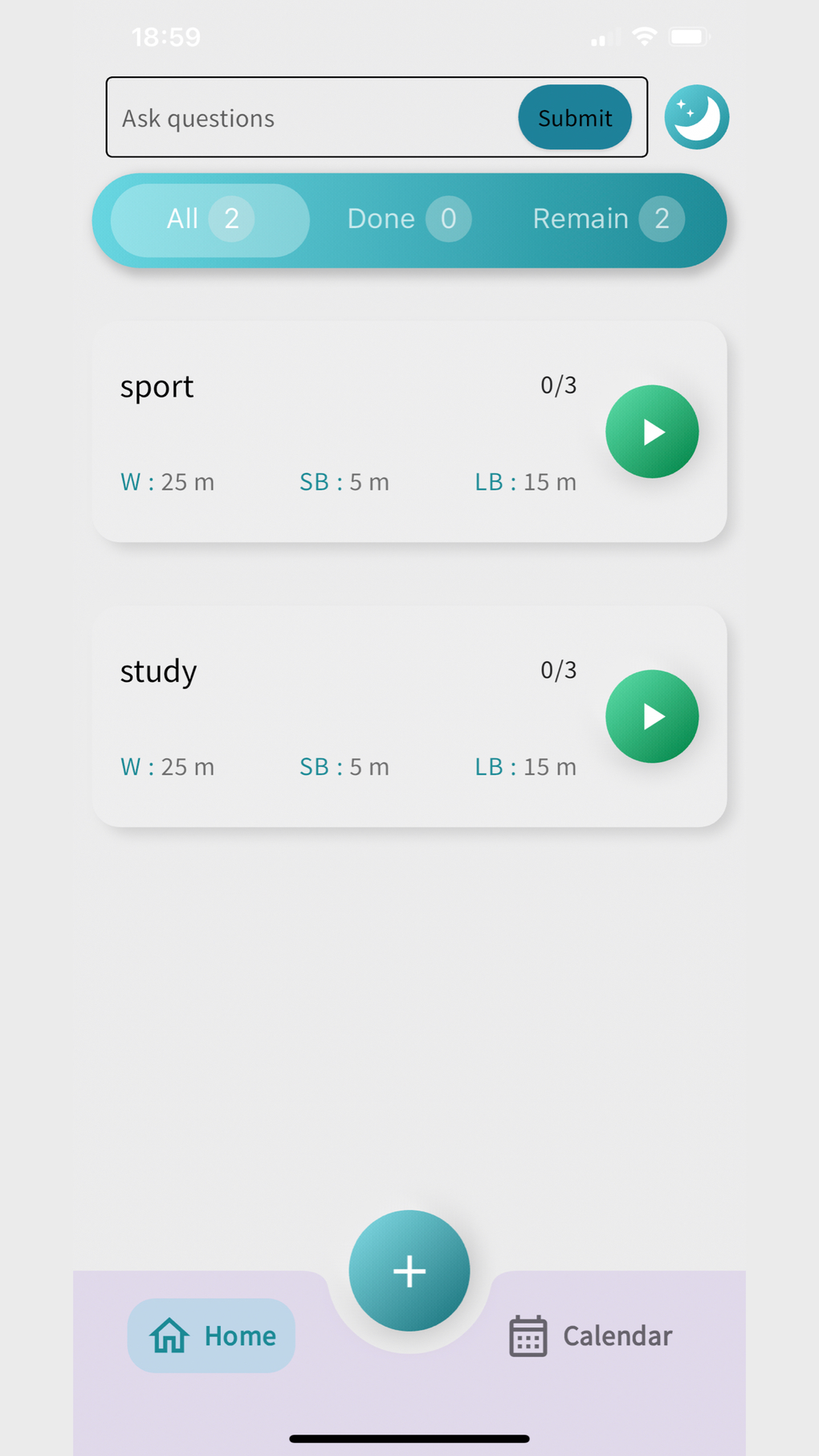
The customizable aspect extended to the core functionality of the Pomodoro Technique. While the app offered a default 25-minute work period followed by a 5-minute break, users were not limited to this structure. The flexibility to adjust these timings to fit individual work styles was a key feature highlighting the app’s potential for widespread appeal. A user accustomed to shorter, more frequent breaks might find Sptimers’ customizable settings ideal. Conversely, those who favor longer work sessions punctuated by slightly longer breaks could equally benefit. This adaptable design made Sptimers potentially suitable for a wide range of users and tasks, from students focused on studying to professionals managing complex projects.
However, a notable limitation mentioned in the original description was the lack of custom ringtones for break notifications. While the app provided default notification sounds to signal the end of each work period and break, users lacked the ability to personalize these alerts. This might have been a minor inconvenience for some, but for others, the inability to customize notifications could have impacted their overall experience and adherence to the app’s timed schedule. The absence of customizable ringtones reduced the potential for personalized engagement, which could be a critical element in sustained use for some individuals.
User Interface and Ease of Use
The app was lauded for its user-friendly interface, a crucial aspect for any productivity application. A cluttered or confusing interface can detract from the app’s effectiveness, potentially leading to user frustration and abandonment. Sptimers, however, prioritized simplicity and ease of navigation. This design choice made it accessible to users with varying levels of technological proficiency, a considerable advantage in a market saturated with complex applications.
The simplicity of the interface likely contributed to the app’s overall appeal. By avoiding unnecessary complications, the app focused on its core time management functionality. This approach avoided overwhelming users with too many features and options, thereby increasing the likelihood of sustained engagement and adherence to the app’s intended purpose.
However, while simplicity is generally desirable in productivity apps, it’s important to note that the absence of advanced features might have limited the app’s appeal to users with highly specific requirements or complex workflows. Some individuals might have preferred more comprehensive features such as task management integration, progress tracking, or detailed reporting capabilities, all of which were apparently absent from the Sptimers application.
Limitations and Missing Features
While Sptimers offered a straightforward and effective approach to time management, certain limitations hindered its potential for broader adoption. The previously mentioned lack of custom ringtones is a significant shortcoming, especially for users who require highly personalized notifications to maintain focus and productivity. The inability to assign individual sounds to the end of work intervals or breaks could have made the app less effective for those who rely on distinct auditory cues to manage their time and attention.
Beyond the absence of customizable ringtones, the lack of advanced features – such as task management, progress tracking, and detailed reports – further limited the app’s potential. Many modern productivity apps incorporate these features to provide a more comprehensive solution for users. The absence of such capabilities significantly differentiates Sptimers from more feature-rich alternatives. This lack of integration might have discouraged users seeking a more integrated approach to task management and productivity tracking. Instead of offering a single-purpose time management tool, competing apps often bundle together various functionalities to appeal to users with more complex needs.
Comparison to Alternatives and Sptimers’ Legacy
The unavailability of Sptimers leaves a void in the market that other apps, many with expanded functionalities, now aim to fill. While Sptimers’ core concept—the structured alternation of work and rest periods—remains a valuable productivity technique, its absence highlights the need for similar apps that address the limitations Sptimers exhibited. Many alternatives offer more comprehensive features, such as task organization, project management, and integrated calendars, creating a more holistic approach to productivity. Furthermore, many similar apps offer a wide range of notification customization options, surpassing Sptimers’ limited personalization capabilities.
Current competitors often incorporate AI-powered features such as intelligent scheduling, adaptive break recommendations, or even progress-based motivational elements. These advancements in technology allow for a more personalized and adaptive user experience, surpassing the fixed-interval approach of Sptimers. This gap between Sptimers and contemporary alternatives underscores the rapid evolution of the productivity app landscape and the increasing sophistication of time management tools available to users. Sptimers’ simple, yet effective, core concept stands as a testament to the enduring appeal of the Pomodoro Technique, yet its lack of adaptability to modern user expectations and technological advances ultimately led to its discontinuation.
In conclusion, Sptimers, though now unavailable, served as a straightforward and effective entry point into the realm of Pomodoro-style time management. Its simplicity and customizability were its primary strengths. However, the lack of advanced features and the absence of customizable notifications limited its potential. Its legacy serves as a reminder of the balance required between simplicity and comprehensive functionality in the ever-evolving landscape of productivity applications. The app’s discontinuation highlights the need for continuous innovation and adaptation to user demands within the competitive productivity app market. Future developers of similar apps can learn from Sptimers’ strengths and weaknesses, creating more robust and versatile tools that cater to the diverse needs of modern users.
File Information
- License: “Free”
- Version: “2.0”
- Latest update: “October 17, 2024”
- Platform: “iPhone”
- OS: “iOS 16.4”
- Language: “English”
- Downloads: “38.7K”


