
StarCraft II, the long-awaited sequel to the legendary real-time strategy (RTS) game, has cemented its place as a cornerstone of the genre. Released twelve years after its predecessor, StarCraft II: Wings of Liberty not only met but exceeded expectations, building upon the original’s enduring legacy while introducing significant advancements in gameplay, graphics, and storytelling. This in-depth exploration delves into the various facets that have made StarCraft II a timeless classic, captivating players worldwide for over a decade.
Immersive Gameplay and Strategic Depth
StarCraft II retains the core mechanics of its predecessor, focusing on base building, resource management, unit production, and strategic combat. However, it refines and expands upon these elements, creating a significantly more nuanced and rewarding experience. The game’s defining characteristic lies in its three distinct factions: the Terrans, the Protoss, and the Zerg, each possessing unique units, technologies, and playstyles.
The Terrans, humanity’s last stand, rely on versatile and adaptable units, allowing for diverse strategies. Their strength lies in their balanced arsenal, capable of adapting to various situations and countering different opponents effectively. From heavily armored siege tanks to agile marines, the Terran arsenal provides a wide range of options for both offensive and defensive maneuvers.
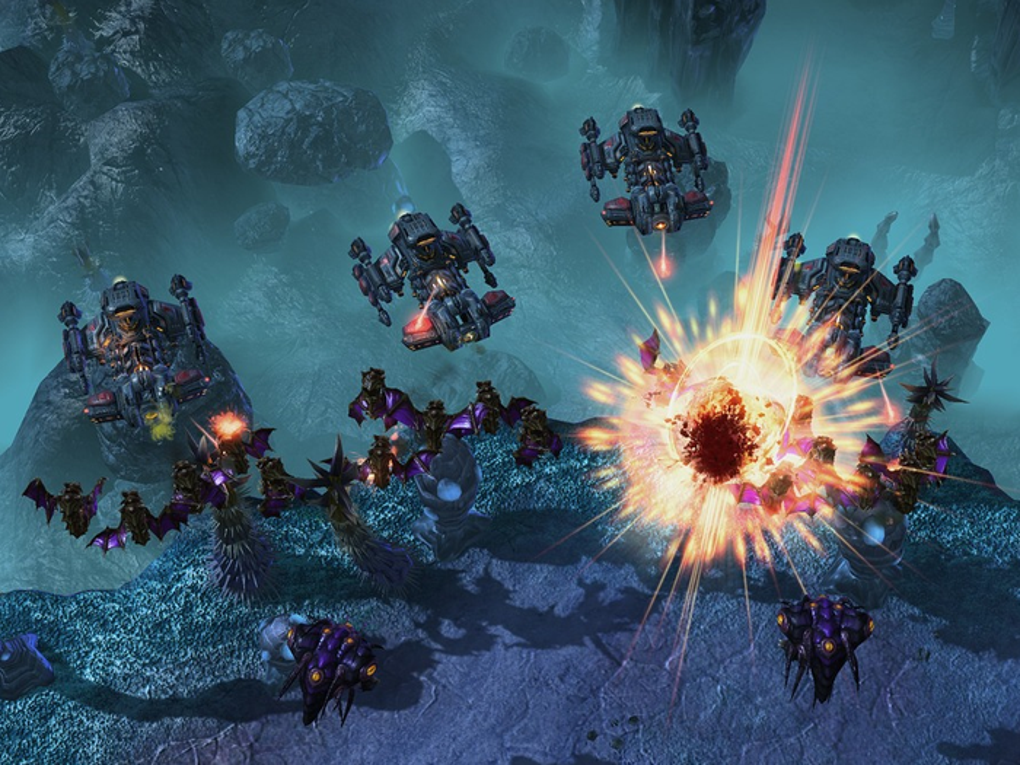
The Protoss, a technologically advanced alien race, harness powerful psychic abilities and technologically superior units. Their strength is in their ability to control the battlefield through strategic positioning and powerful, albeit often slower, units. Their signature units, like the immortal and the high templar, are formidable and require skillful micro-management to utilize their full potential. Their high-tech approach necessitates a more calculated and less aggressive approach compared to the Terrans and Zerg.
The Zerg, a swarming, insectoid species, excel at overwhelming their opponents with sheer numbers and rapid unit production. Their ability to quickly saturate the battlefield with units, combined with their potent bio-weapons and adaptability, makes them a formidable force. The Zerg’s power lies in their capacity to rapidly adapt to changing situations and overwhelm their enemies through superior numbers and aggressive pushes. Mastering Zerg requires a different strategic mindset, favoring constant expansion and an overwhelming wave of units.
The balance between these three factions is a testament to Blizzard’s meticulous design. While each race has its inherent strengths and weaknesses, none are inherently superior, leading to a dynamic meta where skillful players can achieve victory regardless of their chosen race. The diversity in gameplay ensures that players can continually discover new strategies and tactics, fostering a rich and engaging competitive environment. This strategic depth is further enhanced by the extensive tech trees and unit upgrades available to each race, offering a plethora of options to customize gameplay to each individual player’s style.
The competitive aspect of StarCraft II is arguably its most celebrated element. The game’s extensive online multiplayer component provides a platform for players to test their skills against others from around the world. The ladder system ranks players based on their performance, allowing them to climb the ranks and compete for the top spots. High-level StarCraft II gameplay is known for its intense strategic battles, requiring impeccable micro-management, macro-management, and quick reflexes. The constant evolution of strategies and counter-strategies ensures the game remains engaging and challenging, even after countless hours of play.
Compelling Single-Player Campaigns
Beyond the intense multiplayer experience, StarCraft II features a compelling and deeply engaging single-player campaign. Wings of Liberty, the first chapter of the trilogy, follows the Terran storyline, introducing players to the complex characters and narratives of the StarCraft universe. The campaign unfolds through a series of challenging missions, each demanding a distinct strategic approach. The single-player campaign serves not just as a tutorial to the game’s mechanics but also as a captivating introduction to the rich lore and deep background of the StarCraft universe.
Subsequent expansions, Legacy of the Void and Heart of the Swarm, expand upon the story, offering unique perspectives on the Protoss and Zerg factions respectively. Each expansion adds layers to the narrative, weaving a complex and enthralling saga that continues the compelling story from the original StarCraft and Brood War. The campaign missions often require more than simple army-based combat; players must engage in intricate strategic planning, base management, and unit manipulation to succeed. The blend of story, narrative-driven missions, and intense tactical battles makes the single-player experience incredibly rewarding.
Stunning Visuals and Immersive Sound Design
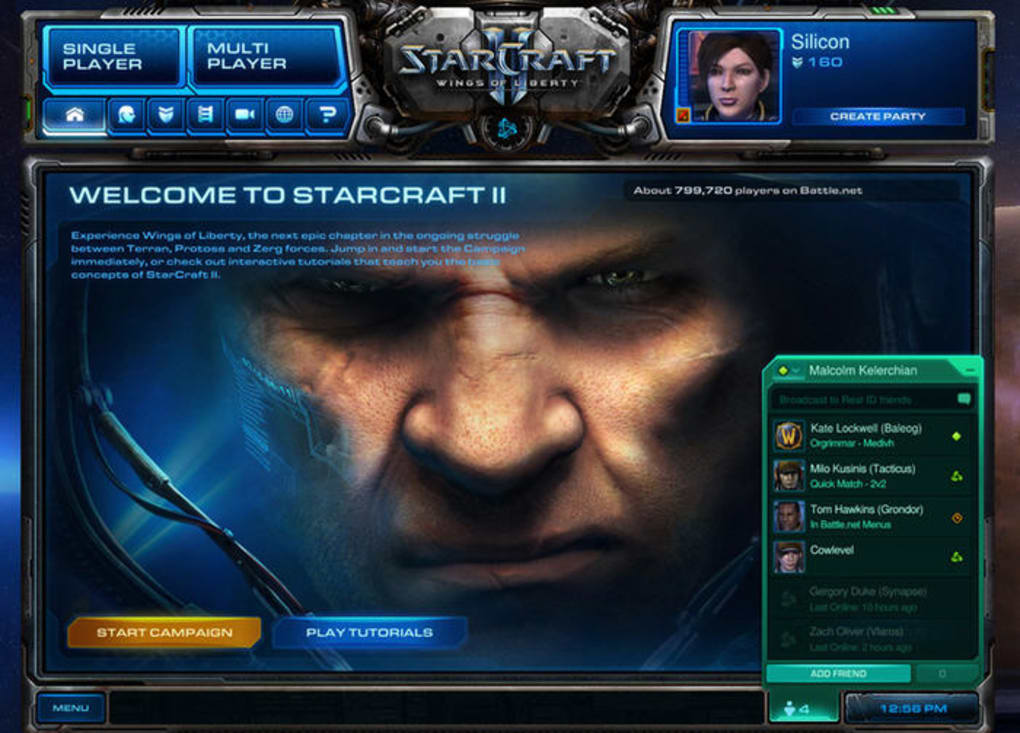
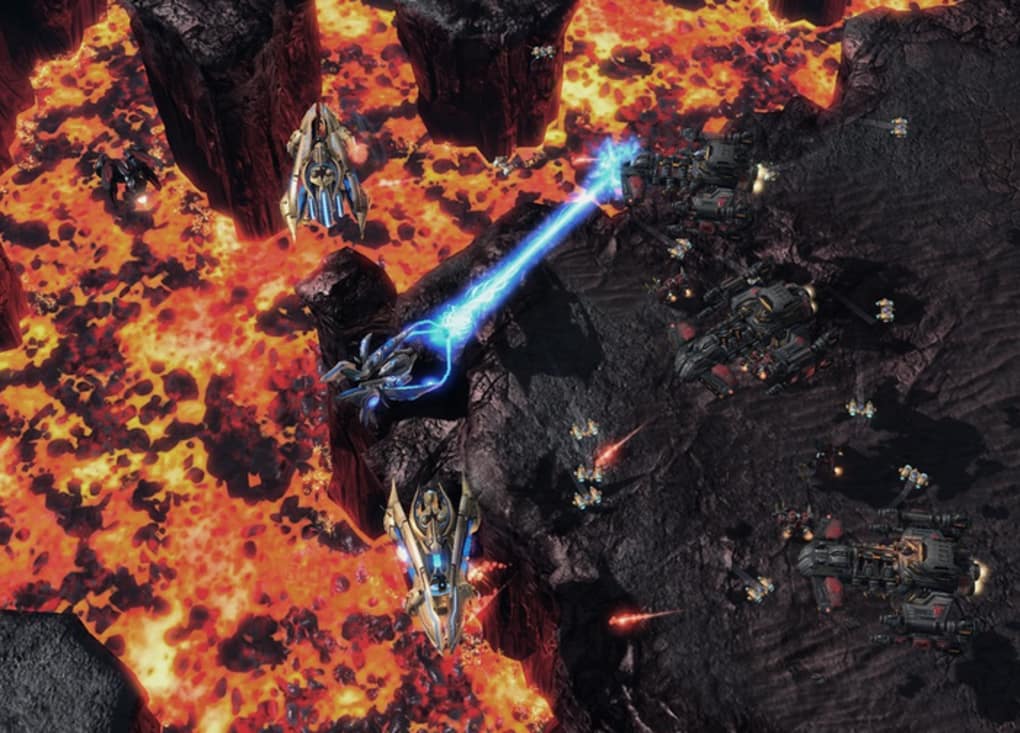
StarCraft II boasts impressive 3D graphics that have aged remarkably well. The detailed environments, intricately designed units, and visually captivating special effects create an immersive and engaging experience. The units are not mere sprites; they are meticulously rendered models, boasting stunning details, animated movements, and distinctive designs, all contributing to a highly believable and visually pleasing experience. Furthermore, the graphical style has avoided the pitfalls of overly realistic graphics, retaining a timeless aesthetic.
The sound design complements the visual presentation, contributing to the overall atmosphere and immersion. The dynamic soundtrack, coupled with realistic sound effects, creates an immersive soundscape that enhances the intensity of battles and the gravity of the story. From the guttural roars of the Zerg to the resounding clang of Terran weaponry and the otherworldly soundscapes of Protoss energy blasts, every sound element contributes to the overall sense of tension and excitement. The sound design is crucial in enhancing the game’s visceral feeling.
The StarCraft II Editor: A Creative Sandbox
StarCraft II includes a powerful integrated map editor, offering players the opportunity to design and create their custom maps, scenarios, and game modes. This feature has fostered a thriving community of mapmakers who continually create new and innovative content, adding significantly to the game’s replayability and longevity. The editor’s accessibility and powerful features allow even casual users to create simple modifications or even entirely new game modes.
The editor’s capabilities allow for an extremely high degree of customization, transforming the gameplay experience. Players can design everything from simple custom maps to complex scenarios with intricate objectives and narratives. This ability to create and share user-generated content greatly enhances the game’s longevity, continually providing new experiences for players.
Conclusion: An Enduring Legacy
StarCraft II’s enduring popularity speaks volumes about its quality and appeal. Its blend of intricate gameplay, compelling narratives, and stunning visuals has established it as a landmark title in the real-time strategy genre. The game’s continued support and vibrant community ensure that its legacy will persist for years to come. The combination of exceptional competitive gameplay, immersive storytelling, and a creative community makes StarCraft II a true testament to its enduring impact. Its influence extends far beyond just its gaming community, extending into esports, strategy game design, and the overall culture of competitive gaming.
File Information
- License: “Trial version”
- Latest update: “July 11, 2023”
- Platform: “Windows”
- OS: “Windows 8”
- Language: “English”
- Downloads: “205.3K”
- Size: “5.24 MB”


