
Steep, the open-world sports simulator developed by Ubisoft, promises a thrilling descent into the breathtaking landscapes of the Alps and Alaska. Boasting a vast, seamless game world and a variety of winter sports, it initially captivates with its stunning visuals and the freedom it offers. However, beneath the surface of this visually impressive game lies a core gameplay experience that struggles to find its identity, ultimately leaving the player with a sense of unfulfillment despite the initial allure.
A Visually Stunning Open World
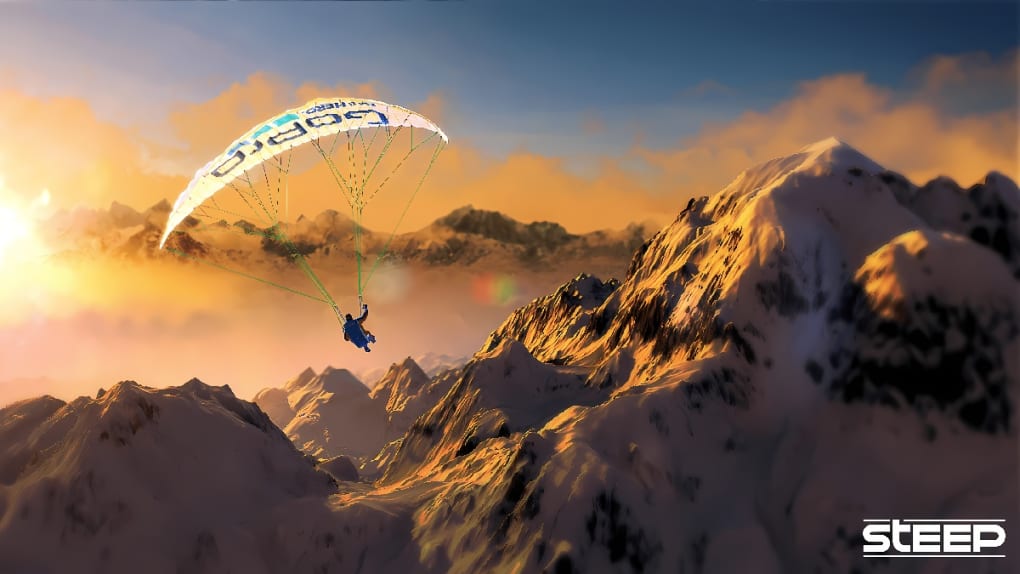
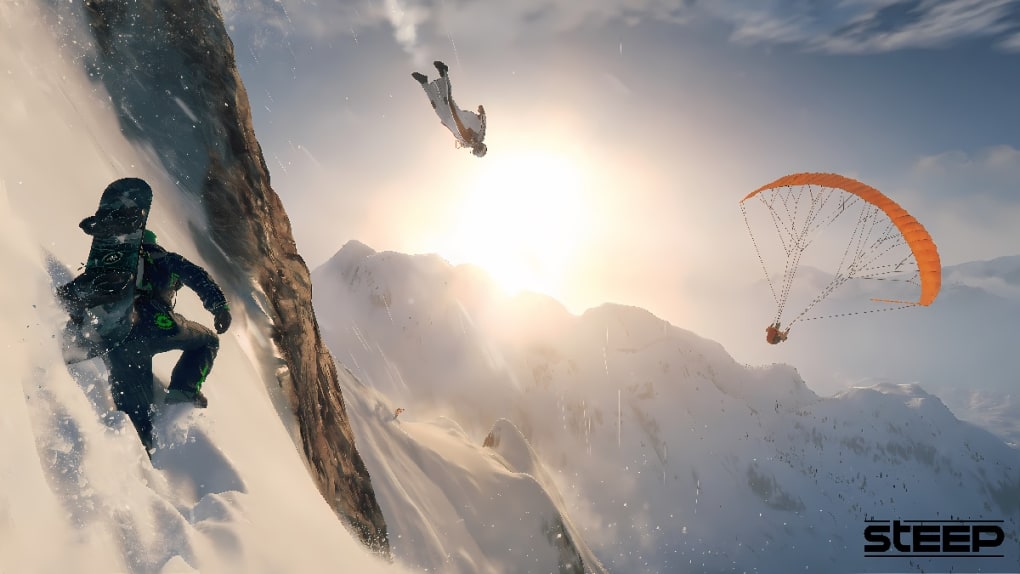
The first, and perhaps most striking, aspect of Steep is its breathtaking recreation of mountainous regions. The sheer scale of the 3D model, encompassing vast snowy peaks and expansive valleys, is immediately impressive. The game’s technology allows for seamless transitions between different areas, eliminating frustrating loading screens and fostering a truly immersive experience. Players can freely explore the environment, effortlessly switching between snowboarding, skiing, wingsuit flying, and paragliding with a simple menu selection. This fluidity and freedom of movement are undeniably appealing, allowing for spontaneous exploration and unexpected discoveries within the vast, detailed world. The visual fidelity is consistently high, creating a sense of awe and wonder as players navigate the challenging terrain. This is a game that truly shines in its presentation, establishing a convincingly realistic and beautiful world to explore.

The Allure and Frustration of Unstructured Gameplay
Steep eschews the traditional linear progression found in many games. There’s no overarching story to follow, no mandatory challenges that must be completed in a specific order. Players are free to explore the mountains at their own pace, engaging in activities that pique their interest. This freedom, while initially appealing, ultimately contributes to the game’s core issue: a lack of direction and meaningful progression. While there are events to participate in – races, time trials, and freestyle competitions – the rewards are largely cosmetic. Unlocking new events often feels repetitive, offering little variation in gameplay. This lack of substantial rewards diminishes the motivation to consistently engage with the game’s activities. The absence of a comprehensive leaderboard further reduces the competitive aspect, leaving the player with limited tangible goals. Sharing impressive stunts on social media serves as a form of self-validation, but this doesn’t replace the satisfaction of a structured reward system. While the freedom to pursue any activity is enticing, the absence of a compelling narrative or substantial rewards leaves a void at the heart of the experience.
The Limitations of a Cosmetic-Driven Reward System
The game’s reward system centers heavily on cosmetic items – new outfits, wingsuit designs, and other visual enhancements. While these items can be fun and allow for personalization, they fail to provide the same sense of accomplishment or progress as more substantial rewards like unlocking new abilities, upgrading equipment, or achieving higher ranks in a structured system. The lack of substantial, gameplay-altering rewards undermines the player’s sense of progression and achievement. The repetitive nature of events, combined with the limited impact of these cosmetic rewards, results in a sense of stagnation. Players may initially enjoy the freedom to explore and perform tricks, but without a clear path towards meaningful improvement or the feeling of overcoming significant challenges, the long-term engagement suffers. The game’s focus on superficial rewards undermines the potential for a truly satisfying gameplay loop.
The Conflict Between Exploration and Structured Challenges
The core conflict in Steep arises from the tension between its open-world exploration and its attempts to incorporate structured challenges. The stunning visuals and seamless environment undeniably encourage exploration, offering players the opportunity to discover hidden areas and uncover new perspectives. This aspect of the game is undoubtedly a highlight, allowing for a sense of discovery and wonder as the player navigates the vast mountain ranges. However, the structured events, while present, fail to meaningfully integrate with the open-world exploration. They often feel tacked on, rather than organically emerging from the environment or the player’s progress. This disconnect prevents the game from fully capitalizing on its dual strengths, leading to a disjointed experience where the joy of exploration is often overshadowed by the repetitive and ultimately unsatisfying nature of the structured events. The lack of synergy between exploration and challenges undermines the overall gameplay experience.
Control Issues and Repetitive Gameplay
Beyond the lack of substantial rewards and the disconnect between exploration and structured content, Steep also suffers from control issues. While the fluidity of movement is initially appealing, the precise control needed for some advanced maneuvers can prove frustrating. This is particularly noticeable during competitive events where even minor errors can significantly impact performance. This creates a barrier to entry for players seeking a highly competitive experience. Moreover, the repetitive nature of many events further exacerbates these frustrations. The lack of significant variation in gameplay mechanics leads to a sense of monotony, especially during prolonged play sessions. This repetition, combined with less-than-ideal controls, diminishes the overall enjoyment and longevity of the game. The core gameplay loop, while visually appealing, ultimately lacks the depth and variety needed to maintain long-term player engagement.
Conclusion: A Visually Stunning Game with Unsatisfying Gameplay
Steep represents a fascinating case study in the potential conflicts between open-world exploration and structured gameplay. Its breathtaking visuals and seamless environment undoubtedly create a compelling initial experience. The freedom to explore vast, realistic mountain ranges and participate in a variety of winter sports is alluring. However, the lack of meaningful rewards, the repetitive nature of events, and some control issues ultimately detract from the overall experience. The game struggles to find a balance between the unstructured joy of exploration and the structured satisfaction of achieving significant goals. While the stunning visuals and freedom of movement can provide enjoyable moments, the lack of a compelling long-term gameplay loop prevents Steep from reaching its full potential. Ultimately, Steep is a game that beautifully showcases the potential of open-world environments, but fails to create a consistently engaging or rewarding gameplay experience. It’s a visually stunning game that, unfortunately, falls short of delivering a truly satisfying and memorable experience due to its fundamental gameplay flaws.
File Information
- License: “Full”
- Latest update: “May 18, 2023”
- Platform: “Windows”
- OS: “Windows 7”
- Language: “English”
- Downloads: “19.1K”


