
Step Master presents itself as a straightforward pedometer app designed to help users track their daily steps and calorie expenditure, contributing to a healthier lifestyle. However, a closer examination reveals a platform heavily skewed towards in-app games and reward systems, raising questions about its true functionality and the reliability of its advertised features. This review delves into the app’s functionalities, its strengths and weaknesses, and ultimately assesses its value proposition for users seeking a genuine fitness tracking tool.
Apps and Games: A Conflicted Identity
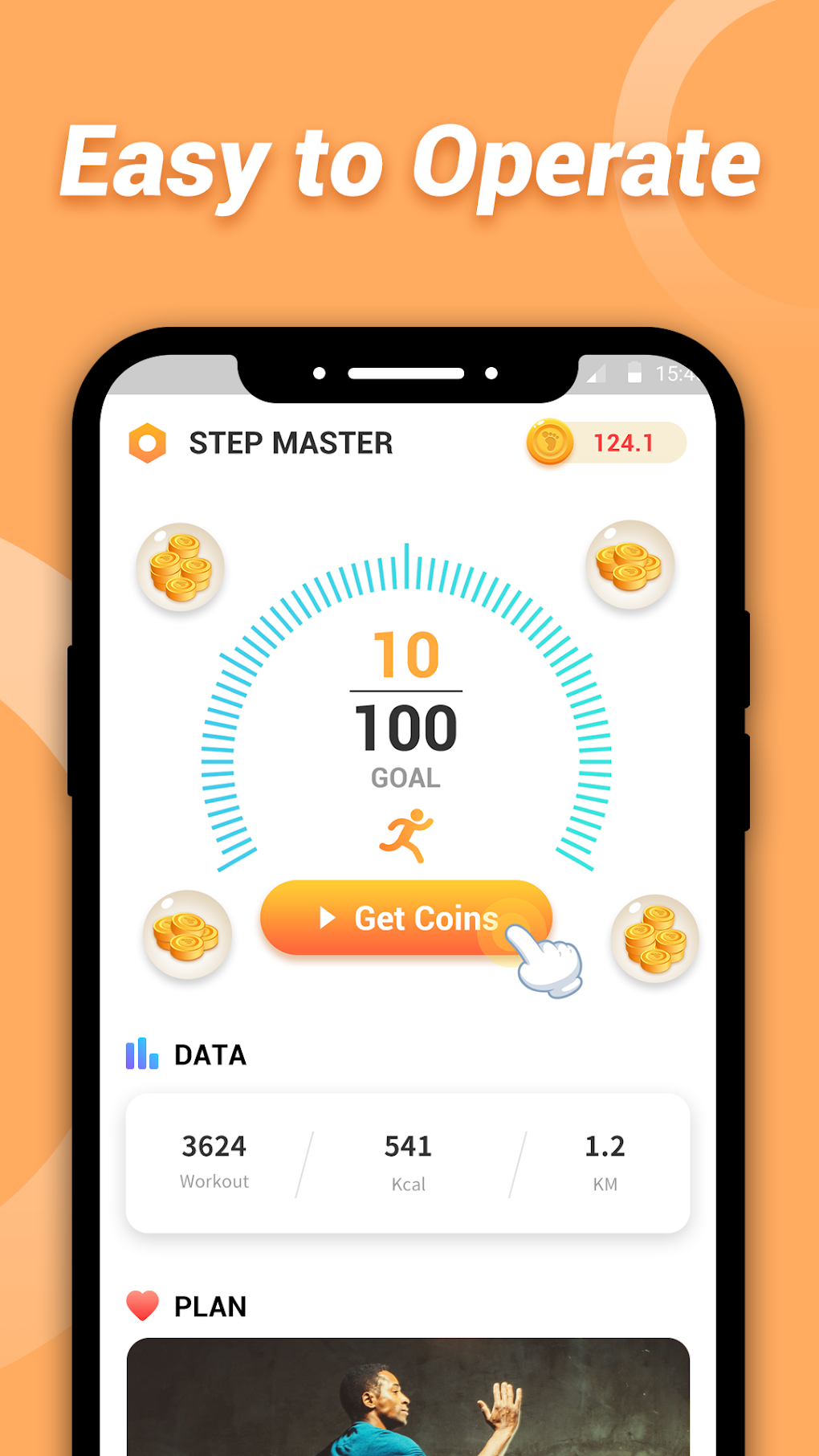
At its core, Step Master aims to function as a pedometer, counting steps and calculating calories burned. This basic functionality is present, allowing users to set daily step goals and monitor their progress. However, this core function is significantly overshadowed by an extensive collection of mini-games. These games, ranging from simple “Wobble Man” to more complex titles reminiscent of “Plants vs. Zombies,” dominate the user interface and encourage engagement beyond simple step tracking.

The app leverages this gamified approach to reward users with in-game currency (coins and banknotes) for completing daily tasks, playing games, and achieving step goals. The promise of cashing out this in-game currency through various online payment platforms like PayPal, DANA, OVO, PagBank, and others, is a significant draw, but one that, as we’ll explore later, might not always be as straightforward as advertised. The inclusion of features like a “Scratch Card,” “Lucky Wheel,” and “Lucky Gift” further reinforces the game-centric nature of the app, blurring the lines between fitness tracking and casual gaming.
The integration of games is not simply additive; it’s integral to the app’s design. The user is constantly incentivized to participate in games, often to the detriment of the core pedometer functionality. While the step counter runs passively in the background, the app’s primary focus and visual presentation lean heavily towards game rewards and progression. This makes Step Master feel more like a game center that coincidentally tracks steps, rather than a fitness app with a fun element incorporated.
News and Business Model: A Questionable Approach
There is no readily apparent “News” section within Step Master. The app’s focus is entirely on the immediate engagement with its game offerings and the promise of monetary rewards. This omission of news or updates related to fitness tracking or general health is telling. It reflects a business model that prioritizes short-term engagement and in-app purchases over providing consistent value in the form of relevant health information or insights.
The business model itself relies heavily on the allure of earning real-world money through gameplay. The app generates revenue through ads displayed within the games, and potentially through commissions from the payment processors it partners with for cash-out options. While there’s nothing inherently wrong with a freemium model, the emphasis on potential monetary gains over accurate step tracking raises concerns about the app’s priorities and its potential to mislead users who expect a primarily functional pedometer.
The claim that users can cash out their earnings raises several red flags. Reports suggest that the cash-out button becomes disabled once the user reaches a certain threshold of in-game currency. This raises concerns about the app’s transparency and its overall commitment to delivering on its promises. While the app may initially seem generous with its rewards, this limitation casts a significant shadow on the long-term value and reliability of the cash-out feature. This practice is potentially exploitative, leveraging the user’s time and effort without fully delivering on the promised financial reward.
For Business: A Case Study in Gamification
From a business perspective, Step Master represents a case study in the potential pitfalls and ethical considerations of gamification in health and fitness apps. The app demonstrates how the allure of rewards can effectively drive user engagement, but also how this approach can compromise the integrity of the core functionality.
While gamification can be a powerful tool for motivating users to adopt healthier habits, Step Master’s implementation demonstrates that a balance must be struck. An excessive focus on rewards can overshadow the core purpose of the app, leading to a user experience that is less about health and fitness and more about chasing in-game currency. This approach also risks alienating users who value accuracy and reliable tracking over the pursuit of potentially unreliable financial rewards.
Further analysis of Step Master’s business model raises concerns about the sustainability of its approach. The heavy reliance on advertising and the potential limitations of the cash-out feature raise questions about the long-term viability of the app and its commitment to user satisfaction. The possibility of users feeling cheated or misled after investing their time in playing the games and reaching the cash-out limit is a considerable risk to the app’s reputation and future success.
Android and Beyond: Technical Specifications and Alternatives
Step Master is currently available on Android, with a minimum operating system requirement of Android 5.0. The app’s size is approximately 35.98 MB. While the app is free to download and use, its monetization strategy relies on in-app advertisements and the incentivized gameplay.
Several alternative pedometer apps offer a more focused and reliable approach to step tracking, without the overwhelming presence of games and questionable cash-out mechanisms. Apps like Google Fit, Samsung Health, and others prioritize accuracy and data presentation, providing users with a clearer picture of their daily activity levels. These apps often integrate with other fitness trackers and smartwatches, offering a more comprehensive health and fitness tracking ecosystem. These alternatives may not offer the same game-based rewards, but they provide a more reliable and focused experience for users primarily interested in accurate step counting and calorie tracking.
Choosing a trustworthy pedometer app involves considering the app’s developer reputation, user reviews, and the clarity of its features and monetization strategies. While Step Master may attract users with its gamified approach, potential users should carefully weigh the potential downsides of unreliable cash-out promises and the distraction of the game-heavy interface against the need for a dependable fitness tracking app.
Lifestyle and Health & Fitness: Misaligned Priorities?
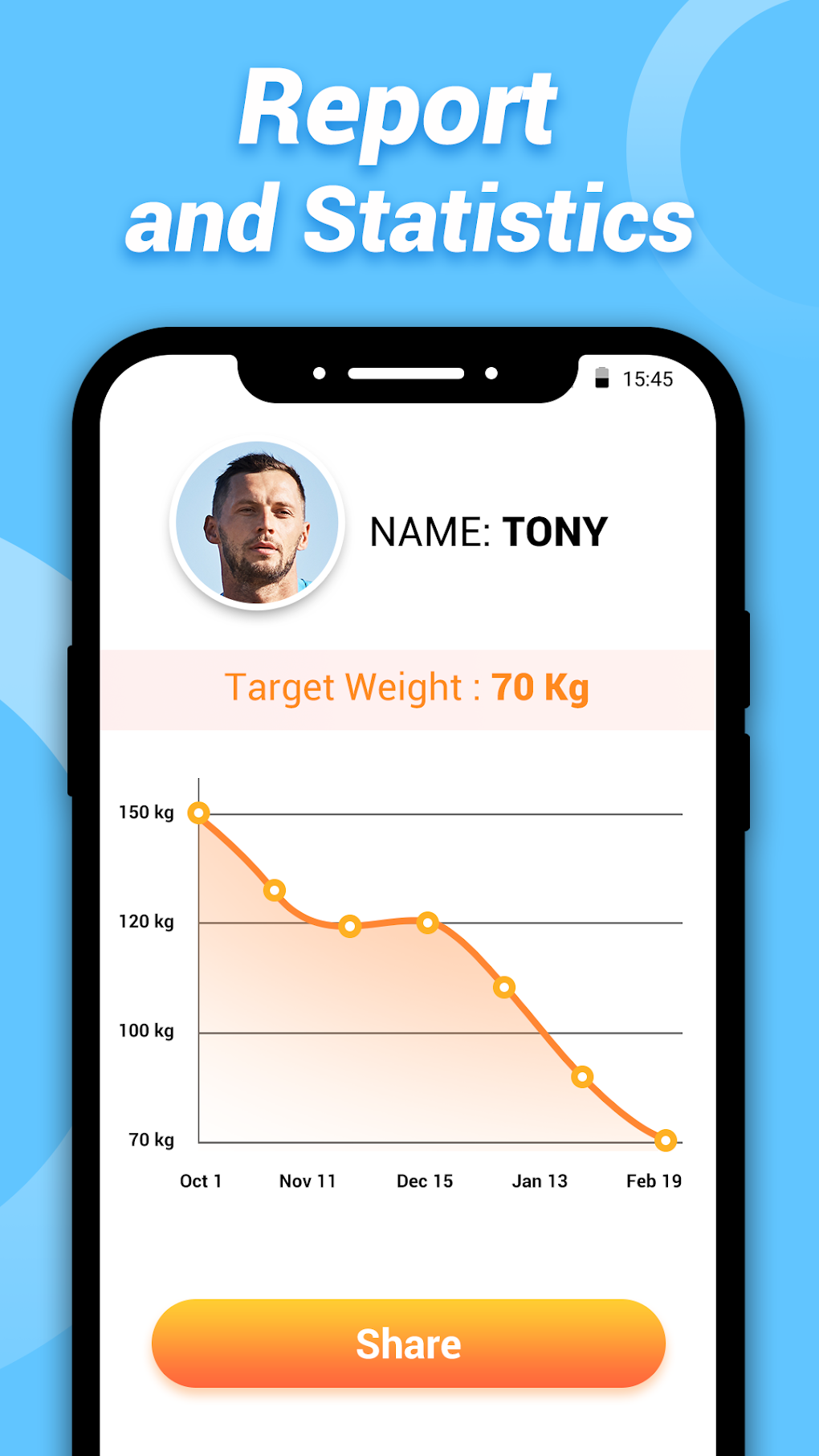
Step Master’s presentation suggests a strong connection to lifestyle and health & fitness goals. However, the app’s actual implementation presents a conflicting narrative. While the app does track steps and calories, its focus heavily favors the gaming aspects. This misalignment of stated purpose and practical execution makes it difficult to recommend Step Master to users seeking a reliable fitness tracking tool.
The potential for misleading users about the reliability of the cash-out function further undermines its value proposition in the health and fitness arena. Users seeking a genuine fitness companion would be better served by alternatives that prioritize accurate data tracking and provide meaningful insights into their activity levels, rather than encouraging hours spent playing mini-games. The gamification employed by Step Master is not inherently bad, but its prioritization over accurate step counting and health-related information significantly diminishes the app’s suitability for individuals genuinely focused on improving their physical well-being.
Conclusion: A Game, Not a Pedometer
In conclusion, Step Master’s core functionality as a pedometer is overshadowed by its game-centric design. While it technically tracks steps and calories, the app’s true nature leans heavily towards being a game center that incidentally tracks steps. The dubious cash-out system and reports of disabled payout features raise significant concerns about its reliability and transparency. For users seeking a reliable pedometer app to support their health and fitness goals, Step Master is not recommended. Alternatives that prioritize accurate data tracking and user experience are far more suitable for achieving genuine fitness progress. The app cleverly leverages gamification, but at the expense of its intended purpose, potentially misleading users in the process. While the app might provide some amusement, it ultimately falls short of its advertised functionality and fails to deliver a reliable and trustworthy fitness tracking experience.
File Information
- License: “Free”
- Latest update: “August 27, 2024”
- Platform: “Android”
- OS: “Android 5.0”
- Language: “English”
- Downloads: “21.7K”
- Size: “35.98 MB”
- Download Options: “APK, Google Play”
- Filename: “Step_Master_1.3.3.com.apk”


