
StickyPad, a free productivity application for Windows, offers a glimpse into the simpler era of software design. Released in 2011, this program provided basic sticky note functionality for users running Windows 95 and earlier versions. While overshadowed by modern, feature-rich note-taking applications, StickyPad holds a nostalgic value for users who remember its straightforward approach to digital note-taking. This article explores its features, historical context, and its place within the broader landscape of productivity software.
StickyPad’s Functionality and Interface
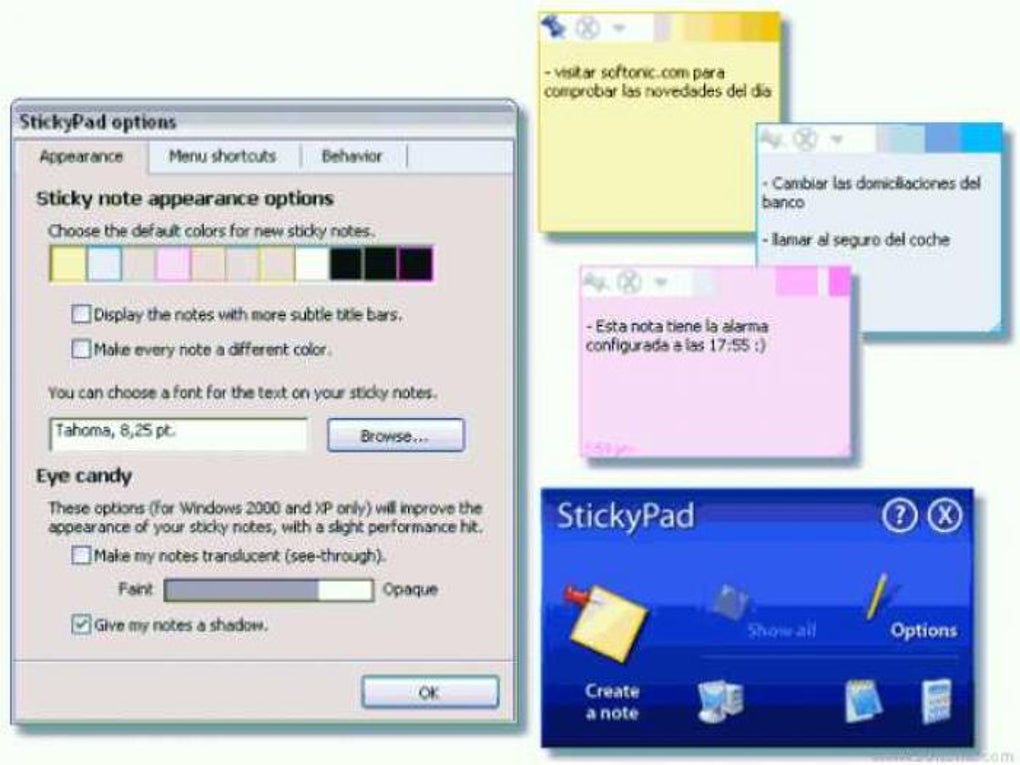
StickyPad’s primary function was to mimic the experience of using physical sticky notes on a computer screen. The application allowed users to create individual notes, each appearing as a separate window on the desktop. These notes could be resized and repositioned, providing a flexible method for jotting down quick reminders, ideas, or snippets of information. Unlike contemporary note-taking applications with rich text formatting and collaborative features, StickyPad’s core functionality remained remarkably simple. Its interface, reflecting the design aesthetic of its time, featured basic text input and minimal customization options. Users could change the color of their notes to a limited extent, but complex formatting such as bolding or italics was unavailable.
The simplicity of StickyPad’s interface was both its strength and its limitation. While its ease of use made it accessible to a wide range of users, the lack of advanced features meant it was not suitable for more complex note-taking tasks. Power users accustomed to rich text editors, image insertion capabilities, and organizational features would likely have found StickyPad insufficient for their needs. However, for those who merely needed a quick and easy way to jot down short notes and reminders, StickyPad provided an efficient and unintrusive solution.
The program’s lightweight nature was a significant advantage in the early 2010s, when computer resources were less abundant than they are today. Its small file size ensured quick installation and minimized its impact on system performance, making it ideal for users with older or less powerful machines. This focus on efficiency aligned with the prevailing trends in software development at the time, where minimizing resource consumption was often prioritized over extensive feature sets.
StickyPad in its Historical Context
Launched in 2011, StickyPad arrived at a pivotal moment in the evolution of personal computing. The widespread adoption of smartphones and tablets was just beginning to reshape the landscape of productivity applications. While desktop computers remained the primary platform for many users, the rising popularity of mobile devices heralded a shift towards more portable and versatile applications. StickyPad, being exclusively designed for desktop usage, did not adapt to this evolving landscape. Furthermore, the software lacked the cross-platform compatibility that became increasingly essential for seamless productivity across multiple devices.
Simultaneously, the market for note-taking applications was becoming increasingly saturated with more feature-rich alternatives. StickyPad faced stiff competition from applications offering capabilities such as cloud synchronization, collaborative editing, rich text formatting, and integration with other productivity tools. These advanced features, absent from StickyPad, contributed to its eventual obsolescence. The program’s limited functionality and lack of modern features rendered it less attractive to users compared to the newer, more versatile options that emerged in the following years.
Furthermore, the absence of regular updates and feature enhancements ultimately contributed to StickyPad’s decline. The final update in August 2011 signified a halt in its development, leaving the software stagnant amidst the rapid advancements in the field. The lack of continued support made it progressively less relevant, especially as newer operating systems introduced improved native note-taking applications.
Comparison with Contemporary Note-Taking Applications
In contrast to modern note-taking applications, StickyPad appears remarkably simplistic. Current software often integrates cloud syncing for accessibility across devices, rich text formatting for enhanced note organization, and advanced features such as image and audio insertion. Many contemporary applications also offer collaboration tools, allowing multiple users to work on the same note simultaneously. This stands in stark contrast to StickyPad’s standalone and single-user functionality.
Applications like Evernote, OneNote, and Google Keep offer a much broader range of features, including search functionality, organizational tools like tagging and notebooks, and integration with other services. These features facilitate more complex note management and organization, something that was entirely absent from the basic functionality of StickyPad. Modern applications also leverage the power of cloud computing, ensuring notes are automatically backed up and accessible from multiple devices. This automatic synchronization and redundancy is a significant advantage over the potentially vulnerable local storage of StickyPad’s notes.
This comparison highlights how significantly note-taking applications have evolved since StickyPad’s release. The focus has shifted from purely replicating the physical act of note-taking to providing a comprehensive system for managing, organizing, and collaborating on information. StickyPad’s simplicity, while beneficial in its time, is now seen as a significant limitation compared to the robust features offered by contemporary applications.
Legacy and Relevance in the Present Day
Despite its outdated technology and limited functionality, StickyPad holds a certain nostalgic value. For users who experienced the software during its active years, it may evoke memories of a simpler time in computing. Its straightforward design and user-friendly interface served a purpose for users who simply needed a basic sticky note function. However, its lack of modern features and continued development has effectively rendered it obsolete for most users today.
The software’s continued availability on certain platforms is a testament to its past popularity. However, its limited functionality and security vulnerabilities—as with any legacy software—make it unsuitable for storing sensitive information or engaging in critical tasks. In the present-day context, StickyPad serves primarily as a historical artifact reflecting the evolution of note-taking applications and the broader changes in the personal computing landscape. Its place in the history of software development is secured, but its practical relevance is minimal in the era of advanced cloud-based note-taking solutions.
In conclusion, StickyPad stands as a relic of a bygone era, highlighting the rapid evolution of software development in the realm of personal productivity. While its simplicity had value in its time, it is now far outpaced by contemporary applications offering far more sophisticated features and capabilities. Its legacy remains a reminder of the constant advancement of technology and the ever-changing demands of users.
File Information
- License: “Free”
- Version: “2.5”
- Latest update: “August 10, 2011”
- Platform: “Windows”
- OS: “Windows NT”
- Language: “English”
- Downloads: “30.5K”
- Size: “48.13 KB”


