
Street Fighter IV, a celebrated title in the legendary Street Fighter franchise, continues to captivate players with its refined gameplay mechanics, diverse roster of iconic characters, and enduring competitive scene. Released initially in arcades and later ported to various platforms including Windows PCs, Street Fighter IV has cemented its place as a cornerstone of the fighting game genre. This article delves into the game’s features, legacy, and lasting impact on the gaming world.
A Reimagining of a Classic
Street Fighter IV wasn’t merely a sequel; it was a reimagining of the classic Street Fighter formula, seamlessly blending nostalgia with innovative gameplay elements. While maintaining the core mechanics that defined the series—the six-button control scheme, special moves executed through precise button combinations, and the emphasis on strategic combat—the game introduced significant advancements. The most notable addition was the inclusion of a “Focus Attack,” a unique defensive and offensive maneuver allowing players to absorb incoming attacks and unleash devastating counterattacks. This mechanic added a new layer of depth and complexity to the combat, rewarding skillful timing and anticipation.
The game’s visual presentation was a significant leap forward from previous installments. The vibrant 2D sprites were rendered with a stunning level of detail, enhancing the visual appeal of the iconic characters and their signature moves. The animation was fluid and responsive, making every fight a spectacle to behold. The sound design also played a crucial role in immersing the player in the world of Street Fighter IV. The game’s soundtrack featured a blend of remixed classic themes and original compositions, perfectly capturing the intensity and excitement of the matches.
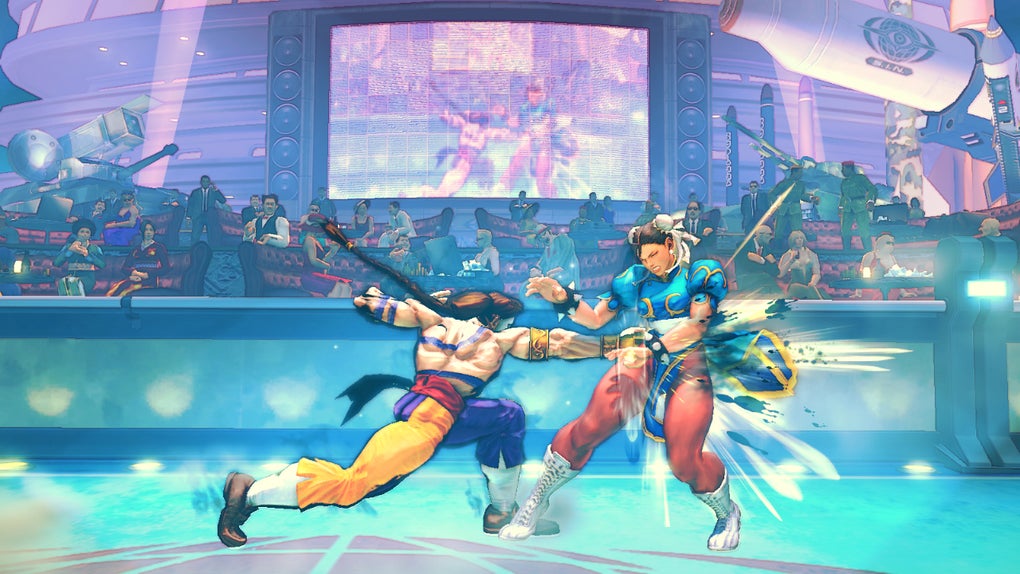
Another key feature that contributed to Street Fighter IV’s lasting appeal was its roster of characters. The game featured a combination of returning fan favorites and newcomers, each possessing their own unique fighting styles, special moves, and personalities. This variety ensured a high degree of replayability, encouraging players to experiment with different characters and strategies. The inclusion of characters like Ryu, Ken, Chun-Li, Guile, and Zangief, alongside newcomers like Abel and Crimson Viper, appealed to both seasoned veterans and newcomers alike.
The Competitive Scene and Esports Legacy
Street Fighter IV’s success extended far beyond its single-player experience. The game quickly became a dominant force in the competitive fighting game scene, fostering a thriving community of players and professional competitors. The game’s balanced gameplay, strategic depth, and exciting matchups made it ideal for high-level competition. Tournaments were held worldwide, attracting large audiences and showcasing the skill and dedication of players at the top of their game.
The accessibility of Street Fighter IV also contributed to its popularity in the competitive scene. While the game possessed significant depth, it was also relatively easy to learn, enabling new players to quickly grasp the basic mechanics and begin competing. This low barrier to entry helped to expand the player base and create a more inclusive community.
Street Fighter IV’s influence on the esports landscape is undeniable. The game helped to popularize the concept of fighting game esports, paving the way for the growth and recognition of the genre. The game’s professional players achieved a level of recognition and prestige previously unheard of in the fighting game community. This success ultimately helped to attract sponsorships and investment in the esports industry as a whole, solidifying its position as a major player in the world of competitive gaming.
Upgrades and Expansions: Super Street Fighter IV and Beyond
The success of Street Fighter IV led to the release of several updated versions and expansions, each building upon the original game’s foundation. Super Street Fighter IV, released in 2010, introduced new characters, revised balance adjustments, and enhanced gameplay mechanics, further refining the already excellent fighting experience. This iterative approach kept the game fresh and engaging, ensuring its continued popularity within the community.
Subsequent releases, including Super Street Fighter IV: Arcade Edition and Ultra Street Fighter IV, further refined the gameplay and expanded the character roster, resulting in a continually evolving and competitive scene. These updates not only addressed balance issues and added new characters but also introduced new mechanics and features, keeping the game relevant and appealing to players for years to come. The continued support and updates showcased Capcom’s commitment to the game and its dedicated community.
Enduring Influence and Legacy
Street Fighter IV’s impact on the fighting game genre is profound and long-lasting. It revitalized the 2D fighting game market, which had been somewhat overshadowed by 3D fighting games during the previous decade. The game’s success demonstrated that there was still a significant audience for traditional 2D fighting games, leading to a resurgence in the genre and inspiring numerous other developers to create their own 2D fighters.
The game’s influence can be seen in the mechanics and designs of countless subsequent fighting games. The Focus Attack mechanic, in particular, became a popular feature in many other fighting games, highlighting the innovative nature of Street Fighter IV’s design. Its impact extended beyond just gameplay, as the game’s visual style, character designs, and overall presentation set a new benchmark for the genre.
Street Fighter IV’s legacy extends beyond just gameplay and design. Its robust online infrastructure and dedicated community fostered an environment of competition, collaboration, and shared passion. This passionate community contributed significantly to the game’s long-term success and continues to thrive even years after its initial release. The continued tournaments, online discussions, and fan-created content demonstrate the enduring appeal of Street Fighter IV. It established a new standard for the fighting game community, demonstrating the potential for longevity and sustained engagement.
Availability and PC Port
Street Fighter IV, initially released for arcades, made its way to various platforms, including the PC. This PC port allowed a broader audience to access and enjoy the game’s engaging gameplay. While the specifics of the PC port’s performance and optimization might vary depending on the system specifications, the ability to play this iconic title on PC contributed significantly to its widespread adoption and popularity. The availability of the game on PC broadened the player base, fostering a more diverse and inclusive gaming community. For many, the convenience and accessibility of PC gaming contributed significantly to their overall experience with Street Fighter IV. The release on PC also helped cement the game’s legacy as a readily available and popular title within the fighting game genre.
In conclusion, Street Fighter IV transcended its role as simply a video game; it became a cultural phenomenon. Its influence is seen in the resurgence of the 2D fighting game genre, the growth of esports, and the evolution of fighting game design. Its legacy continues to inspire developers and captivate players, solidifying its place as one of the greatest fighting games ever created. The combination of innovative mechanics, a beloved roster, a thriving competitive scene, and ongoing support through expansions cemented its position as a timeless classic.
File Information
- License: “Full”
- Latest update: “July 4, 2023”
- Platform: “Windows”
- OS: “Windows 11”
- Downloads: “10.5K”


