
Street Fighter Mugen isn’t just a game; it’s a community-driven phenomenon, a testament to the enduring appeal of the Street Fighter franchise and the power of open-source development. This isn’t a single, polished product released by a major studio, but rather a platform – a powerful engine – upon which countless dedicated fans have built and shared thousands of unique fighting game experiences. This article delves into the world of Street Fighter Mugen, exploring its origins, its mechanics, the vibrant community that sustains it, and its lasting impact on the fighting game landscape.
The Genesis of Mugen: From Engine to Ecosystem
Street Fighter Mugen owes its existence to the Mugen engine, created by Elecbyte. Unlike traditional fighting games with fixed rosters and storylines, Mugen provides a framework for developers – often referred to as “creators” or “builders” within the community – to design and implement their own characters, stages, and gameplay mechanics. This open-source nature has unleashed a torrent of creativity, resulting in a vast and diverse library of Mugen games, many based on the Street Fighter universe, but incorporating characters and elements from other fighting games, anime, manga, and even entirely original creations.
The engine itself is relatively simple to learn, yet incredibly powerful. It allows for intricate character animations, complex special moves, and detailed stage designs. This accessibility is a key factor in Mugen’s success. It lowered the barrier to entry for aspiring game developers, allowing individuals with modest programming skills to realize their creative visions and share them with a global audience. The lack of proprietary limitations fostered a sense of shared ownership and collaboration, fueling the rapid expansion of the Mugen ecosystem.
The Endless Roster: Characters Beyond the Capcom Universe
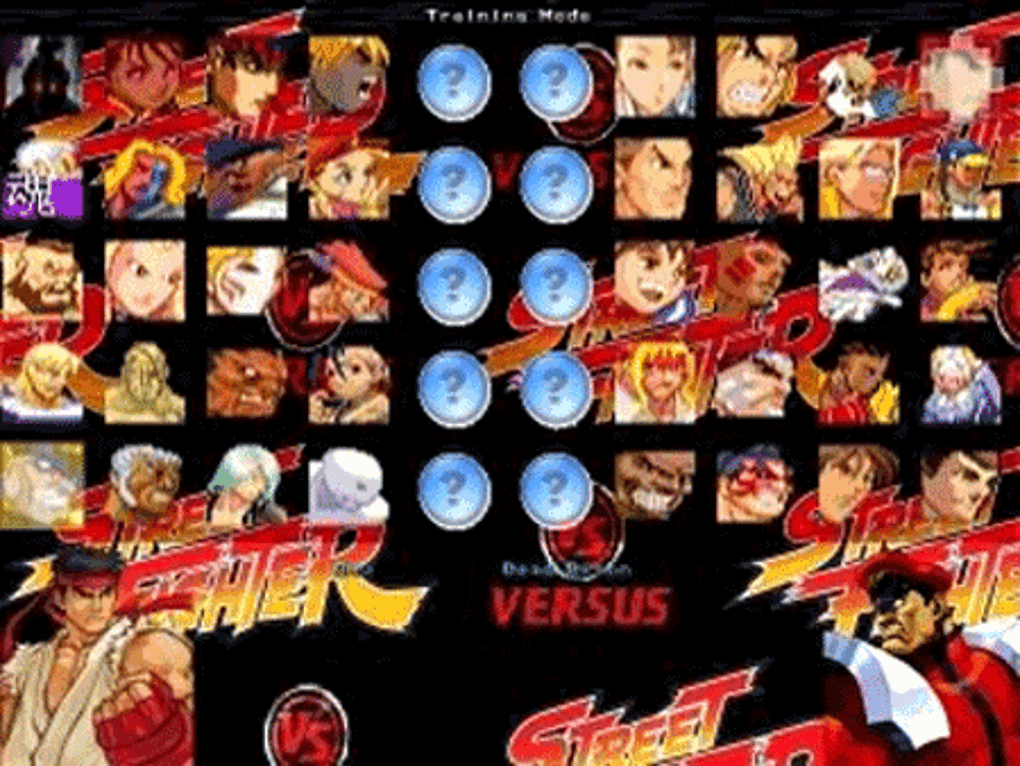
One of the most striking aspects of Street Fighter Mugen is the sheer breadth and diversity of its character roster. While many creations draw inspiration from Capcom’s official Street Fighter games, the freedom afforded by the engine has led to a truly expansive collection of fighters. Characters from other fighting game franchises like King of Fighters, Tekken, and Guilty Gear frequently appear, often with painstakingly recreated movesets and animations. But Mugen’s creativity extends far beyond established franchises. Original characters, drawn from the imaginations of individual creators, populate the Mugen world, each with their own unique fighting styles and backstories. Furthermore, characters from anime, manga, and other popular media frequently make appearances, expanding the possibilities of crossover combat to an almost unimaginable scale. This limitless potential for character inclusion is a core element of Mugen’s appeal, attracting players drawn to the sheer novelty of battling iconic characters from wildly disparate worlds.
Gameplay Mechanics and Customization: Tailoring the Experience

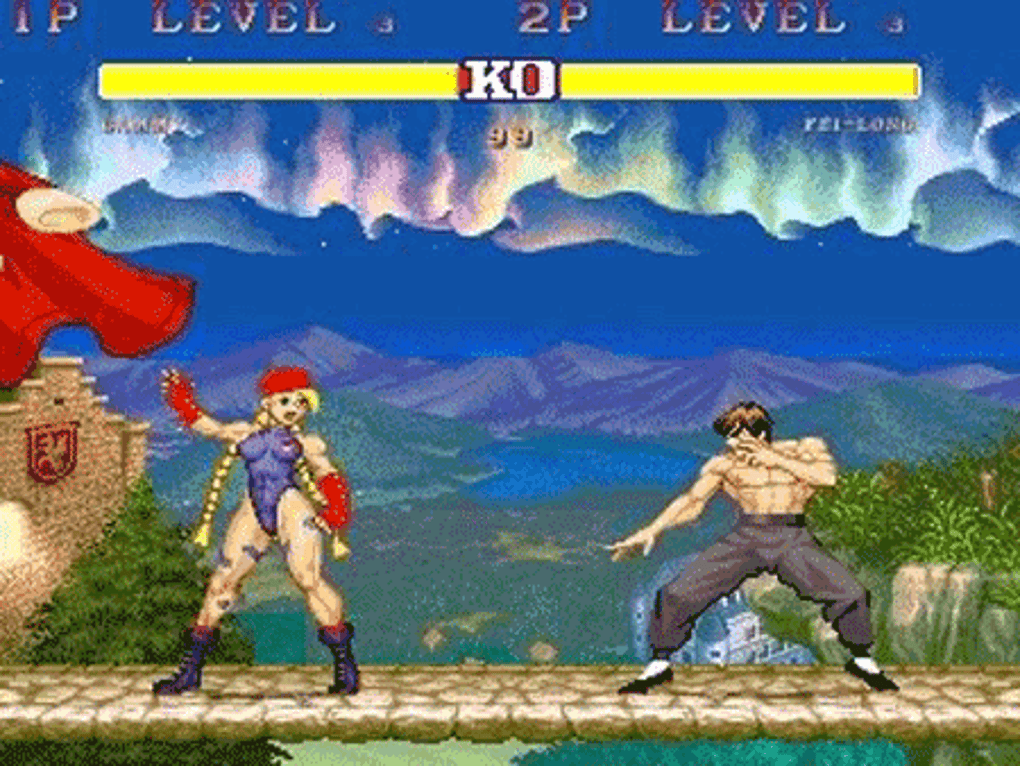
Street Fighter Mugen inherits the fundamental gameplay mechanics of the original Street Fighter games: a focus on strategic combat, special moves, and the classic 2D fighting game format. However, the Mugen engine allows for significant customization of these mechanics. Creators can adjust parameters such as attack strength, speed, hitboxes, and even the very physics of the game itself. This leads to a wide range of gameplay experiences, from faithfully recreating the feel of classic Street Fighter titles to pushing the boundaries of the genre with unique and experimental fighting systems. Moreover, the ability to modify existing characters or create entirely new ones provides an unparalleled level of personalization. Players aren’t just consuming a pre-packaged experience; they are actively shaping their own through character selection and the overall game configuration.
The Mugen Community: Collaboration, Competition, and Shared Passion
The enduring success of Street Fighter Mugen is inextricably linked to its vibrant and dedicated community. This global network of creators, players, and enthusiasts continuously contributes to the platform’s growth and evolution. Creators share their creations online, engaging in collaborative projects and helping one another refine their skills. Online forums and communities serve as hubs for discussion, feedback, and the exchange of knowledge and resources. Competitions and tournaments, both online and offline, provide opportunities for players to test their skills and showcase their mastery of particular characters or game builds. This collaborative spirit is a defining characteristic of the Mugen community, fostered by the open-source nature of the engine and the shared passion for creating and playing unique fighting games. The sense of community extends far beyond simply playing the games; it’s a collaborative effort to constantly expand and improve the experience for all participants.
The Legacy of Mugen: Impact on Fighting Games and Beyond
Street Fighter Mugen’s impact extends far beyond its own community. It has served as a training ground for aspiring game developers, providing valuable experience in game design, programming, and community management. Many individuals who gained their initial experience with Mugen have gone on to work in the professional game development industry. Beyond this, Mugen has significantly influenced the wider fighting game community. The ease of character creation and customization has inspired similar features in commercially released fighting games. The vibrant community and constant stream of new content have demonstrated the power of fan-created content and the potential for open-source development in fostering innovation and creativity within the gaming industry. Street Fighter Mugen, therefore, stands as a remarkable example of how a community-driven project can not only thrive but also significantly impact a major sector of the video game market. Its legacy is one of innovation, community, and the enduring power of fan-made content. The platform’s lasting relevance testifies to the timeless appeal of the Street Fighter franchise, the inherent versatility of the Mugen engine, and the boundless creativity of its dedicated community.
File Information
- License: “Free”
- Latest update: “May 31, 2011”
- Platform: “Windows”
- OS: “Windows 98 SE”
- Language: “English”
- Downloads: “153.2K”
- Size: “236.13 MB”


