
Styler is a free, discontinued program designed to customize the visual appearance of the Windows XP operating system. While no longer actively supported and incompatible with newer Windows versions, it offers a glimpse into the world of early Windows personalization tools. This detailed review explores its features, functionality, history, and legacy within the context of Windows XP customization.
Styler’s Functionality and Features
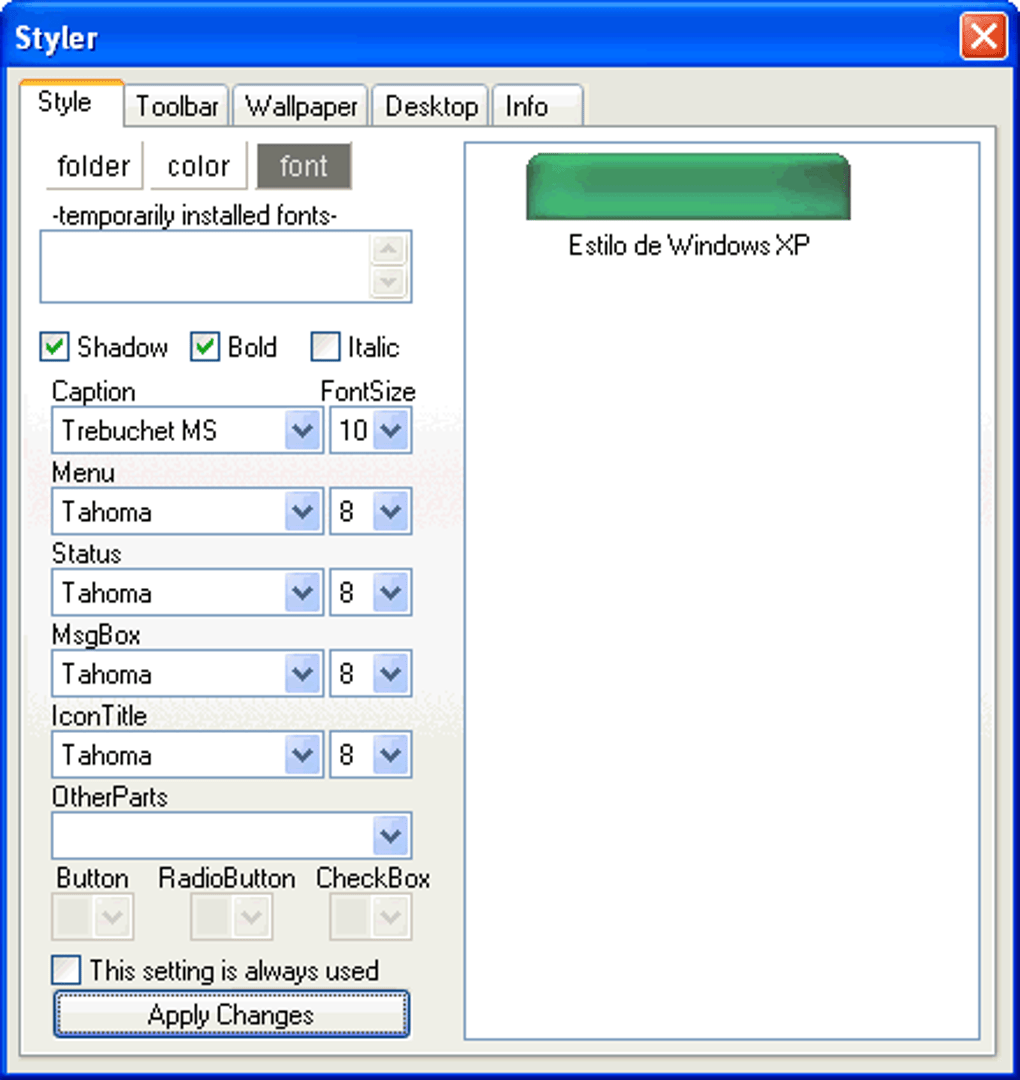
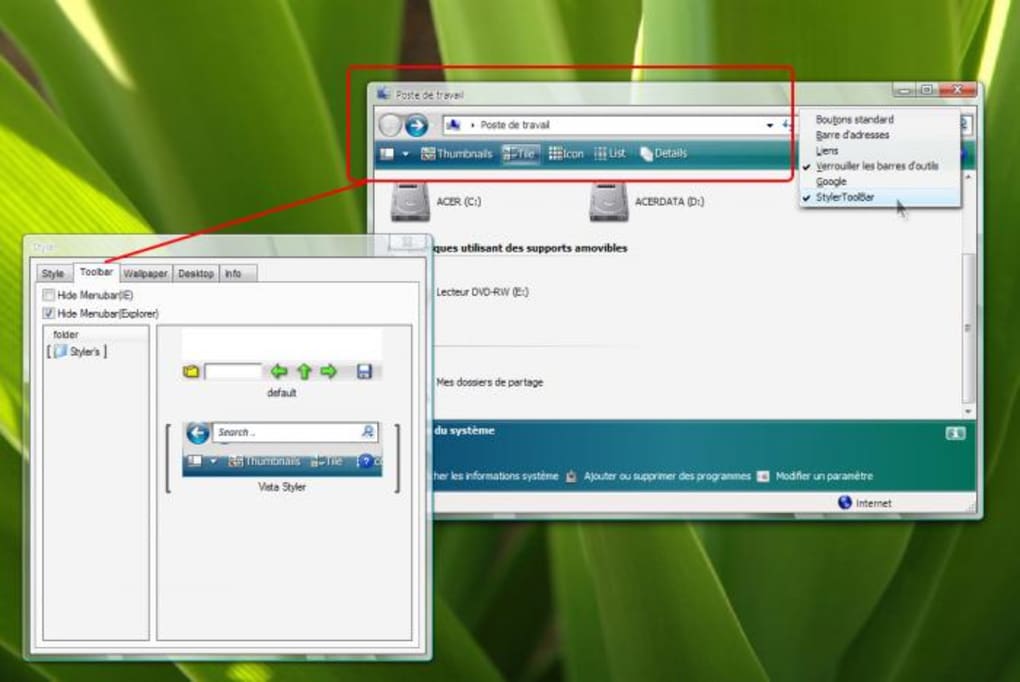
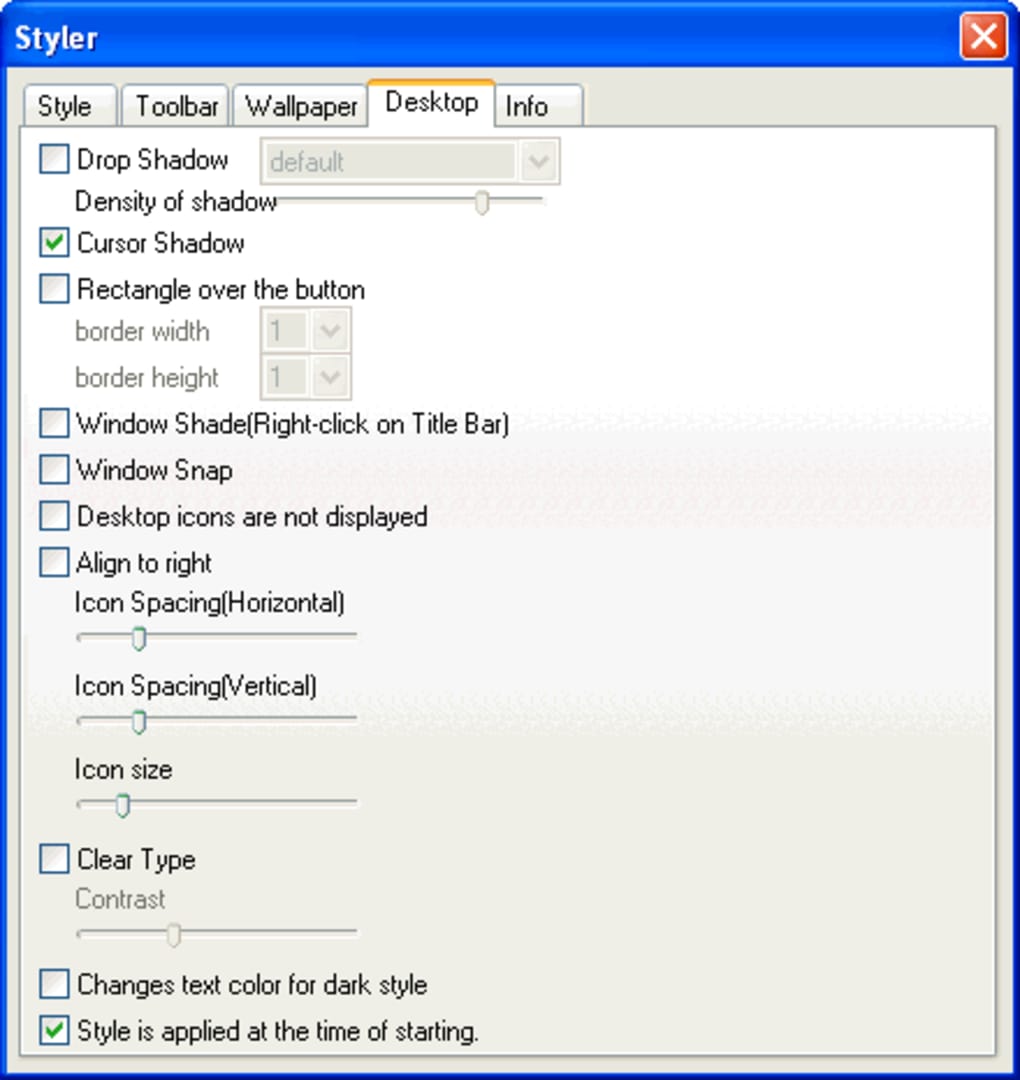
Styler, developed by CrystalXP, falls under the category of desktop customization software, specifically focusing on visual styles for Windows XP. Its core function was to allow users to alter the look and feel of their operating system beyond the limited options available natively. This included, though specifics are scarce due to the program’s age and lack of readily available documentation, the potential to modify elements like:
- Window borders and frames: Changing the color, thickness, and style of window borders was likely a key feature, offering a departure from the standard Windows XP appearance.
- Button styles: Users may have been able to adjust the appearance of buttons, making them larger, smaller, or altering their visual style.
- Icons: While not explicitly stated, it’s plausible that Styler provided some level of icon customization, further enhancing the personalization aspect.
- Cursors: Though not a core feature explicitly mentioned, the category placement of Styler suggests a possibility of allowing users to change cursor styles.
The extent of Styler’s customization capabilities is not fully documented, but its popularity suggests it offered a significant level of control over the user interface, exceeding what was available through the standard Windows XP settings. The program’s lightweight nature, requiring minimal storage space, contributed to its accessibility.
Styler’s Technical Aspects and History
Styler was available for download exclusively in English and was compatible with Windows XP and earlier versions of Windows. Its development ceased some time ago, with the last update recorded on August 6th, 2011. Despite its age, it accumulated a noteworthy 50,404 installations by 2011, indicating a significant user base, particularly in regions such as India, Thailand, and Georgia. The relatively small download size of 750.11 KB reflects its streamlined design and focus on specific customization tasks. The program’s discontinuation is a common occurrence for older freeware tools, often due to shifts in operating system compatibility and the lack of ongoing developer support.
The lack of readily available documentation and developer contact information makes a comprehensive analysis challenging. However, its popularity hints at its significance during the era of Windows XP, providing users with options for aesthetic personalization that weren’t as readily available through official Microsoft channels.
User Experience and Reviews
User reviews are limited, but existing feedback highlights both positive and negative aspects. One user, Zebulun Malzon, praised the app but noted its incompatibility with Windows 10, even when attempting to run it in compatibility mode. This incompatibility underscores the limitations of relying on outdated software designed for significantly older operating systems. The absence of developer support likely contributes to the inability to address compatibility issues and update the software.
The lack of broader user reviews speaks to the challenges of evaluating a discontinued program. The available feedback indicates that while Styler might have provided a useful service in its time, its legacy is primarily marked by its incompatibility with modern operating systems. The program’s age limits the availability of detailed user feedback and technical documentation.
Styler in the Context of Windows XP Customization
Styler existed within a broader context of third-party tools aimed at enhancing the visual appeal of Windows XP. During this era, customizing the look and feel of the operating system was a popular pursuit, driven by users’ desire for greater personalization. Many other programs offered similar or more extensive customization options, some of which may still be available, though likely with their own set of limitations and compatibility issues. Compared to these contemporaries, Styler’s precise niche and degree of customizability remain somewhat obscure due to the lack of easily accessible information.
The popularity of such customization tools during the Windows XP era reflects a fundamental user need for aesthetic control and expression within the digital environment. Users often sought ways to personalize their computing experience, moving beyond the standard system settings and creating a visually distinct desktop environment. This desire for personalization has, of course, continued into later versions of Windows, but with many options now provided natively within the operating system.
Understanding Styler requires placing it within the historical context of Windows XP customization tools. Its contribution was likely providing a user-friendly, albeit limited, means of modifying the visual aspect of Windows XP for users who sought a change from the default theme. Its ultimate failure lies in its lack of ongoing support and compatibility with modern operating systems.
The Legacy of Styler and Similar Tools
Styler, while now defunct, represents a phase in the history of Windows customization. Many similar tools emerged and disappeared during this era, serving a specific need before being overtaken by technological advancements and the evolution of operating systems. Their legacy is primarily historical, showcasing the constant desire for user personalization and the evolving relationship between software developers and user expectations. The popularity of such tools emphasizes the significant role user interface customization plays in shaping individual computing experiences. The limitations of these early tools, especially their lack of ongoing support and compatibility, highlight the challenges of preserving legacy software and the importance of continued development for sustained usability.
The overall legacy of Styler and its contemporaries is a testament to the enduring user demand for personalization and the cyclical nature of software development. While many tools from this era are obsolete, their existence underscores the ongoing pursuit of visually distinct and individually tailored computing experiences, a trend that continues to shape the development of modern operating systems and personalization options.
The lack of readily available information about Styler presents a unique challenge in assessing its full impact and significance. However, its installation numbers and placement within the context of Windows XP personalization tools suggests its role as a small but contributing part of the wider movement towards user-driven aesthetic customization. While its specific features remain partially obscured by time, its story highlights the ebb and flow of software development and the ever-evolving relationship between users and their operating systems.
File Information
- License: “Free”
- Version: “1.401”
- Latest update: “June 8, 2011”
- Platform: “Windows”
- OS: “Windows XP”
- Language: “English”
- Downloads: “25.2K”
- Size: “750.11 KB”


