
Subliminal Flash is a Windows-based application designed to subtly influence user behavior through the presentation of subliminal messages. These messages, flashed on the screen too quickly for conscious perception, aim to bypass the critical faculties of the mind and directly impact the subconscious. The theory behind this approach rests on the belief that repeated exposure to such messages can lead to lasting behavioral changes and the development of new habits. This article explores the software’s functionality, the science (or pseudoscience) behind subliminal messaging, potential applications, ethical considerations, and alternative approaches to self-improvement.
How Subliminal Flash Works
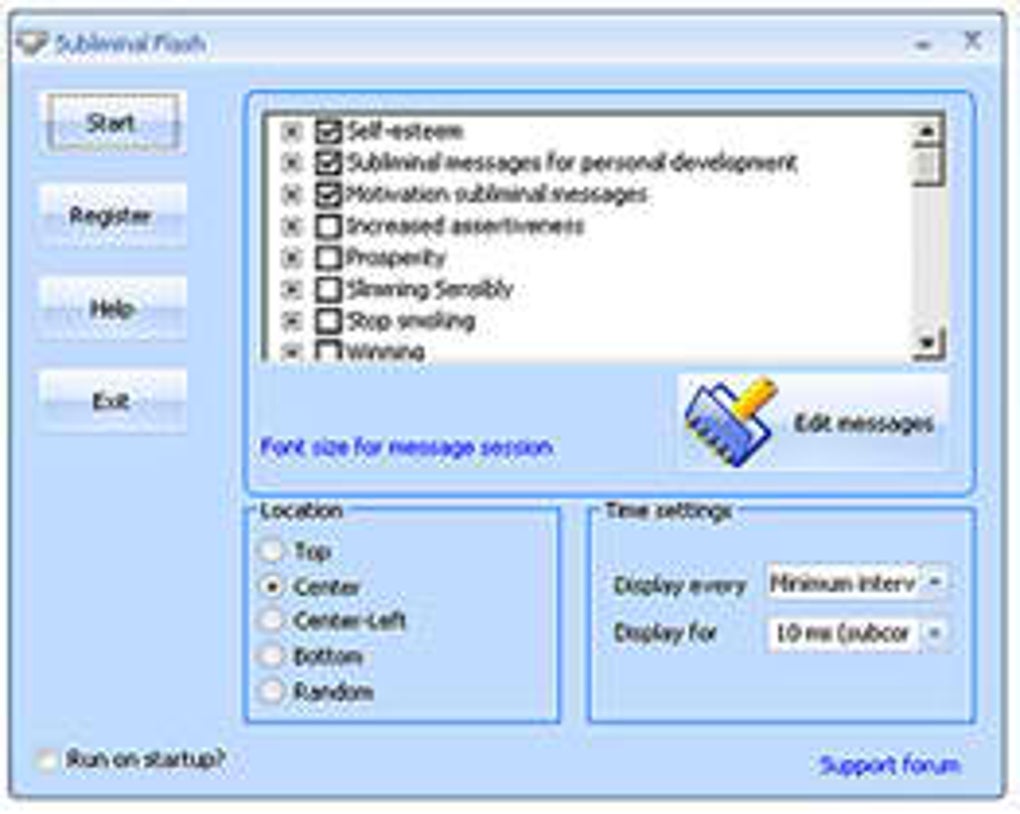
Subliminal Flash operates on the principle of rapid visual presentation. The software allows users to input custom text messages or choose from a selection of pre-loaded messages focusing on various self-improvement goals. These messages, ranging from enhancing self-esteem and motivation to addressing specific habits like smoking cessation or weight loss, are displayed on the screen for incredibly brief periods. The duration and frequency of these flashes are customizable, allowing users to tailor the intensity of the subliminal messaging. The software’s interface allows users to specify the location of the message on the screen, further enhancing the subtlety of the presentation. The speed and brevity of the presentation are key; the goal is to present the message below the threshold of conscious awareness.
The claim is that while the conscious mind may not register the message, the subconscious mind processes and absorbs it, leading to gradual changes in thoughts, feelings, and behaviors over time. This effect is theorized to work through associative learning and repeated reinforcement, gradually linking the subliminal message with specific desired outcomes. However, it’s crucial to acknowledge that the effectiveness of this technique remains a subject of considerable debate within the scientific community.
The Science (and Pseudoscience) of Subliminal Messaging
The efficacy of subliminal messaging is a contentious topic. While some research suggests limited effects under specific controlled conditions, many studies have failed to replicate these findings. The scientific consensus leans towards skepticism regarding the practical application of subliminal messaging for significant behavioral change.
Proponents of subliminal messaging point to studies demonstrating the potential for influencing attitudes and preferences at a subconscious level. They argue that the subconscious mind plays a crucial role in shaping behavior and that subliminal messages can tap into this powerful force. These arguments often draw upon Freudian concepts of the unconscious and its influence on human behavior.
Conversely, critics argue that the methodology of many studies supporting subliminal messaging is flawed. Issues such as lack of rigorous control groups, small sample sizes, and the potential for experimenter bias are frequently raised. Furthermore, they highlight the complex interplay of factors that contribute to behavioral change, questioning whether subliminal messaging can truly overcome the complexities of human motivation and decision-making.
The placebo effect also plays a significant role. The belief that a technique will work, regardless of its inherent effectiveness, can lead to positive outcomes. In the context of subliminal messaging, a user’s conviction in the software’s power might contribute to perceived improvements, even if the subliminal messages themselves have no direct impact.
Ultimately, while the possibility of subconscious influence cannot be entirely dismissed, the current scientific evidence does not provide strong support for the claim that subliminal messaging can reliably produce significant and lasting behavioral modifications.
Potential Applications and Ethical Considerations
While the effectiveness of subliminal messaging remains questionable, understanding its potential applications and associated ethical concerns is crucial. Proponents suggest its use in various contexts:
- Self-Improvement: Subliminal Flash, and similar software, is primarily marketed for self-improvement goals, aiming to help users enhance self-esteem, motivation, or break unwanted habits.
- Marketing and Advertising: The potential for manipulating consumer behavior through subliminal advertising has been a topic of ongoing debate. However, the effectiveness of this approach is largely unsubstantiated, and many jurisdictions have regulations in place to prevent deceptive marketing practices.
- Therapeutic Interventions: Some suggest the use of subliminal messaging in therapy to help address specific psychological issues. However, this approach is not widely accepted or practiced within mainstream therapeutic settings.
However, the ethical implications of subliminal messaging are significant. The potential for manipulation and coercion raises serious concerns. The ability to influence individuals’ choices and behaviors without their conscious awareness challenges notions of autonomy and informed consent. The lack of transparency and the potential for misuse make it a controversial technology.
Furthermore, the potential for negative consequences cannot be ignored. The use of subliminal messaging for harmful purposes, such as promoting prejudice or controlling individuals, is a chilling possibility. Therefore, responsible development and application of such technologies are crucial to prevent their misuse.
Alternatives to Subliminal Flash for Self-Improvement
Instead of relying on the potentially ineffective and ethically questionable method of subliminal messaging, individuals seeking self-improvement should consider more established and evidence-based approaches:
- Cognitive Behavioral Therapy (CBT): CBT is a widely recognized and effective therapeutic approach that helps individuals identify and modify negative thought patterns and behaviors.
- Mindfulness and Meditation: These practices can help individuals cultivate self-awareness, manage stress, and improve emotional regulation.
- Goal Setting and Behavior Modification Techniques: Setting clear, achievable goals and employing strategies like reward systems can effectively support positive behavioral change.
- Lifestyle Changes: Addressing underlying lifestyle factors, such as diet, exercise, and sleep, can significantly contribute to overall well-being.
- Professional Support: Consulting with a therapist, counselor, or other qualified professional can provide personalized guidance and support tailored to individual needs.
These alternatives offer a robust foundation for personal growth and development, grounded in scientific evidence and promoting ethical practices. They empower individuals to take an active role in their own self-improvement journey, fostering agency and control over their thoughts and behaviors.
Conclusion
Subliminal Flash presents a fascinating glimpse into the world of subliminal messaging. While the software offers an intriguing approach to self-improvement, the scientific evidence supporting its effectiveness is weak. Furthermore, significant ethical concerns arise regarding the potential for manipulation and misuse. Individuals seeking self-improvement are better served by exploring evidence-based methods that prioritize autonomy, transparency, and ethical considerations. The pursuit of personal growth should be a journey of conscious awareness and empowered choice, not a passive response to hidden messages. The efficacy of subliminal messaging remains a fascinating topic of debate, but for practical self-improvement, well-established methods offer a far more reliable and ethical path.
File Information
- License: “Trial version”
- Version: “3.8”
- Latest update: “July 11, 2023”
- Platform: “Windows”
- OS: “Windows XP”
- Language: “English”
- Downloads: “10.3K”
- Size: “1.68 MB”


