
Super Meat Boy Forever, the sequel to the notoriously challenging Super Meat Boy, throws players back into the bloody world of Meat Boy, the perpetually-running, cube-shaped protagonist. This time, the stakes are higher: Meat Boy must rescue his kidnapped child, Nugget, navigating a relentless gauntlet of treacherous levels. While retaining the core DNA of its predecessor – brutal difficulty and pixelated gore – Super Meat Boy Forever introduces significant changes that both enhance and alter the experience for returning and new players alike. The result is a platformer that remains intensely challenging but offers a distinct and arguably more frantic gameplay loop.
A Constant Run for Survival
Unlike the original Super Meat Boy, which offered carefully crafted, individual levels, Forever plunges players into a perpetually moving world. Meat Boy runs automatically, leaving the player to control his jumps, slides, and attacks. This constant motion fundamentally changes the pacing and demands quick reflexes and precise timing. No longer can players meticulously plan each move; they must react instantly to the onslaught of hazards. This constant forward momentum generates a sense of urgency that intensifies the already high-stakes gameplay. While this dynamic keeps the experience fresh and prevents players from simply memorizing level layouts, it also dramatically increases the difficulty curve.
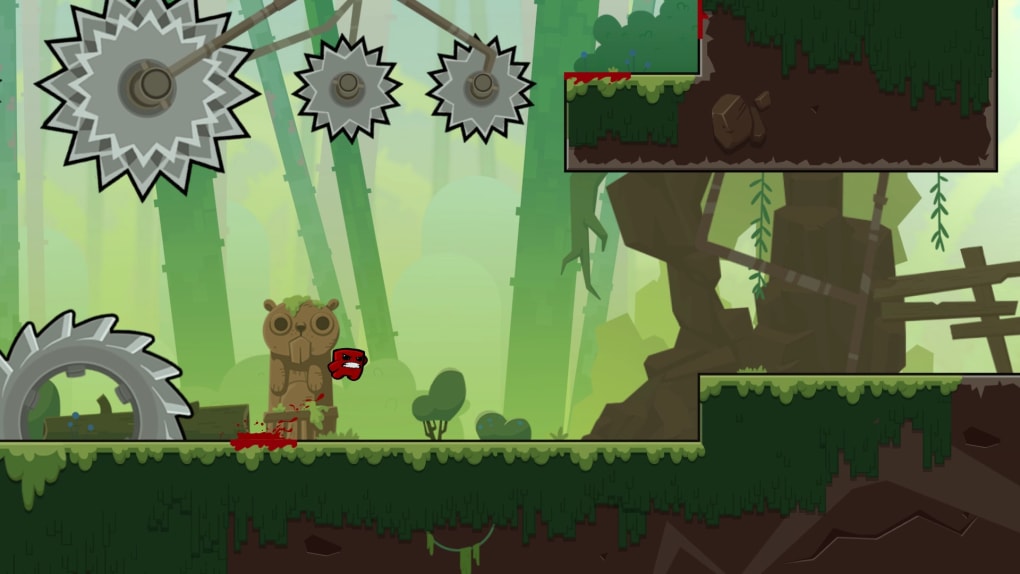
Evolving Challenges: Procedural Generation and Randomized Levels
One of the most significant departures from the original game lies in its level design. Super Meat Boy Forever utilizes procedural generation, meaning that levels are created randomly each time the game is played. This eliminates the possibility of memorizing level sequences, effectively removing the option of mastering each stage through repeated attempts. While this adds an element of unpredictability and replayability in theory, it can also be frustrating for players accustomed to the strategic memorization possible in the original game. The constant adaptation needed for each playthrough can lead to feelings of unfairness, especially during boss fights that change every time. The lack of consistent level layouts also significantly reduces the feeling of accomplishment after overcoming a particularly difficult sequence. What was a triumph in the original could feel simply like a lucky run in its sequel.
Visual and Audio Enhancements: A Cartoonish Bloodbath
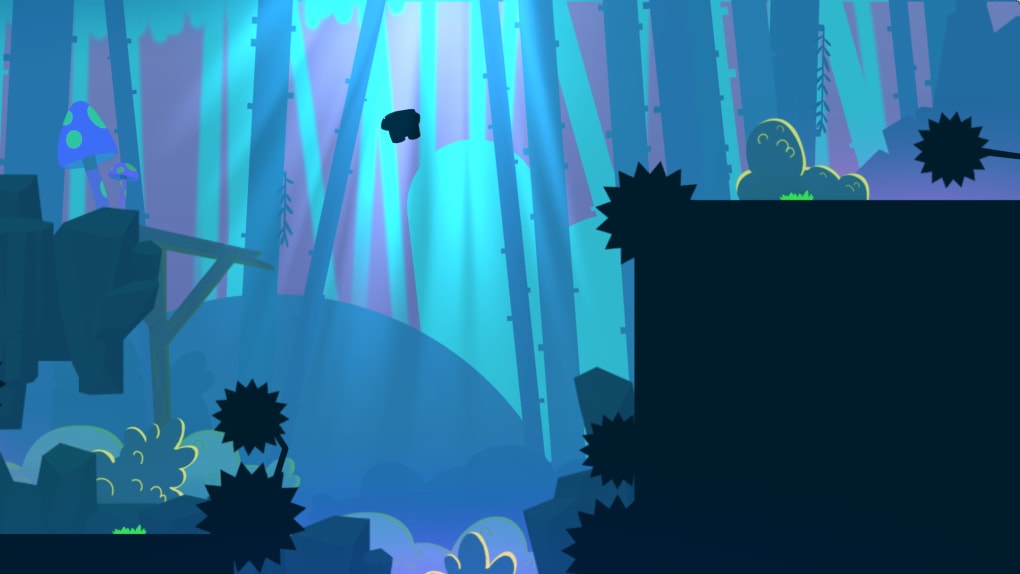
While maintaining the signature bloody aesthetic that defined the original, Super Meat Boy Forever adopts a more cartoonish art style. The animations are more expressive, and the overall visual presentation is brighter and less gritty. The music, too, receives an overhaul, matching the more vibrant visual style with a soundtrack that is energetic and fittingly frantic. This stylistic shift allows the game to maintain its dark humor and violent imagery while presenting a more approachable visual experience. However, this shift in visual identity may alienate some players who appreciated the original’s more stark and minimalist style. The change also creates a slightly jarring contrast between the cute cartoon aesthetic and the unrelenting difficulty and graphic depictions of violence.
Unlockable Content and Challenging Boss Fights
Despite the randomized levels, Super Meat Boy Forever offers some incentive for repeated playthroughs. The game features a system of unlockable characters, each with unique abilities and play styles. These unlocks provide additional incentives to continue playing and experimenting with different approaches to navigating the ever-changing levels. Further encouraging repeated attempts are the challenging boss fights. These encounters are as unpredictable as the levels themselves, requiring players to adapt their strategies on the fly. The boss encounters, though difficult, provide a sense of accomplishment that can partially counter the frustration caused by the randomized levels. However, the difficulty of these boss fights might outweigh the satisfaction for less experienced players.
A Steep Learning Curve and a Niche Appeal
Super Meat Boy Forever is undeniably difficult. The combination of automatically-running Meat Boy, randomized levels, and precise timing requirements creates a steep learning curve that can be daunting for casual players. The initial frustration stemming from repeated deaths can be significant, possibly leading to player burnout before they grasp the game’s nuances. This difficulty, coupled with the procedural level generation that eliminates the possibility of consistent improvement through memorization, creates a game that is likely to appeal primarily to hardcore platforming enthusiasts. The relentless challenge, while appealing to some, could be a significant barrier for many casual gamers who might find the experience overwhelmingly frustrating. While the game caters to a specific skill level, it lacks the broad appeal of other platformers that offer adjustable difficulty settings or more forgiving mechanics.
A Comparison with the Original: Evolution or Devolution?
Compared to its predecessor, Super Meat Boy Forever presents a mixed bag. The constant running and procedural generation introduce a fresh, almost frantic, dynamism, but they also diminish the meticulous strategic planning that characterized the original. The change in art style, while visually appealing to many, might not resonate with those who appreciated the original’s more stark aesthetic. Ultimately, Super Meat Boy Forever is not a straightforward evolution; it’s a significant departure. While it offers a compelling and uniquely intense platforming experience, it prioritizes chaotic, adrenaline-fueled gameplay over the deliberate, strategic approach of the original. This shift represents a trade-off that may appeal more to fans of endless runners and those who thrive on high-stakes, reaction-based challenges.
Pros and Cons: Weighing the Experience
Pros:
- Retains the core essence of Super Meat Boy: The brutal difficulty and satisfying precision-based gameplay are still present, albeit in a drastically different format.
- Fast-paced and adrenaline-pumping gameplay: The constant running introduces a sense of urgency and excitement that keeps the experience engaging, even during frustrating moments.
- Unlockable characters: Provides a reason to keep playing and mastering the mechanics, offering varied playstyles.
- Challenging boss fights: These encounters offer a change of pace and moments of intense satisfaction upon completion.
Cons:
- Extremely difficult: The combination of automatic running and randomized levels makes the game significantly more challenging than its predecessor, potentially alienating many players.
- Limited replayability: While procedural generation offers variety, the lack of memorizable levels and the overall repetitive nature of the gameplay loop can become tiresome.
- Frustrating level design: The randomized nature of levels can feel unfair at times, and the lack of consistent progression can hinder a sense of accomplishment.
- Steep learning curve: The game demands a high level of skill and quick reflexes, making it inaccessible to less experienced players.
Conclusion: A Game for the Dedicated
Super Meat Boy Forever is a challenging and ultimately rewarding platformer experience, but it’s one that demands a high level of patience and commitment. Its relentless difficulty and randomized level generation make it a niche title, appealing mainly to hardcore platforming enthusiasts who relish a brutal but exhilarating challenge. While the changes from the original game introduce a fresh and exciting gameplay loop, they also sacrifice some of the strategic depth and sense of accomplishment that defined its predecessor. The game’s relentless difficulty might be off-putting to many, but for those willing to endure the frustrating moments, Super Meat Boy Forever offers a uniquely intense and adrenaline-fueled platforming experience. The question remains: are you tough enough to rescue Nugget?
File Information
- License: “Full”
- Version: “varies-with-device”
- Latest update: “July 4, 2023”
- Platform: “Windows”
- OS: “Windows 10”
- Language: “English”
- Downloads: “5.7K”


