Super Torrent Search is a free software application designed for Windows operating systems, primarily aimed at simplifying the process of locating and accessing torrent files. While no longer actively developed or updated, its historical significance and legacy within the peer-to-peer (P2P) file-sharing community warrant a closer examination. This review delves into its functionality, historical context, available alternatives, and the overall landscape of torrent search within the digital ecosystem.
Understanding Super Torrent Search and its Functionality
Super Torrent Search, released in 2006, functioned as a search engine specifically tailored for torrent files. Unlike general-purpose search engines, it indexed and cataloged torrent files from various sources, allowing users to quickly locate specific files based on keywords or categories. This streamlined the often tedious process of manually navigating multiple torrent websites to find desired content. The program offered a simple interface, focusing on efficient search capabilities rather than incorporating advanced features found in modern torrent clients. It operated independently of a torrent client; its function was solely to discover potential download sources, leaving the actual downloading and management to the user’s chosen client (such as uTorrent or BitTorrent).
The application’s core strength lay in its aggregation of results from multiple sources. This meant users could potentially discover torrents that might be missed by searching individual websites. However, this also introduced potential risks, as the reliability and safety of the indexed sources varied considerably.
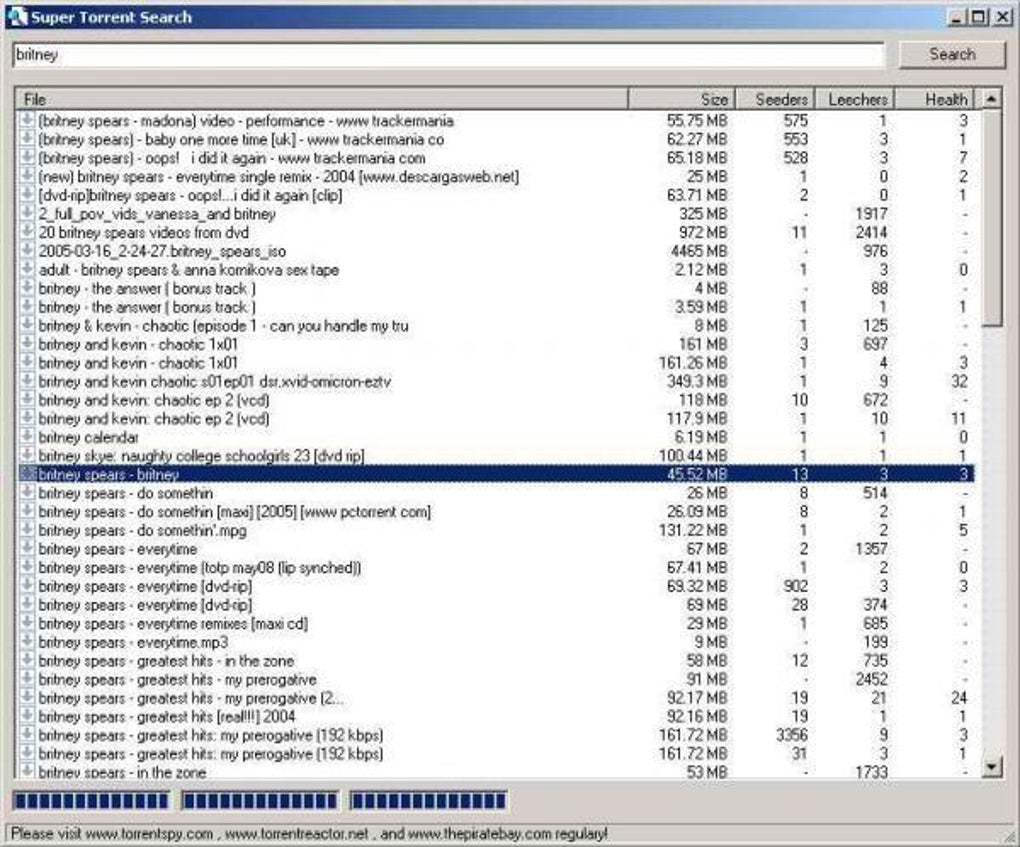
The program’s simplicity was both its strength and weakness. While the ease of use attracted many users, the lack of advanced features – such as verification of torrent integrity, integrated download management, or advanced filtering options – limited its appeal to more experienced or discerning users.
The Historical Context of Super Torrent Search and its Place in P2P File Sharing
Super Torrent Search emerged during a period of rapid growth in the popularity of peer-to-peer file sharing. The early 2000s saw the rise of BitTorrent technology, offering a more efficient and robust alternative to earlier P2P protocols. Torrent sites proliferated, offering a vast and often unregulated repository of digital content. This created both opportunities and challenges. The ease of access to a wide variety of files, including copyrighted material, led to legal battles and controversies. The lack of central control over the content also raised concerns about security and the potential spread of malware.
Super Torrent Search, in this context, served as a tool that facilitated access to this vast, decentralized network. Its role was to help users navigate the complexities of the torrent ecosystem, albeit without many of the safety nets and advanced features offered by more modern solutions. The application itself did not host or distribute any content; its function was purely to index and provide links to torrents hosted elsewhere.
The popularity of Super Torrent Search, particularly in countries like India, the United Kingdom, and the United States, reflects the widespread adoption of P2P file sharing during its active period. The high number of installations (over 70,000) is a testament to its appeal as a simple and efficient way to search for torrents. However, the cessation of development and updates highlights the challenges faced by such applications in an ever-evolving digital landscape. The changing legal landscape, increasing sophistication of anti-piracy measures, and the emergence of alternative, more feature-rich solutions ultimately contributed to its decline.
Security and Privacy Concerns in the Context of Torrent Search
The use of torrent technology, by its very nature, involves sharing files directly between users. This inherent characteristic raises certain security and privacy concerns, which are magnified when using tools like Super Torrent Search. The application itself likely did not actively compromise user security, but the torrents it indexed could originate from sources with malicious intent.
Downloading torrents from untrusted sources poses several risks, including:
- Malware Infection: Torrent files can be bundled with malware, which can infect a user’s system upon download or execution.
- Data Breaches: Malicious torrents might attempt to steal sensitive user information.
- Copyright Infringement: Downloading copyrighted material without proper authorization can have serious legal consequences.
- Exposure to Unsafe Content: Torrent networks can contain inappropriate or harmful content.
While Super Torrent Search did not inherently introduce additional security vulnerabilities, its function of aggregating links from numerous sources indirectly heightened these inherent risks. The absence of any built-in verification mechanisms increased the reliance on users to exercise caution and diligence when selecting and downloading torrents. The lack of ongoing development and updates further exacerbated this risk, as any security vulnerabilities discovered in the application would not have been addressed.
Alternative Torrent Search Methods and Applications
In the years since Super Torrent Search’s last update, the landscape of torrent search has significantly evolved. Numerous alternatives have emerged, offering enhanced features, improved security measures, and better user experiences. Some of these alternatives include dedicated torrent search engines, many of which integrate advanced filtering options, ratings, and other features to help users identify safe and reliable torrents. Others are fully-featured torrent clients that incorporate search functionality within their interfaces.
These modern alternatives often employ various strategies to mitigate security risks, including:
- Verification and Validation: Some engines and clients verify the integrity of torrent files to reduce the risk of malware.
- Community Ratings and Reviews: User reviews and ratings can help identify reliable and trustworthy torrent sources.
- Advanced Filtering Options: Features allowing users to filter results based on various criteria (e.g., size, seeders, leechers) provide better control over the search process.
- Anti-malware Integration: Some clients incorporate anti-malware scanning features.
These modern approaches contrast sharply with the simpler functionality of Super Torrent Search. While Super Torrent Search provided a basic means of searching for torrent files, current solutions prioritize user safety and convenience, offering a far more comprehensive and secure experience.
Conclusion: The Legacy and Lessons of Super Torrent Search
Super Torrent Search holds a significant place in the history of P2P file sharing, offering a glimpse into the early days of widespread torrent usage. Its simplicity and direct approach were appealing to many users, but its lack of advanced features and the inherent risks associated with torrent technology ultimately contributed to its obsolescence. The cessation of development highlights the importance of ongoing maintenance and updates in software development, especially in rapidly evolving digital environments.
The legacy of Super Torrent Search serves as a valuable reminder of the importance of safety and security when engaging with P2P networks. Modern alternatives offer substantial improvements in terms of user experience, security features, and overall reliability. Users seeking to download torrents should prioritize utilizing reputable and well-maintained tools that prioritize user safety and adhere to best practices for mitigating security risks. The evolution from Super Torrent Search to the current generation of torrent search tools underscores the vital role of continuous improvement and the increasing importance of security in the ever-changing digital landscape.
File Information
- License: “Free”
- Version: “1.0”
- Latest update: “August 22, 2018”
- Platform: “Windows”
- OS: “Windows XP”
- Language: “English”
- Downloads: “73.7K”
- Size: “120.78 KB”