
Surf VPN, a free and open-source virtual private network (VPN) proxy available as a Google Chrome extension, offers users a simple yet effective way to enhance their online privacy and security. Its primary function is to unblock websites and circumvent geographical restrictions, providing users with unrestricted access to the internet regardless of their location or network limitations. This comprehensive guide delves into the features, functionalities, and implications of using Surf VPN, addressing its strengths, weaknesses, and considerations for users.
Unblocking Websites and Bypassing Geo-Restrictions
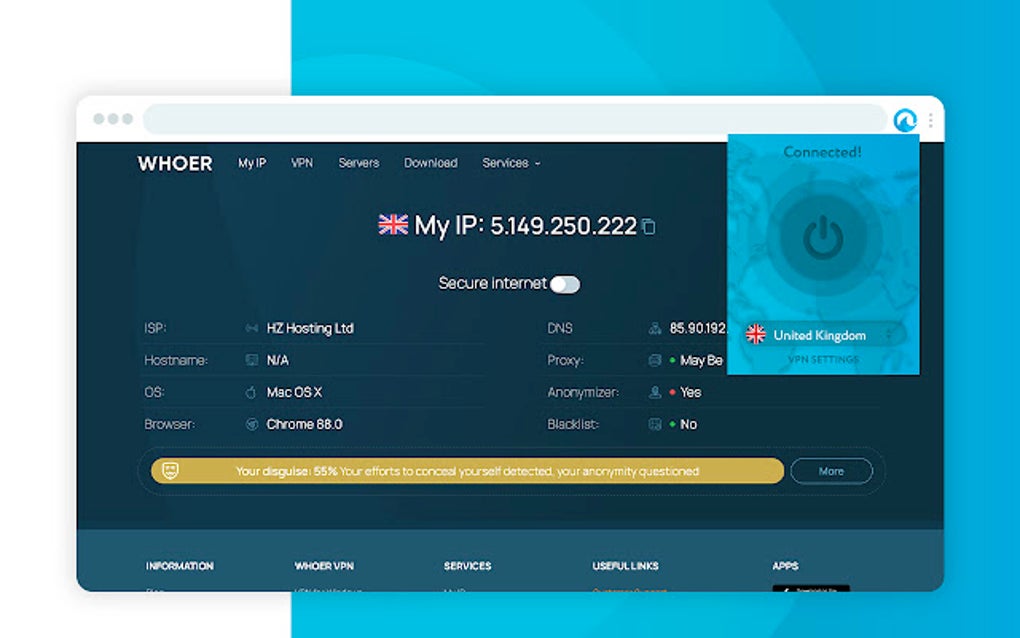
One of Surf VPN’s core functionalities is its ability to bypass geographical restrictions and unblock websites. Many websites and online services restrict access based on a user’s IP address, effectively limiting content availability depending on location. Surf VPN masks the user’s IP address by routing their internet traffic through its secure servers located in various countries. This cloaking mechanism allows users to access websites and services that may be blocked in their region due to censorship or licensing agreements.
For example, users in countries where popular social media platforms like Facebook or YouTube are restricted can leverage Surf VPN to bypass these restrictions and access these platforms freely. Similarly, users seeking to stream content from platforms with region-specific libraries can utilize Surf VPN to connect to servers in the appropriate region, gaining access to a wider selection of shows and movies.
Beyond specific websites, Surf VPN aids in bypassing network limitations imposed by firewalls and WiFi hotspots. Many public WiFi networks employ strict firewalls that restrict access to certain websites or services. By utilizing Surf VPN, users can circumvent these restrictions, ensuring secure and unrestricted access to the internet even when using public WiFi. This is particularly crucial for protecting sensitive data transmitted over unsecured networks.
Enhanced Security and Privacy on Public Networks
Using public WiFi networks, such as those found in cafes, hotels, or airports, presents inherent security risks. These networks often lack robust security measures, making users vulnerable to data interception and cyberattacks. Surf VPN significantly mitigates these risks by encrypting the user’s internet traffic, preventing third parties from monitoring online activity or accessing sensitive information.
When connected to a public WiFi network, Surf VPN creates a secure tunnel between the user’s device and its servers, effectively shielding their data from prying eyes. This encryption ensures that even if someone intercepts the user’s internet traffic, they will be unable to decipher the data due to its encrypted nature. This protection is particularly valuable when handling sensitive information such as banking details, login credentials, or personal communications.
Protecting Against Tracking and Advertising
Surf VPN contributes to safeguarding user privacy by masking their online activities from trackers and advertisers. Many websites and online services employ tracking technologies to gather user data, including browsing history, location, and preferences. This data is often used for targeted advertising, which can be intrusive and raise privacy concerns.
Surf VPN’s ability to mask IP addresses and encrypt traffic limits the effectiveness of these tracking technologies. By hiding the user’s true IP address and obscuring their browsing patterns, Surf VPN reduces the amount of data that can be collected by trackers and advertisers. This heightened anonymity contributes to greater online privacy and reduces the risk of targeted advertising based on personal information.
User Experience and Ease of Use
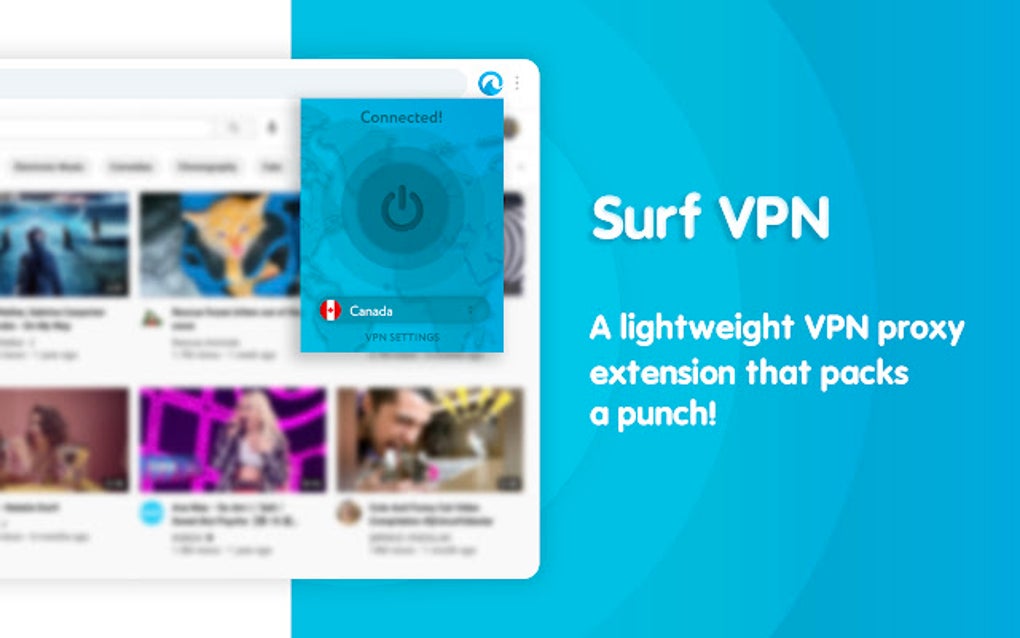
Surf VPN, designed as a Google Chrome extension, provides a user-friendly interface. Its simplicity is a key advantage, requiring minimal technical expertise to use effectively. The straightforward installation process and intuitive design make it accessible even to novice users.
Once installed, connecting to a VPN server typically involves a single click. The extension displays a clear indication of the user’s connection status and the selected server location. The lack of complex configurations or settings contributes to the ease of use, making Surf VPN a convenient option for users seeking a straightforward VPN solution.
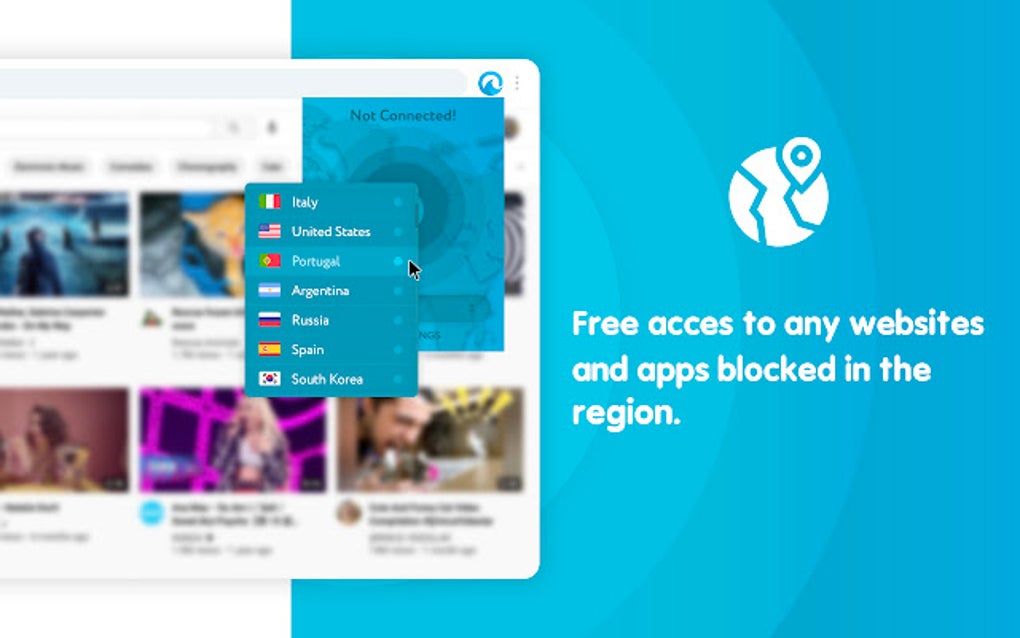
While the extension prioritizes simplicity, it still allows users to select servers from different locations based on their needs. This option enables users to optimize their connection speed and access region-specific content, enhancing the overall user experience.
Limitations and Considerations
While Surf VPN offers several advantages, it also has limitations. As a free service, it may not offer the same level of speed, server selection, or features as paid VPN services. Free services often come with trade-offs, including potentially slower connection speeds, fewer server locations, and limited bandwidth.
Furthermore, the free nature of Surf VPN means it may display advertisements or include data collection practices. Users should review the privacy policy and terms of service to understand the extent of any data collection and how their information might be used. For users with heightened privacy concerns, paid VPN services with more transparent policies may be a preferable option.
Another limitation to consider is the potential for server congestion. Free VPN services often experience higher server loads compared to paid services with more robust infrastructure. This can result in slower connection speeds during peak usage periods.
Security and Privacy Implications
While Surf VPN enhances security and privacy, it’s crucial to acknowledge that no VPN service offers absolute security. While encryption protects against data interception, vulnerabilities within the VPN provider’s infrastructure or software could potentially expose user data. Choosing a reputable VPN provider, however, significantly reduces this risk.
It’s important to carefully consider the provider’s privacy policy and security practices. Look for providers that have a transparent privacy policy and utilize robust encryption protocols. Avoid providers with questionable reputations or those that have been linked to data breaches or security vulnerabilities.
Conclusion
Surf VPN, a free and open-source VPN proxy, presents a viable solution for users seeking to enhance their online privacy, bypass geographical restrictions, and access the internet securely. Its user-friendly interface and simple functionality make it appealing to a broad range of users. However, understanding its limitations and considering its free nature—which often involves compromises in speed, server selection, and potential data collection—is vital before use. Users with extreme privacy concerns or those requiring high-speed connections may benefit from exploring paid VPN alternatives with more extensive features and more robust infrastructure. Ultimately, the choice of whether to use Surf VPN or another VPN service depends on individual needs and priorities regarding privacy, security, and online freedom.
File Information
- License: “Free”
- Version: “1.2.10”
- Latest update: “January 22, 2025”
- Platform: “chrome”
- Downloads: “497”


