
Tabletop Simulator, developed and published by Berserk Games, transcends the limitations of physical space, bringing the thrill and camaraderie of tabletop gaming to the digital realm. This comprehensive guide explores the features, benefits, and potential drawbacks of this popular simulation game, offering a detailed look at its mechanics, community, and overall impact on the gaming landscape.
The Allure of Virtual Tabletop Gaming
Tabletop Simulator isn’t just a game; it’s a platform. It provides a virtual space where players can experience a vast library of classic and custom board games, card games, and even role-playing games, all from the comfort of their own homes. The game boasts a robust 3D engine, rendering game components with impressive fidelity. Players interact with the virtual tabletop using a mouse and keyboard, or optionally, with a game controller, manipulating game pieces, drawing cards, and rolling dice with intuitive controls – mimicking the physical experience as closely as possible within the digital environment.
The game’s appeal extends beyond its technical capabilities. It fosters a strong sense of community, connecting players worldwide in shared experiences. Whether recreating cherished childhood memories with friends across continents or discovering new games with a vibrant online community, Tabletop Simulator provides a flexible and engaging social experience that mirrors, and in some ways enhances, the feeling of sitting around a physical table with friends.
The ability to create and share custom games is a key differentiating factor. Users can design their own board games, card games, and even RPG systems, utilizing a powerful modding community and a surprisingly accessible game creation suite. This opens up a world of creativity and customization, allowing players to not only enjoy existing titles but also to contribute their own unique designs to the ever-expanding library of available games.
A Vast Library and Beyond: Exploring the Game’s Content

Tabletop Simulator’s strength lies in its versatility. The core game acts as a framework, allowing users to import and play a vast array of pre-existing games, while simultaneously enabling the creation of entirely new ones. This dual functionality creates a robust and dynamic ecosystem, constantly evolving with user contributions and community-driven innovations.
The game’s readily accessible library features a wide range of established titles, covering diverse genres and play styles. From timeless classics such as chess and backgammon to more complex strategy games, card games requiring intricate bluffing, and even role-playing systems allowing for extensive narrative creation, Tabletop Simulator provides something for every gaming preference.
The ability to play with custom rulesets and modified components extends the versatility further. Whether fine-tuning existing games to suit personal preferences or designing entirely new gameplay mechanics, the modding community empowers players to tailor their gaming experiences to their exact desires. This level of customization transforms Tabletop Simulator from a simple game platform into a powerful creative tool.
Beyond the sheer quantity of available games, the quality of the digital representations is noteworthy. The 3D models of game components are generally well-rendered, capturing the look and feel of physical counterparts, enhancing immersion and contributing to the overall enjoyment of the virtual experience. This attention to detail goes beyond mere aesthetics; it contributes significantly to the game’s intuitive playability and realistic feel.
Mastering the Interface: Controls and Gameplay Mechanics
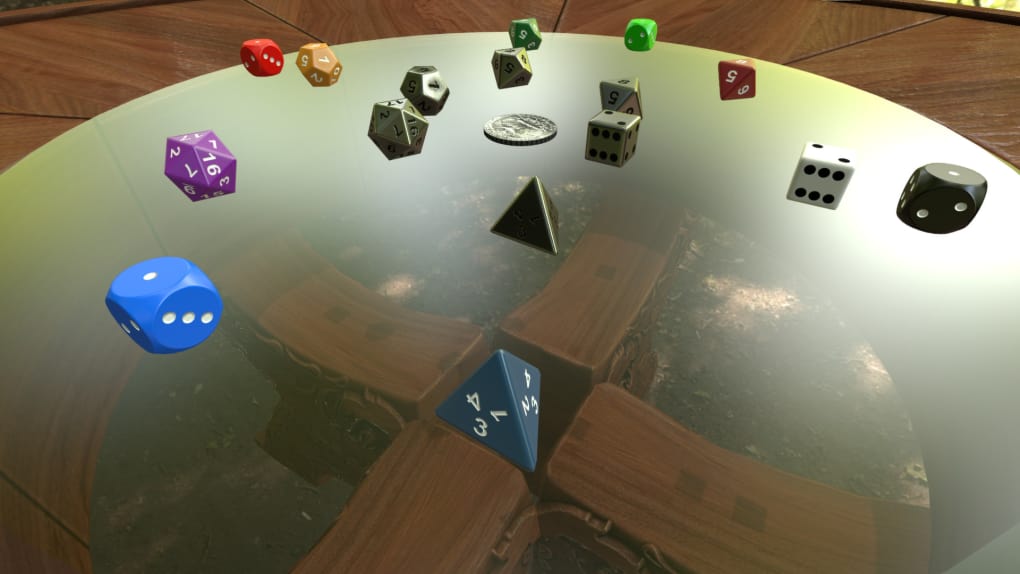
Navigating the virtual tabletop requires familiarity with the game’s control scheme. While the intuitive nature of the interface makes it relatively easy to pick up and play, mastering the finer points of the control system allows for smoother and more efficient gameplay.
Players interact with game components primarily using the mouse. Clicking and dragging enables the manipulation of game pieces, cards, and other elements. The system supports various input methods, including keyboard shortcuts for faster actions. These features are designed to mimic the physical actions of a real-life game, offering a sense of tactile engagement that many digital games fail to reproduce effectively.
The game’s support for controllers further enhances its accessibility and playability. While mouse and keyboard remain the primary control method, controller support allows for alternative input options, catering to a broader range of players and potentially improving the experience for those who prefer a more hands-off approach.
While the controls are generally intuitive, the learning curve can be somewhat steep for newcomers. The sheer number of possible actions and interaction methods, coupled with the 3D environment, might initially feel overwhelming. However, the game’s tutorial and abundant online resources effectively address this, providing ample support for players to learn the ropes and master the various controls and mechanics.
The Community: A Hub of Collaboration and Creation
The thriving online community surrounding Tabletop Simulator is a testament to the game’s enduring appeal. This community is not simply a collection of players; it acts as a driving force behind the game’s continued development and evolution. The community’s contributions in terms of custom game creation and the development of new mods greatly expand the game’s content and overall value.
The interaction between players, developers, and modders fosters a sense of collaborative creativity. Users can easily share their creations, allowing for widespread adoption and community feedback. This dynamic exchange of ideas and contributions ensures a constant influx of new content, keeping the gameplay experience fresh and engaging.
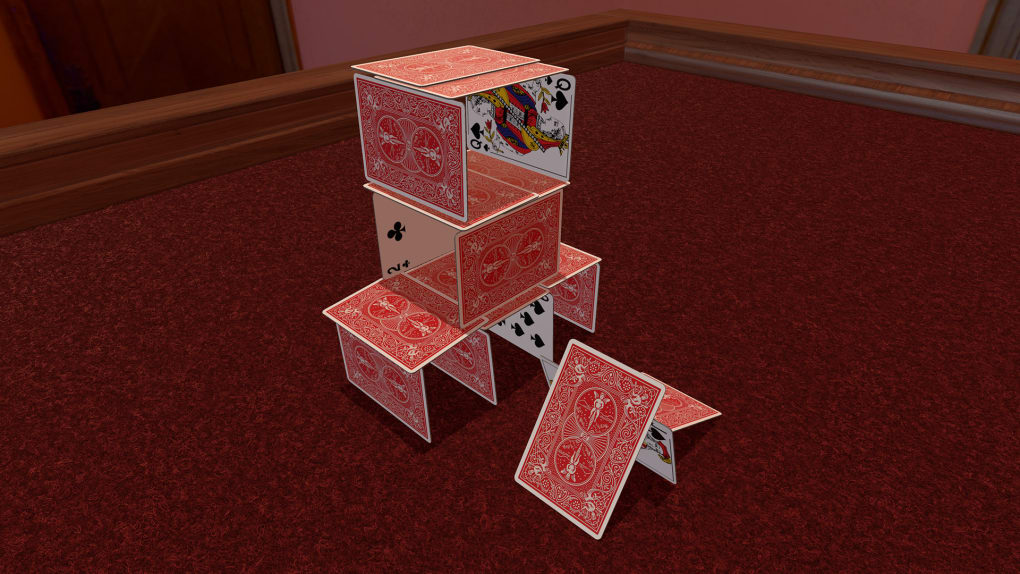
The online multiplayer aspect of the game strengthens the community bond. Players can connect with friends and strangers alike, participating in both casual and competitive matches. This social element elevates the experience, transforming the game from a solitary pastime into a shared interactive experience, reminiscent of the social interaction found in traditional tabletop gaming.
System Requirements and Potential Drawbacks
While Tabletop Simulator offers a rewarding experience, it’s not without its limitations. The game’s realistic rendering requires a reasonably powerful computer, meaning that players with older or less capable systems may encounter performance issues. The system requirements, while not exceptionally demanding, do exceed those of many other casual digital games.
Connectivity issues can also sometimes disrupt gameplay. Multiplayer sessions depend on a stable internet connection, and any lag or disconnections can significantly impact the overall experience. Similarly, the game’s matchmaking system, while functional, can sometimes be inefficient, leading to delays in finding suitable matches or experiencing connectivity problems during gameplay.
The control scheme, while intuitive for many, can present a challenge for some players. The combination of mouse controls and 3D interaction might not suit all players, and the learning curve can be steeper than other digital games.
In conclusion, Tabletop Simulator offers a compelling alternative to traditional tabletop gaming, bridging the gap between physical and digital interaction. Its vast library of games, robust community, and impressive 3D rendering create a rich and engaging experience. While potential drawbacks exist regarding system requirements and occasional connectivity issues, the game’s strengths ultimately outweigh its limitations, cementing its position as a leading platform for virtual tabletop gaming.
File Information
- License: “Full”
- Latest update: “August 1, 2025”
- Platform: “Windows”
- OS: “Windows 8.1”
- Language: “English”
- Downloads: “10.2K”


