
Tactical Ops: Assault on Terror, a free-to-play first-person shooter (FPS) game released in 2002, captivated gamers with its fast-paced action and immersive counter-terrorism gameplay. While the graphics may seem dated by today’s standards, its enduring popularity speaks to its unique blend of intense combat, strategic elements, and a nostalgic appeal for players who experienced it in its heyday. This article delves into the game’s history, gameplay, reception, and its lasting impact on the FPS genre.
Gameplay: A High-Octane Counter-Terrorism Experience
Tactical Ops: Assault on Terror plunges players into the heart of intense counter-terrorism operations. Unlike many contemporary shooters of its time, it emphasized strategic thinking and tactical maneuvering over sheer firepower. Players assume the roles of highly trained counter-terrorism operatives, tasked with neutralizing terrorist threats in various dynamic environments. The game’s scenarios typically involve navigating complex levels, clearing rooms methodically, and engaging enemies in close-quarters combat.
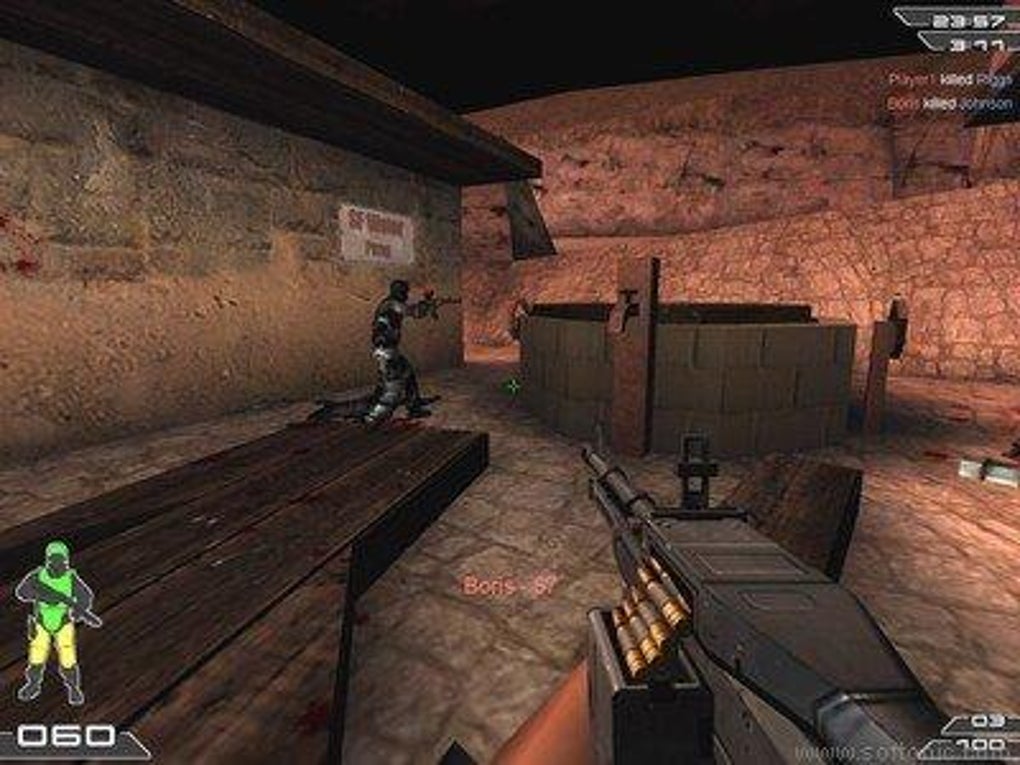
The game’s mechanics are relatively straightforward, focusing on core FPS elements such as accurate shooting, precise aiming, and effective use of cover. Players have access to a range of weaponry, including pistols, submachine guns, assault rifles, shotguns, and explosives. However, ammo management is crucial; players need to strategically conserve ammunition and make every shot count. Reliance on brute force alone often results in swift defeat. Success hinges upon skillful positioning, tactical awareness, and understanding enemy behavior. The game encourages players to approach each encounter with calculated precision rather than rushing in headfirst.
The AI in Tactical Ops: Assault on Terror, while not overly sophisticated by modern standards, still presents a considerable challenge. Enemies react realistically to the player’s actions, taking cover, flanking, and utilizing tactical maneuvers of their own. This dynamic AI ensures that each encounter feels unique and unpredictable, demanding quick thinking and adaptability from the player. The absence of regenerating health necessitates careful positioning and planning, making every engagement a high-stakes confrontation.
Beyond the core shooting mechanics, the game also incorporated elements of stealth. While not a full-fledged stealth game, players could utilize the environment to their advantage, approaching enemies silently or using cover to avoid detection, especially in early levels where the player’s arsenal is relatively limited.
Graphics and Sound: A Product of its Time
Developed in 2002, Tactical Ops: Assault on Terror’s visual presentation reflects the technological limitations of its era. The graphics, while not photorealistic, possess a distinctive aesthetic that many players find charmingly nostalgic. The environments, although relatively simple in their design, are effective in conveying atmosphere and mood, effectively depicting the gritty reality of urban warfare and high-stakes rescue operations. The character models are similarly basic but adequately represent the various roles within the game.
The sound design is equally crucial in creating the game’s tense and immersive atmosphere. The sound effects are suitably realistic, adding weight to each gunshot and explosion. The soundtrack, although simple, adds to the overall mood and effectively complements the intensity of the gameplay. These factors, coupled with the responsive gameplay, compensate for the graphical limitations.
Reception and Legacy: A Cult Classic
Upon its release, Tactical Ops: Assault on Terror received mixed reviews. While praised for its fast-paced action and relatively challenging AI for its time, criticisms were levied at its outdated graphics and occasionally repetitive gameplay. However, the game developed a dedicated following among players who appreciated its unique blend of intense action and strategic gameplay. Its relatively low system requirements also meant it was accessible to a wide range of players, further contributing to its enduring popularity.
The game’s legacy is tied to its impact on the indie and mod communities. Many players spent considerable time creating and sharing custom maps, game modes, and even complete modifications, greatly extending the game’s lifespan and ensuring that it remained relevant for years after its initial release. This active community demonstrates the game’s enduring appeal and its capacity for ongoing engagement. These efforts showcase the game’s fundamental design’s robustness, allowing for extended life and fostering community interaction.
Even in a modern gaming landscape saturated with advanced FPS titles, Tactical Ops: Assault on Terror retains a unique charm. Its blend of raw action, strategic depth, and readily accessible gameplay establishes a lasting appeal that transcends its technological limitations. It serves as a testament to the enduring allure of simple yet compelling gameplay mechanics. The nostalgic value for players who grew up with the game further contributes to its continuing relevance.
Comparison to Contemporaries: A Unique Niche
Compared to other FPS games of its era, such as Counter-Strike and Unreal Tournament, Tactical Ops: Assault on Terror occupied a unique niche. While games like Counter-Strike emphasized competitive team-based play and tactical precision, Tactical Ops leaned more heavily on the single-player experience, offering a linear progression through a series of increasingly challenging missions. The absence of complex character customization or extensive weapon arsenals set it apart from larger titles like Unreal Tournament. This focus on a more focused, single-player experience contrasted with the multiplayer focus of its contemporaries, making it stand out in the broader FPS landscape.
The game’s emphasis on intense, close-quarters combat also distinguished it. While many FPS games of the time featured sprawling levels and long-range engagements, Tactical Ops: Assault on Terror frequently threw players into tight corridors and confined spaces, necessitating quick reactions and precise aiming. This intensified the urgency and pressure of gameplay, increasing its overall impact and tension.
The simplified, yet effective, gameplay mechanics meant that players could quickly grasp the basics and dive into the action without a steep learning curve. This accessibility, combined with the highly engaging gameplay loop, contributed to its broad appeal. This ease of entry, contrasted with the often steeper learning curves of more complex FPS titles, significantly expanded its potential player base.
Conclusion: A Timeless Classic?
Tactical Ops: Assault on Terror, despite its age, retains a certain charm and appeal. While its graphics and some aspects of its gameplay may appear rudimentary by modern standards, its fast-paced action, challenging AI, and strategic depth continue to offer a unique and engaging experience. Its enduring popularity, fueled by nostalgia and an active modding community, showcases its lasting impact on the FPS genre. Although not a revolutionary title in terms of technological innovation, its timeless appeal proves that effective gameplay mechanics and engaging scenarios remain paramount in a continually evolving gaming world. The game serves as a reminder that the core principles of effective gameplay can transcend technological advances. While it may not be suitable for players seeking hyper-realistic visuals or competitive online experiences, for those seeking a challenging and enjoyable blast from the past, Tactical Ops: Assault on Terror remains a worthwhile experience.
File Information
- License: “Free”
- Version: “3.1.5-2nd-edition”
- Latest update: “February 8, 2017”
- Platform: “Windows”
- OS: “Windows 98 SE”
- Language: “English”
- Downloads: “87.7K”
- Size: “212.23 MB”


