
In the vast and ever-evolving landscape of digital entertainment, puzzle games hold a unique and cherished position. They offer a blend of mental stimulation, relaxation, and satisfying progression that appeals to a broad demographic. Among the myriad of options available for Windows 10 users, Taptiles stands out as a distinctive and engaging experience. Developed by Rare Ltd, this free-to-play puzzle game introduces a captivating 3D element to the classic tile-matching formula, challenging players not just with pattern recognition but also with spatial awareness and strategic foresight. Available through platforms like PhanMemFree.org, Taptiles for Windows 10 delivers a fresh perspective on a beloved genre, inviting players into a world of rotating puzzles and intricate challenges that prove both addictive and rewarding.

At its core, Taptiles is a game about finding and matching tiles. However, it elevates this simple premise by presenting its puzzles as three-dimensional structures. This means players aren’t just looking at a flat board; they must actively rotate the entire puzzle to uncover hidden tiles and plan their moves. This dynamic approach transforms a potentially static experience into an interactive and visually stimulating one, demanding a different kind of engagement from the player. Beyond its innovative gameplay, Taptiles also weaves a subtle story into its fabric, featuring a map to chart progress and various power-up bonuses that enhance the gameplay experience. Optimized for touchscreen devices, it offers seamless interaction, making it particularly appealing to users with modern Windows 10 tablets and hybrid laptops.
Delving into the Unique Gameplay of Taptiles
Taptiles isn’t just another tile-matching game; it’s an experience that reinvents the genre by integrating a crucial third dimension. This innovative approach forces players to think beyond traditional 2D matching, adding layers of complexity and engagement that keep the gameplay fresh and challenging. The unique mechanics are what truly set Taptiles apart, demanding both quick reflexes and thoughtful strategy.
A Fresh Spin on Tile Matching: The 3D Advantage
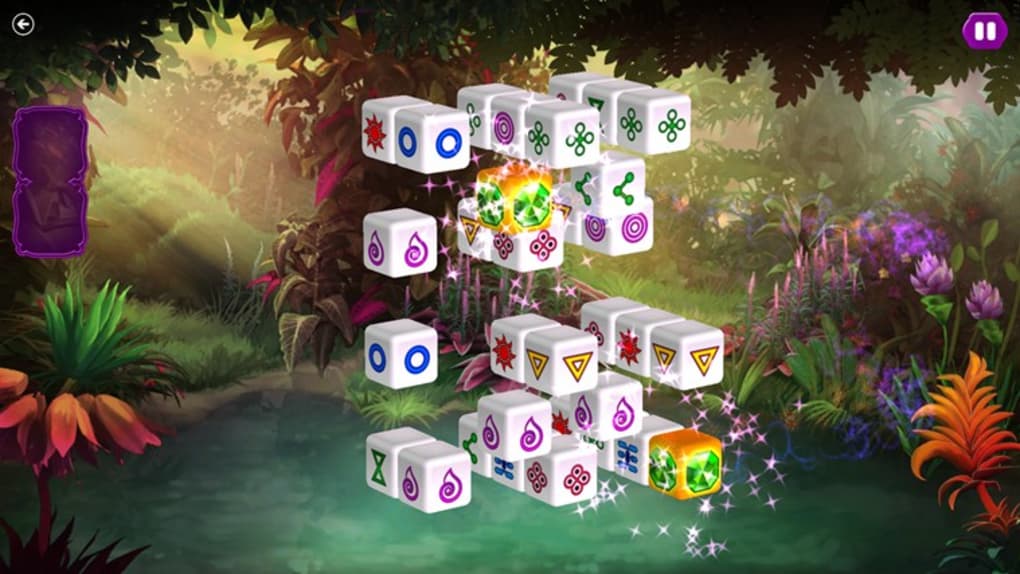
The most defining characteristic of Taptiles is its isometric presentation of puzzles, where multiple cubes are meticulously stacked at the center of the screen. Unlike conventional tile games where all elements are visible at once, Taptiles ingeniously hides numerous tiles from immediate view. To unveil these elusive pieces, players must skillfully manipulate the entire 3D structure. This is typically achieved using the arrow keys on the keyboard, allowing for seamless rotation of the puzzle. This constant need to rotate and explore introduces a significant spatial reasoning component, turning each level into a dynamic discovery process. It’s not enough to simply identify matching symbols; players must also consider the orientation of the puzzle and anticipate which tiles will become accessible after a rotation.
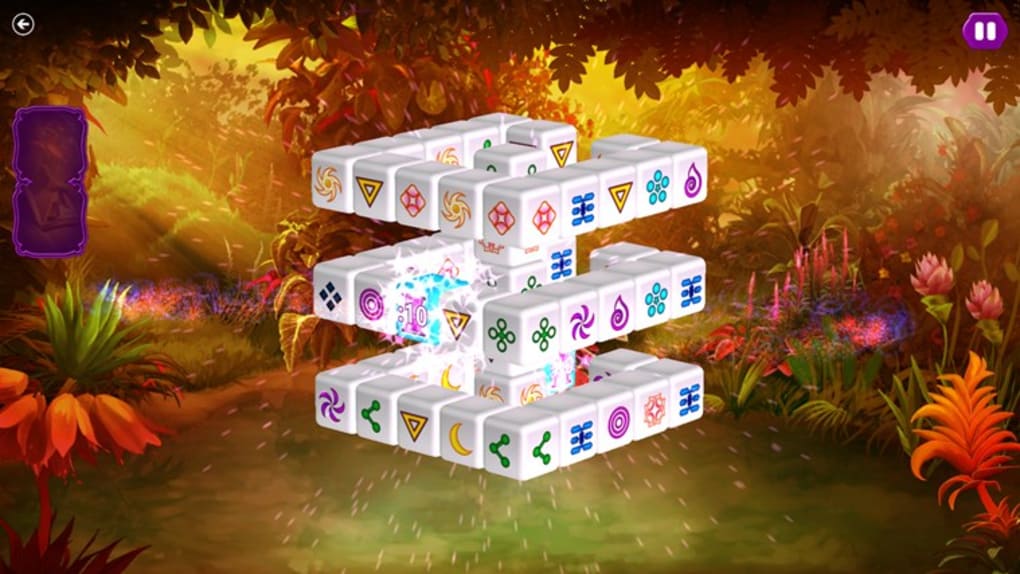
Once a player has identified a visible tile, the process of matching is straightforward yet strategic. By clicking on a tile and then selecting another tile bearing the identical symbol, players can make them vanish. However, this ease of action is governed by a fundamental rule that will feel instantly familiar to anyone who has played the classic card game Solitaire. In Taptiles, as in Solitaire, cubes can only be removed if they are “free” on different sides. This means a tile cannot be removed if it is completely obstructed by other tiles on all sides except the one facing the player. This crucial rule adds a layer of tactical planning: players cannot simply clear any visible match. Instead, they must prioritize clearing tiles that are blocking others, effectively chipping away at the stack from its edges. The objective, therefore, evolves beyond mere symbol matching into a strategic demolition of the 3D structure, requiring foresight to avoid getting stuck with inaccessible tiles. This interplay between rotating the puzzle, identifying matches, and strategically removing blocking tiles creates a deeply engaging and intellectually stimulating loop.
The Race Against Time: Strategy Meets Speed
While the spatial puzzle-solving is a core component of Taptiles, the game introduces another significant layer of challenge: the element of time. Each gaming session in Taptiles is played against a ticking clock, transforming what could be a leisurely brain teaser into an exhilarating test of finesse and speed. This time limit ensures that players aren’t just thoughtfully solving puzzles but are also constantly pushing their efficiency and reaction times. The pressure of the clock adds an adrenaline rush, forcing players to make quick decisions while still maintaining accuracy and strategic thinking.
Progression through Taptiles’ diverse levels is contingent upon adhering to specific conditions, often intertwined with this time constraint. Simply clearing the board isn’t always enough; players might need to achieve a certain score, clear specific types of tiles, or complete the puzzle within a tight timeframe. The points awarded are directly correlated with the speed at which a puzzle is solved, rewarding those who can combine swift observation with effective strategy. This scoring system encourages replayability, as players strive to perfect their technique and achieve higher scores by completing levels faster.
Beyond the core puzzle mechanics, Taptiles also enriches the player experience with a narrative backdrop, albeit a light one. The game features a story that unfolds as players progress, providing a sense of purpose and continuity to the otherwise abstract act of tile matching. A detailed map allows players to chart their journey and see their accomplishments visually, fostering a sense of achievement and encouraging further exploration. Furthermore, Taptiles incorporates power-up bonuses that can be strategically deployed during gameplay. These bonuses, which might light up the scene or offer hints, can be crucial for overcoming particularly challenging levels or for improving speed, adding another tactical dimension to the game. The combination of time pressure, strategic decision-making, narrative elements, and power-ups ensures that Taptiles offers a multifaceted and continuously engaging puzzle experience for Windows 10 users.
Designed for Modern Windows Experiences
A notable advantage of Taptiles for Windows 10 is its thoughtful optimization for touchscreen devices. In an era where hybrid laptops and tablets are increasingly common, games that seamlessly integrate touch controls offer a significantly enhanced user experience. Taptiles excels in this regard, allowing players to interact with the 3D puzzles through intuitive swipes and taps, making the rotation and tile selection feel natural and fluid. This touch optimization broadens the game’s accessibility, making it just as enjoyable on a traditional desktop with a mouse and keyboard as it is on a convertible device in tablet mode. The ability to directly manipulate the puzzle with a finger or stylus adds a tactile dimension to the gameplay, further immersing the player in the challenge. This design choice highlights a commitment to providing a versatile and modern gaming experience tailored to the diverse hardware capabilities of the Windows 10 ecosystem.
Taptiles in the Broader Windows Ecosystem
Taptiles, while a specific puzzle game, doesn’t exist in a vacuum. Its design and appeal resonate with broader trends and categories within the Windows software landscape. Understanding its context allows us to appreciate its strengths not just as a standalone game but as a component of a rich digital environment.
The Enduring Appeal of Puzzle Games
Under the umbrella of Games, the Puzzle genre has consistently proven to be one of the most popular and enduring categories across all platforms, and Windows is no exception. Titles like Purble Place, Zuma’s Revenge!, and Candy Crush Saga have captivated millions, showcasing the universal appeal of brain-teasing challenges. Taptiles fits comfortably within this esteemed category, offering its own unique twist. The enduring popularity of puzzle games stems from several key factors: they offer mental stimulation, requiring logical thinking, pattern recognition, and strategic planning; they can be incredibly relaxing, providing a low-stress escape from daily routines; and they are often highly accessible, with simple mechanics that are easy to learn but difficult to master.
Taptiles innovates within this genre by introducing the critical 3D rotation mechanic. While many puzzle games operate on a 2D plane, Taptiles demands spatial reasoning, asking players to visualize unseen elements and plan their moves in a truly three-dimensional space. This not only sets it apart but also deepens the cognitive engagement. It transforms a familiar concept into something fresh, ensuring that even seasoned puzzle game enthusiasts find a new challenge. The timed aspect further injects excitement, merging the contemplative nature of puzzles with the thrill of speed, echoing the dynamic experiences found in action-oriented puzzle games. This blend of familiarity and innovation is key to its appeal and contributes to its position as a compelling option for Windows 10 gamers looking for something more than a typical match-three experience.
More Than Entertainment: Cognitive Engagement and Mental Wellness
While primarily categorized as a game, Taptiles also touches upon the principles often associated with Utilities & Tools, particularly in the realm of cognitive engagement and mental wellness. In a world increasingly focused on Productivity, finding effective ways to take mental breaks and engage different parts of the brain is crucial. Taptiles, through its unique 3D puzzle design and time-sensitive challenges, offers more than just casual entertainment; it provides a workout for the mind.
The requirement to rotate and visualize the 3D puzzle actively stimulates spatial reasoning and problem-solving skills. Players must constantly analyze the structure, anticipate outcomes of rotations, and plan sequences of moves, which are all excellent cognitive exercises. The time limit further enhances this, training players in quick decision-making under pressure, a skill valuable in many real-world scenarios. In this sense, Taptiles functions as a ‘mental utility’—a tool that, while designed for enjoyment, also contributes to cognitive agility and focus. It provides a structured challenge that can help alleviate mental fatigue from intensive work, offering a focused distraction that paradoxically sharpens the mind rather than dulling it. For those seeking a break from traditional productivity applications, Taptiles offers an engaging alternative that both entertains and subtly enhances mental faculties, showcasing how gaming can play a positive role in digital well-being.
The Role of Multimedia in Engaging Gameplay
In any digital experience, especially Multimedia offerings, the presentation plays a pivotal role in engagement. For Taptiles, while the primary focus is on its unique gameplay mechanics, the visual and auditory elements contribute significantly to creating an immersive and enjoyable environment. The game’s isometric visuals are crisp and clean, ensuring that the 3D puzzles are easy to distinguish and manipulate. The symbols on the tiles are clear and varied, aiding in quick identification during timed gameplay. While the source content doesn’t detail specific audio elements, one can infer that subtle sound effects for tile selection, matching, and rotation would enhance the tactile feel of the game and provide satisfying feedback.
The “power-up bonuses that light up the scene during gameplay” explicitly highlight a visual multimedia component. These visual cues not only serve a functional purpose by drawing attention to activated bonuses but also add to the game’s aesthetic appeal, making critical moments feel more dynamic and rewarding. The user interface, designed to be intuitive for both mouse/keyboard and touchscreen interaction, is another aspect of multimedia design that ensures smooth player experience. While Taptiles might not boast cinematic graphics or an epic soundtrack, its effective use of visual clarity and responsive design ensures that the multimedia aspects support and enhance the core puzzle-solving experience, making it both accessible and visually pleasing to a wide audience on Windows 10.
Unpacking Taptiles: Details, Downloads, and Developer Insights
Understanding a game often goes beyond just its gameplay; it involves looking at its origins, its technical specifications, and how the community perceives it. Taptiles, despite being a straightforward puzzle game, has a context that informs its presence and impact within the Windows 10 gaming sphere.
Availability and Technical Specifications
Taptiles is offered as a Free license, making it accessible to anyone with a compatible system without an initial financial commitment. This “free-to-play” model is a significant factor in its widespread adoption and allows users to try the unique 3D puzzle experience without risk. The game is specifically designed for the Windows platform, with strong optimization for Windows 10, ensuring stable performance and integration with the operating system’s features, including touchscreen capabilities.
The game is primarily available in English, but it boasts extensive multilingual support, including Czech, Danish, German, Greek, Spanish, Finnish, French, Italian, Japanese, Dutch, Norwegian, Polish, Portuguese, Russian, Swedish, Turkish, and Chinese. This broad linguistic support is commendable and indicates a global reach, making Taptiles enjoyable for a diverse international audience.
According to data available on PhanMemFree.org, Taptiles has garnered a substantial number of downloads, with a reported 29K downloads overall, and 83 downloads in the last month. These figures, while subject to fluctuation, indicate a consistent interest in the game, even years after its last update on June 7, 2018. The developer, Rare Ltd, is a well-known name in the gaming industry, celebrated for creating iconic titles across various platforms. While Taptiles might be a smaller, more focused project compared to some of their larger releases, the pedigree of the developer often assures a certain level of quality and polish in their productions. The security status indicates that the game is safe to download and install, providing peace of mind for users. This combination of free access, broad language support, and a reputable developer contributes to Taptiles’ sustained presence in the Windows gaming community.
User Reception and the ‘Addictive’ Factor
User reviews and ratings provide invaluable insights into a game’s true appeal and its perceived strengths and weaknesses. Taptiles, as listed on PhanMemFree.org, holds a respectable rating of 3.9 out of 5 stars, based on 136 reviews. This indicates a generally positive reception, suggesting that the game successfully delivers on its promise of an engaging puzzle experience.
One particular user review from February 12, 2013, succinctly captures the game’s primary draw: “Addictive game you can’t walk away from. This is a very addictive game. Love it. Hard to get through the levels.” This sentiment of addictiveness is a common hallmark of well-designed puzzle games. The challenging nature of Taptiles, particularly the escalating difficulty and the time constraints, creates a compelling loop where players are constantly driven to improve, to overcome the “hard to get through the levels” obstacle. This inherent challenge, combined with the satisfaction of strategically clearing the 3D puzzles, fuels the desire for “just one more round.”
However, user reviews also implicitly and explicitly highlight areas where the game could improve. The listed cons of “Presents the ‘share’ option after every level” point to a potential annoyance in the user experience. While developers often integrate social sharing features to promote their games, an intrusive or repetitive prompt can detract from the flow of gameplay. For a game focused on immersive puzzle-solving, interruptions can be jarring. Similarly, the note that “Developer support could be better” suggests that players might have encountered issues or desired more updates, features, or engagement from Rare Ltd regarding this specific title. Given that the latest update was in 2018, this feedback points to a desire for continued refinement and attention, even for a free game. Despite these minor criticisms, the overall positive rating and the explicit mention of its addictive quality confirm Taptiles as a highly engaging and enjoyable puzzle game that leaves a lasting impression on its players.
In conclusion, Taptiles for Windows 10 carves out a unique niche in the competitive world of digital puzzle games. Its innovative integration of 3D rotation with classic tile-matching mechanics offers a fresh challenge that appeals to both casual players and seasoned puzzle enthusiasts. The game’s dynamic time limits, subtle narrative, and thoughtful optimization for touchscreen devices contribute to a rich and engaging experience. Available for free on platforms like PhanMemFree.org, and developed by the renowned Rare Ltd, Taptiles stands as a testament to the enduring appeal of well-crafted puzzle games. Despite its age and minor critiques regarding developer interaction or share prompts, its core gameplay remains incredibly addictive and provides significant cognitive engagement. For anyone seeking a mentally stimulating, visually intuitive, and genuinely enjoyable puzzle game for their Windows 10 device, Taptiles offers a refreshing and rewarding escape that’s hard to put down.
File Information
- License: “Free”
- Latest update: “June 7, 2018”
- Platform: “Windows”
- OS: “Windows 10”
- Language: “English”
- Downloads: “29K”


