
In an increasingly interconnected digital world, where online multiplayer experiences often dominate the gaming landscape, a charming indie title named Telemochi emerges as a refreshing anomaly. Developed by Jaime Gifte, Telemochi is a free puzzle video game that ingeniously leverages the power of pure communication and collaboration, all without the need for an internet connection. This delightful 2D co-op experience demands that two players, each on their separate computer, work together to overcome challenges, relying solely on their descriptive abilities and problem-solving synergy through voice chat. It’s a testament to how simple yet profound game mechanics can forge powerful bonds and deliver genuinely engaging gameplay.
At its core, Telemochi strips away the complexities of modern gaming, focusing on the fundamental joy of shared experience. Players take on the roles of two adorable space explorers who find themselves in a predicament familiar to many: separated and struggling to reconnect. Their spaceship, perhaps due to an unfortunate cosmic incident, has deposited them on different planets, severing their primary communication line. The overarching goal is clear: guide each other, complete tasks, earn enough stars, and ultimately return to their respective landing points to re-establish a stable connection. This narrative setup immediately establishes a sense of urgency and shared purpose, drawing players into the plight of their pixelated protagonists. The magic, however, lies not in the grandiose scale of space exploration, but in the intimate, verbal dance required to navigate its challenges.
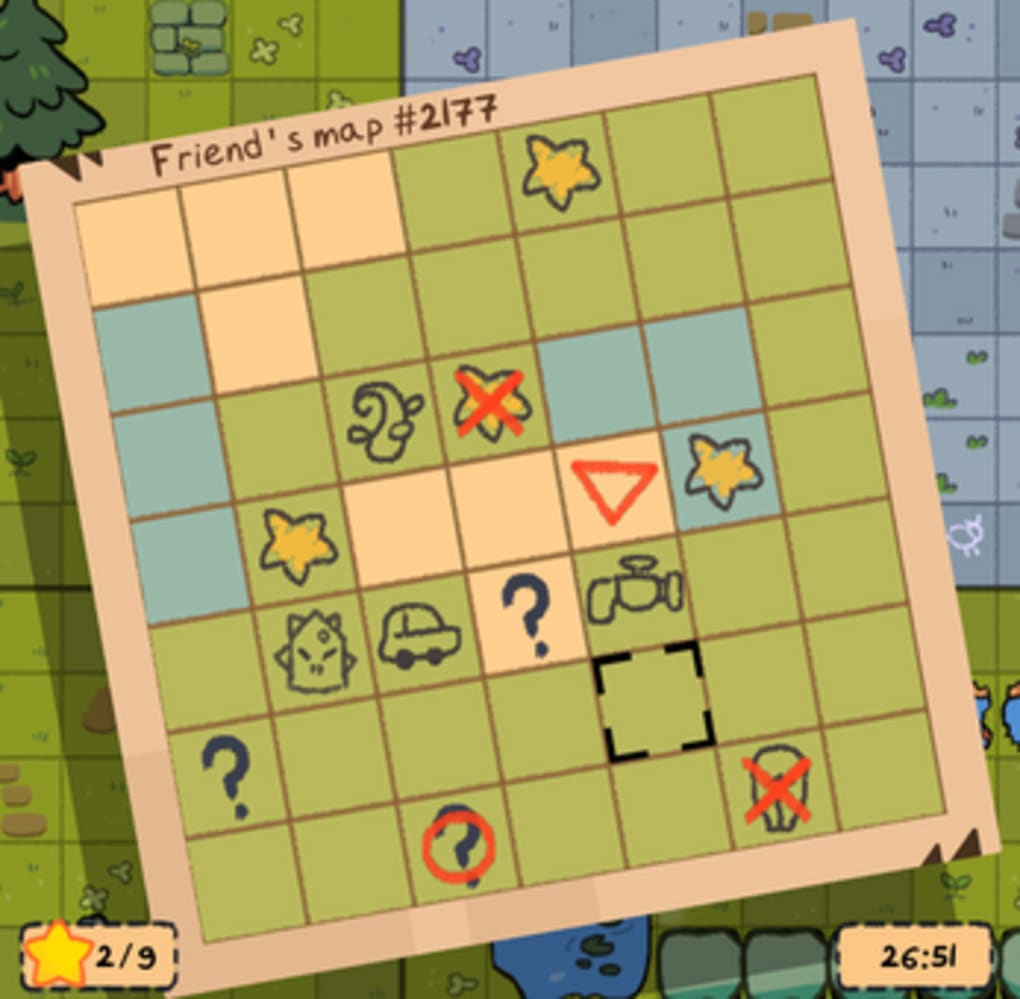
The brilliance of Telemochi’s design becomes evident in its core mechanic: while both players see a map, these maps are switched. What Player A sees as their environment, Player B holds the key to, and vice versa. This clever twist makes effective communication not just helpful, but absolutely imperative. Unlike many co-op games where players can visually confirm each other’s actions or rely on shared HUD elements, Telemochi forces a reliance on verbal cues and precise descriptions. Imagine trying to guide a friend through a labyrinth when you can’t see their path, but you do see the solution to their side of the maze. This is the essence of Telemochi, a puzzle game that transcends typical button presses to become an exercise in lucid explanation and active listening.
Controls are intentionally straightforward, ensuring that the cognitive load remains firmly on communication rather than complex inputs. Players navigate their respective environments using standard WASD or arrow keys, can check their individual maps with the Shift or M key, and interact with objects or complete tasks using the Spacebar. This simplicity means that players of all skill levels can pick up the game with ease, allowing them to dive straight into the communicative challenges without an intimidating learning curve. The game also supports various gamepad controllers, offering flexibility in input preference. However, the one non-negotiable tool for success is voice chat. Whether through an integrated platform or a third-party application, the ability to speak and hear your partner is the literal lifeline of the game. Without it, the entire premise crumbles, underscoring the game’s dedication to its unique communication-centric design.
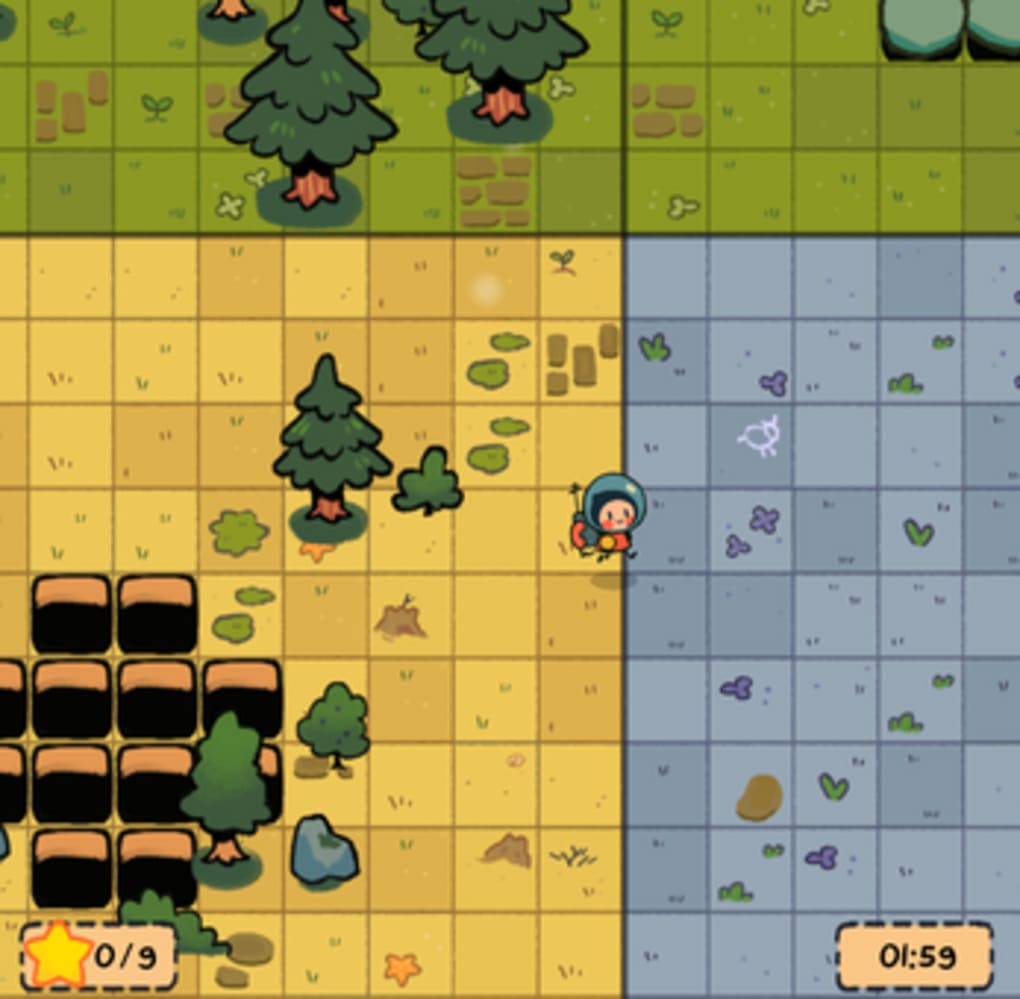
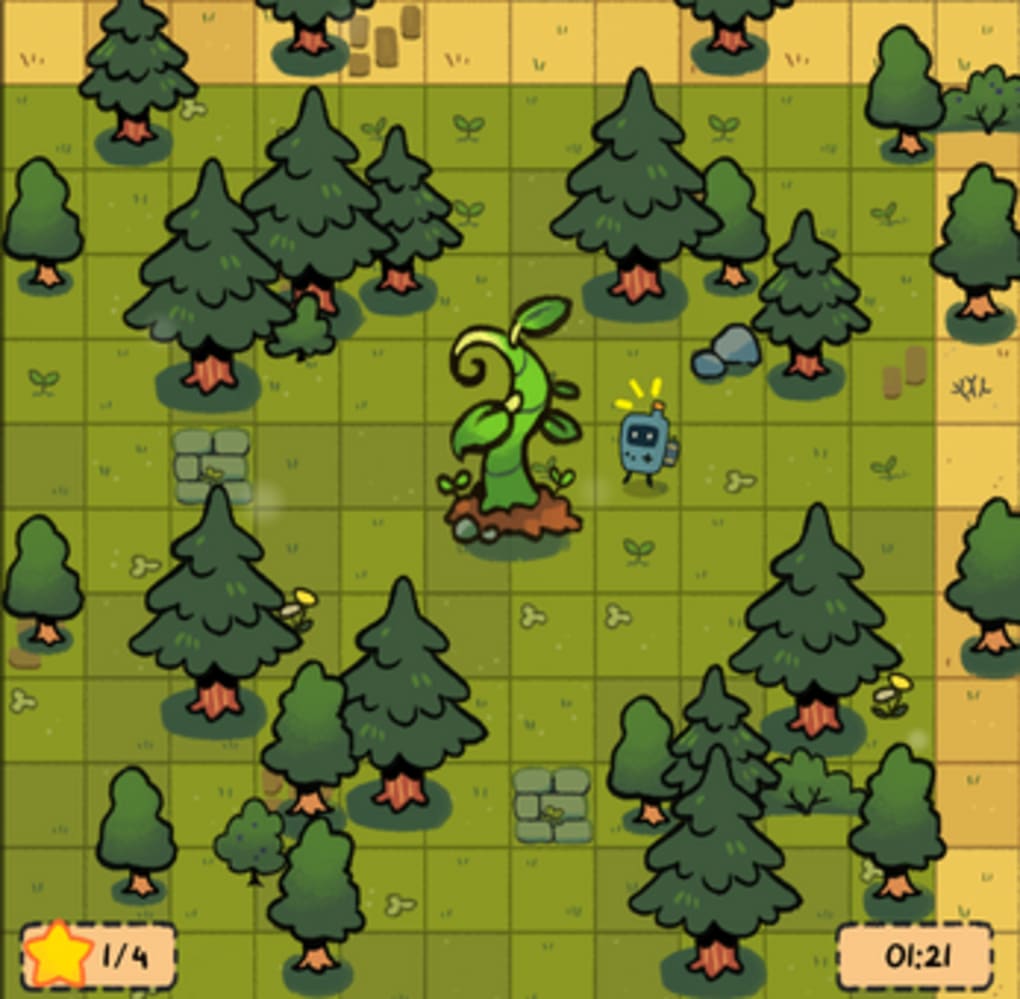
The gameplay structure unfolds across 10 distinct difficulty levels, each incrementally increasing the complexity through larger map sizes and a greater number of tasks to complete. This ensures a consistent challenge and offers significant replay value as players hone their collaborative skills. Furthermore, the option to play with or without a timer adds another layer of strategic depth, allowing teams to either leisurely explore and plan their moves or engage in a high-stakes race against the clock. What truly sets Telemochi apart in its replayability, beyond varying difficulty, is its use of procedurally generated maps. No two playthroughs are ever identical, guaranteeing fresh puzzles and unexpected navigational challenges every time. This ensures that even seasoned Telemochi veterans will encounter new scenarios, preventing stagnation and keeping the collaborative spirit alive.
Games: A World of Digital Entertainment
The vast landscape of digital entertainment offers an almost limitless array of experiences, from sprawling open-world epics to intimate narrative adventures. Within this diverse ecosystem, games serve not only as a form of leisure but also as a powerful medium for storytelling, skill development, and social interaction. The accessibility of gaming has never been higher, with platforms ranging from dedicated consoles and high-end PCs to smartphones and web browsers. This proliferation of avenues has fostered a vibrant independent game development scene, allowing creators like Jaime Gifte to bring unique visions to life without the constraints of large-scale publishers. Telemochi is a prime example of an indie title that carves out its own niche by focusing on an overlooked, yet deeply rewarding, aspect of multiplayer gaming: unadulterated, real-time communication.
The rise of indie games, often characterized by their innovative mechanics, distinctive art styles, and willingness to experiment, has democratized game development and brought a fresh wave of creativity to the industry. These smaller studios and individual developers frequently prioritize unique gameplay experiences over blockbuster graphics or massive marketing campaigns. Telemochi perfectly embodies this spirit, offering a fresh take on the co-op puzzle genre that might not have seen the light of day from a larger, more risk-averse publisher. Its free-to-play model further enhances its accessibility, removing financial barriers and encouraging a wider audience to try out its novel approach to cooperative problem-solving. This accessibility, combined with the game’s offline play capability, positions Telemochi as an ideal choice for impromptu gaming sessions with a friend, regardless of internet availability.
The Allure of Puzzle Games
Puzzle games hold a special place in the hearts of many gamers. They appeal to our innate desire for problem-solving, offering a satisfying blend of intellectual challenge and creative thinking. The gratification derived from unraveling a complex conundrum, identifying patterns, and applying logic to achieve a solution is uniquely rewarding. From classic block-stacking games to intricate environmental puzzles, the genre continuously evolves, finding new ways to test our cognitive abilities. Telemochi, with its fundamental reliance on communication to solve spatial and task-based puzzles, pushes the boundaries of this genre by making the act of explaining the core puzzle itself.
What makes co-op puzzle games particularly compelling is the shared intellectual journey. Instead of a solitary battle of wits, players combine their mental resources, offering different perspectives and insights to tackle a common challenge. This collaborative problem-solving not only enhances the fun but also often leads to more creative and efficient solutions. In Telemochi, this collaborative aspect is amplified by the ‘switched maps’ mechanic. The mental gymnastics required to translate visual information into clear verbal instructions, and then to understand and act upon those instructions without direct visual confirmation, elevates the puzzle experience beyond mere logic. It becomes a puzzle of empathy, perspective-taking, and precise articulation.
Games like Keep Talking and Nobody Explodes and Spaceteam are excellent precedents that Telemochi draws inspiration from. These titles similarly demand intense verbal interaction under pressure, with players holding asymmetrical information vital to collective success. Keep Talking and Nobody Explodes sees one player disarming a bomb while others read from a manual they cannot see. Spaceteam has players shouting technical jargon at each other to keep a spaceship from falling apart. Telemochi elegantly distills this concept, applying it to a more serene yet equally demanding exploratory puzzle environment. The satisfaction isn’t just in completing the tasks, but in the successful synchronization of two minds through the medium of spoken words. The game proves that the most powerful tool in a puzzle-solving arsenal isn’t a magical item or a super ability, but simply the human voice.
The Art of Communication in Gaming
In Telemochi, communication is not merely a feature; it is the game’s very foundation. The core challenge is not just figuring out what to do, but how to effectively tell your partner what they need to do, and vice versa. This elevates the game beyond typical interaction, transforming it into a dynamic lesson in verbal clarity, active listening, and collaborative strategizing. Players must become masters of description, translating their unique visual information into unambiguous instructions for their partner, who sees a completely different, yet complementary, piece of the puzzle.
Imagine a scenario where one player sees a path blocked by a series of colored switches, while the other holds the key to the correct color sequence. The first player cannot simply point; they must verbally describe the switches’ appearance, their relative positions, and the perceived obstacle. The second player must then articulate the correct sequence, perhaps based on a cryptic clue on their own map, ensuring their instructions are precise enough to prevent errors. This back-and-forth demands a level of conversational precision rarely found in video games. It’s a dance of words, where misunderstanding can lead to delightful frustration or outright failure, adding a layer of charming chaos to the strategic gameplay.
The imperative use of voice chat in Telemochi means that players are constantly engaged in a dialogue, fostering a strong sense of teamwork and camaraderie. This intense communication can strengthen friendships, teach valuable lessons in conveying complex ideas, and even highlight individual communication styles. Some players might be naturally descriptive, others more direct. The game encourages adaptation and synergy, pushing players to learn how to best communicate with their specific partner. It’s a simulation of real-world collaboration, where team members with partial information must pool their knowledge to achieve a common goal. The “lost but not alone” tagline truly encapsulates the experience, as even when physically separated within the game, players are intimately connected through their voices.
Beyond the immediate gameplay, Telemochi’s emphasis on communication has broader implications. It subtly trains players in crucial soft skills: clarity under pressure, patience, empathy (understanding what information your partner needs), and the ability to process verbal instructions quickly. In an era where digital interactions often lack depth, Telemochi offers a refreshingly human-centric gaming experience, proving that sometimes, the most sophisticated technology required is simply a microphone and a willingness to talk. The shared laughter, the sighs of exasperation, and the triumphant cheers that accompany a successfully completed task all stem from this rich communicative fabric.
Visually, Telemochi opts for a cute 2D doodle art style that is immediately appealing and easy on the eyes. This aesthetic choice gives the game a whimsical, handcrafted feel, akin to illustrations from a children’s storybook or drawings from a personal sketchbook. Comparisons to titles like Scribblenauts Unlimited and Drawn to Life are apt, as these games also utilized charming, expressive art styles to enhance their unique gameplay. In Telemochi, the simple yet effective graphics ensure that the focus remains squarely on the puzzles and communication, rather than being distracted by hyper-realistic visuals. The five available avatar characters, while simple, add a touch of personalization, allowing players to choose a little space explorer that resonates with their personality before embarking on their communicative journey.
From a technical standpoint, Telemochi is remarkably user-friendly and accessible. It’s available for Windows and boasts a lightweight installation size of 48.48 MB, making it quick to download and easy on system resources. The game, currently at version 1.2, was last updated on July 15, 2022, indicating ongoing refinement by its developer, Jaime Gifte. Crucially, its ability to be played offline using custom player codes is a significant advantage. This feature removes the common barrier of needing a stable internet connection for multiplayer gaming, making it perfect for scenarios where bandwidth is limited or unavailable, such as local get-togethers or travel. Its free license further lowers the entry barrier, inviting anyone interested in a unique co-op experience to give it a try. Information about the game, along with download options, can be found on platforms like PhanMemFree.org.
However, Telemochi, while exceptional in its niche, does come with one significant limitation: it is strictly designed for two players. This means it cannot accommodate group multiplayer sessions, nor can it be played solo. While finding one friend to play with might not be a major hurdle, some players might desire more flexibility in the number of participants, especially those accustomed to larger group co-op experiences. This strict two-player limit, while central to its specific design philosophy, might deter those looking for broader social gaming options. Despite this, the game’s core mechanics are so finely tuned for a duo that attempting to expand it might dilute its unique charm and communicative intensity. The game “has potential to expand” as noted by its initial reviews, which could hint at future updates offering different modes or challenges for the existing two-player structure, rather than necessarily increasing player count.
In conclusion, Telemochi stands out as a brilliant example of how innovative design can create a deeply engaging experience from seemingly simple components. It’s a charming, free-to-play puzzle game that redefines cooperative play by making clear and precise voice communication its absolute cornerstone. With its cute 2D graphics, procedurally generated maps ensuring endless replayability, and the ingenious ‘switched maps’ mechanic, Telemochi offers a refreshing challenge for friends looking to truly connect and collaborate. Its offline capability and gamepad support further enhance its accessibility, making it a perfect choice for an intimate, brain-teasing adventure with a trusted partner. While limited to just two players, this constraint is also its strength, focusing the experience on an intense, rewarding exchange of words and wits. Telemochi is not just a game; it’s a delightful exercise in partnership, proving that sometimes, all you need to fix a broken connection is a friend and a good conversation.
File Information
- License: “Free”
- Version: “1.2”
- Latest update: “July 15, 2022”
- Platform: “Windows”
- OS: “Windows 8”
- Language: “English”
- Downloads: “140”
- Size: “48.48 MB”


