
Temple Run, a wildly popular mobile game, catapulted itself into the hearts of millions with its addictive gameplay and simple yet engaging mechanics. This endless runner, where players navigate treacherous temple paths while evading relentless pursuers, has become a staple in the mobile gaming world, showcasing a perfect blend of excitement, challenge, and rewarding progression. Its enduring appeal lies in its accessibility, rewarding gameplay loop, and consistent updates that keep players returning for more.
The Gameplay: A Non-Stop Race Against Time
The core premise of Temple Run is deceptively simple: run. Players assume the role of an intrepid explorer, having pilfered a sacred artifact from an ancient temple, now desperately fleeing a pack of ferocious, screeching monkeys. This frantic escape forms the foundation of the game’s engaging gameplay. The objective is to run as far as possible, skillfully dodging and navigating obstacles along the way.

The game unfolds as a continuous, relentless sprint through winding temple paths, treacherous cliffs, and precarious bridges. Control is intuitive, relying primarily on the device’s tilt sensor for directional changes. Players tilt their phone or tablet to steer their character left or right, maintaining balance as they traverse the intricate pathways. Swiping upwards executes a jump, essential for clearing gaps and avoiding obstacles. Swiping downwards initiates a slide, allowing players to duck under low-hanging impediments. This straightforward control scheme ensures accessibility for players of all skill levels while maintaining a dynamic and challenging gameplay experience.
Collecting coins scattered throughout the levels is a key element of gameplay. These coins serve as the game’s in-game currency, utilized to unlock new characters, purchase power-ups, and upgrade existing abilities. This rewarding system encourages players to aim for longer runs, not just to achieve high scores but also to accumulate the resources needed to enhance their performance and unlock additional content. The ability to upgrade without requiring real-money purchases, a hallmark of many freemium games, adds a layer of fairness and encourages dedicated gameplay rather than relying on microtransactions for progress.
The game’s endless nature contributes significantly to its addictive quality. Each run is unique, presenting a constantly evolving path, ensuring that no two gameplay sessions are identical. The ever-increasing pace and the unpredictable nature of the obstacles keep players on the edge of their seats, pushing them to test their skills and reflexes. The challenge is further amplified by the persistent threat of the pursuing monkeys, their relentless pursuit adding a constant sense of urgency and excitement. This element of continuous progression, combined with the thrill of narrowly escaping perilous situations, fuels the game’s addictive loop, encouraging players to attempt to surpass their previous best runs.
Visuals and Sound: An Immersive Experience
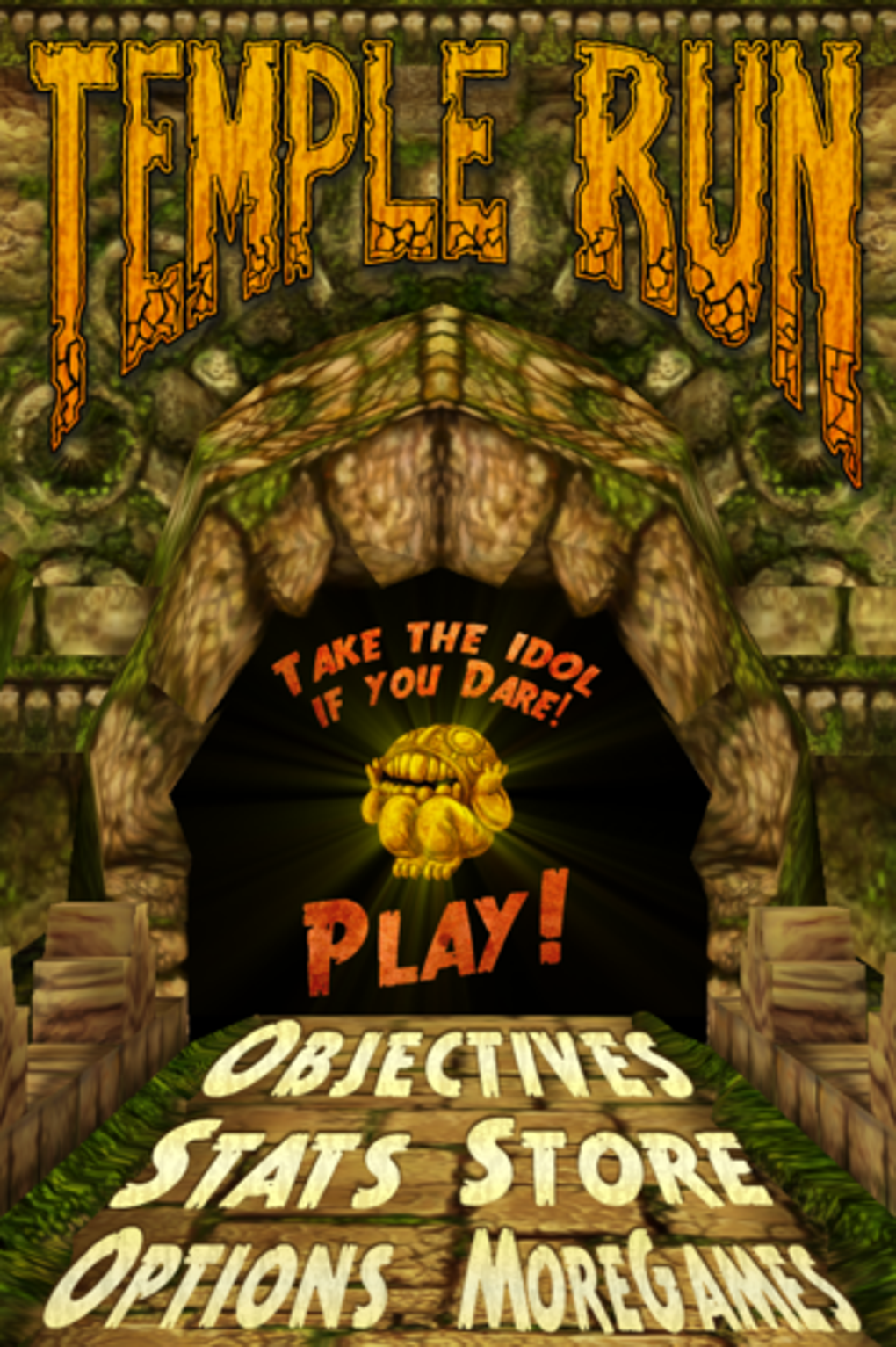
Temple Run’s success isn’t solely due to its addictive gameplay; the game’s visual and auditory aspects significantly contribute to its immersive quality. The game boasts detailed 3D graphics, creating a visually appealing and atmospheric world. The environments, primarily ancient Aztec-inspired temples and surrounding landscapes, are rendered with a level of detail that draws players into the world of the game. The visuals effectively convey a sense of ancient mystery and danger, complementing the overall theme and enhancing the player’s immersive experience. The vibrant colors and detailed textures of the environments contribute to the game’s visual appeal, making the game visually engaging and exciting.

The soundtrack perfectly complements the game’s visuals and atmosphere. The music is energetic and upbeat, providing a driving rhythm that matches the fast-paced nature of the gameplay. The exotic and somewhat mysterious soundscape effectively sets the mood, enhancing the feeling of venturing through uncharted territories. The careful selection and implementation of sound effects further enhance the immersive experience, with the sounds of running footsteps, jumping, sliding, and the menacing roars of the pursuing monkeys providing constant audio feedback. The combination of vibrant visuals and a fitting soundtrack creates a cohesive and immersive experience that fully immerses the player in the frantic world of Temple Run.
The Characters and Upgrades: Customization and Progression
Temple Run offers a variety of characters to choose from, each with their own unique attributes and aesthetics. Players can unlock and play as different characters by accumulating in-game currency, each adding a layer of customization and personalization to the gameplay experience. The diverse character selection adds a layer of visual diversity and personalization to the gameplay, allowing players to find a character that resonates with their individual preferences.
The upgrade system allows players to enhance their performance and improve their chances of survival. By collecting coins, players can invest in upgrades such as power-ups and utilities. These upgrades provide temporary advantages during gameplay, offering options like magnets to automatically collect coins, score multipliers to increase the rewards for a successful run, or temporary shields to protect the character from obstacles. The ability to customize their gameplay experience through upgrades adds another dimension to the game’s replayability, encouraging players to explore different strategies and optimize their performance. The upgrade system allows players to strategize and customize their approach to the game, enhancing the overall gameplay experience.
Limitations and Room for Improvement
Despite its numerous strengths, Temple Run isn’t without its limitations. The most commonly cited criticism revolves around the lack of environmental diversity. While the initial setting is visually impressive, the repetitive nature of the temple environments, after extensive gameplay, can become somewhat monotonous. Introducing more varied locations, such as jungles, snowy mountains, or underwater caverns, could significantly enhance the game’s long-term appeal and prevent player fatigue.
However, it’s important to acknowledge that these criticisms are minor compared to the overall impact and success of the game. The core gameplay loop, the intuitive controls, the visually appealing graphics, and the rewarding upgrade system combine to create an addictive and engaging experience that continues to attract a large player base.
Conclusion: Enduring Appeal and Legacy
Temple Run’s success lies in its ability to deliver a simple yet profoundly engaging gaming experience. Its intuitive controls, addictive gameplay loop, and rewarding upgrade system combine to create a game that is both accessible and challenging. While room exists for improvements in terms of environmental diversity, the game’s overall impact is undeniable. It has left an indelible mark on the mobile gaming landscape, setting a standard for endless runner games and showcasing the power of a simple, well-executed concept. Its enduring popularity speaks volumes about its effectiveness in providing a thrilling, consistently enjoyable experience. The game’s simple yet effective design has proven timeless, maintaining its appeal even amidst the ever-evolving mobile gaming market. The continued updates and additions to the game further demonstrate the developers’ commitment to maintaining its player base and ensuring the game’s longevity.
File Information
- License: “Free”
- Latest update: “June 19, 2025”
- Platform: “Android”
- OS: “Android 13.0”
- Language: “English”
- Downloads: “1.8M”
- Download Options: “Google Play”


