
Tenet of the Spark is an action game that weaves a compelling narrative of redemption around Will, a former professional boxer grappling with the aftermath of a tragic event in the ring. The game offers a unique approach to gameplay, combining intense one-on-one combat with puzzle-solving elements and environmental interactions, all while shifting perspectives between three distinct characters. This innovative blend of mechanics creates a dynamic and engaging experience, albeit one with some pacing and control issues that detract from the overall polish.
A Story of Redemption and Revenge
The game’s core narrative centers on Will’s return to his hometown after his boxing career is derailed by a devastating incident. He seeks to reconnect with fractured relationships and confront those who seek to exploit his vulnerability or exact revenge. This compelling premise forms the emotional backbone of the game, driving the player forward through a series of challenges and confrontations. The story is not simply a linear progression of events; it’s a journey of self-discovery and atonement, exploring themes of guilt, forgiveness, and the struggle to overcome personal demons. The emotional weight of Will’s past and his present struggles are palpable, giving the game a depth rarely seen in purely action-oriented titles. The story unfolds through a combination of cutscenes, dialogue interactions, and environmental storytelling, immersing the player in Will’s world and emotional landscape.
Shifting Perspectives: Three Characters, Three Play Styles
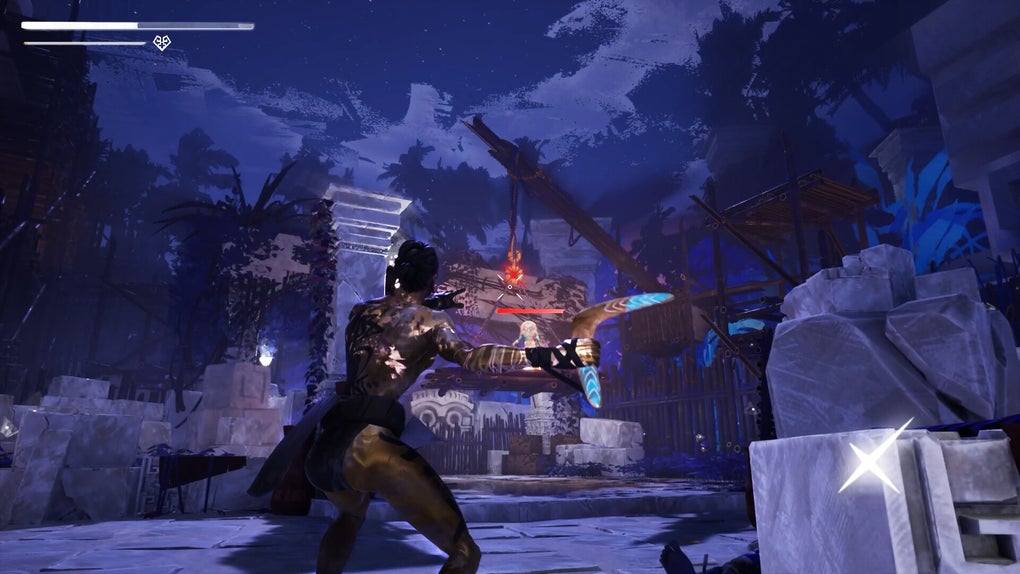
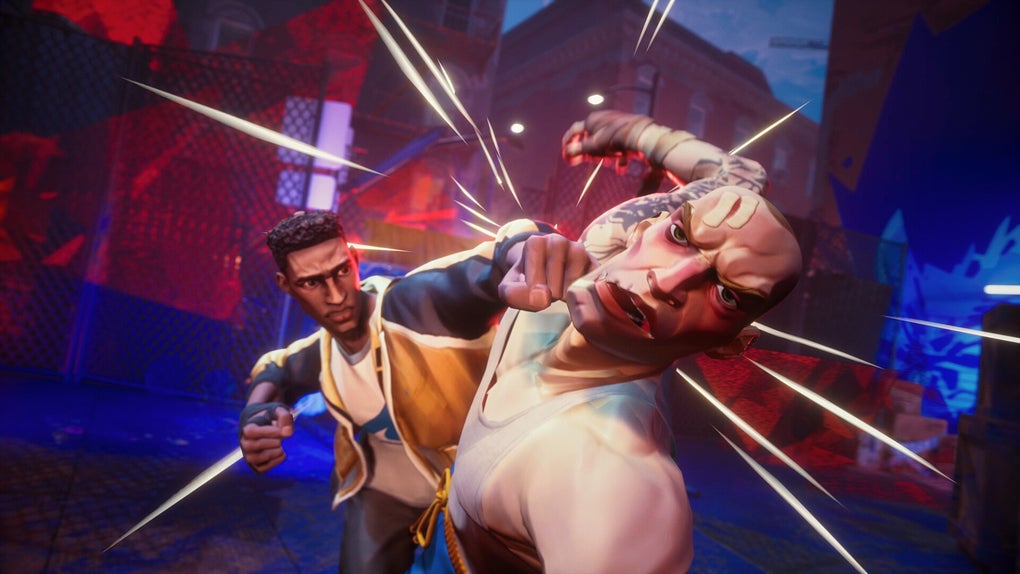
Tenet of the Spark introduces a unique gameplay mechanic by allowing players to switch between three distinct characters: Will, the former boxer; a Viking warrior; and an Aztec warrior. Each character boasts a unique fighting style and skill set, adding significant variety to the combat encounters. Will, relying on his boxing prowess, engages in fast-paced, strategic hand-to-hand combat. His moveset emphasizes precision and timing, requiring players to master the art of dodging, blocking, and delivering powerful counterattacks. The Viking, on the other hand, brings brute strength and devastating power to the fray. His combat style favors overwhelming force, using heavy attacks to shatter enemy defenses. Finally, the Aztec character excels in agility and swift strikes, using quick movements and precise attacks to outmaneuver opponents. This diversity in combat styles means that players are constantly challenged to adapt their approach, preventing the gameplay from becoming repetitive. The strategic switching between characters is not merely a gimmick; it’s a core element that enhances both the narrative and the combat mechanics.
Combat as a Puzzle: Environmental Interaction and Strategic Depth
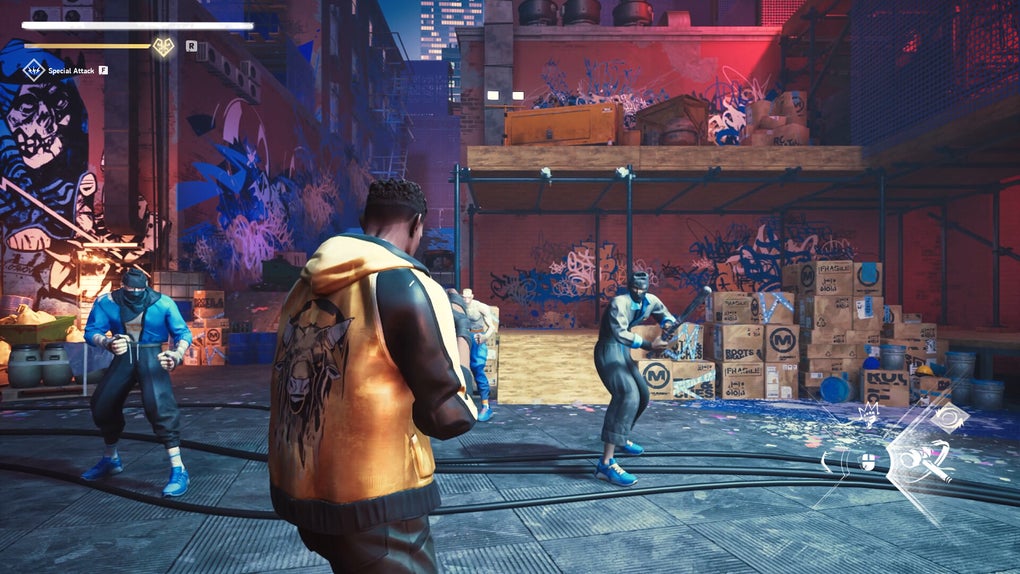
The multi-character dynamic significantly elevates the combat experience, transforming it into a strategic puzzle. Players are not merely tasked with defeating enemies; they must consider each character’s strengths and weaknesses, utilizing the unique abilities of each character to overcome environmental obstacles and exploit enemy vulnerabilities. The game’s design actively encourages experimentation and adaptation. Players will often find themselves needing to switch characters to solve specific puzzles or overcome certain enemy formations. For example, the Viking’s strength might be necessary to break down a barricade, while the Aztec’s agility is vital for navigating a narrow passage. This system promotes a dynamic and engaging combat experience, rewarding strategic thinking and adaptability over brute force.
The environmental interactions play a crucial role in enhancing the gameplay. Each of the diverse settings, from the gritty urban environments of Will’s hometown to the snow-capped mountains of the Viking era and the mystical Aztec ruins, presents unique opportunities for strategic manipulation. Players can leverage the environment to their advantage, using objects as cover, creating distractions, or triggering environmental hazards to gain tactical supremacy. These interactions add a layer of depth to the combat, making each encounter feel fresh and engaging.
Exploration and Discovery: Unraveling Ancient Mysteries
Beyond the intense combat sequences, Tenet of the Spark incorporates a significant exploration component. Players are not confined to linear paths; they are encouraged to explore the richly detailed environments, uncovering hidden secrets and solving ancient puzzles. The game’s world is filled with clues and hidden areas, rewarding curiosity and rewarding players for thorough exploration. These explorations often lead to flashbacks into the Viking and Aztec eras, providing a glimpse into the rich history of each setting and unlocking new abilities and character upgrades. This aspect of the game keeps the player engaged even when not directly involved in combat, further enriching the overall experience.
Visuals and Setting: A World Brought to Life
The game’s environments are richly detailed and visually stunning. The contrast between the gritty realism of Will’s hometown, the imposing grandeur of the Viking mountains, and the mystical atmosphere of the Aztec ruins creates a visually engaging and diverse world. Each location is filled with unique details that immerse the player, drawing them into the game’s story and atmosphere. The art style strikes a balance between realistic rendering and stylistic flourishes, bringing the unique characteristics of each environment to life.
Pacing and Control Issues: A Mixed Bag
While Tenet of the Spark offers a compelling narrative and engaging gameplay mechanics, it is not without its flaws. One of the most prominent issues is the game’s pacing. The rhythm can feel disjointed at times, transitioning abruptly between intense combat sequences, slower puzzle-solving segments, and narrative exposition. This uneven pacing can disrupt the player’s immersion, pulling them out of the story and detracting from the overall experience. A more consistent flow between these different elements would have significantly improved the game’s rhythm and engagement.
Another area where the game falls short is the control scheme. While generally responsive, the controls can feel somewhat unresponsive or imprecise at times, particularly during intense combat sequences. This can lead to frustrating moments where the player’s intended actions are not executed correctly, resulting in missed attacks or unfortunate deaths. Fine-tuning the control mechanics and providing more options for players to customize their control settings would significantly enhance the overall gameplay experience.
Conclusion: A Worthwhile Adventure Despite its Shortcomings
Tenet of the Spark is an ambitious action game that strives to deliver a unique and engaging experience. Its innovative multi-character system, compelling narrative, and richly detailed environments are all noteworthy strengths. The game’s blend of intense combat, puzzle-solving, and environmental interaction creates a refreshing departure from typical action games. However, pacing issues and occasional control problems prevent the game from reaching its full potential.
Despite these shortcomings, Tenet of the Spark remains a worthwhile adventure for players willing to engage with its unique mechanics and compelling story. The game’s ambition is evident throughout, and the potential for a truly exceptional action title shines through. With some refinements to the pacing and control mechanics, future iterations of the game could potentially elevate it to a higher level of excellence. The game’s unique approach to action gameplay, coupled with its engaging narrative of redemption, makes it a compelling experience that will appeal to players seeking something beyond the typical action-adventure formula.
File Information
- License: “Full”
- Version: “varies-with-devices”
- Latest update: “October 24, 2024”
- Platform: “Windows”
- OS: “Windows 10”
- Language: “English”
- Downloads: “138”


