
The Baby in Yellow, a first-person horror game developed by Team Terrible, has captivated players with its unsettling atmosphere and surprisingly simple yet effective gameplay. This mobile adaptation of the original PC game maintains the core chilling experience, transplanting the unnerving babysitting scenario onto smartphones and tablets. While offering a streamlined experience compared to its desktop counterpart, The Baby in Yellow on mobile retains the unsettling essence that has made it a popular choice for horror game enthusiasts. This analysis delves into the game’s mechanics, strengths, weaknesses, and the overall impact it has made within the mobile gaming landscape.
Gameplay Mechanics: A Simple Yet Effective Approach
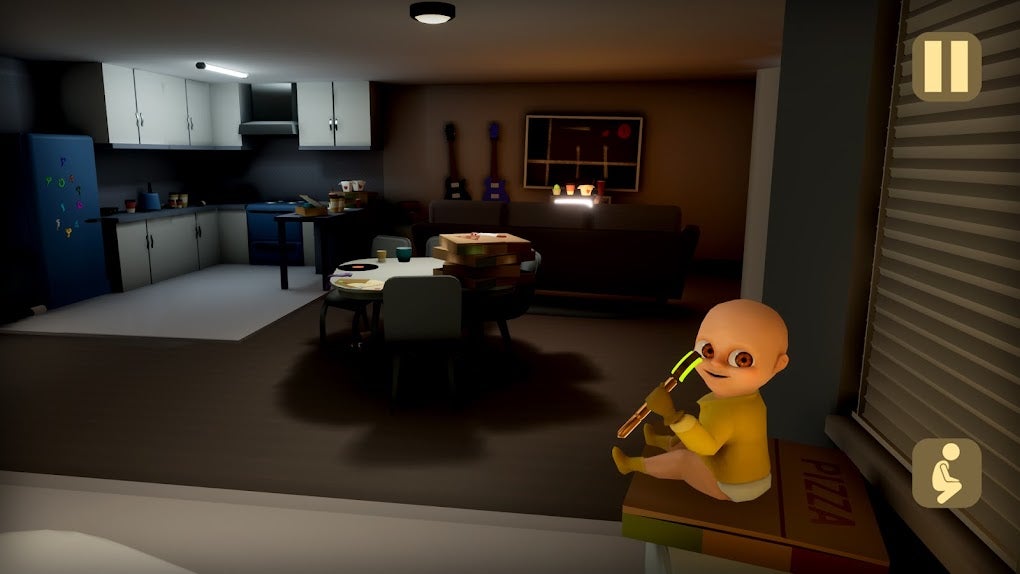
The Baby in Yellow presents a straightforward gameplay loop centered around completing a series of tasks to soothe a seemingly innocent baby. Players assume the role of a babysitter in a modern, minimalist home, devoid of personal touches or clues that might offer insight into the child’s background or the parents’ whereabouts. This deliberate lack of exposition enhances the unsettling atmosphere, focusing the player’s attention entirely on the enigmatic infant and the increasingly bizarre tasks required to keep it calm.
The core interaction revolves around a first-person perspective, restricting player movement and viewpoint to a limited range within the house. A virtual joystick controls movement, while onscreen prompts guide the player through a sequence of actions. These actions may include feeding the baby, putting it to sleep, or retrieving various items from around the room. The simplicity of these actions belies the underlying horror, as the increasing strangeness of the baby’s behavior and the player’s increasingly desperate attempts to calm it create a palpable sense of dread.
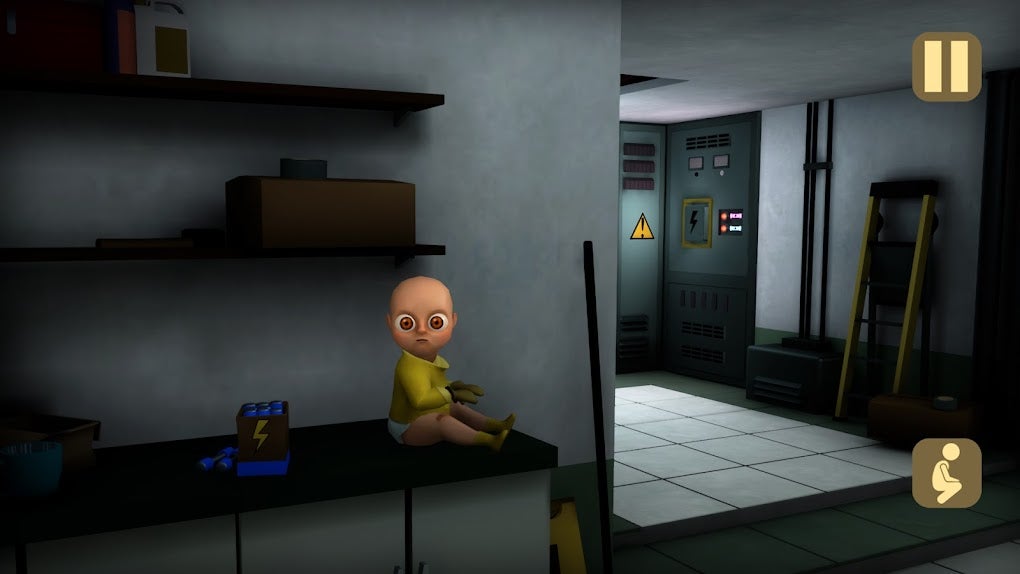
Unlike many games that reward players with points or currency for completing tasks, The Baby in Yellow offers no such extrinsic rewards. The only objective is to appease the baby, and successfully completing tasks only temporarily delays the inevitable escalation of its unsettling behavior. This lack of typical game progression further amplifies the tense and unsettling atmosphere, replacing standard reward systems with the immediate relief of a briefly calmed infant, a fragile respite before the next unnerving event unfolds.
The game cleverly utilizes ragdoll physics, allowing players to interact with the baby in unusual ways. For instance, players can place the baby in unusual locations or positions, often resulting in a more rapid escalation of its unsettling behavior. This element introduces a degree of player agency within the constrained environment, even if the consequences of these actions are primarily negative. This strategic manipulation, however, provides a unique form of player interaction, allowing for experimentation within the limitations of the game’s design.
One critical limitation is the ability to carry only one item at a time. This mechanic adds a layer of complexity, forcing players to strategically manage their actions and prioritize tasks. For example, players must carefully consider the timing of feeding the baby, requiring them to set the baby down before retrieving the bottle of milk. This seemingly minor restriction subtly increases tension, making seemingly simple tasks feel more urgent and fraught with potential consequences.
Visuals and Sound Design: Creating an Atmosphere of Dread
The game’s visual presentation is a significant contributor to its overall chilling effect. The developers opted for highly detailed 3D graphics, creating a visually realistic environment that enhances the sense of immersion. The plain, modern house, while lacking in overt signs of horror, contributes to a feeling of unease. The sterile, minimalist aesthetic is intentionally devoid of warmth or comfort, reflecting the unsettling nature of the central mystery surrounding the baby. The graphics aren’t hyper-realistic, avoiding unnecessary distractions and maintaining focus on the unsettling aspects of the game. This aesthetic choice keeps the focus on the core element—the increasingly disturbing baby—rather than on intricate graphical details.
Sound design plays a crucial role in the game’s success. Subtle audio cues, such as creaking floors or distant whispers, gradually build tension, while sudden, jarring noises amplify the game’s scare tactics. The baby’s cries, ranging from innocent whimpers to disturbing shrieks, are skillfully implemented to enhance the unsettling atmosphere. The audio design carefully employs a combination of subtle cues and startling sounds to effectively manipulate the player’s emotional state, adding a considerable layer of tension to the gameplay experience. The deliberate use of sound creates a compelling sense of dread, effectively complementing the game’s visual elements.
Strengths and Weaknesses: A Balanced Perspective
The Baby in Yellow’s success rests on its strengths: straightforward gameplay mechanics easily accessible to a broad audience, simple controls that minimize complexity, and the high-quality 3D graphics that enhance the game’s immersive quality. The unsettling atmosphere, built through a combination of clever visual and audio design, further contributes to the game’s effectiveness. The simple puzzle elements, while not overly challenging, provide a degree of interactivity that complements the core gameplay loop. The game’s focus on creating a genuinely unsettling experience is a significant strength, offering a unique appeal to players who enjoy mobile horror titles.
However, The Baby in Yellow isn’t without its weaknesses. The limited gameplay interaction can feel repetitive for some players, particularly after several playthroughs. The game’s reliance on the first-person perspective, while contributing to immersion, limits player agency and exploration. The inability to hold multiple items simultaneously restricts strategic options and may feel artificial. While the simplicity of controls is beneficial for accessibility, it may also result in a lack of depth for players seeking more intricate gameplay mechanics. These limitations, while not detracting significantly from the core experience, may restrict the game’s appeal to players seeking more varied or complex gameplay interactions.
The Baby in Yellow’s Impact on the Mobile Gaming Landscape
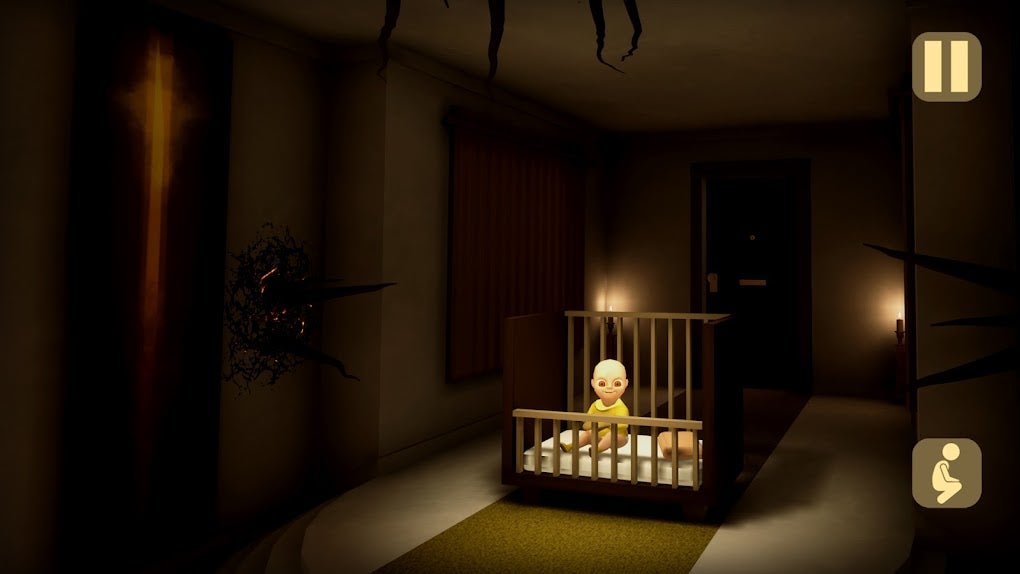
The Baby in Yellow’s success on mobile demonstrates the growing demand for high-quality horror experiences accessible across a wide range of devices. The game’s relatively small download size, combined with its accessible controls and straightforward gameplay, makes it a popular choice among mobile gamers. The game’s ability to create a genuinely unsettling atmosphere on a mobile platform proves that effective horror can exist beyond the limitations of more powerful hardware. This achievement signals a shift within the mobile gaming landscape, highlighting the increasing sophistication of mobile horror game development.
The game’s simplicity also makes it accessible to a wide audience, demonstrating that effective horror doesn’t require overly complex mechanics or high-end graphics. The focus on atmosphere and suspense over intricate puzzles or challenging combat represents a successful alternative approach to horror game design within the mobile environment. This unique approach has resonated with players, establishing The Baby in Yellow as a notable example of successful mobile horror game development.
Conclusion: A Chillingly Effective Mobile Experience
The Baby in Yellow represents a compelling example of effective horror game design on a mobile platform. Its simple yet effective gameplay loop, complemented by high-quality visuals and a chilling sound design, creates a truly unsettling experience. While the game’s limitations in terms of gameplay interaction and player agency are evident, these shortcomings are largely overshadowed by its success in creating a tense and immersive atmosphere. The game’s popularity signifies the growing demand for accessible and engaging horror games on mobile devices, showcasing the potential for innovative and impactful horror experiences on less powerful platforms. The Baby in Yellow’s legacy within the mobile gaming landscape is secure, demonstrating that quality horror can indeed thrive within the constraints of mobile gaming technology.
File Information
- License: “Free”
- Latest update: “April 3, 2024”
- Platform: “Android”
- OS: “Android 13.0”
- Downloads: “73.7K”
- Download Options: “Google Play”


