
The Backrooms. The name itself conjures images of endless, dimly lit corridors, the unsettling hum of fluorescent lights, and a pervasive sense of wrongness. Born from a creepypasta internet meme, this unsettling concept has transcended its humble origins, spawning countless iterations in art, literature, and, notably, video games. One such game, The Backrooms Game, developed by Pie On A Plate Productions, offers a chillingly effective foray into this digital hellscape. This exploration delves into the game’s mechanics, atmosphere, and the overall experience it provides to players brave enough to venture into its labyrinthine depths.
Navigating the Infinite Maze: Gameplay and Mechanics
The Backrooms Game isn’t your typical action-packed adventure. Instead, it focuses on a slow-burn descent into madness, leveraging a unique blend of survival horror and exploration elements. The core gameplay loop revolves around navigating the procedurally generated levels of the Backrooms. These levels aren’t simply copy-pasted rooms; instead, the game utilizes a sophisticated algorithm to create a vast, ever-changing environment spanning over 600 million square miles. This ensures that each playthrough presents a unique and unpredictable experience, constantly shifting the landscape of fear.
The game’s simple yet effective rules amplify the tension. Players are tasked with venturing as deep as possible into the Backrooms, a feat made challenging by the ever-present threat of succumbing to the environment’s oppressive atmosphere. The constant threat of encountering “It,” the elusive, unnamed entity that haunts the Backrooms, further intensifies the pressure. While “It” is not guaranteed to appear in every playthrough, its potential presence hangs heavy in the air, a constant reminder of the lurking danger.
To counter the psychological toll of the Backrooms, players are encouraged to check their watch every 30 seconds. This seemingly simple act serves as a crucial grounding mechanism, a brief respite from the disorienting environment. It’s a clever inclusion that highlights the game’s emphasis on the psychological aspects of horror, underscoring the importance of maintaining one’s sanity amidst the unsettling ambiance. The act of checking the watch serves as a tangible link to reality, a reminder of the player’s identity and the outside world, a stark contrast to the surreal and disorienting world of the Backrooms.
The lack of explicit combat mechanics further emphasizes the game’s focus on psychological horror. Survival hinges not on combat prowess, but on navigating the labyrinthine corridors, managing one’s mental state, and avoiding the unseen horrors that might lurk around every corner. This strategic avoidance of direct conflict makes every encounter with the game’s environment, even seemingly innocuous ones, fraught with a palpable sense of dread. The player’s survival depends on resourcefulness, cunning, and maintaining a precarious grasp on their sanity.
The Atmosphere of Dread: Sound and Visual Design
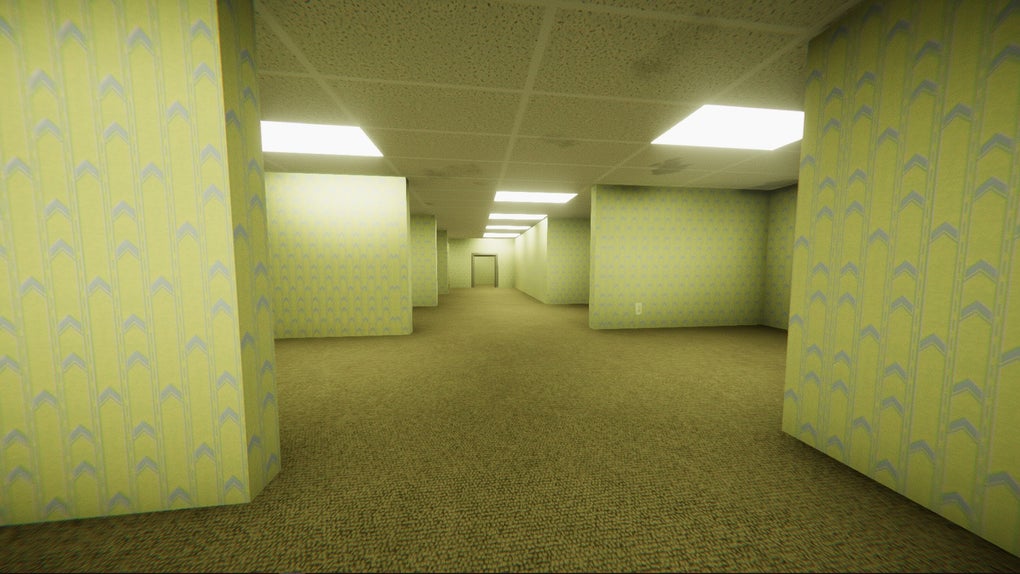
The game’s unsettling atmosphere is not solely reliant on its gameplay mechanics; the sound and visual design play a crucial role in creating an immersive and terrifying experience. The visual aesthetic perfectly captures the unsettling nature of the Backrooms, with its endless, dimly lit corridors, decaying walls, and the oppressive hum of fluorescent lights. This visual monotony serves to disorient and unsettle, mirroring the feeling of being lost and trapped within the Backrooms’ infinite expanse.
The sound design further enhances the game’s atmosphere. The constant hum of the fluorescent lights, punctuated by distant drips of water, echoing footsteps, and the unsettling silence that abruptly breaks the monotonous soundscape all contribute to a pervading sense of unease. The sound design perfectly complements the visuals, creating a cohesive and terrifying soundscape that keeps the player on edge. The carefully curated audio further reinforces the sense of isolation and vulnerability, highlighting the player’s precarious situation within the seemingly endless labyrinth. It is a masterclass in creating a truly immersive and horrifying environment.
The Entity’s Shadow: The Horror of the Unknown
“It” is the central antagonist, although the nature of “It” remains intentionally ambiguous, shrouded in mystery. This vagueness contributes significantly to the game’s overall effectiveness. The lack of concrete information about “It” fuels the imagination, allowing players to project their own fears and anxieties onto the unseen entity, intensifying the horror experience. The unpredictability of encounters with “It” adds to the suspense, with each corner turned, each shadow cast, carrying the potential for a terrifying encounter.
The game strategically avoids explicitly showing “It,” relying instead on subtle clues, eerie sounds, and the player’s growing sense of unease. This lack of direct confrontation with “It” is a key element of the game’s success, as it amplifies the fear of the unknown, constantly keeping players on edge. The unseen horror is far more terrifying than any visually depicted monster, forcing players to confront their own deepest anxieties. The game leverages this psychological horror to deeply unsettling effect.
A Solo Developer’s Vision: The Backrooms Game’s Creation
The game’s success is a testament to the vision and dedication of its sole developer, David Campbell III, founder and CEO of Pie On A Plate Productions. Creating a game of this scope and complexity as a solo developer is a significant achievement, showcasing Campbell’s talent and passion for the project. The game’s unique atmosphere and effective mechanics highlight the power of creative vision and careful execution, proving that a compelling and terrifying experience doesn’t require a large team or massive budget.
The game’s success is a testament to the power of a strong concept and creative execution, showing that a great game can be born from a small team with a big vision. The game’s widespread popularity demonstrates a growing interest in experimental and psychologically driven horror games, paving the way for future developers to explore similar concepts and push the boundaries of the genre.
Beyond the Game: The Lasting Impact of the Backrooms
The Backrooms Game isn’t simply a game; it’s a captivating experience that extends beyond the screen. The game has sparked conversations and creative works within its community, inspiring fan art, fan fiction, and further interpretations of the Backrooms concept. The game has tapped into a collective fascination with the unknown and the unsettling nature of liminal spaces, creating a lasting cultural impact. This speaks to the game’s ability to resonate with a wider audience, tapping into a primordial fear of the unknown and a sense of disorientation.
The game’s success underscores the power of simple, well-executed concepts in creating memorable and impactful gaming experiences. The relatively simple mechanics and minimalist visuals serve to amplify the unsettling atmosphere, creating a lasting impression on players. The game is a testament to the enduring power of psychological horror and the ability of independent developers to create truly engaging and frightening experiences.
In conclusion, The Backrooms Game stands as a remarkable example of how effective psychological horror can be created without relying on gratuitous gore or jump scares. Its procedurally generated levels, unsettling atmosphere, and the looming presence of “It” combine to create a truly unforgettable and chilling gaming experience. For those brave enough to venture into its depths, it promises a journey into the heart of digital dread, a terrifying and captivating exploration of the infinite, unsettling reality of the Backrooms.
File Information
- License: “Full”
- Latest update: “July 18, 2025”
- Platform: “Windows”
- OS: “Windows 11”
- Downloads: “4.8K”


