
The Ball Pit is a survival horror game that plunges players into the unsettling depths of a familiar yet terrifying setting: a fast-food restaurant’s play area. This isn’t your childhood memory of brightly colored plastic balls; instead, it’s a claustrophobic labyrinth of twisting tunnels and lurking unseen horrors. Developed by gloopo and available under a “pay-what-you-want” model, The Ball Pit offers a surprisingly intense experience given its simple premise and retro-inspired aesthetic. The game seamlessly blends the mundane with the macabre, creating an atmosphere of creeping dread that lingers long after the credits roll.
A Familiar Face of Fear: Exploring McDongs
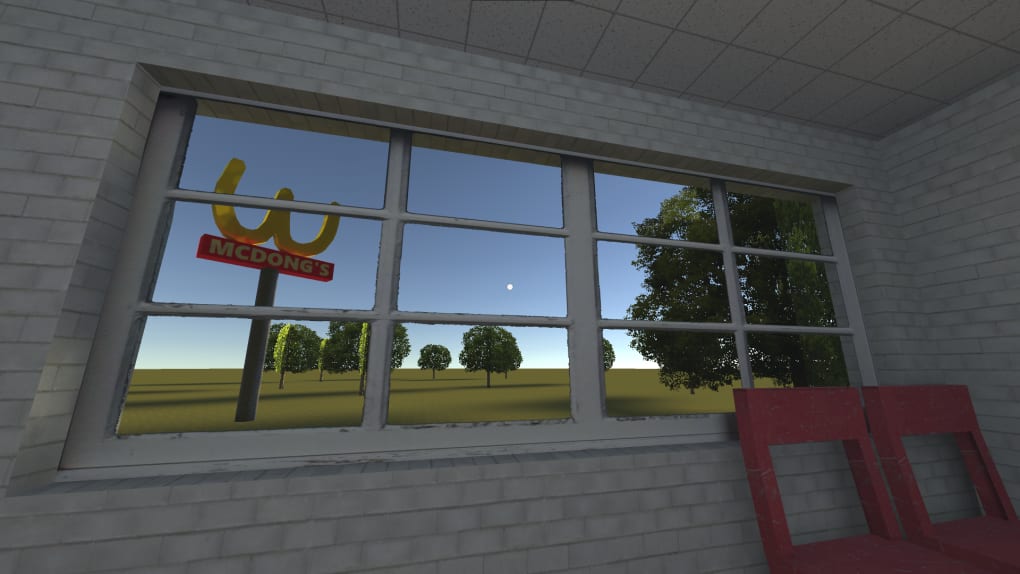
The game’s setting, a fictional fast-food establishment cleverly named “McDongs,” is immediately recognizable to anyone familiar with popular fast-food chains. This deliberate familiarity serves to heighten the unsettling nature of the game. The brightly colored exterior and seemingly innocuous play area offer a stark contrast to the terrifying reality that awaits beneath the surface. The player controls a faceless protagonist, a silent observer navigating this increasingly hostile environment. This lack of a defined character allows players to more easily project themselves into the game, amplifying the sense of vulnerability and isolation. The environment itself becomes a character, its deceptive charm masking a nightmarish descent into the unknown. The initial sense of comfort and familiarity quickly unravels as the player delves deeper into the unsettling maze, transforming the once-welcoming space into a symbol of dread and inescapable confinement. The design choice to keep the protagonist faceless further contributes to the unsettling atmosphere; players are forced to confront the horrors through the character’s actions and reactions, creating a more intimate connection to their fear.
Gameplay: A Simple Descent into Darkness

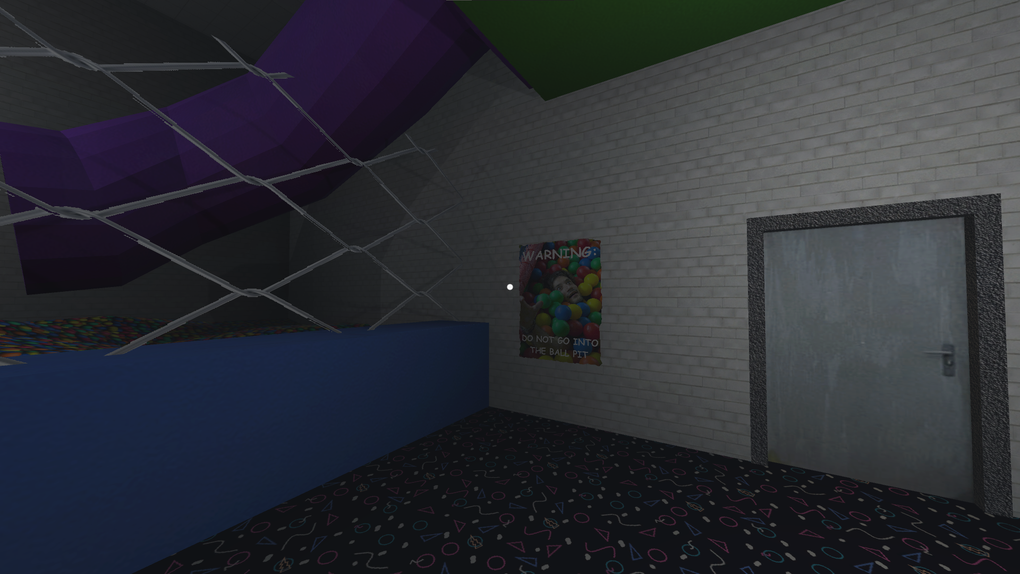
The Ball Pit’s gameplay is refreshingly straightforward, focusing on core survival horror mechanics. The game employs a first-person perspective, immersing the player directly into the unsettling atmosphere. Navigation is primarily focused on exploring the interconnected tunnels and rooms beneath McDongs. Interaction is limited, mostly involving opening and closing doors and navigating the maze-like structure. This simplicity doesn’t detract from the experience; instead, it enhances the tension. The lack of complex puzzles or combat mechanics keeps the focus on exploration, atmosphere, and the constant feeling of being watched, hunted, and utterly alone. The player’s progress is relentlessly forward, driving a sense of urgency and the inescapable feeling of being pursued.
The lack of a save function adds a considerable layer of difficulty. Death means starting the entire experience again from the very beginning. This design choice, while potentially frustrating for some, undoubtedly contributes to the overall tension and sense of finality. The constant threat of failure and the knowledge that every mistake could result in a complete restart creates a palpable sense of vulnerability and encourages careful, deliberate gameplay. It’s a game that demands focus and precision, adding a significant layer to the already unsettling experience.
Visuals: A Colorful Contrast to the Horror
Unlike many retro-inspired horror games that utilize pixelated graphics or deliberately low-fidelity visuals to create their atmosphere, The Ball Pit opts for a more vibrant and colorful aesthetic. This seemingly contradictory choice, however, proves effective in creating a disturbing sense of unease. The bright, almost cartoonish colors of the fast-food restaurant’s exterior and the play area contrast starkly with the darkness and claustrophobia of the underground tunnels. This juxtaposition intensifies the unsettling nature of the game, making the transition between the seemingly ordinary and the terrifyingly abnormal all the more shocking. The jarring shift in visual style amplifies the feeling of disorientation and heightens the sense of unease. The vibrant colors used in the game’s design don’t diminish the horror; rather, they create an unexpected and unnerving effect, enhancing the overall impact of the unsettling atmosphere.
Atmosphere: A Masterclass in Subtle Tension
The success of The Ball Pit lies in its ability to build and maintain a constant atmosphere of dread and suspense. The game doesn’t rely on jump scares or excessive gore; instead, it uses sound design, environmental storytelling, and clever level design to create a persistent sense of unease. The sounds of dripping water, distant whispers, and the unsettling creaks of the tunnels all contribute to a feeling of isolation and vulnerability. The limited interaction and the constant sense of being observed further amplify the feeling of being trapped in a nightmarish situation from which there is no escape. The game successfully utilizes the psychological aspects of horror, playing on the player’s fears and anxieties rather than relying on cheap thrills. The unsettling atmosphere created by the game is its strongest aspect, a testament to the developer’s skill in creating a truly unnerving experience.
The Ball Pit’s enduring impact derives from its capacity to unsettle and disturb. It’s not a game that offers easy answers or clear resolutions; instead, it leaves players with a lingering feeling of unease and a sense of the unsettling realities that can lurk beneath the surface of the ordinary. This is where The Ball Pit shines; it’s a game that stays with you, a testament to the power of atmospheric horror. The subtlety and effectiveness of the game’s atmospheric elements are remarkable, proving that impactful horror doesn’t always require excessive violence or graphic imagery. The overall experience is a haunting reminder of how easily the familiar can transform into something truly terrifying.
The Ball Pit: A Unique Horror Experience
The Ball Pit is a unique addition to the growing genre of short, atmospheric horror games. While its simple gameplay mechanics and limited interaction might seem restrictive, they ultimately serve to enhance the game’s overall effect. By focusing on atmosphere, sound design, and a clever use of visual contrast, The Ball Pit crafts a truly unsettling and memorable experience. The game’s unconventional approach to horror, avoiding reliance on cheap jump scares in favor of building a consistent sense of dread, is a testament to the developer’s understanding of the genre’s nuances. It’s a game that is both chilling and captivating, leaving a lasting impression long after the credits roll. While its lack of a save function might be a deterrent to some, the added tension and sense of finality contribute to the overall experience and create a challenge that adds to the game’s overall intensity.
The Ball Pit stands out as a compelling example of how a seemingly simple concept, combined with skillful execution, can yield a truly remarkable and unforgettable horror experience. Its blend of familiar settings and unsettling atmosphere creates a unique and effective sense of dread that resonates with players long after they’ve escaped – or perhaps, haven’t – the confines of McDongs’ terrifying play area. The game’s simple design choices, from the limited interaction to the lack of a save function, ultimately contribute to the effectiveness of its unsettling atmosphere, highlighting the potential for impactful horror within a minimalistic framework. The game’s lasting impression is a testament to the skill of its developer and the unique potential within the genre of short, atmospheric horror games. The Ball Pit is a testament to the power of simple yet effective horror, showcasing how a cleverly crafted atmosphere can be far more terrifying than excessive gore or jump scares. It is a game that is both disturbing and engaging, offering a unique experience that lingers in the mind long after it is played.
File Information
- License: “Free”
- Version: “1.1.5”
- Latest update: “December 7, 2022”
- Platform: “Windows”
- OS: “Windows 8.1”
- Language: “English”
- Downloads: “2.4K”
- Size: “60.43 MB”


