
The Catacombs of Solaris is a free-to-play first-person simulation game that offers a unique and experimental approach to digital art creation. Developed by Ian MacLarty, this indie title transports players into a visually striking, albeit potentially disorienting, world where navigation and artistic expression intertwine. Forget traditional painting or sculpting; in Solaris, your movements and perspective become the tools of your artistic creation.
Navigating the Rainbow Labyrinth
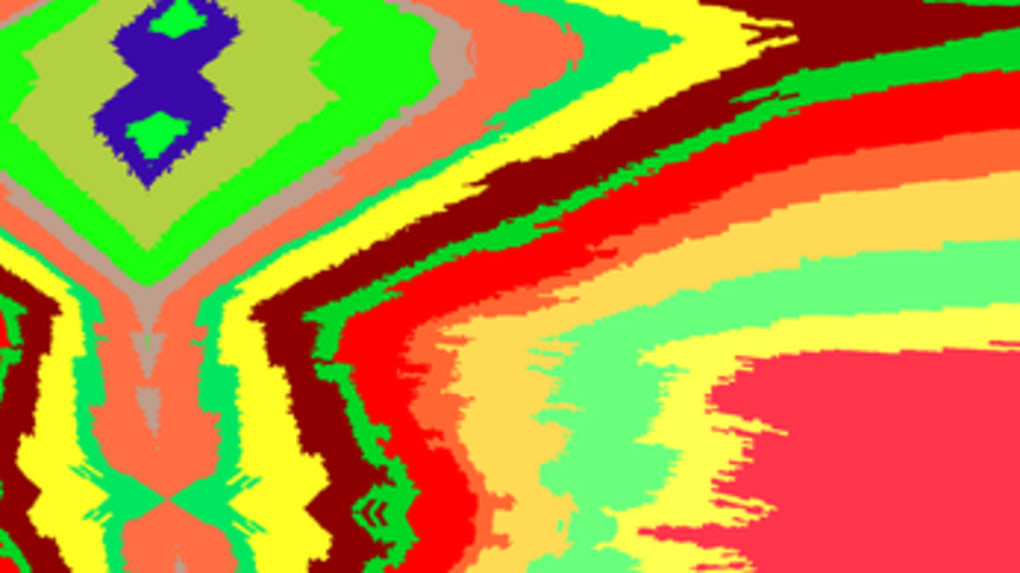
The game unfolds within a series of interconnected hallways adorned with a mesmerizing, almost psychedelic, wallpaper of shifting rainbow pixels. This pixelated tapestry, reminiscent of the static found on old television screens, serves as both the canvas and the obstacle. The pixel size varies, creating a subtle texture that helps players distinguish walls from open space, a vital skill when the very act of artistic creation involves manipulating this visual landscape. The environment is intentionally disorienting; the corridors twist and turn, their boundaries blurring as the player interacts with the pixelated walls. This design choice, while potentially frustrating for some, contributes to the game’s surreal and dreamlike atmosphere. The lack of clear directional markers or traditional level design encourages exploration and experimentation, forcing the player to rely on their own spatial reasoning and intuition to navigate. The experience is less about reaching a specific destination and more about the journey itself, about losing and finding oneself within the labyrinthine halls.
The Art of Movement: Creating Pixelated Masterpieces
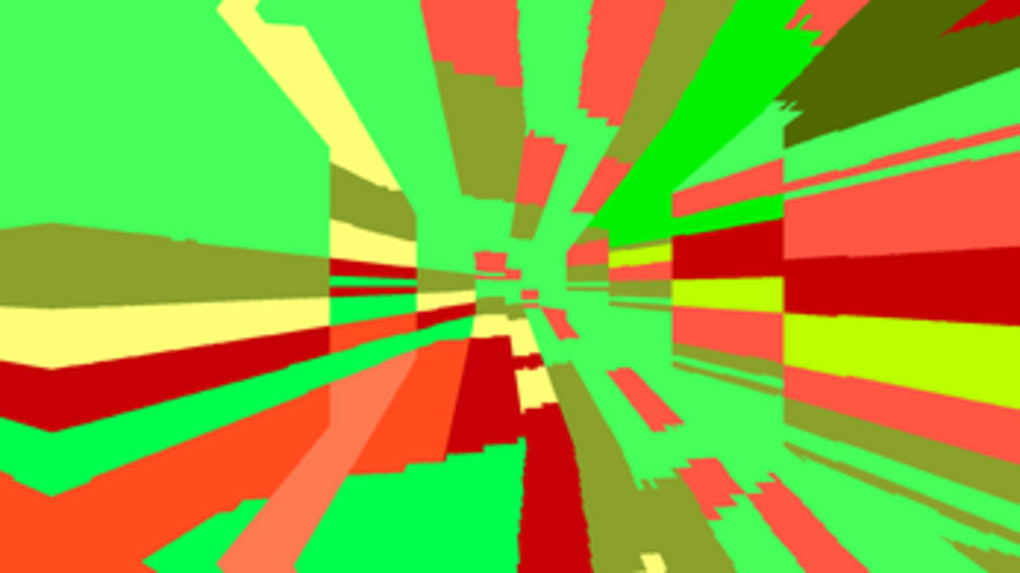
Unlike traditional art games where players wield virtual brushes or sculpting tools, The Catacombs of Solaris employs a remarkably innovative approach to art creation. There are no pre-existing paintings or sculptures to admire. Instead, the player’s artistic expression is intrinsically linked to their movement and perspective. By simply moving through the corridors and adjusting their camera angle, players manipulate the pixels on the walls, stretching and distorting them into abstract forms and patterns. This process feels almost organic, as the player’s actions directly sculpt the visual landscape around them. The act of creation is intuitive and physical, relying on the player’s exploration of the environment rather than precise, technical control. The result is a constantly evolving artwork, unique to each player’s experience and movement patterns. As the pixels shift and morph, the walls themselves become fluid and ambiguous, adding to the overall sense of disorientation and unreality. This constant transformation of the environment presents a compelling challenge – how far can you push the distortion before the environment becomes unnavigable, and what abstract forms will emerge from this chaotic process?
Controls and Accessibility: Adapting to Your Playstyle
The Catacombs of Solaris demonstrates a commendable level of control customization, offering players three distinct input schemes to cater to their preferences. Players can opt for the traditional WASD keys and mouse controls, a familiar configuration for many PC gamers. Alternatively, the game provides compatibility with arrow keys for movement and mouse control for the camera, offering a simpler alternative. For those who prefer gamepad usage, the game utilizes the left joystick for movement and the right joystick for camera manipulation, facilitating a smooth and intuitive experience on consoles. This thoughtful inclusion of multiple control options enhances the game’s accessibility, ensuring that a wider audience can engage with its unique mechanics. However, the absence of any in-game tutorial can prove frustrating for new players. While the mechanics are simple in principle – move and look to modify the environment – the lack of guidance might leave some players feeling lost or overwhelmed, especially given the intentionally disorienting nature of the game’s environments. The intuitive nature of the control schemes partially mitigates this issue, but a brief instructional sequence would greatly improve the overall player experience.
Sensory Experience and Limitations: Embracing the Minimalist Aesthetic
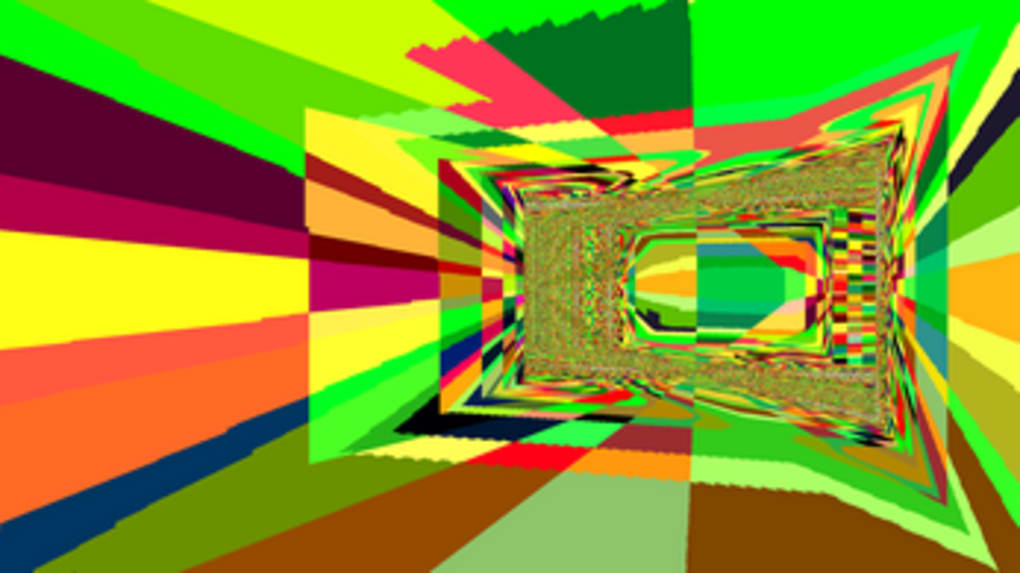
The game’s stark minimalism is a defining feature, contributing to its overall ambiance. The decision to omit any form of audio is a deliberate artistic choice that further emphasizes the visual aspects of the game. This silence allows players to fully immerse themselves in the shifting, vibrant visuals, and enhances the game’s already pronounced psychedelic feel. The lack of audio, however, might be perceived as a drawback by some, as it could further enhance the feeling of disorientation and isolation that the game already cultivates. Similarly, the absence of graphical settings limits the level of visual customization available to players. While this minimalist approach fits the game’s artistic vision, it might be considered a shortcoming for players who prefer to tailor their visual experience to their specific preferences. The lack of options to adjust brightness, contrast, or other visual parameters restricts players’ ability to fine-tune the visuals to reduce the potential for headaches or nausea, a common reaction to the game’s intense color schemes and rapid visual changes.
The Absence of a Narrative and the Ambiguity of Purpose
The Catacombs of Solaris deviates significantly from traditional game structures in its lack of a defined narrative or objective. There is no overarching story to unravel, no puzzles to solve, and no clear end goal. This open-ended approach enhances the game’s experimental nature; players are free to explore, create, and interact with the environment without the constraints of predetermined objectives. The absence of a traditional narrative, however, could be considered a double-edged sword. While it encourages freedom and experimentation, it might also lead to a sense of aimlessness or lack of direction for some players who prefer structured gameplay. This ambiguity of purpose aligns with the game’s overall aesthetic of artistic experimentation, but it is crucial for prospective players to understand this avant-garde approach before diving in. The game’s short playtime reinforces its experimental and exploratory nature. The lack of a defined ending simply reflects this core aspect of its design, leaving the player to decide when their journey through the pixelated catacombs is complete.
A Unique Experience: Comparing Solaris to other Art Games
The Catacombs of Solaris occupies a niche within the art game genre, distinguishing itself from contemporaries through its innovative approach to art creation. While games like Afternoon Spaghetti offer a more traditional approach to digital painting, Solaris replaces conventional tools with the player’s movements and perspective. This unique mechanic is the game’s core strength and its defining characteristic. The game’s disorienting and abstract visual style sets it apart from other puzzle-driven or narrative-focused titles. While games like Superliminal successfully blend puzzle elements with mind-bending visuals and narrative, Solaris prioritizes the immediate, sensory experience of manipulating its pixelated environment. The contrast between the highly experimental nature of Solaris and more structured games highlights its artistic vision and its appeal to a specific audience.
Conclusion: Embracing the Experimental
The Catacombs of Solaris is not a game for everyone. Its minimalist aesthetic, lack of narrative, and potential to induce nausea or headaches make it a niche experience. However, for players who appreciate experimental gameplay, abstract art, and a unique sensory experience, Solaris offers a captivating and surprisingly rewarding journey into a world where art and movement are inextricably linked. Its innovative approach to art creation, coupled with its customizable controls and disorienting atmosphere, makes it a truly singular experience within the indie gaming landscape. The game’s lack of traditional structure allows players to define their own experience and interaction within the game. The focus lies on the process of creation and exploration, making it an ideal title for those who appreciate artistic experimentation and are willing to embrace a non-traditional gaming experience. The Catacombs of Solaris is, ultimately, an art piece, not just a game – a testament to the power of visual design and player agency in creating unique and memorable interactive experiences.
File Information
- License: “Free”
- Version: “1.0.1”
- Latest update: “January 31, 2023”
- Platform: “Windows”
- OS: “Windows 7”
- Language: “English”
- Downloads: “3.1K”
- Size: “4.31 MB”


