
The Elder Scrolls III: Morrowind, released in 2002, stands as a landmark achievement in open-world role-playing games (RPGs). Its enduring legacy stems not only from its groundbreaking features for its time but also from the unparalleled freedom and depth it offered players, shaping the landscape of RPGs for years to come. This exploration delves into the game’s captivating world, its intricate systems, and the enduring reasons for its continued popularity among gamers.
A World Unfolding: Exploring the Island of Vvardenfell
Morrowind’s setting, the volcanic island of Vvardenfell, is a masterclass in world-building. Far from a linear experience, Vvardenfell presents a vast, diverse landscape teeming with life, history, and mystery. The island’s geography is intricately designed, featuring diverse biomes, from the ash-covered plains of the Ashlands to the lush, swampy regions of the West Gash. Each area possesses a unique ecosystem, complete with its own flora, fauna, and inhabitants. This remarkable level of detail allows for a truly immersive experience, encouraging exploration and discovery around every corner.
The varied environments are not mere backdrops; they are integral to the gameplay experience. Navigating the treacherous Ashlands requires careful planning and resource management, while exploring the dense forests demands vigilance against lurking creatures. This interwoven relationship between environment and gameplay is a hallmark of Morrowind’s design. Furthermore, Vvardenfell is populated by a rich cast of characters, each with their own motivations, beliefs, and stories. These inhabitants are not simply NPCs (non-player characters); they are integral to the unfolding narrative, their actions and reactions influenced by player choices and actions.
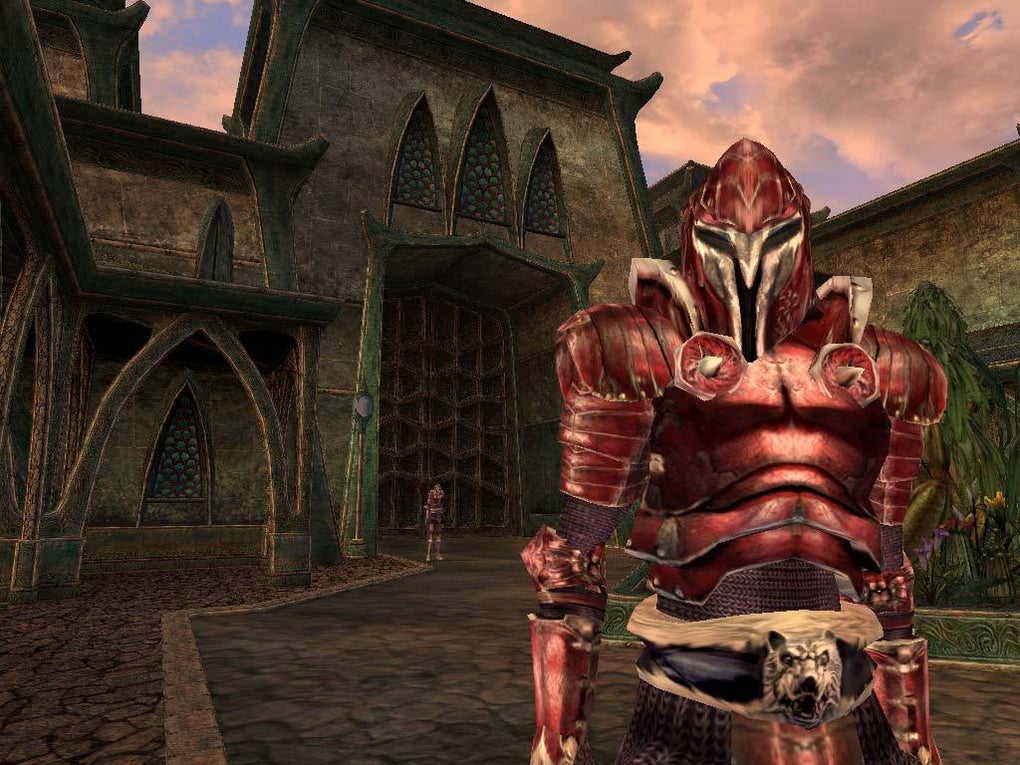
The sheer size and complexity of Vvardenfell were revolutionary for their time. Unlike many contemporary RPGs that confined players to linear paths, Morrowind offered a true sense of freedom and exploration. Players are not simply guided along a predetermined route; they are empowered to chart their own course across the island, discovering hidden locations, uncovering forgotten secrets, and forging their own destiny.
Character Creation and Progression: Forging Your Identity in Morrowind
Morrowind’s character creation system allows for unparalleled customization. Players are not limited to pre-defined classes; instead, they are presented with a vast array of skills, attributes, and races to choose from. This freedom of choice allows for the creation of truly unique characters, each with their own strengths, weaknesses, and playstyles. The character creation process is deeply engaging, encouraging players to consider their preferred approach to the game before they even begin their adventure. Morrowind’s depth does not stop at creation, with a robust skill system impacting gameplay.
Skill advancement is directly tied to player actions. Unlike other RPGs with strict class constraints, Morrowind’s skills improve through consistent use. This dynamic system encourages experimentation and diversification, rewarding players who try new approaches and challenges. The skills are varied and impactful, influencing not just combat but also social interactions, magic spells, and even the character’s ability to navigate the environment. This level of nuance allows for remarkable personalization, enabling players to tailor their characters to their preferred playing style.
Quests and Storytelling: A Narrative Woven into the World
Morrowind’s quest system is a defining feature, showcasing both its scope and depth. The main storyline, involving the investigation of a mysterious blight affecting the land, serves as a compelling framework. Yet, it’s the countless side quests and the richness of the world itself that truly stand out. These quests are often interwoven with the fabric of Vvardenfell, and they are not merely simple fetch quests; they are often intricate narratives with surprising twists, challenging puzzles, and complex moral dilemmas. The player is not a mere observer but an active participant in the unfolding story of Morrowind, their actions directly impacting the events and the fate of its inhabitants.
Many quests are deeply rooted in the game’s lore, adding layers of depth and immersion. The player might find themselves involved in political intrigue, uncovering ancient secrets, or confronting powerful figures in Morrowind’s society. The game’s storytelling is masterfully woven into its world, enriching the overall experience.
The quests are not always straightforward; the game frequently pushes the player to think critically and creatively. Some quests demand clever problem-solving skills, while others might require the player to employ diplomacy, stealth, or brute force. This approach encourages adaptability and rewards players who think outside the box.
Magic and Combat: Mastering the Arts of Morrowind
Morrowind’s magic system is as extensive and detailed as its other aspects. The creation and casting of spells is deeply customizable, allowing players to create unique combinations to suit their playstyle. The variety of spells is remarkable, from offensive attacks to defensive shields, utility spells, and even spells that affect the environment itself. The magic system is not just about offensive power; it’s also a significant component of problem-solving and exploration.
The combat system is a fascinating blend of real-time action and strategic planning. Players must account for not just the strengths and weaknesses of their weapons and armor, but also their character’s skills and attributes. Combat often involves choosing the correct approach, adapting to the situation, and utilizing the environment to gain an advantage.
Expansions: Bloodmoon and Tribunal – Expanding the Morrowind Experience
Morrowind’s legacy is further enhanced by its two expansions, Bloodmoon and Tribunal. These expansions introduce significant new content, extending the gameplay experience by many hours. Bloodmoon takes players to the icy island of Solstheim, a stark contrast to Vvardenfell, introducing new environments, creatures, and quests. This frigid land offers a unique challenge, demanding new survival strategies and tactical combat approaches. The questline focuses on werewolf lore and tribal conflict, integrating seamlessly with the established lore of Morrowind.
Tribunal focuses on the politics and mysteries of Mournhold, the capital city of Morrowind. This expansion introduces new factions, political intrigue, and powerful figures within the realm of Morrowind’s god-kings. The quests here often involve navigating complex relationships and understanding the subtleties of the political landscape, rewarding players who delve into the game’s lore and character interactions. Together, these two expansions significantly increase the playtime and deepen the already-rich storyline, solidifying Morrowind’s status as an RPG classic.
In conclusion, The Elder Scrolls III: Morrowind’s enduring appeal lies in its groundbreaking combination of an expansive and immersive world, unparalleled freedom of choice, and a compelling narrative. Its innovative systems, from character creation to magic and combat, set it apart and continue to influence RPG design today. Even with the advancements in gaming technology, Morrowind stands as a testament to the power of truly open-ended gameplay and creative storytelling, remaining a beloved and influential title in the RPG genre.
File Information
- License: “Full”
- Latest update: “July 23, 2025”
- Platform: “Windows”
- OS: “Windows 11”
- Downloads: “1.9K”


