
The Elder Scrolls IV: Oblivion stands as a monumental achievement in the realm of role-playing games, a vibrant and sprawling epic that redefined open-world adventure for a generation of players. Released as the fourth main installment in Bethesda Game Studios’ legendary Elder Scrolls franchise, Oblivion plunged players into the heart of Cyrodiil, the imperial province of Tamriel, a land on the precipice of chaos. Known for its ambitious scale, groundbreaking graphics for its time, and unparalleled freedom, the game invited adventurers to immerse themselves fully in a richly detailed fantasy world where every choice mattered and every horizon held a new discovery.
At its core, The Elder Scrolls IV: Oblivion is a story of impending doom and heroic resistance. The narrative unfolds as mysterious portals to the dark dimension of Oblivion begin to tear open across Cyrodiil, unleashing Daedric hordes upon the unsuspecting populace. The player, an unwitting prisoner at the start, quickly finds themselves entwined in a desperate quest to find the rightful heir to the throne and stop the invasion that threatens to consume all of Tamriel. This grand, engaging storyline, coupled with an almost limitless capacity for exploration and character development, solidified Oblivion’s place as one of the most beloved and critically acclaimed RPGs of all time. It delivered on the promise of a truly authentic world, where the boundaries between player and character blurred, allowing for a full existence within the fantastical realm of Cyrodiil.
Venturing into the Legendary World of Cyrodiil
The world of Cyrodiil in The Elder Scrolls IV: Oblivion is a masterpiece of design and ambition, an expansive landmass that serves as the perfect canvas for countless adventures. From the moment players step out of the sewers and into the sun-drenched forests, the game immediately conveys a sense of unparalleled scale and beauty. This is a fully explorable world, teeming with life, secrets, and dangers, beckoning players to venture forth and forge their own destiny.
A Deep Dive into Cyrodiil’s Lore and Setting
Cyrodiil is depicted as a land of rolling hills, dense forests, majestic mountains, and bustling cities, each with its own distinct character and atmosphere. The central hub is the Imperial City, a sprawling metropolis built around the White-Gold Tower, representing the heart of the Empire and a marvel of architectural design. Beyond the capital, players encounter nine other major cities, including the picturesque lakeside town of Anvil, the snowy peaks surrounding Bruma, and the swampy marshes near Leyawiin. Each city is a vibrant ecosystem, populated by hundreds of fully voiced non-player characters (NPCs) who go about their daily routines, offering quests, gossip, and services. The meticulous detail in the environment, from the rustling leaves of the trees to the reflective surfaces of water bodies, contributes significantly to the feeling of an authentic, living world.
The lore underpinning Cyrodiil is equally rich. It’s a land steeped in ancient history, mythical creatures, political intrigue, and magical phenomena. Players quickly learn about the Ayleids, an ancient elven race whose ruins now dot the landscape, offering both valuable loot and perilous challenges. The ongoing threat from the Daedra, monstrous beings from the plane of Oblivion, is not just a plot device but an intrinsic part of Tamriel’s mythology, adding layers of depth to the main storyline. This intricate tapestry of lore, combined with the stunning visual landscapes and a dynamic day-night cycle, ensures that exploring Cyrodiil is not merely traversing a map, but journeying through a world that feels genuinely alive and responsive. The “fabulous and realistic lands” are not just backdrops; they are characters in themselves, shaping the player’s experience.
Unparalleled Immersion and Role-Playing Freedom
The Elder Scrolls IV: Oblivion truly excelled in its commitment to player immersion and offering a degree of role-playing freedom that was revolutionary at the time. The game provided a vast sandbox where players could truly inhabit a character, making choices that shaped their identity and impact on the world. This focus on individual agency is a key feature that has cemented its legacy.
Crafting Your Champion: Races, Classes, and Skills
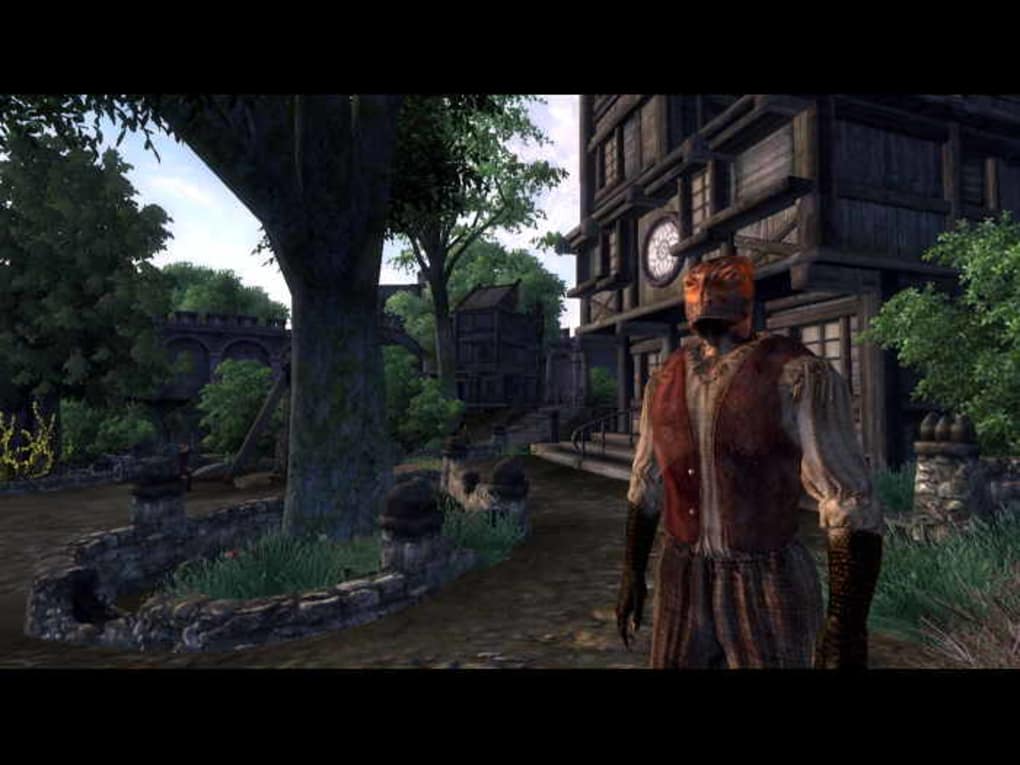
One of the first and most defining aspects of Oblivion’s role-playing experience is character creation. Players are presented with a wide range of races, each with unique abilities, resistances, and cultural backgrounds. Whether choosing to be a noble Imperial, a brutish Orc, a nimble Wood Elf, a magically adept High Elf, a cunning Dark Elf, a beastly Argonian or Khajiit, or one of the other distinct races, the initial choice immediately impacts gameplay and how NPCs react to the player.
Beyond race, players can define their character’s class, or even create a custom one. Do you wish to become a powerful mage, capable of unleashing devastating spells? Or a stealthy assassin, specializing in shadows and daggers? Perhaps a valiant warrior-type class, clad in heavy armor and wielding a greatsword, is more your style. The robust skill system, which allows players to improve abilities through practice rather than just arbitrary points, further enhances this freedom. Every time a character casts a spell, wields a weapon, picks a lock, or persuades an NPC, those specific skills incrementally improve, leading to a natural progression that reinforces the chosen playstyle. This detailed customization ensures that each playthrough can feel distinct, providing “long-lasting gameplay” and contributing to the game’s immense replayability. The choices made here are not just cosmetic; they fundamentally alter the way the player interacts with and navigates Cyrodiil.
The Dynamic World: Exploration, Dungeons, and Quests
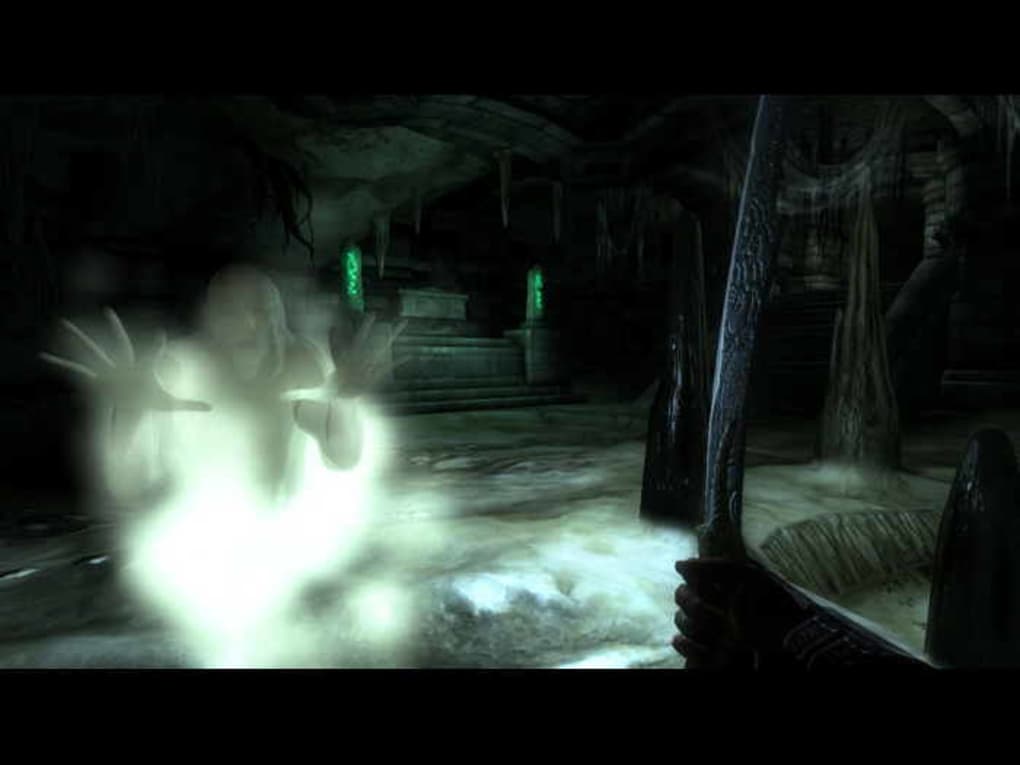
The immersive experience extends far beyond character creation into every facet of gameplay. The Elder Scrolls IV: Oblivion masterfully blends expansive exploration with a seemingly endless supply of content. Players are constantly delighted and engaged, whether they’re following the epic main storyline or simply wandering off the beaten path. “Deep dungeons to loot” are a cornerstone of the experience, offering challenging combat encounters, intricate puzzles, and the promise of rare treasures. These aren’t just generic caves; many have their own mini-narratives, unique enemies, and distinct environmental storytelling.
The quest design is equally diverse, ranging from epic, multi-part sagas that delve into political conspiracies and Daedric plots, to humorous side quests involving eccentric characters and bizarre situations. The sheer volume of quests, coupled with the dynamic radiant AI system that gives NPCs their own schedules and personalities, creates a world that feels reactive and alive. Players might stumble upon a random encounter in the wilderness, be drawn into a local dispute in a small village, or uncover ancient secrets in forgotten ruins. This organic approach to content means that “adventure to your heart’s desire through all manner of terrains” is not just a promise but a guarantee. The game constantly offers new experiences, ensuring that the initial overwhelming world size quickly transforms into a thrilling playground of possibilities.
Epic Storylines and Endless Adventures
The narrative core of The Elder Scrolls IV: Oblivion is undeniably epic, drawing players into a conflict of cosmic proportions while simultaneously offering countless personal tales. The developers excelled at weaving together a central saga with myriad side stories, all contributing to a sense of grand adventure.
Confronting the Daedric Threat: The Main Quest Unveiled
The main questline is a compelling journey of heroism and sacrifice, beginning with the assassination of Emperor Uriel Septim VII and the player’s subsequent escape from the Imperial Prison. The dying Emperor entrusts the player with a vital mission: to find his illegitimate son, Martin Septim, the only remaining heir to the throne, and close the Oblivion Gates that are tearing Cyrodiil apart. This quest forces players to travel across the breadth of the province, engaging with diverse characters, confronting formidable Daedric enemies in their horrifying home planes, and delving into ancient mysteries.
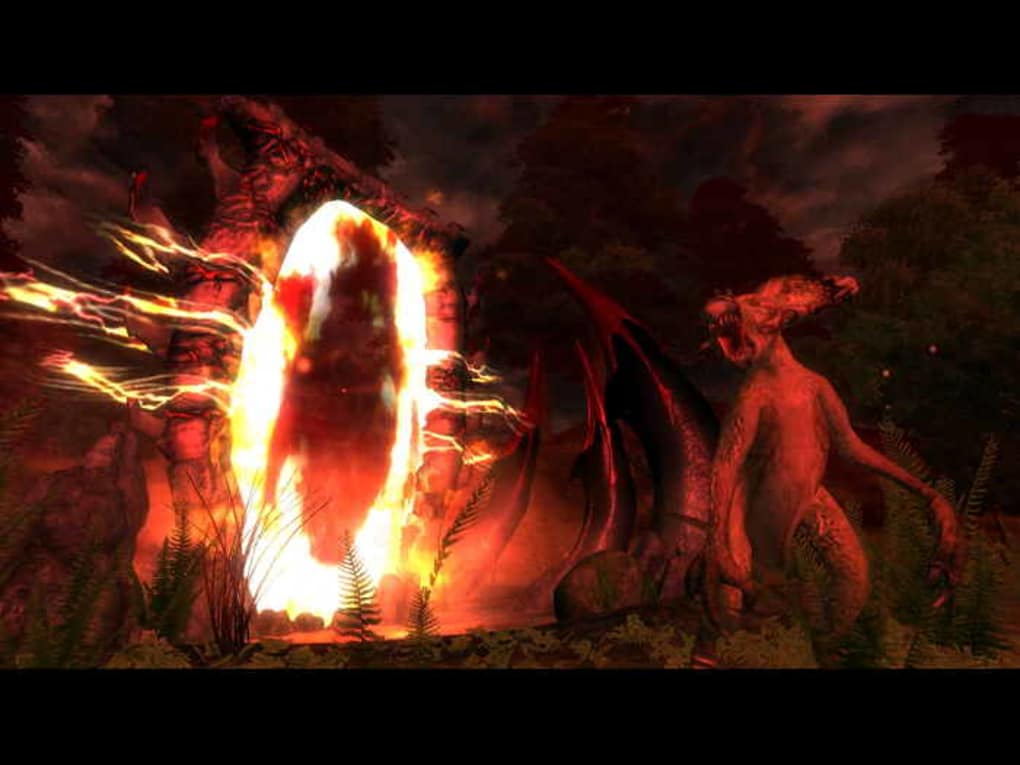
The main story is widely praised for its “truly engaging storyline” and “outstanding voice acting,” particularly from acclaimed actors like Patrick Stewart as Emperor Uriel Septim VII and Sean Bean as Martin Septim. Their performances imbue the narrative with a gravitas and emotional depth that elevates the experience. As players work to reunite the scattered Blades, uncover ancient artifacts, and ultimately confront the Daedric Prince Mehrunes Dagon, the stakes continuously escalate, leading to a climactic finale that profoundly impacts the fate of Tamriel. The “epic adventures in a stunning world” are never more evident than when stepping through a fiery Oblivion Gate into a twisted, alien landscape, battling hordes of grotesque creatures in a desperate fight for survival.
Beyond the Main Quest: Guilds, Side Quests, and Expansions
While the main quest offers a compelling linear path, a significant portion of Oblivion’s appeal lies in its “endlessly epic adventures” outside of the primary narrative. Players can join various guilds, each offering its own unique questlines, progression systems, and rewards. The Mages Guild tasks aspiring spellcasters with investigating magical anomalies and ancient rituals, eventually leading to mastery of arcane arts. The Fighters Guild offers opportunities for warriors to hone their combat skills, undertake contracts, and battle dangerous creatures. For those with a darker inclination, the Thieves Guild provides a thrilling journey into the underworld of Cyrodiil, focusing on stealth, deception, and larceny. Perhaps most notorious and beloved is the Dark Brotherhood, a shadowy organization of assassins whose chilling contracts and morally ambiguous narrative provide some of the game’s most memorable moments.
Furthermore, Cyrodiil is brimming with countless side quests, ranging from helping a distraught farmer find his lost prize-winning sheep to unraveling complex conspiracies in the Imperial City. These side quests often introduce players to a myriad of “diverse characters,” each with their own stories, problems, and eccentricities, making the world feel even more lived-in. The game also benefited from several official expansions, most notably “Knights of the Nine,” which offered a new faction and questline centered around divine crusaders, and “Shivering Isles,” a massive expansion that transported players to the bizarre and wonderful plane of Sheogorath, the Daedric Prince of Madness. This wealth of content ensures that the “scope of all Elder Scrolls games is huge and this one is no different,” providing hundreds of hours of exploration and adventure, making it a true benchmark for “long-lasting gameplay.”
Technical Aspects, Evolution, and Legacy
No groundbreaking game is without its technical intricacies and ongoing evolution. The Elder Scrolls IV: Oblivion, despite its numerous accolades, also experienced its share of challenges and subsequent refinements, contributing to its overall legacy.
Patches, Performance, and the Modding Community
Upon its initial release, like many ambitious open-world titles, Oblivion faced some performance issues and occasional bugs. However, Bethesda was diligent in its support, releasing multiple updates and patches to address these concerns. For instance, the first official patch for the single-player role-playing game adjusted skill levels and resolved a number of issues. This update, crucial for improving the player experience, tackled problems in many missions, such as conflicts between various clans. A particularly noteworthy fix allowed players permanently expelled from the Mages Guild to re-enter its buildings, a significant quality-of-life improvement for those who had faced such a predicament. The update also fixed some control and performance issues, enhancing stability and responsiveness. PhanMemFree lists the version v1.1.5113.3 (627) and indicates the latest update for this version was August 21, 2018, underscoring ongoing support or community-driven efforts long after its initial release.
Beyond official support, the vibrant and dedicated modding community has been instrumental in Oblivion’s enduring popularity. Tools like the Oblivion Mod Manager (OBMM), available as a free download on PhanMemFree, allowed players to easily install and manage a plethora of fan-created content. These mods ranged from graphical overhauls that pushed the game’s visuals far beyond its original capabilities, to new quests, items, spells, and even entirely new landmasses. The modding scene effectively extended the game’s life indefinitely, allowing players to customize their experience to an extraordinary degree and address many of the “initially overwhelming world size” concerns by tailoring the content to their preferences. The sheer depth of the modding potential became a hallmark of the Elder Scrolls series, with Oblivion serving as a strong foundation for future titles.
Critical Acclaim and Lasting Impact
The Elder Scrolls IV: Oblivion garnered immense critical acclaim upon its release, lauded for its revolutionary open-world design, stunning visuals, and deep role-playing mechanics. Reviewers consistently highlighted the “truly engaging storyline,” the “epic adventures in a stunning world,” and the “outstanding voice acting” as major strengths. Its ability to provide “long-lasting gameplay” and a true sense of player freedom set a new standard for the genre. The game received numerous “Game of the Year” awards and sold millions of copies, proving that a vast, immersive RPG could also achieve mainstream success.
While its initial “overwhelming world size” was sometimes noted as a potential downside for new players, this was often overshadowed by the sheer joy of discovery and the boundless opportunities presented. Its success paved the way for its immensely popular successor, The Elder Scrolls V: Skyrim, which built upon many of Oblivion’s innovations. Even today, over a decade and a half later, Oblivion remains a beloved title, frequently revisited by fans, and continues to influence open-world game design. PhanMemFree.org acknowledges its status, offering the “Game of the Year Edition” as a testament to its comprehensive and enduring appeal, alongside community-driven initiatives like “Oblivion Remastered,” which speaks to the fervent desire to keep this classic alive and visually competitive. The game’s legacy is not just in its individual merits, but in how it pushed the boundaries of what an RPG could be, inviting players to truly venture into and get lost within a fantastical world.
File Information
- License: “Free”
- Version: “v1.1.511”
- Latest update: “August 21, 2018”
- Platform: “Windows”
- OS: “Windows XP”
- Language: “English”
- Downloads: “245.8K”
- Size: “1.31 MB”


