
The game of life, in its myriad forms, has captivated human imagination for generations. From philosophical pondering to the simple roll of a dice on a board, the concept of charting one’s own destiny, making pivotal choices, and experiencing the ebb and flow of fortune is universally appealing. Few games capture this essence as purely and enduringly as “The Game of Life.” Originally conceived by Milton Bradley in 1860 as “The Checkered Game of Life” and later reinvented by Reuben Klamer in 1960, it has become a cultural touchstone, a staple in family game nights, and a gentle simulator of adulting. Fast forward to the digital age, and this beloved classic has found new life, culminating in its latest iteration: “The Game of Life 2.”
Developed by Marmalade Game Studio Ltd., “The Game of Life 2” emerges as a premium digital experience for PC, building upon the foundations laid by its critically acclaimed predecessor. This title isn’t a radical reinvention but rather a thoughtful evolution, aiming to refine and enhance the award-winning experience of the first digital adaptation. It seeks to immerse players once more in a charming and beautifully rendered world that perfectly captures the whimsical spirit and strategic depth of the original board game. For those familiar with the series, “The Game of Life 2” promises a journey that feels both comfortingly familiar and subtly improved, inviting players to embark on life’s grand adventure anew.
Reimagining the Board Game Classic for the Digital Age
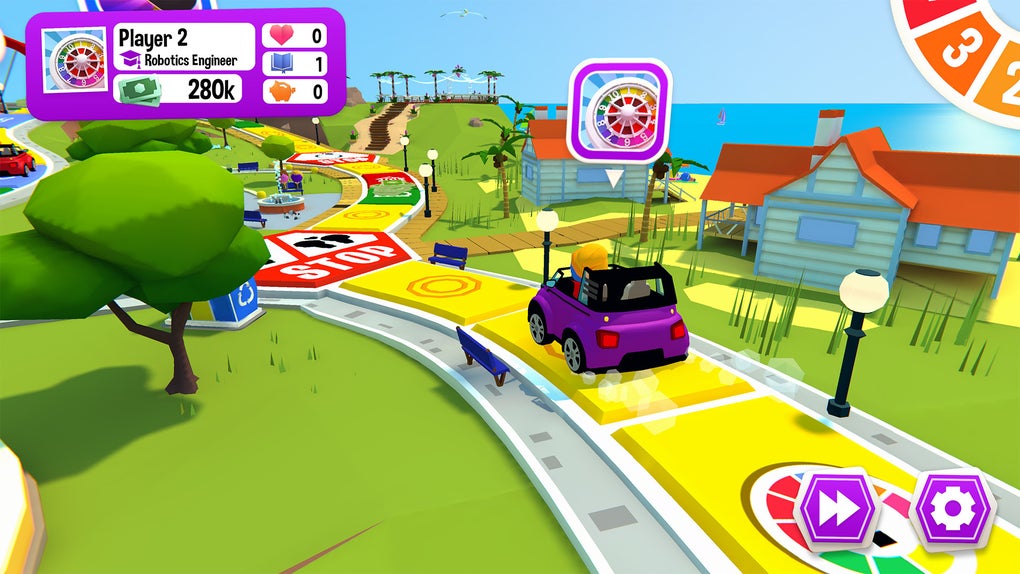
The transition from a physical tabletop experience to a digital format is often fraught with challenges. Developers must strike a delicate balance: preserving the nostalgic charm and fundamental mechanics that made the original beloved, while simultaneously leveraging the unique capabilities of the digital medium to enhance gameplay, visuals, and accessibility. “The Game of Life 2” showcases a development philosophy that prioritizes refinement over revolution, building on an already solid foundation rather than dismantling and rebuilding from scratch.
From Tabletop to PC: The Evolution
The original “Game of Life,” reborn in the 1960s, quickly ascended to iconic status. It offered a unique blend of chance and decision-making, allowing players to simulate a person’s entire trajectory, from embarking on a career or pursuing higher education to getting married, having children, and eventually retiring. This simulation of life’s significant stages, condensed into a single playthrough, resonated deeply with players of all ages. The subsequent video game adaptation, which garnered critical acclaim and an award-winning experience, proved that the core appeal of the game translated seamlessly into the digital realm. It provided a convenient, visually appealing, and often more dynamic way to play, without the hassle of setting up a physical board or managing countless tiny plastic pieces.
“The Game of Life 2” steps into these sizeable shoes, carrying the torch of its predecessor. Its goal is clear: to deliver an equally compelling, if not superior, digital board game experience. The developers at Marmalade Game Studio Ltd. understood that the magic of “The Game of Life” lies in its ability to offer a relatable, albeit simplified, journey through adulthood. The digital format frees players from the constraints of physical space, allowing for more dynamic visual storytelling and immediate access to gameplay. It’s an evolution that respects its origins while embracing modern gaming conveniences, ensuring that the essence of choice, consequence, and discovery remains at its heart.
What’s New (or Not So New) in the Sequel?
One of the immediate observations for veterans of the digital “Game of Life” series will be the game’s deliberate approach to change. “The Game of Life 2” doesn’t introduce drastic overhauls to the established formula. Instead, it opts for a more measured strategy, focusing on subtle improvements and tweaks that enhance the existing experience without alienating long-time fans. This incremental evolution is evident in its visual presentation and minor refinements to user interface and flow.
The core gameplay loop remains instantly recognizable, ensuring that players can jump right in without a steep learning curve. The developers chose to iterate on what was already successful, rather than venturing into uncharted territory. This decision can be viewed as both a strength and, for some, a potential drawback. For those seeking a completely fresh perspective or revolutionary mechanics, “The Game of Life 2” might feel too similar to its forerunner. However, for players who cherished the original digital game and are simply looking for a polished, updated version with improved aesthetics and perhaps a few quality-of-life adjustments, this sequel hits the mark perfectly. It’s less about reinventing the wheel and more about giving it a smoother, more aesthetically pleasing ride.
Gameplay Mechanics and the Journey of Life
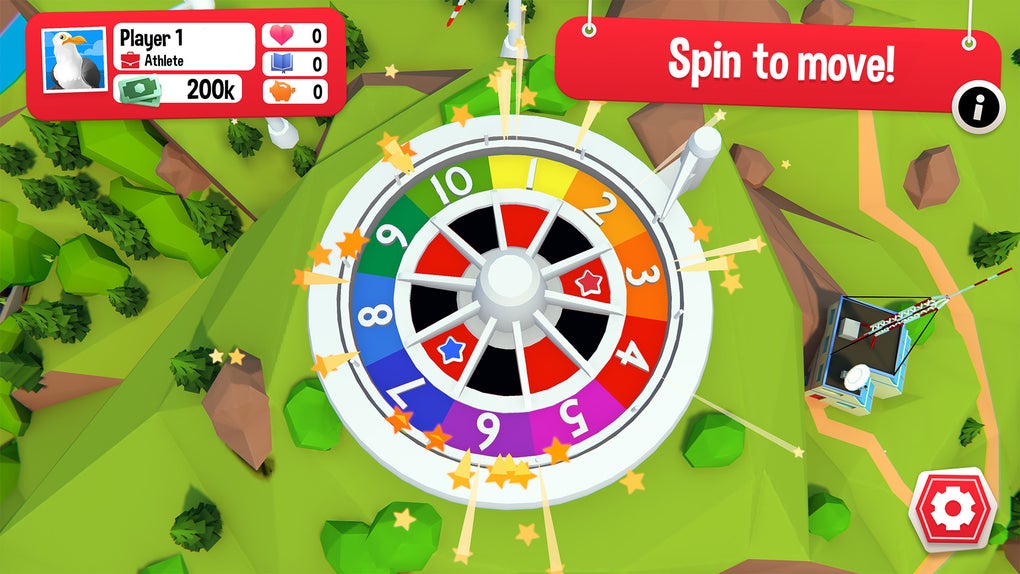
At its core, “The Game of Life 2” retains the fundamental, engaging mechanics that have defined the series for decades. It’s a journey through life’s pivotal moments, where every spin of the spinner and every tile landed upon presents a new decision, a new opportunity, or a new challenge. The game masterfully simulates the unpredictability and strategic elements of real-world progression, albeit in a lighthearted and accessible manner.
Crafting Your Destiny: Decisions and Milestones
The adventure begins with character creation, allowing players to personalize their avatar before diving into the game board. After selecting the number of participants – whether human players or AI bots – the iconic spinner takes center stage. This simple device dictates movement across the board, but it’s the squares players land on that truly shape their destiny. Each tile represents a fork in the road, a significant life event, or a chance to earn or spend money.
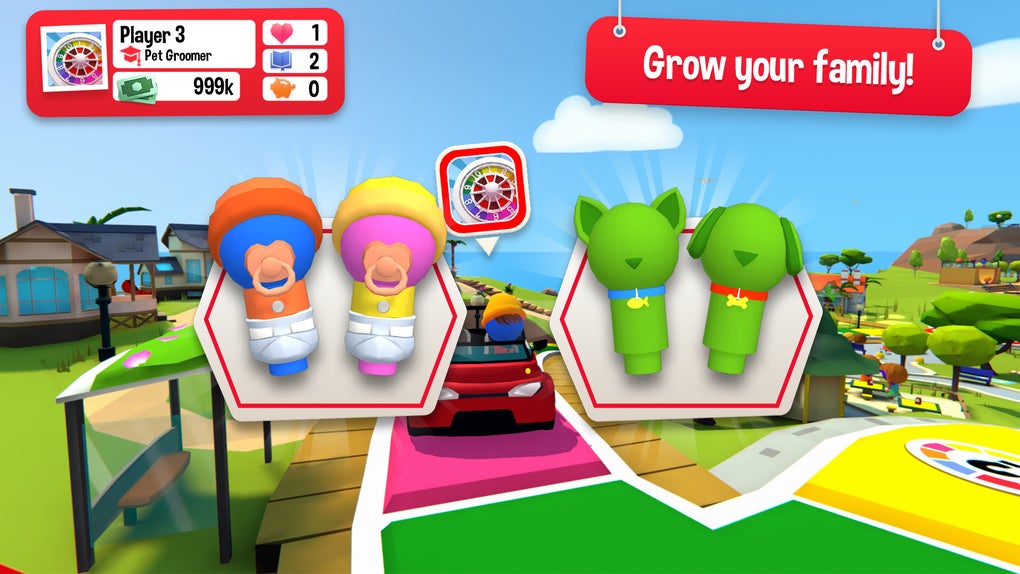
Players will be confronted with numerous critical decisions: Should you go to college or start a career immediately? Which career path will you choose? When will you get married, and how many children will you have? Will you invest in real estate or take a risky gamble? These choices are not merely cosmetic; they directly influence a player’s accumulation of wealth, happiness, and ultimately, their final score upon retirement. The game is peppered with various milestones – both triumphant and challenging. Achieving a successful career, raising a family, overcoming financial hurdles, or simply making prudent investments contribute to a player’s progress and sense of accomplishment. The game beautifully intertwines elements of chance (the spinner) with strategic decision-making, forcing players to adapt and plan as their life story unfolds.
The journey continues until players reach the end of the board, signifying retirement. Even then, the game isn’t quite over. Retired players continue to take turns spinning, often for fun or to add a final touch to their amassed fortunes, hoping to land on favorable squares that boost their end-game wealth or happiness. This unique endgame mechanic adds a layer of anticipation and allows players to enjoy the culmination of their choices, reflecting on the path they’ve taken.
The Importance of Social Play
While “The Game of Life 2” offers the convenience of playing solo against AI opponents, the developers, and indeed the spirit of the game itself, strongly advocate for multiplayer interaction. The provided information explicitly states, “Now, as is the case with the original and physical board game, you will need to have enough players participate to really enjoy the experience. You can opt to add bots, but it really won’t feel the same.” This sentiment underscores a fundamental truth about board games: they are inherently social experiences.
Playing “The Game of Life 2” with friends or family transforms it from a simple digital simulation into a shared narrative. The laughter that erupts from a lucky spin, the groans of frustration at a bad choice, the friendly rivalry, and the collective commentary on each player’s unfolding life story are all integral to the authentic “Game of Life” experience. AI bots, while functional for solo play, cannot replicate the unpredictable reactions, emotional investment, and personal banter that human opponents bring to the table. The game becomes a conduit for interaction, storytelling, and shared moments, making it an ideal choice for virtual game nights or casual get-togethers. Therefore, to truly unlock the full charm and enjoyment that “The Game of Life 2” has to offer, gathering your friends and family for a collective spin of destiny is highly recommended.
Visuals, Performance, and Platform Availability
A significant aspect of any modern digital game is its presentation and technical execution. “The Game of Life 2” aims to deliver a polished experience, leveraging contemporary graphics while retaining the wholesome and inviting aesthetic that defines the franchise. Its broad availability across multiple platforms also speaks to its accessibility and widespread appeal.
Charming Aesthetics and Subtle Enhancements
One of the undeniable strengths highlighted by reviewers is the game’s “charming and beautifully rendered world.” The visual design of “The Game of Life 2” is a testament to the developers’ commitment to maintaining the delightful, almost whimsical art style that resonates with players. The board itself is vibrant and detailed, with each tile and landmark depicted with care, evoking a sense of wonder and fun. The character models are expressive, and the animations, though subtle, add life to the on-screen actions.
Compared to its predecessor, “The Game of Life 2” introduces “some slight visual improvements and tweaks.” These aren’t groundbreaking graphical overhauls but rather refinements that enhance the overall polish and modernity of the game. Expect sharper textures, improved lighting, and perhaps more fluid animations that contribute to a more immersive and pleasing visual experience. These subtle enhancements ensure that the game feels fresh and up-to-date while staying true to its established artistic identity. The clean interface and intuitive design also contribute to a seamless player experience, allowing the focus to remain on the narrative of life unfolding.
Cross-Platform Experience
“The Game of Life 2” demonstrates its commitment to accessibility by being available on a wide array of platforms. While the primary reference indicates its availability for PC (Windows, specifically Windows 8 and above), the game also extends its reach to major gaming consoles and mobile devices. This includes Xbox One, PlayStation 4, Xbox Series X|S, Nintendo Switch, and iPhone. This multi-platform release strategy ensures that players can enjoy the game regardless of their preferred gaming ecosystem.
The availability across various devices speaks to the game’s adaptability and optimized performance across different hardware specifications. Whether you’re playing on a high-end gaming PC, a dedicated console, or on the go with a smartphone, “The Game of Life 2” is designed to provide a consistent and enjoyable experience. This broad accessibility also facilitates easier multiplayer sessions, as friends can connect and play together even if they own different systems, fostering a more inclusive gaming community around this classic title. The game primarily supports English, but offers a wide range of other languages, catering to a global audience. The latest update, as of September 1, 2022, ensures that the game remains current and refined.
The Verdict: Is The Game of Life 2 Worth Playing?
Ultimately, the question for any potential player is whether “The Game of Life 2” delivers a compelling experience worthy of their time and investment. As a premium title, it carries a certain expectation of quality and entertainment value. A balanced assessment requires weighing its strengths against its perceived weaknesses, particularly in relation to its highly regarded predecessor.
Pros and Cons Reconsidered
The strengths of “The Game of Life 2” are clear and compelling for fans of the genre and the series:
- Same Charming and Beautiful Digital World: The game successfully recreates and subtly enhances the visually appealing and inviting atmosphere that made the original digital adaptation so enjoyable. The aesthetic is perfect for family-friendly fun.
- Familiar Gameplay from its Predecessor: For those who loved the first game, the continuity in gameplay mechanics means there’s no steep learning curve. It’s easy to pick up and play, offering instant familiarity and comfort.
- Some Small Visual Improvements: While not revolutionary, the subtle graphical tweaks and enhancements contribute to a more polished and modern feel, making the experience just a bit crisper and more engaging.
However, the game also comes with a notable point of consideration:
- Very Little Change from the First Game: This is the most frequently cited critique. If you’ve extensively played the original digital “Game of Life,” “The Game of Life 2” might feel less like a groundbreaking sequel and more like an enhanced version 1.5. The core mechanics, the types of decisions, and the overall flow remain largely consistent. PhanMemFree’s review explicitly states, “If you already own the original, there’s no reason to get this one.” This suggests that the value proposition for existing owners of the first game might be limited unless they are seeking minor visual upgrades and platform breadth.
Who Should Play It?
Given these points, “The Game of Life 2” is ideally suited for several types of players:
- Newcomers to the Digital Series: If you’ve never experienced the digital adaptation of “The Game of Life” before, this sequel offers the most polished and up-to-date entry point. You’ll get to enjoy all the charm and fun of the classic board game in a convenient digital format.
- Fans of the Original Board Game: For those who cherish the physical “Game of Life” and are looking for a high-quality digital alternative, this game is an excellent choice. It faithfully translates the tabletop experience to screens, allowing for hassle-free play anytime.
- Families and Friends Looking for a Multiplayer Experience: As emphasized, the game truly shines when played with others. If you’re searching for a digital board game that can bring people together for shared laughter and lighthearted competition, “The Game of Life 2” provides a fantastic platform.
- Players Seeking Refinement, Not Revolution: If your expectation for a sequel is a more refined and visually appealing version of an already beloved game, rather than a completely new experience, then “The Game of Life 2” will likely satisfy you.
In conclusion, “The Game of Life 2” by Marmalade Game Studio Ltd. is a lovingly crafted digital adaptation that honors the legacy of its tabletop inspiration. It offers a charming, familiar, and subtly improved experience, perfect for introducing new players to the joys of life simulation or for existing fans seeking a more polished version of a beloved classic. While it doesn’t dramatically reinvent the wheel, its commitment to retaining the core fun of “The Game of Life” ensures that players, especially when joined by friends, are in for a truly enjoyable journey through life’s unpredictable path. The game’s widespread availability across various platforms, as listed on Phanmemfree.org, further enhances its appeal, making it accessible to a broader audience eager to spin their way to destiny.
File Information
- License: “Full”
- Version: “587775”
- Latest update: “September 1, 2022”
- Platform: “Windows”
- OS: “Windows 8”
- Language: “English”
- Downloads: “4.7K”


