
In the annals of cinematic history, few sagas command the reverence and cultural impact of Francis Ford Coppola’s “The Godfather.” A masterpiece of storytelling, character development, and intricate moral ambiguity, it laid a foundation that continues to influence countless forms of media. It was only a matter of time before the gaming world sought to adapt this monumental narrative, and in 2006, Electronic Arts delivered “The Godfather: The Game.” This open-world adventure game plunged players into the gritty, dangerous, and often seductive world of the Corleone family, offering a unique perspective on the events depicted in the iconic film. For enthusiasts and newcomers alike, this title promised an immersive journey into the heart of organized crime, allowing players to not just witness, but actively participate in the rise of a new enforcer within the infamous family.
Originally released to considerable anticipation, “The Godfather: The Game” carved out its own niche in a genre dominated by titans like “Grand Theft Auto.” What set it apart was its direct lineage to the beloved film, offering a chance to revisit familiar locales and interact with legendary characters, albeit through the eyes of an original protagonist. While the original release garnered mixed reactions for its ambitious yet sometimes flawed execution, a recent resurgence, particularly through community-driven rebuilds and free re-releases, has brought this classic back into the spotlight. These newer iterations often boast improved technical aspects, proving that even a decade and a half later, the allure of the Corleone empire remains potent, drawing players back into a world where loyalty, power, and family are everything.
Stepping into the Family: Aldo Trapani’s Ascent in New York
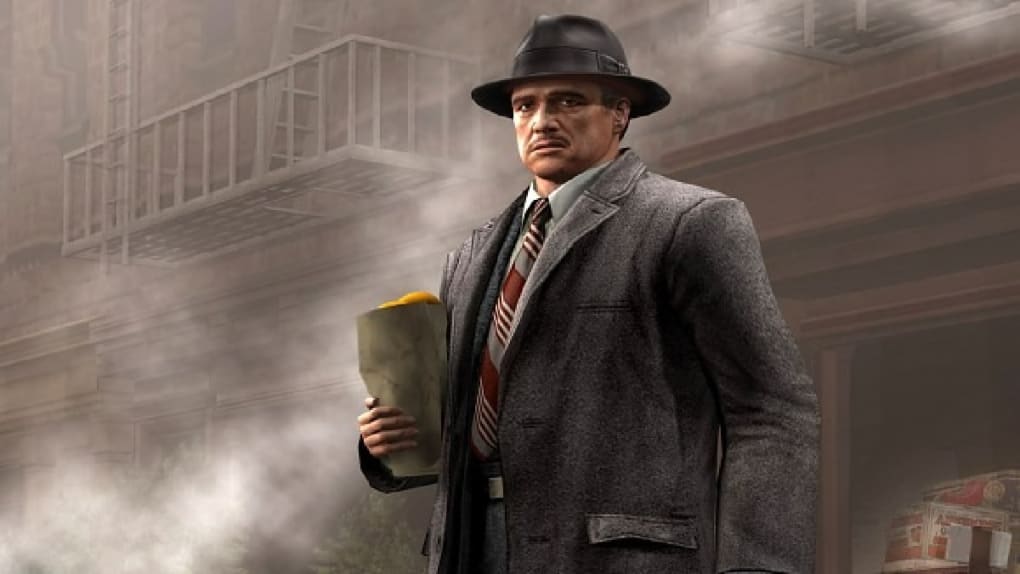
“The Godfather: The Game” places players not in the shoes of a well-known character from the film, but as Aldo Trapani, an original, non-canon character whose personal journey intertwines with the epic saga of the Corleone family. This innovative approach allows the game to maintain narrative fidelity to the source material while simultaneously granting players a fresh, personal stake in the unfolding drama. Aldo’s story begins in the fictional 1970s New York City, a vivid backdrop meticulously crafted to echo the film’s iconic setting. Orphaned and seemingly without prospects, Aldo’s life takes a dramatic turn when his mother’s pleas lead him into the protective, albeit dangerous, embrace of Vito Corleone himself. From this humble, almost desperate origin, Aldo begins his arduous climb up the ranks of the Corleone crime syndicate.
The core gameplay progression mirrors this ascent. Players start as a lowly street enforcer, performing rudimentary tasks that gradually escalate in complexity and stakes. Under the direct tutelage of key Corleone figures – including Paulie Gatto, Peter Clemenza, and even Fredo Corleone – Aldo learns the brutal realities of mob life. Missions range from collecting protection money from reluctant shopkeepers and executing rival gang members to engaging in high-stakes heists and strategic territorial takeovers. Each successful endeavor not only earns Aldo respect and money but also contributes to the Corleone family’s overarching goal of consolidating power across New York City’s boroughs.
The game skillfully integrates Aldo’s narrative arc within the broader events of “The Godfather” film. Players will find themselves present at pivotal moments, often playing a direct, if unseen, role in events that shape the Corleone family’s destiny. For instance, Aldo might be tasked with avenging the brutal attack on Don Vito Corleone, securing key witnesses, or participating in the infamous “sleeps with the fishes” moment. This clever blending of original content with established lore allows the game to serve as a dynamic retelling of the films, offering a new lens through which to experience the classic story. The sense of being an active participant, rather than a passive observer, is a powerful draw, making the player feel genuinely immersed in the Corleone family’s struggles and triumphs.
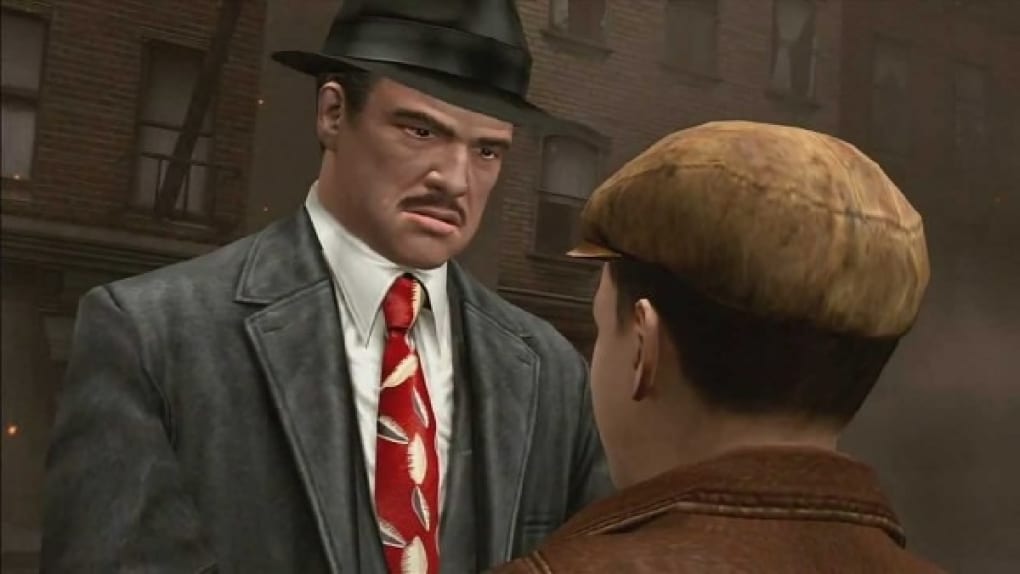
The open-world design of “The Godfather: The Game” is crucial to its immersive quality. Much like the “Grand Theft Auto” series, which it is frequently compared to, players have the freedom to explore a sprawling rendition of New York City, albeit one tailored to the 1970s aesthetic. This sandbox environment is teeming with opportunities for both story progression and side activities. Beyond the main missions, players can extort businesses, engage in street fights, participate in car chases, and hunt down rival gang members. The city itself becomes a character, with distinct districts controlled by different families – the Tattaglias, Barzinis, Cuneos, and Straccis – each offering unique challenges and opportunities for expansion. The goal, ultimately, is to systematically dismantle the influence of these rival families, seize their rackets, and ensure the Corleones reign supreme, culminating in a well-executed final mission that cements their iron grip on New York City.
Enduring Legacy: Technical Improvements and Authentic Voices
While the original 2006 release of “The Godfather: The Game” was lauded for its audacious concept and immersive world, it wasn’t without its technical limitations, especially when compared to the rapidly evolving standards of the gaming industry at the time. However, the game’s enduring appeal has spurred community efforts and specific re-releases that have leveraged advancements in technology to breathe new life into this classic. One notable characteristic of these newer versions, often circulated as “rebuilds” rather than official re-releases from Electronic Arts, is their commitment to enhancing the player experience without sacrificing the game’s original artistic vision.
One of the most significant improvements lies in the realm of graphics and animation. While retaining the original art style, which evokes the distinct atmosphere of 1970s New York and the film’s aesthetic, these rebuilt versions often feature improved graphics textures and more fluid animations. This means that the blocky, dated visuals that might have deterred some players in the past are now smoothed out, providing a more polished and visually appealing experience. The character models, environmental details, and vehicle designs all benefit from these enhancements, making the bustling streets of New York, the smoky interiors of family compounds, and the tense shootouts feel more vibrant and realistic. The visual upgrade contributes substantially to immersion, allowing players to fully appreciate the game’s meticulously crafted world without being pulled out by anachronistic graphical fidelity.
Beyond visual fidelity, these enhanced versions also frequently incorporate content that was either cut from the original release or developed but never fully implemented. This can include a couple of new missions and “hits” (assassination contracts) that expand Aldo Trapani’s journey and provide even more depth to the Corleone narrative. For fans who thoroughly explored the original game, these additions offer a compelling reason to revisit, providing fresh challenges and further insight into the machinations of the New York crime families. This expanded content underscores the passion behind these re-releases, going beyond mere cosmetic upgrades to enrich the core gameplay experience.
Perhaps one of the most celebrated aspects of “The Godfather: The Game,” and thankfully preserved in its rebuilt iterations, is its exceptional voice acting. Recognizing the importance of authenticity, the developers secured the talents of several actors from the original film to reprise their roles, lending an unparalleled layer of credibility and nostalgia. Marlon Brando, in one of his final performances, lends his inimitable voice to Vito Corleone, delivering lines with the gravelly authority and quiet menace that made the character iconic. Other returning actors include James Caan as Sonny Corleone, Robert Duvall as Tom Hagen, and Abe Vigoda as Salvatore Tessio. Their presence provides a direct auditory link to the film, enhancing the emotional weight of interactions and making key cinematic moments within the game resonate with familiar power. Hearing these original voices, often alongside new dialogue written to complement their characters, creates a powerful sense of continuity and immersion that few film adaptations can achieve.
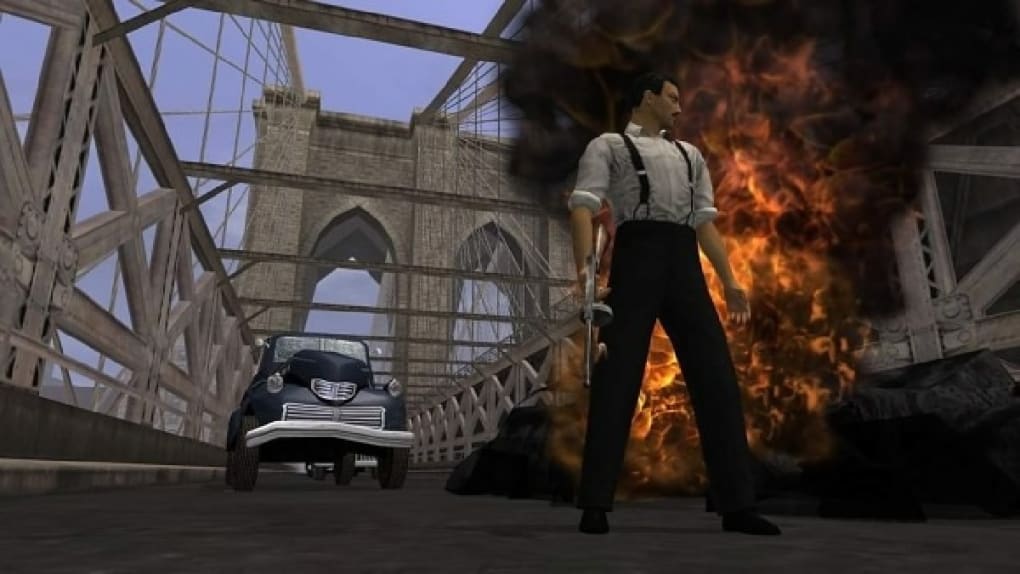
However, even with these significant improvements, one area where “The Godfather: The Game” still falls short, particularly in its cutscenes, is its cinematic flair. While the original voice acting is a triumph, the cutscenes themselves can sometimes feel lifeless and lack the dynamic direction, intricate camerawork, and emotional depth that made Coppola’s film a cinematic marvel. Characters might appear stiff, movements can be stilted, and the overall pacing occasionally fails to capture the gravitas of the source material. This creates a minor but noticeable disparity between the game’s ambitious narrative scope and its execution of pivotal dramatic sequences. Despite the enhanced graphics and textures, replicating the sheer cinematic power of “The Godfather” film remains an elusive challenge, highlighting an area where future adaptations could potentially improve. Nevertheless, the combination of improved visuals, expanded content, and the invaluable contribution of the original voice cast makes these rebuilt versions a compelling argument for revisiting, or experiencing for the first time, Aldo Trapani’s journey through the Corleone empire.
The Corleone Experience: A Deeper Dive into Mob Life
“The Godfather: The Game” distinguishes itself not merely by recreating the narrative beats of the film, but by immersing players in the very fabric of mob life, presenting the Corleone family’s operations with a surprising degree of depth and strategic nuance. Beyond the primary storyline, which meticulously tracks Aldo Trapani’s rise and parallels the film’s events, the game encourages players to actively participate in the family’s criminal enterprise, making the “Corleone experience” truly interactive. This involves a multifaceted approach to territorial control, resource management, and ruthless enforcement, forcing players to think like a mob boss, albeit a nascent one.
Central to this experience is the concept of rackets and businesses. New York City is divided into several boroughs, each controlled by rival families. Within these boroughs are legitimate businesses (such as bakeries, hotels, and construction companies) that serve as fronts for illegal rackets (like extortion, gambling, and prostitution). Aldo’s task, under the guidance of the Corleone capos, is to systematically muscle in on these businesses. This often involves a process of intimidation: confronting the owner, roughing up their establishment, and perhaps even “persuading” them through violent means until they agree to pay protection money to the Corleones. The game offers a unique “Blackhand” control scheme that allows players to physically intimidate targets, from slamming heads into counters to throwing them through windows, adding a visceral layer to the extortion mechanics. The level of force used affects the payoff; too little, and they won’t comply; too much, and they might destroy their business, yielding less profit. This delicate balance of intimidation and strategic destruction adds a layer of economic simulation to the action.
As Aldo secures more rackets and businesses, the Corleone family’s income and influence grow. However, this expansion does not go unchallenged. Rival families will attempt to reclaim their territory, sending enforcers to raid Corleone-controlled businesses, kill loyal owners, or even initiate all-out gang wars. Players must actively defend their territory, reinforcing businesses with guards, retaliating against attacks, and taking the fight to the enemy. This constant push-and-pull creates a dynamic, living world where the struggle for dominance is perpetual. Successful defense and expansion ultimately pave the way for taking over rival family compounds, which are often heavily guarded fortresses requiring strategic planning and coordinated assaults. These sequences typically involve intense shootouts, explosive breaches, and a final confrontation with the rival family’s underboss, culminating in the complete subjugation of their territory.
Furthermore, the game provides opportunities for players to cultivate relationships and earn respect (“Respect points”) within the Corleone family. Completing missions, successfully extorting businesses, and engaging in various side activities contribute to Aldo’s standing. As his respect level grows, he unlocks new skills, weapons, and special abilities, transforming him from a street thug into a formidable enforcer. Players can invest their earnings in upgrading Aldo’s health, combat prowess, and weapon handling, tailoring his abilities to their preferred playstyle. The game also features a comprehensive weapons system, including classic firearms like Tommy guns, shotguns, and revolvers, as well as melee weapons, each with its own characteristics and upgrade paths. This RPG-lite progression system imbues Aldo with a tangible sense of growth and power, making the player’s investment in his character feel meaningful.
Beyond the raw mechanics of crime, “The Godfather: The Game” also attempts to capture the moral complexities and internal dynamics of the Corleone family. While Aldo is a loyal soldier, he witnesses firsthand the brutality, the betrayals, and the compromises that come with power. Interacting with iconic characters like Michael Corleone, Sonny, and Tom Hagen provides glimpses into their personalities and the intricate web of family loyalty and political maneuvering. Though the game’s storytelling is primarily action-driven, these interactions, coupled with the authentic voice acting, enrich the player’s understanding of the Corleone ethos. The game successfully conveys that being part of the family is not just about violence and power, but also about a strict code of conduct, unspoken rules, and an unwavering loyalty that defines their very existence. This layered approach to mob life, combining strategic gameplay with narrative immersion, ensures that “The Godfather: The Game” delivers a comprehensive and truly engaging Corleone experience.
Critiques and Comparisons: Standing Beside Gaming Giants
Upon its initial release and even in its current, rebuilt form, “The Godfather: The Game” inevitably drew comparisons to the reigning champions of the open-world crime genre, most notably Rockstar Games’ “Grand Theft Auto” series and 2K Czech’s “Mafia” titles. While these comparisons highlight some of the game’s structural similarities, they also illuminate its unique strengths and its occasional shortcomings, positioning it as an imperfect yet enjoyable spinoff that stands on its own merits.
The most obvious comparison is with “Grand Theft Auto V” and its predecessors. Both offer expansive open worlds, carjacking, intense gunfights, and a progression system rooted in criminal activities. However, “The Godfather: The Game” distinguishes itself with its profound narrative focus and its grounded, almost historical setting. While GTA revels in anarchic freedom and often satirical commentary on modern society, “The Godfather” is a far more serious affair, deeply entrenched in the specific cultural and criminal milieu of 1970s New York. The violence, while present, feels more purposeful and less gratuitous, serving the narrative of mob power and vengeance rather than pure chaos. The “Blackhand” combat system, with its emphasis on intimidation and environmental interaction during extortion, offers a tactile, personal touch that differs from GTA’s more straightforward combat mechanics. This thematic difference means that while mechanically similar, the overall feel of playing “The Godfather” is distinct, appealing to players seeking a more organized and story-driven criminal enterprise.
A more direct comparison can be made to “Mafia 2,” another game that sought to immerse players in a historical mob setting. Both games excel at period authenticity, from the vehicles and fashion to the architecture and music. Where “Mafia 2” offers a tightly scripted, highly cinematic narrative experience, “The Godfather: The Game” leans more into open-world freedom, allowing players greater agency in how they interact with and shape the criminal underworld. “Mafia 2” often feels like playing through a meticulously crafted mob movie, with less emphasis on player choice in its world traversal. “The Godfather,” conversely, empowers players to build their own empire within the larger Corleone narrative, offering a sense of persistent influence on the game world through its territory control and business extortion mechanics. This makes “The Godfather” a more interactive sandbox, even if its main story beats are pre-ordained by the film.
Despite its many strengths, the game faced valid criticisms. As mentioned earlier, the most prominent drawback, particularly in its original form and still somewhat present in the rebuilt versions, lies in the cutscenes. Compared to the groundbreaking cinematography of the film, the in-game cutscenes often felt static, lacking the dramatic tension and emotional nuance that made the source material so compelling. While the return of original voice actors was a huge boon, their performances sometimes felt constrained by less dynamic facial animations and camera work, resulting in moments that felt less “cinematic” and more like functional transitions. This often highlighted the technical limitations of translating such a visually rich film into an interactive medium at the time.
Furthermore, some critics pointed to a repetitive nature in the side activities, particularly the extortion rackets. While initially engaging, the process of intimidating business owners could become formulaic over time, reducing the variety of emergent gameplay. However, the open-world structure and the constant threat of rival gangs did mitigate this to some extent, forcing players to remain vigilant and strategically diverse in their approach to maintaining power.
Ultimately, “The Godfather: The Game” is an imperfect but undeniably enjoyable spinoff. It successfully captures the essence of the Corleone world, allowing players to live out a mob fantasy steeped in one of cinema’s greatest tales. The improvements in graphics and animation in its rebuilt versions, combined with the irreplaceable original voice acting, make it a compelling classic worth revisiting. For fans of the film, it offers a unique, interactive retelling, filling in the gaps and adding a personal touch to a familiar saga. For open-world enthusiasts, it provides a distinctive take on the genre, blending strategic crime management with visceral action in a historically rich setting. It may not have surpassed its genre giants in every aspect, but its bold ambition and heartfelt connection to its source material ensure its place as a memorable entry in the pantheon of game adaptations.
Conclusion: A Lasting Impression on the Gaming Landscape
“The Godfather: The Game” stands as a testament to the enduring appeal of one of the greatest cinematic achievements in history. More than just a simple video game adaptation, it represents an ambitious attempt to extend the narrative and thematic depth of Francis Ford Coppola’s masterpiece into an interactive medium. While the task was monumental, the game largely succeeded in drawing players into the dark, seductive, and dangerous world of the Corleone family, offering a unique perspective through the eyes of an original character, Aldo Trapani. His journey from an aspiring street tough to a respected enforcer, intricately woven into the fabric of the film’s iconic storyline, provides a personal connection to the grander narrative of power, loyalty, and betrayal.
The game’s open-world design, allowing players to roam a meticulously crafted 1970s New York City, fostered a sense of freedom and immersion akin to its contemporaries. The core loop of extorting businesses, engaging in brutal gang warfare, and strategically expanding the Corleone family’s influence was both engaging and rewarding, providing a genuine sense of agency in shaping the criminal underworld. The “Blackhand” combat system, with its emphasis on intimidation and environmental interaction, added a visceral layer to the gameplay, making each encounter feel personal and impactful.
Furthermore, the efforts to enhance and preserve the game’s core strengths, particularly in its rebuilt iterations, have cemented its status as a cult classic worthy of continued attention. The improved graphics and textures breathe new life into its period setting, while the inclusion of additional missions expands the narrative possibilities. Crucially, the dedication to retaining the original voice acting from iconic film stars like Marlon Brando, James Caan, and Robert Duvall provides an unparalleled level of authenticity, bridging the gap between the interactive experience and its cinematic inspiration. This commitment to fidelity ensures that players are not just playing a game, but actively participating in a beloved saga, with the very voices that defined it guiding their journey.
While the game wasn’t without its imperfections, notably the sometimes lackluster cutscenes that struggled to capture the cinematic brilliance of the film, these minor flaws do little to diminish its overall appeal. “The Godfather: The Game” remains a compelling blend of action, strategy, and narrative immersion. It offers a unique opportunity for fans of the film to experience the story from a fresh perspective, to walk the streets of New York as a member of the Corleone family, and to understand firsthand the brutal realities of power. For those seeking an open-world adventure game with a rich narrative backbone and a distinct historical setting, “The Godfather: The Game” provides an experience that is both memorable and enduring, cementing its place as an integral, if sometimes overlooked, entry in the history of video game adaptations. It serves as a potent reminder that some stories, and some families, are simply too powerful to remain confined to a single medium.
File Information
- License: “Free”
- Version: “varies-with-device”
- Latest update: “October 2, 2023”
- Platform: “Windows”
- OS: “Windows 10”
- Language: “English”
- Downloads: “2.9K”


