
In the vast and ever-evolving landscape of digital entertainment, where hyper-realistic graphics and sprawling open worlds often dominate, there remains a compelling niche for games that dare to delve into the depths of the human psyche. “The Horrorscope,” an indie title developed by Randumb Studios, stands as a testament to this fact. It’s not a game about conquering enemies or solving complex puzzles in fantastical realms, but rather an introspective journey, a psychological simulation wrapped in a disquieting horror aesthetic. Available for Windows users, this title promises to reveal not just a secret word about your inner self, but potentially a darker, more uncomfortable truth hidden beneath the surface of your consciousness. Its premise is deceptively simple: answer a series of situational yes/no questions, and in return, receive a descriptor of your innate thoughts and personality. However, as players quickly discover, the path to this self-revelation is paved with unsettling scenarios and a pervading atmosphere of unease, making “The Horrorscope” a distinctive and intriguing experience for those brave enough to explore their own shadows.
Games: A Deep Dive into Psychological Simulation
The gaming industry has long moved beyond mere pixelated diversions, evolving into a potent medium for storytelling, artistic expression, and even profound self-exploration. “The Horrorscope” neatly fits into this evolution, representing a genre of games that prioritizes psychological impact over traditional gameplay mechanics. As an indie title, it exemplifies the creative freedom that smaller studios often leverage, allowing them to experiment with unconventional themes and narrative structures that might be deemed too niche or risky for mainstream publishers. This game, much like its predecessor “The Test” from the same developer, challenges players to engage not just with a virtual world, but with their own moral compass and subconscious responses.
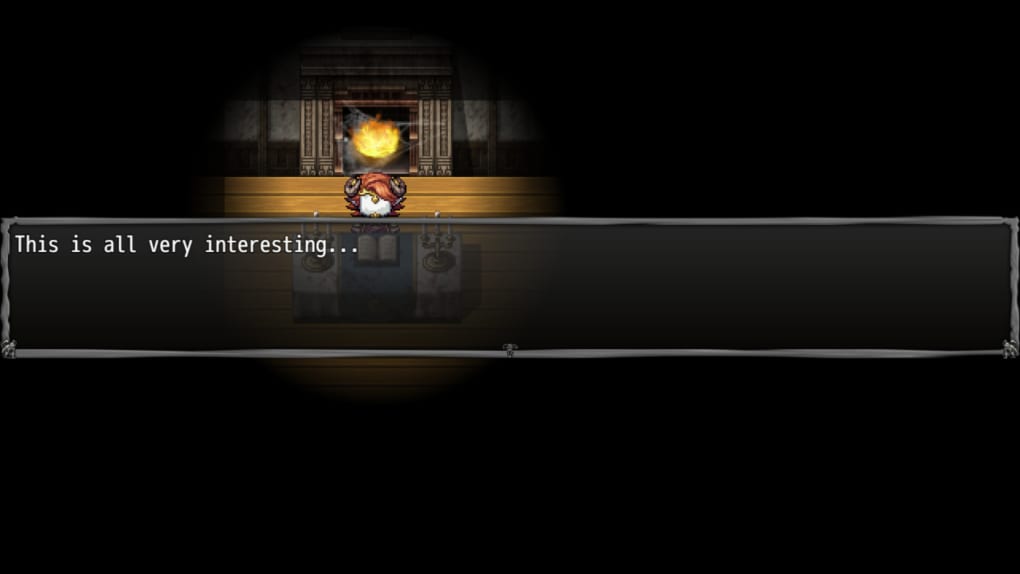
The decision to categorize “The Horrorscope” primarily under “Games” is intuitive, yet its sub-genre distinction is where its true nature begins to emerge. It’s not an action-packed shooter or a strategic empire-builder; it operates on a more fundamental level of player interaction and internal processing. This kind of game invites a different type of engagement, one that blurs the lines between entertainment and personal introspection. It’s a game that asks you to bring your authentic self to the table, making your responses, and the subsequent “revelations,” uniquely yours. This emphasis on personal input and psychological feedback distinguishes it from many other titles on platforms like PhanMemFree.org, which often feature a wide array of gaming experiences from casual to hardcore.
Simulation: Beyond the Mundane
At its heart, “The Horrorscope” functions as a psychological simulation. Unlike typical simulation games that might involve managing a city, flying a plane, or cultivating a farm, this title simulates a highly personal diagnostic session. It constructs scenarios designed to elicit honest, gut reactions from the player. The simulation isn’t about replicating real-world mechanics; instead, it aims to simulate the internal process of self-assessment and moral deliberation under unsettling conditions. Players are presented with difficult choices, often without a clear “right” or “wrong” answer, forcing them to confront their own biases, fears, and perhaps even their darkest impulses.
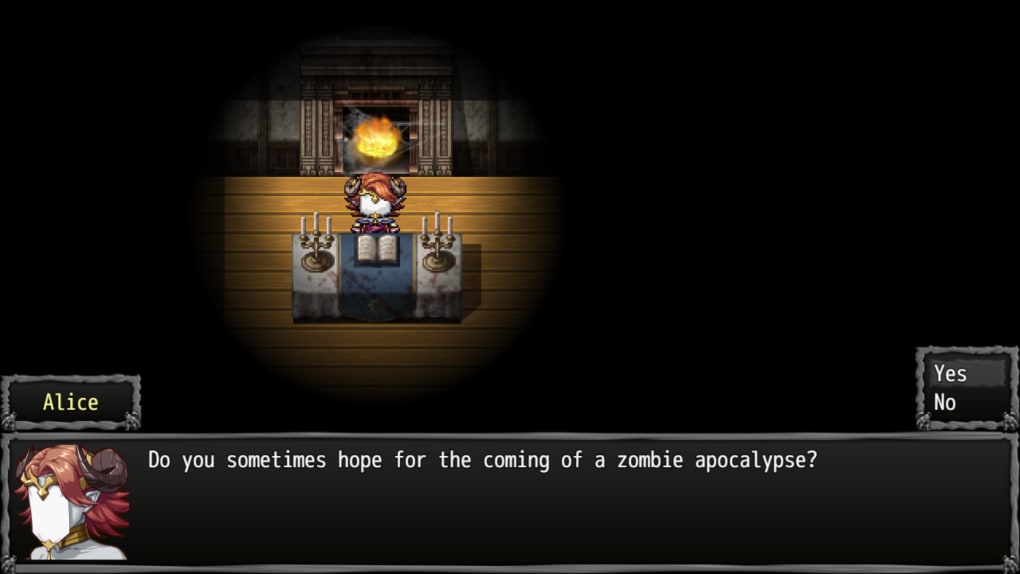
This form of simulation goes “beyond the mundane” by tapping into abstract human experiences. The game’s mechanics are straightforward: answer yes or no to a series of questions. Yet, the impact of these simple choices is profound. Each “yes” or “no” is a data point, feeding into an algorithm that eventually culminates in a “secret word” – a supposedly definitive descriptor of your inner thoughts. The effectiveness of this simulation lies in its ability to make the player feel genuinely examined, even interrogated. The questions are not trivial; they often touch upon themes of morality, empathy, self-preservation, and the capacity for cruelty. This creates a powerful, albeit uncomfortable, feedback loop where the player’s own responses are reflected back at them in a stark, unvarnished manner. The simulation aspect, therefore, isn’t about realism in a visual or systemic sense, but about provoking a realistic psychological response from the player, making it a unique entry in the expansive category of games available on platforms like PhanMemFree.org.
The Core Experience: Questions, Atmosphere, and Self-Reflection
The core experience of “The Horrorscope” is built around a carefully constructed interplay of direct questions, a pervasive creepy atmosphere, and the inevitable process of self-reflection it triggers. From the moment the game launches on your Windows machine, a sense of foreboding settles in. The minimalist visual design, coupled with a subtly unsettling background score, immediately signals that this is not a casual game. The developers at Randumb Studios have clearly invested in creating an environment that fosters unease, preparing players for the uncomfortable revelations that lie ahead.
The gameplay loop is deceptively simple: players are presented with a series of questions, each depicting a specific, often morally ambiguous, situation. These questions demand a binary “yes” or “no” answer. However, the simplicity of the input mechanism belies the complexity of the scenarios. For instance, you might be asked if you would sacrifice one person to save five, or if you would lie to protect yourself from severe consequences. These aren’t abstract philosophical debates; they are presented as immediate, personal dilemmas that require an honest, instinctual response. The game explicitly states that to obtain an accurate result – that coveted “secret word” – players must answer with utmost honesty. This commitment to truthfulness becomes a self-imposed challenge, as some questions are designed to push players into acknowledging thoughts or impulses they might rather keep buried.
The psychological aspect of “The Horrorscope” is arguably its most compelling feature. It acts as a digital mirror, reflecting aspects of the player’s psyche that might be consciously ignored or unconsciously suppressed. By presenting situations that question moral grounds and ethical boundaries, the game effectively unravels dark thoughts and hidden biases. It taps into the primal fears and desires that often lurk beneath the veneer of societal conditioning. This introspective quality is what differentiates “The Horrorscope” from many other games; it doesn’t just entertain, it provokes. It forces players to confront their own potential for darkness, their capacity for difficult choices, and the underlying motivations that drive their responses. This makes it a fascinating, if not always pleasant, journey into one’s own mind.
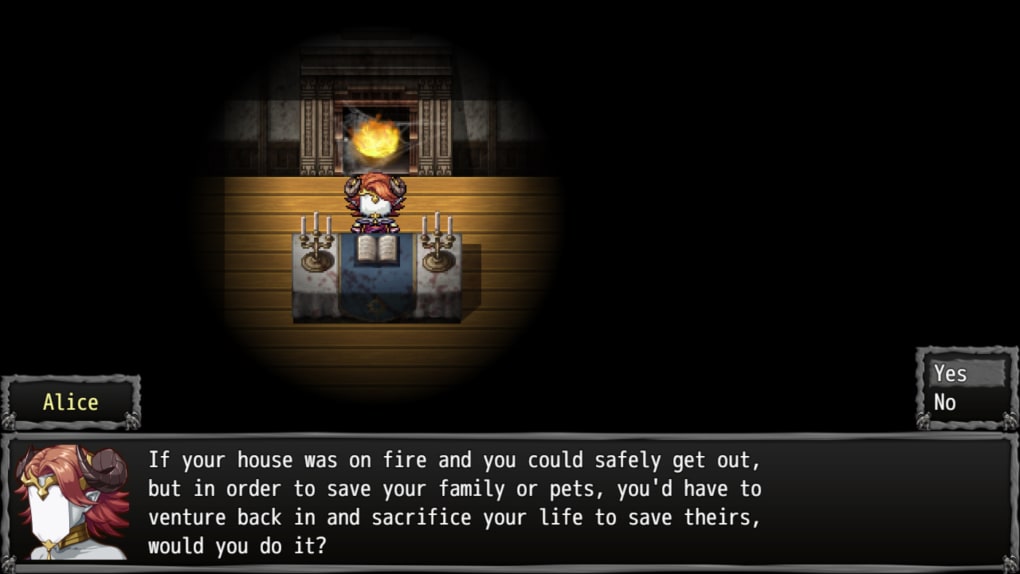
Comparing “The Horrorscope” to its developer’s previous work, “The Test,” highlights a distinct divergence in tone. While “The Test” also utilized psychological questions, it reportedly concluded on a more positive or benign note. “The Horrorscope,” by contrast, leans heavily into the creepy and unsettling. The atmospheric pressure builds with each question, making the player feel increasingly uneasy. The background music, far from being a mere accompaniment, is an active participant in this psychological assault, its dissonant tones and subtle shifts designed to heighten anxiety. This commitment to a consistently dark atmosphere ensures that the horror elements are not just superficial jump scares but an integral part of the psychological evaluation, pushing players further into uncomfortable territory and enhancing the game’s unique identity on platforms like PhanMemFree.org.
Navigating the Dark: Strengths, Weaknesses, and the Pursuit of Truth
“The Horrorscope” undeniably offers an intriguing premise, attracting players who are curious about exploring the darker facets of their personality through an interactive medium. Its strengths lie primarily in its innovative approach to psychological horror, creating an experience that is more thought-provoking than traditionally frightening. However, like any experimental indie title, it also comes with a set of limitations that temper its claims of accurate psychological evaluation.
Horror Games: A New Brand of Fear
Within the crowded landscape of “Horror Games,” “The Horrorscope” carves out a unique niche. It bypasses the common tropes of jump scares, grotesque monsters, and gory visuals in favor of a more insidious, psychological brand of fear. The horror in this game isn’t external; it’s internal. It stems from the realization of one’s own potential for morally questionable actions, the discomfort of confronting hidden biases, and the unsettling thought that the “secret word” might actually resonate with an unwelcome truth. This minimalist approach to horror makes it incredibly effective for certain players, tapping into a primal fear of self-discovery and the unknown within.
It achieves this by creating a pervasive, creepy atmosphere. The subtle visual cues, the oppressive quiet broken by unnerving ambient sounds, and the nature of the questions themselves contribute to a feeling of being under a microscope, or perhaps, on a therapist’s couch in a very sinister office. This form of horror is less about adrenaline and more about existential dread and moral ambiguity. It aligns with other psychological horror titles that prioritize atmosphere and mental anguish over visceral scares, but “The Horrorscope” stands apart by making the player’s own psyche the primary source of terror. It asks, “What kind of person are you, really, when nobody is watching, and the stakes are purely hypothetical?” This innovative way of engaging fear makes it a notable, albeit niche, entry in the vast collection of horror games available for download on platforms like PhanMemFree.org.
Despite its intriguing premise and atmospheric prowess, “The Horrorscope” is not without its flaws. One significant criticism is that the end results—the “secret words” meant to describe your inner thoughts—may not always be accurate. This inaccuracy can stem from a couple of factors. Firstly, while the game stresses honesty, the binary “yes” or “no” options often prove too restrictive for the complex, nuanced situations presented. Life’s moral dilemmas rarely fit into such black-and-white categories, and forcing a choice can distort the player’s true feelings or intentions. What if the answer is “sometimes,” or “it depends on the context”? The game offers no such flexibility, potentially leading to a “secret word” that feels arbitrary or unrepresentative.
Secondly, some players have noted that certain questions appear disconnected or do not logically relate to one another, hindering the flow of the psychological assessment. This can break the immersion and make the overall evaluation feel less cohesive and scientifically sound. If the questions don’t build upon each other or explore different facets of a consistent psychological profile, the resulting “secret word” risks being a random outcome rather than a genuine insight. The ability to manipulate the outcome by simply changing a few answers further undermines its claim to accurate psychological evaluation. While this might encourage replayability for those curious about different results, it detracts from the serious, self-reflective journey the game purports to offer. Thus, while its strengths lie in its ability to provoke thought and create a unique atmosphere, its weaknesses emerge when attempting to deliver on its promise of deep, accurate self-assessment.
Finding Your Path on PhanMemFree.org: Availability and Accessibility
For those intrigued by the unique blend of psychological introspection and unsettling horror offered by “The Horrorscope,” accessing the game is straightforward. It is available specifically for the Windows operating system, making it compatible with a wide range of personal computers. The game’s language is English, ensuring a direct and understandable experience for a broad international audience without the need for translation. As a paid title, it falls into the category of games where a one-time purchase grants full access to the experience, free from microtransactions or ongoing subscriptions. This model aligns with many indie titles found on software distribution platforms.
PhanMemFree.org serves as a prominent platform where users can discover and download a vast array of software, including niche indie games like “The Horrorscope.” Such sites categorize software meticulously, allowing users to navigate through various genres, from productivity tools and utilities to a diverse selection of games. The game’s listing on PhanMemFree.org would typically provide essential information such as its developer (Randumb Studios), system requirements (Windows 10, in this case), and its last update date (October 14, 2021). Furthermore, these platforms often feature user reviews and ratings, offering insights from other players and helping potential new users gauge the game’s reception and quality before committing to a download. The transparency in presenting security status, download counts (e.g., 2.1K downloads last month), and alternative apps enhances the user’s informed decision-making process.
Best PC Games: Where Does The Horrorscope Stand?
When considering “The Horrorscope” in the broader context of “Best PC Games,” it’s crucial to acknowledge its distinct nature. It won’t contend with AAA blockbusters known for their graphical fidelity, expansive worlds, or competitive multiplayer modes. Instead, its excellence lies in its ability to deliver a highly focused, experimental, and thought-provoking experience that resonates with a specific segment of the gaming community. It’s a game for players who prioritize narrative depth, psychological engagement, and atmospheric immersion over traditional gameplay mechanics and high production values.
While it may not appear on typical “Top 10” lists alongside titles like “Euro Truck Simulator 2,” “Farming Simulator 25,” or “BeamNG.drive” (which often represent diverse genres from simulation to racing), “The Horrorscope” offers something equally valuable: a unique artistic vision and a courageous exploration of unconventional themes. It stands out by daring to make the player’s own mind the central battlefield. For those seeking an experience that challenges their perceptions, forces self-reflection, and creates a palpable sense of unease through clever psychological design rather than overt scares, “The Horrorscope” can indeed be considered among the “best PC games” in its particular niche. It demonstrates that innovation and impact aren’t solely the domain of big budgets, but can flourish in the hands of independent developers exploring new frontiers in interactive storytelling. PhanMemFree.org, by hosting such diverse offerings, facilitates the discovery of these often-overlooked gems.
In conclusion, “The Horrorscope” by Randumb Studios offers a compelling and unsettling journey into the self. As a psychological simulation game with distinct horror elements, it successfully crafts a creepy atmosphere and poses deeply uncomfortable questions that force players to confront their inner thoughts and moral boundaries. While its reliance on binary answers for complex situations and occasional disconnects between questions can sometimes undermine the accuracy of its psychological evaluation, its intriguing premise and unique approach to self-reflection make it a noteworthy title. For those on Windows platforms seeking a game that dares to explore the darker corners of the human psyche, “The Horrorscope” provides a memorable, if disquieting, experience that challenges the very definition of interactive entertainment. You can find this unique game and many other applications on PhanMemFree.org, a platform dedicated to diverse software offerings.
File Information
- License: “Full”
- Version: “varies-with-device”
- Latest update: “October 14, 2021”
- Platform: “Windows”
- OS: “Windows 10”
- Language: “English”
- Downloads: “2.1K”
![[Bober Bros] It's Just a Prank: A Deep Dive into Slavic Horror](https://phanmemfree.org/images/download-bober-bros-its-just-a-prank.webp?v=d9ff4a202efcd5d76f66579716b3686a)


