
The King of Fighters ‘97, originally released in arcades in 1997, remains a beloved classic in the fighting game genre. Its enduring appeal stems from a compelling blend of action, strategic depth, and a rich narrative rooted within the Orochi Saga. This detailed exploration dives into the game’s core mechanics, its place in fighting game history, and its continued relevance in the modern gaming landscape, particularly its Android adaptation.
A Deep Dive into the Orochi Saga and Gameplay
The King of Fighters ‘97 is the sixth installment in SNK’s iconic King of Fighters series, directly continuing the storyline from previous entries. The game centers on the escalating conflict against Orochi, a powerful ancient god seeking to cleanse humanity through destruction. Players take control of teams of three fighters, drawn from a diverse roster of characters with unique fighting styles, personalities, and backstories firmly embedded within the rich lore of the King of Fighters universe.
This installment dramatically expanded the roster, boasting over 35 playable characters – each a carefully crafted fighting powerhouse with distinct move sets, special attacks, and strengths and weaknesses. This variety ensures replayability, encouraging players to experiment with different team compositions and strategic approaches, enhancing the longevity and depth of the experience far beyond a casual playthrough.
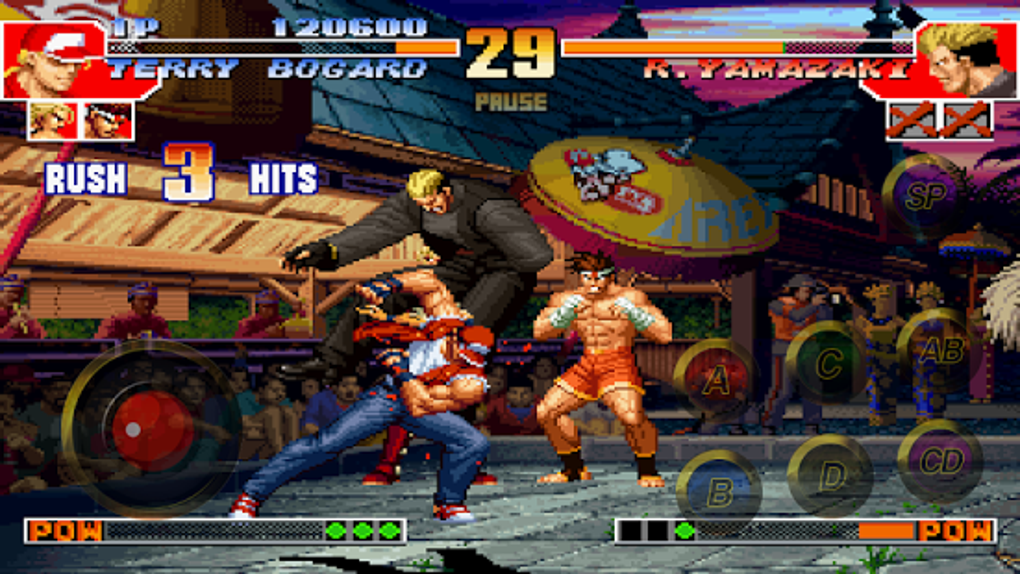
The core gameplay revolves around mastering a character’s unique set of moves. Unlike some fighting games with simpler inputs, ‘97 requires precise execution and timing for many of its special moves and devastating super-attacks. The Advanced and Extra modes add further strategic layers. Advanced mode allows for faster filling of the Power Gauge, enabling players to unleash more frequent and potent attacks. In contrast, Extra Mode emphasizes a high-risk, high-reward approach. Players near death can access extremely powerful attacks, creating nail-biting moments of desperate comeback potential. Mastering these modes adds a considerable skill ceiling, separating casual players from those with true mastery over the combat mechanics.
The game’s challenge extends beyond simply memorizing button sequences. Players need to understand the intricacies of frame data (the timing between animations), predicting opponent movements, and skillfully utilizing defensive maneuvers like parries and counter-attacks. The satisfaction derived from perfectly executing a complex combo or countering an opponent’s relentless assault forms a core element of the game’s appeal. This creates a gratifying sense of accomplishment, rewarding players with an intense and engaging gameplay loop that keeps them coming back for more.
The Android Port: A Retro Experience on Modern Devices
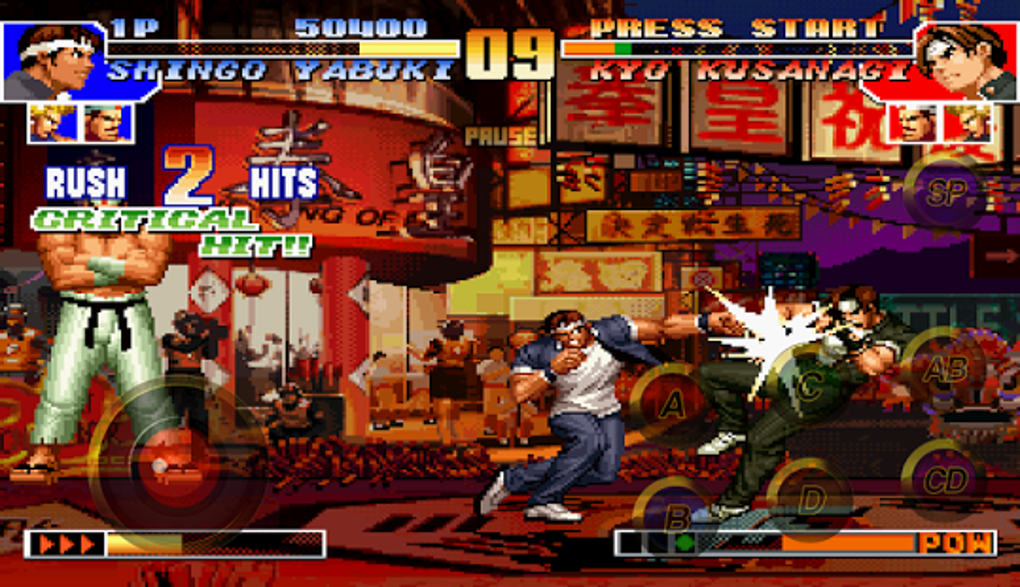
The successful porting of The King of Fighters ‘97 to Android has broadened the game’s accessibility. Now a larger audience can experience the classic arcade action on their mobile devices. This port, developed by SNK CORPORATION, attempts to faithfully recreate the original arcade experience, maintaining the integrity of the game’s mechanics and visuals while adapting it for touch screen controls.
The touch-based controls represent a significant adjustment for long-time players accustomed to arcade joysticks and buttons. While the initial transition may feel clunky or unintuitive for some, the game’s controls demonstrate careful design in trying to translate the complex input system from arcade controllers to the more limited input methods of a touch screen. This adaptation showcases an understanding of how to maintain responsiveness and precision while accounting for the limitations of a mobile platform. The careful mapping of buttons and intuitive placement of virtual controls aim to offer a reasonable equivalent to traditional input methods. However, the limitations of touch screen controls remain a hurdle to perfect execution, particularly for the intricate combos some characters are capable of.
The Legacy of The King of Fighters ‘97 and Its Continued Relevance
The King of Fighters ‘97 occupies a unique space within fighting game history. Released at a time when 2D fighters were at their creative peak, ‘97 stands out for its complex character interactions, the strategic depth introduced by the Power Gauge system, and its highly competitive gameplay. The game remains a staple at fighting game tournaments to this day, with a dedicated fanbase that actively explores and pushes the game’s mechanical boundaries. The depth of its competitive scene speaks volumes about the game’s enduring appeal and replayability.
Its popularity and enduring legacy extends beyond its competitive scene. The art style, character designs, and music of the era, which hold a significant place in the hearts of many players, maintain a distinct nostalgic charm that transcends generational gaps. These design elements, along with its unique gameplay systems, contribute significantly to the game’s timeless appeal. It’s a game that successfully blends nostalgia with challenging and rewarding gameplay mechanics, maintaining its hold on the hearts of gamers even decades after its initial release.
The availability of the Android port demonstrates the enduring popularity of The King of Fighters ‘97. While many fighting games fade into obscurity, ‘97 has maintained its relevance due to several factors: its compelling story, the diversity of its characters, and the skillful balance of accessibility and depth within its fighting mechanics. These factors, coupled with the consistent community engagement and competitive scene, ensure that the game continues to hold its own against newer titles.
Comparing The King of Fighters ‘97 to Similar Titles
The King of Fighters ‘97 shares similarities with other classic fighting games like Street Fighter and Tekken. While Street Fighter focuses on a more straightforward, often less intricate fighting system, and Tekken employs 3D environments and a more complex control scheme, The King of Fighters ‘97 offers a compelling middle ground. It preserves the 2D fighting sensibilities of Street Fighter while incorporating greater depth and strategic options compared to its contemporaries. The strategic team selection aspect also offers a unique flavor differentiating it from the more straightforward, one-on-one combat found in many other fighting games of the time.
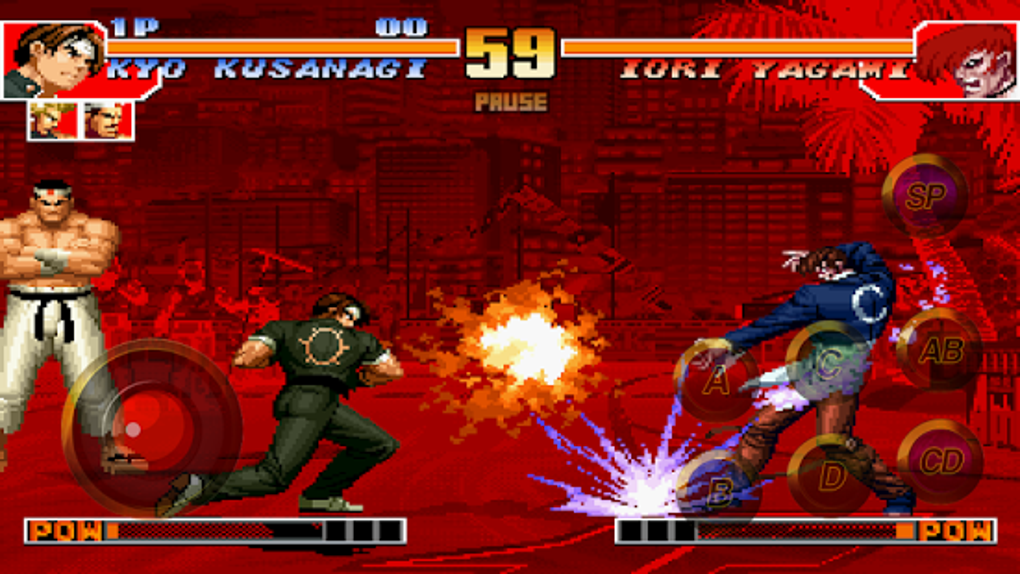
The King of Fighters ‘97 also differentiates itself through its use of the Power Gauge. Unlike other fighting games relying solely on meter-based special moves, ‘97 utilizes the power gauge for both offensive and defensive strategies. The strategic utilization of this gauge is a core element distinguishing ‘97’s gameplay from comparable games.
The Android version, while not perfectly replicating the original arcade experience due to inherent limitations of touch screen controls, manages to capture the essence of the game. This successful transition to a mobile platform enhances its accessibility, bringing the experience to a broader audience than ever before.
In conclusion, The King of Fighters ‘97 continues to resonate with players due to its compelling narrative, diverse roster, strategic gameplay, and the rewarding sense of accomplishment derived from mastering its mechanics. Whether experienced on an arcade cabinet or a modern mobile device, The King of Fighters ‘97 stands as a testament to enduring game design, providing a challenging and richly rewarding experience for both newcomers and seasoned fighting game veterans. Its legacy as a classic in the fighting game genre continues to endure, solidifying its place in video game history.
File Information
- License: “Full”
- Version: “1.5”
- Latest update: “March 23, 2025”
- Platform: “Android”
- OS: “Android 9.0”
- Language: “English”
- Downloads: “196.1K”
- Download Options: “Google Play”


