
The Last of Us, developed by Naughty Dog, is more than just a survival action-adventure game; it’s a poignant exploration of human resilience, love, and loss set against the backdrop of a devastatingly realistic post-apocalyptic world. Released initially for PlayStation consoles and later ported to PC, The Last of Us has garnered critical acclaim and a dedicated fanbase, cementing its place as a landmark title in gaming history. Its impact stems from a masterful blend of intense gameplay, breathtaking visuals, and a deeply moving narrative that resonates long after the credits roll. This exploration delves into the game’s key aspects, examining its narrative power, compelling gameplay mechanics, technical achievements, and lasting impact on the gaming landscape.
A Story of Survival and Connection

The Last of Us thrusts players into a ravaged United States, twenty years after a mutated Cordyceps fungus has transformed much of humanity into monstrous, infected creatures. The story centers on Joel, a hardened smuggler grappling with immense personal loss, and Ellie, a fiercely independent 14-year-old girl who is immune to the infection. Their journey together forms the emotional core of the game, taking them across treacherous landscapes, abandoned cities overtaken by nature, and desperate pockets of human settlements clinging to survival.
The narrative unfolds not through exposition dumps but through subtle character interactions, revealing the depths of their emotional scars and their slow, hesitant development of a bond that defies the brutal realities of their world. Joel, initially driven by self-preservation and a mercenary attitude, gradually transforms as he witnesses Ellie’s unwavering spirit and vulnerability. Ellie, in turn, learns to navigate a world filled with danger and moral ambiguity, finding strength and reliance in Joel’s gruff protection. Their relationship is not without conflict, and the narrative expertly portrays the complexities of their evolving connection, marked by moments of tenderness and heartbreaking tension.
Beyond the central dynamic of Joel and Ellie, The Last of Us presents a rich tapestry of supporting characters, each with their own compelling backstories and motivations. These characters are not simply plot devices but fully realized individuals who add depth and complexity to the narrative. Their interactions with Joel and Ellie further enrich the story, underscoring the profound impact of survival and loss on the human spirit. The game doesn’t shy away from depicting the harsh realities of their world, showcasing the brutal consequences of desperation, betrayal, and the moral compromises individuals make in the face of overwhelming adversity.
Intense Gameplay and Resource Management
The Last of Us seamlessly blends stealth, exploration, and brutal combat to create a consistently engaging and tense experience. Resources are scarce, forcing players to carefully manage their ammunition, crafting materials, and health supplies. Stealth is frequently the optimal approach, as direct confrontation with the infected, particularly the more formidable creatures like Clickers and Runners, can quickly prove overwhelming.
The crafting system allows players to create makeshift weapons, health kits, and improvised explosives, encouraging strategic resource management and tactical decision-making. Players must carefully consider their approach to each encounter, weighing the risks and rewards of stealth versus direct combat. The game’s combat is visceral and unforgiving, emphasizing the fragility of life in this harsh environment. While some may find the combat mechanics somewhat clunky compared to modern action titles, the tension and strategic depth compensate for any perceived limitations.
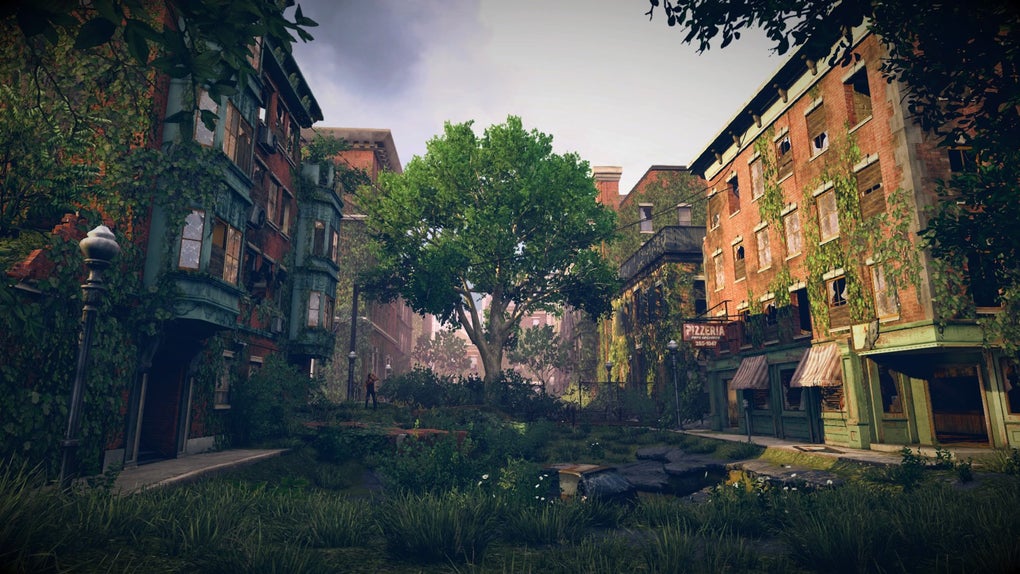
Exploration is an integral part of the gameplay, as players navigate sprawling, detailed environments, scavenging for supplies and uncovering the fragmented history of the world. The environments themselves are intricately designed, reflecting the ravages of time and the fungal apocalypse. Abandoned buildings are overtaken by nature, decaying infrastructure tells a story of societal collapse, and the presence of both human and infected enemies creates a constant sense of unease.
Stunning Visuals and Atmospheric Immersion
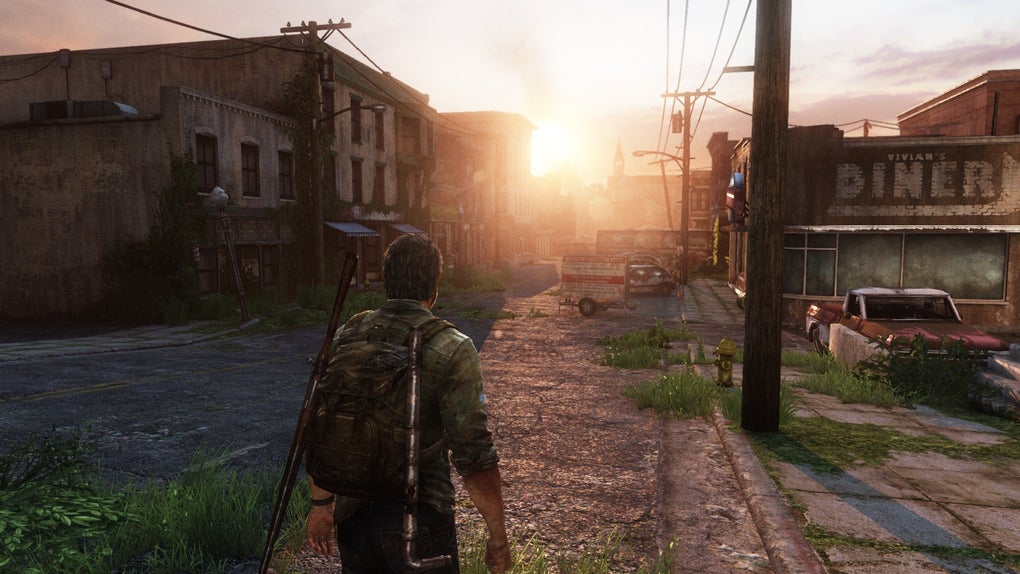
The Last of Us is visually stunning, showcasing Naughty Dog’s mastery of environmental detail and character modeling. The game’s environments are richly textured and incredibly detailed, evoking a powerful sense of atmosphere and realism. From the overgrown ruins of cities to the desolate landscapes of the American countryside, the world feels both beautiful and terrifying. The lighting effects are expertly utilized to create mood and enhance the game’s immersive qualities. Dynamic weather patterns add another layer of realism, further immersing the player in this ravaged world.
Beyond the environmental details, the character models are strikingly realistic, effectively conveying the emotional states of the characters. Facial animations are incredibly nuanced, allowing players to connect with the characters on an emotional level. The game’s soundtrack, composed by Gustavo Santaolalla, is haunting and evocative, perfectly complementing the game’s grim atmosphere and emotional intensity. The soundtrack’s melancholic melodies and haunting instrumentation underscore the themes of loss, survival, and the enduring power of human connection.
Lasting Impact and Critical Acclaim
The Last of Us’s impact on the gaming industry extends beyond its commercial success. The game has been widely praised for its narrative depth, character development, and its unflinching portrayal of a post-apocalyptic world. The game’s cinematic presentation, immersive gameplay, and emotional resonance set a new standard for storytelling in video games, influencing countless titles that followed. The game’s emotional impact, particularly the complex relationship between Joel and Ellie, has become a benchmark for character-driven narratives in the medium.
The critical response to The Last of Us was overwhelmingly positive, with many critics praising the game’s storytelling, visuals, and gameplay. The game won numerous awards, including Game of the Year accolades from several major gaming publications. Its success led to the development of a sequel, The Last of Us Part II, which further expanded upon the game’s narrative and gameplay mechanics. The game’s legacy extends beyond the gaming community, with its themes and characters inspiring discussions about the human condition and the enduring power of human connection in the face of adversity. Its success also spurred the creation of a highly anticipated HBO television adaptation, further cementing its impact on popular culture.
Conclusion
The Last of Us is more than just a video game; it is a powerful and emotionally resonant experience that transcends the medium itself. Its combination of intense survival gameplay, stunning visuals, and a deeply moving narrative creates an unforgettable journey that lingers long after the credits roll. The game’s lasting impact is a testament to Naughty Dog’s commitment to pushing the boundaries of storytelling in video games. The Last of Us stands as a testament to the power of video games to deliver emotionally resonant and deeply engaging experiences, a benchmark of excellence that continues to inspire and influence the gaming world today. Whether experienced for the first time or revisited by long-time fans, The Last of Us remains a truly unforgettable experience, a haunting and beautiful exploration of human resilience in the face of unimaginable hardship.
File Information
- License: “Full”
- Version: “1.1.4”
- Latest update: “May 22, 2025”
- Platform: “Windows”
- OS: “Windows Vista”
- Language: “English”
- Downloads: “48.7K”


