
The sprawling and intricate world of the “Trails” series, a cornerstone of Nihon Falcom’s esteemed “The Legend of Heroes” franchise, has captivated role-playing game enthusiasts for decades. With each new installment, the saga delves deeper into its richly imagined continent of Zemuria, expanding on its history, politics, and the destinies of its myriad characters. “The Legend of Heroes: Trails through Daybreak,” known in Japan as “Kuro no Kiseki,” marks a pivotal new chapter in this epic narrative. Set in the bustling and politically charged Republic of Calvard following a devastating war, this title introduces a fresh protagonist, a new arc, and a suite of refined gameplay mechanics, aiming to both satisfy long-time fans and draw in newcomers.
At its core, “Trails through Daybreak” is a meticulously crafted role-playing game that thrusts players into the shoes of Van Arkride, a young man who operates in the shadows as a “spriggan.” This unique profession is far from a typical hero’s journey; a spriggan is a jack-of-all-trades, a fixer who takes on any request deemed too sensitive or unconventional for official channels. From detective work and bounty hunting to negotiation and information gathering, Van’s assignments are as diverse as they are dangerous. This premise immediately sets “Trails through Daybreak” apart, offering a grittier, more morally ambiguous perspective on the world of Zemuria compared to previous protagonists. The post-war Calvard Republic, with its influx of immigrants and sweeping political reforms, serves as a dynamic and often volatile backdrop for Van’s exploits, presenting a society grappling with rapid change and underlying tensions. It’s a land ripe for the kind of unconventional problem-solving only a spriggan can provide, drawing players into a narrative that blends high-stakes geopolitics with personal struggles and thrilling espionage.
The Evolution of Role-Playing Games: Trails Through Daybreak’s Place
“The Legend of Heroes: Trails through Daybreak” doesn’t just occupy a space within the vast landscape of role-playing games; it actively pushes the boundaries of the genre while retaining the beloved elements that define Nihon Falcom’s signature style. The “Trails” series has always been celebrated for its unparalleled world-building, where every NPC has a name, a story, and conversations that evolve with the main plot. “Daybreak” continues this tradition, but through the lens of a society undergoing profound transformation. The Republic of Calvard, inspired by real-world geopolitical complexities, offers a refreshing contrast to the more traditional fantasy settings often found in RPGs. Here, technological advancements clash with ancient traditions, and the echoes of past conflicts resonate deeply within the populace.
What truly elevates “Trails through Daybreak” in the RPG pantheon is its innovative approach to character agency and narrative progression. As Van Arkride, players are not merely following a predetermined path; they are actively shaping it through choices and interactions. The game introduces several key systems that reinforce this player-driven experience. The Topic System, for instance, is a brilliant addition that allows players to gain an advantage in battles or critical situations by engaging with various characters and gathering information within the game’s expansive environments. This encourages exploration and dialogue, transforming casual conversations into strategic opportunities. Understanding the intricate web of relationships and current events becomes paramount, as a well-timed piece of gossip or a forgotten detail could turn the tide of a crucial encounter. This system adds a layer of depth that rewards attentive players, making the world feel even more alive and reactive to Van’s presence.
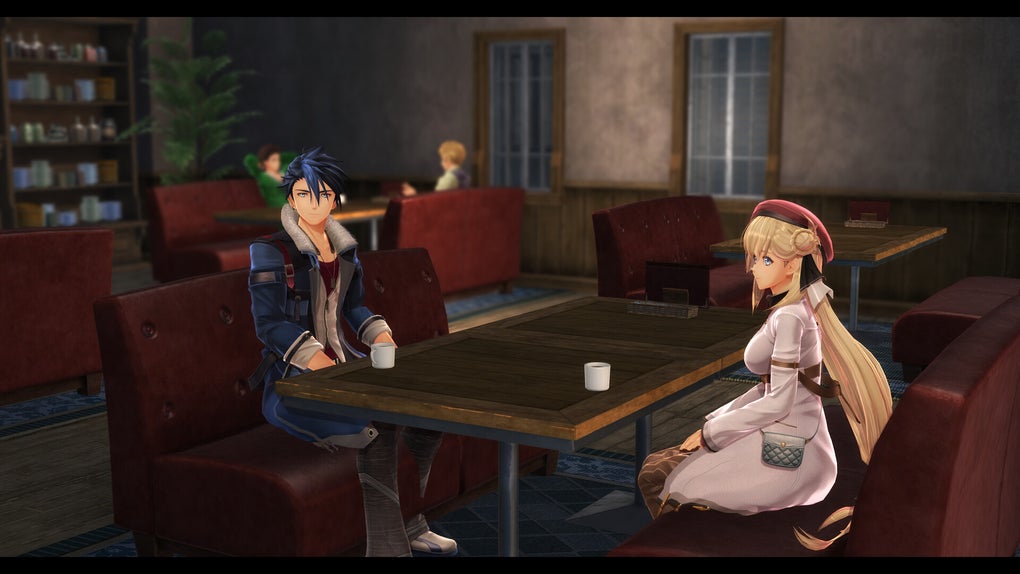
Furthermore, the Alignment System provides a nuanced mechanism for modifying not only character statuses but also influencing factional forces and plot developments. Decisions made throughout the game, whether in dialogue options, quest resolutions, or even combat choices, contribute to Van’s alignment, which in turn can unlock different story branches, affect relationships with NPCs, and alter the available side quests. This system moves beyond simple good-or-evil morality, embracing the shades of grey inherent in Van’s spriggan profession. It allows for a more personalized playthrough, where different players might experience distinct narratives based on their ethical leanings and strategic preferences. This adds immense replayability and makes each decision feel significant, weaving players deeper into the fabric of Calvard’s society.
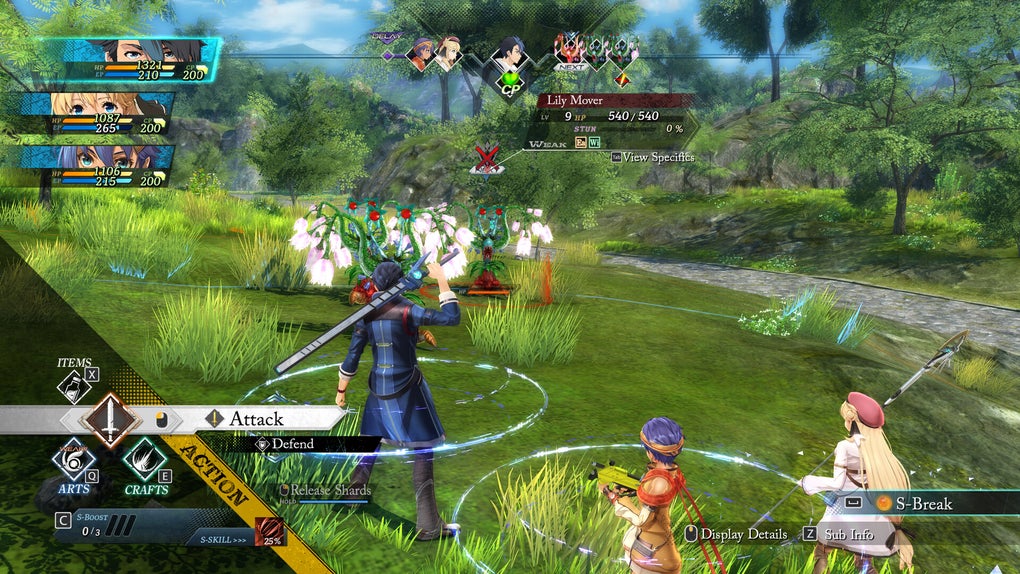
Combat, a cornerstone of any great RPG, also sees significant enhancements in “Trails through Daybreak.” The series’ iconic Action Time Battle (ATB) command system has been refined for smoother, more dynamic combat encounters. While retaining the strategic depth that fans have come to expect, the improvements make battles feel more fluid and engaging. Players can seamlessly switch between real-time action and turn-based command inputs, allowing for quick reactions to enemy movements while still maintaining tactical control over arts, crafts, and S-Crafts. This hybrid approach caters to different playstyles, offering both the thrill of immediate action and the satisfaction of meticulously planned strategies. The visual flair of battles, coupled with the improved mechanics, ensures that every skirmish, from minor encounters to epic boss fights, is a visually stunning and intellectually stimulating experience.

The game’s narrative prowess is another major draw. Nihon Falcom is renowned for crafting compelling stories that unfold over hundreds of hours, and “Daybreak” is no exception. It skillfully balances overarching political intrigue with deeply personal character arcs. Van Arkride himself is a complex protagonist, haunted by his past and driven by a pragmatic sense of justice that often conflicts with the law. The supporting cast is equally well-developed, with each member bringing their own motivations, backstories, and unique personalities to the forefront. The interactions between these characters, whether through witty banter or heartfelt confessions, enrich the narrative and create a strong emotional connection for the player. The overarching plot, which delves into the shadowy forces manipulating Calvard, is replete with twists, turns, and revelations that will keep players on the edge of their seats, eagerly anticipating the next development.
Enhancing the Journey: A Deep Dive into Downloadable Content
In the modern gaming landscape, downloadable content (DLC) plays a significant role in extending a game’s lifespan and offering players additional value. “The Legend of Heroes: Trails through Daybreak” embraces this trend by providing a robust selection of DLCs, ranging from cosmetic enhancements to practical utility items, allowing players to tailor their experience even further. PhanMemFree’s review of the game highlighted the availability of several purchasable DLCs, alongside a convenient free sample set, demonstrating a commitment to offering varied options.
One of the most appealing aspects of the DLC offerings is the Accessories Set. This pack provides an extensive number of items that serve both decorative and helpful purposes. Players can adorn their characters with unique trinkets, enhancing their visual appeal, or equip accessories that offer minor stat boosts or resistances, subtly aiding in their journey through Calvard. These items can add a layer of personalization to the party, allowing players to express their style and make their favorite characters truly stand out. Beyond aesthetics, the functional accessories can provide a slight edge in challenging battles, making them a worthwhile addition for those seeking to optimize their team’s performance.
For those looking to get a head start or simply smooth out their progression, the Starter Consumable Set and Advanced Consumable Set are invaluable. These packs provide a collection of useful items such as healing potions, EP restoratives, and stat-boosting foods. While not essential for completing the game, they can significantly alleviate the grind, especially in the early hours or during particularly tough boss encounters. The advanced set, in particular, often includes rarer and more potent consumables, offering a considerable advantage for players who want to focus more on the story and exploration rather than resource management. These sets are perfect for players who prefer a less challenging experience or who want to dive straight into the game’s later stages without worrying about inventory scarcity.
The immersive experience of “Trails through Daybreak” is further enhanced by cosmetic and audio DLCs. The Voice Set allows players to customize the voice acting for certain characters or even add new voice lines, deepening their connection to the narrative and its cast. For a story-heavy RPG like “Trails,” high-quality voice acting is crucial, and this DLC provides additional options for players who might have specific preferences or who simply want more audio variety. Similarly, the Costume Set offers a range of alternative outfits for the characters, allowing players to change their appearance beyond their default attire. These costumes can range from stylish modern wear to whimsical fantasy garb, injecting a fresh visual appeal into the game and providing players with more ways to personalize their party’s look.
Beyond in-game items, “Trails through Daybreak” also offers DLCs that appeal to collectors and lore enthusiasts. The Artbook and Mini Artbook DLCs provide a behind-the-scenes look at the game’s development, showcasing concept art, character designs, environmental sketches, and other visual inspirations. For fans of the series and those who appreciate the artistic effort that goes into game creation, these artbooks offer a fascinating glimpse into the creative process. They deepen appreciation for the game’s aesthetic and provide a tangible connection to its artistic vision. The Soundtrack DLC, on the other hand, allows players to enjoy the game’s magnificent musical score outside of the game itself. Nihon Falcom is renowned for its exceptional soundtracks, and “Daybreak” continues this tradition with an evocative and memorable score that perfectly complements its narrative and emotional beats. Having the soundtrack available as a separate purchase allows fans to relive their favorite moments and appreciate the music as a standalone artistic achievement. Finally, a Bonus Set often bundles together a variety of smaller, exclusive items or boosts, making it an attractive option for those who want a comprehensive package of additional content. The availability of a free sample set is also a thoughtful gesture, allowing players to experience a taste of the DLC content without an immediate financial commitment, showcasing some of the benefits before full purchase.
These DLCs collectively add significant value to “The Legend of Heroes: Trails through Daybreak.” They provide options for personalization, ease of progression, and opportunities for deeper engagement with the game’s lore and artistic elements. While the base game is already a comprehensive experience, these additions allow players to tailor their journey to their preferences, whether they seek a more challenging adventure, a visually customized party, or a deeper dive into the world’s creation.
Performance and Accessibility Across Platforms
The journey of any highly anticipated game from development to player’s hands is often fraught with technical challenges, and “The Legend of Heroes: Trails through Daybreak” has not been entirely immune. While praised for its narrative, characters, and innovative gameplay systems, a significant drawback noted by PhanMemFree and the player community has been the frequent game crashes. This issue, unfortunately, can severely impact the player experience, interrupting immersion, leading to lost progress, and generally making the adventure “rough.” In a game as story-driven and expansive as “Trails through Daybreak,” stability is paramount. Frequent crashes can transform a captivating narrative into a frustrating ordeal, undermining the otherwise stellar qualities of the game. Such technical hiccups often point to optimization issues or memory management problems that need to be addressed through patches and updates. For a title that offers hundreds of hours of content, consistency in performance is just as crucial as the quality of its story or mechanics.
Despite these performance concerns, “The Legend of Heroes: Trails through Daybreak” excels in its accessibility across multiple platforms. Initially launched for PlayStation 4, the game quickly found its way to Windows PCs and eventually to PlayStation 5 and Nintendo Switch. This multi-platform release strategy is a testament to Nihon Falcom’s commitment to reaching a broad audience and allowing players to experience the Republic of Calvard’s story on their preferred system.
For Windows users, the game offers the flexibility of PC gaming, including higher potential frame rates, customizable graphics settings, and the option to play with various input devices. While the PC version might be where some of the crash reports originate, the inherent power of modern gaming PCs often allows for a visually superior and smoother experience when the game is optimized correctly. PhanMemFree.org provides a direct download for the Windows version, making it readily available for PC gamers.
The game’s availability on PlayStation 5 allows for enhanced visuals, faster loading times (thanks to the console’s SSD), and potentially a more stable experience than its predecessor. PS5 players can enjoy the vivid world of Calvard with improved fidelity, taking advantage of the console’s advanced hardware to render Falcom’s intricate designs more beautifully. The PlayStation 4 version, while being the initial console release, still offers a solid experience for players on the previous generation hardware, ensuring that a vast installed base of fans can dive into the new arc.
Finally, the release on Nintendo Switch is particularly noteworthy. Bringing a sprawling RPG like “Trails through Daybreak” to a hybrid console like the Switch means players can take their adventure on the go, whether in handheld mode or docked for a big-screen experience. While typically involving some graphical compromises compared to more powerful platforms, the Switch version prioritizes portability and convenience, making it an excellent option for players who value flexibility. This wide platform distribution ensures that “Trails through Daybreak” can be enjoyed by a diverse range of gamers, from those who prefer the graphical fidelity of PC and PS5 to those who value the on-the-go nature of the Switch. The ability to choose one’s preferred gaming environment significantly enhances the game’s overall appeal and reach, making it more accessible to the global “Trails” community. However, addressing the reported stability issues across all these platforms remains a critical task for the developers to ensure a consistently high-quality experience for every player.
Nihon Falcom’s Legacy and the Future of the Trails Series
“The Legend of Heroes: Trails through Daybreak” is not merely a standalone title; it is a vital continuation of a grand legacy forged by Nihon Falcom, a Japanese game developer renowned for its pioneering work in the RPG genre. Falcom’s history stretches back to the early 1980s, where they established themselves with titles like “Dragon Slayer” and “Ys,” laying foundational stones for action RPGs. However, it is the “Trails” series, known in Japan as “Kiseki,” that truly solidified their reputation in the modern era, celebrated for its unparalleled commitment to narrative continuity, world-building, and character development across numerous interconnected games.
Falcom’s philosophy centers on creating a “living world” where events in one game reverberate across subsequent titles, and characters from previous entries often reappear, evolving alongside the overarching narrative. This meticulous approach has cultivated an incredibly loyal fanbase, eager to uncover every new layer of Zemuria’s rich tapestry. “Trails through Daybreak” exemplifies this commitment by introducing a new region—the Calvard Republic—and a new protagonist, Van Arkride, while still subtly weaving in connections and references to previous arcs. This ensures that long-time fans feel a sense of familiarity and progression within the broader saga, even as new players are offered a relatively accessible entry point into the series.
The development of “Trails through Daybreak” showcases Falcom’s ongoing evolution. While adhering to its core design principles, the studio consistently experiments with new mechanics and visual styles. The game’s improved combat system, for instance, represents a blend of traditional turn-based strategy with more dynamic real-time elements, signaling a willingness to innovate while respecting its roots. The deeper integration of player choices through the Topic and Alignment systems further demonstrates Falcom’s ambition to create more immersive and reactive narratives. The visual presentation also marks a notable step forward, with updated character models and environmental detail that leverage the capabilities of modern gaming hardware.
The future of the “Trails” series, as hinted by “Daybreak,” appears vibrant and expansive. By setting the new arc in Calvard, Falcom has opened up a wealth of new narrative possibilities, allowing for exploration of different cultures, political ideologies, and technological advancements within Zemuria. The introduction of Van Arkride as a “spriggan” allows for a more grounded, yet equally adventurous, perspective on the world, contrasting with the more overtly heroic roles of past protagonists. This shift in tone and character archetype breathes fresh air into the series, promising a narrative that explores the darker, more morally ambiguous corners of society.
Furthermore, Falcom’s consistent support for its titles through DLCs and post-launch updates (despite initial crash issues) highlights their dedication to improving the player experience. Their development cycle, often seeing a new major “Trails” title every one to two years, speaks to a well-oiled machine that can consistently deliver high-quality, story-rich RPGs. For an independent developer like Nihon Falcom, maintaining such a consistent output of critically acclaimed games is a remarkable achievement.
“The Legend of Heroes: Trails through Daybreak” therefore stands as a testament to Nihon Falcom’s enduring legacy. It respects the traditions that have made the “Trails” series a beloved franchise while fearlessly stepping into new narrative and gameplay territories. It reaffirms Falcom’s position as a master storyteller in the RPG genre, promising fans both a familiar comfort and exciting new adventures as the saga of Zemuria continues to unfold. The dedication to intricate world-building, compelling characters, and evolving gameplay mechanics ensures that the future of the “Trails” series remains one of the most anticipated in the gaming world, with “Daybreak” serving as a compelling bridge to what lies ahead.
In conclusion, “The Legend of Heroes: Trails through Daybreak” stands as a captivating addition to a legendary franchise. It masterfully blends a familiar, intricate world with fresh perspectives, characters, and gameplay mechanics. Van Arkride’s journey as a spriggan in the vibrant, post-war Republic of Calvard is rich with political intrigue, personal drama, and engaging mysteries. The game’s unique features, such as the Topic and Alignment systems, alongside improved combat, provide a dynamic and deeply interactive role-playing experience. While the occasional game crashes present a notable setback, detracting from an otherwise stellar experience, the wealth of new characters, compelling arcs, and supportive DLCs ultimately deliver a marvelous RPG. For fans of the “Trails” series and newcomers seeking a deep, story-rich adventure on Windows, PlayStation, or Nintendo Switch, “Trails through Daybreak” offers a rewarding and expansive odyssey that further solidifies Nihon Falcom’s esteemed legacy.
File Information
- License: “Full”
- Version: “varies-with-devices”
- Latest update: “July 15, 2024”
- Platform: “Windows”
- OS: “Windows 11”
- Language: “English”
- Downloads: “33”


