
In the rapidly expanding realm of indie game development, where passion often triumphs over colossal budgets, Rising Wolf Games has introduced a compact yet potent entry into the horror genre: The Lost Fear. This free-to-play horror game, designed for Windows, offers a chilling descent into an unknown world, born from the unsettling tendrils of a nightmare. Despite its brief runtime—typically clocking in at a mere 10 to 15 minutes—The Lost Fear manages to deliver an immersive and atmospheric experience that leaves a lasting impression, prompting players to confront their deepest anxieties within its dark corridors.
Unlike some of its more extensive counterparts in the horror landscape, such as the narrative-rich Amanda the Adventurer or the expansive lore of Five Nights at Freddy’s: Sister Location, The Lost Fear opts for a streamlined narrative. Its strength lies not in an intricate plot spanning hours, but in its ability to immediately plunge players into a state of unease and dread. This focus on immediate impact, combined with a dedicated commitment to environmental storytelling and psychological tension, ensures that even within its concise timeframe, The Lost Fear provides a full and complete horror experience. The game challenges players to solve puzzles, uncover cryptic clues, and ultimately navigate their way out of a terrifying predicament, all while being haunted by the pervasive sense of a lost fear—a primal dread that defines its very essence.
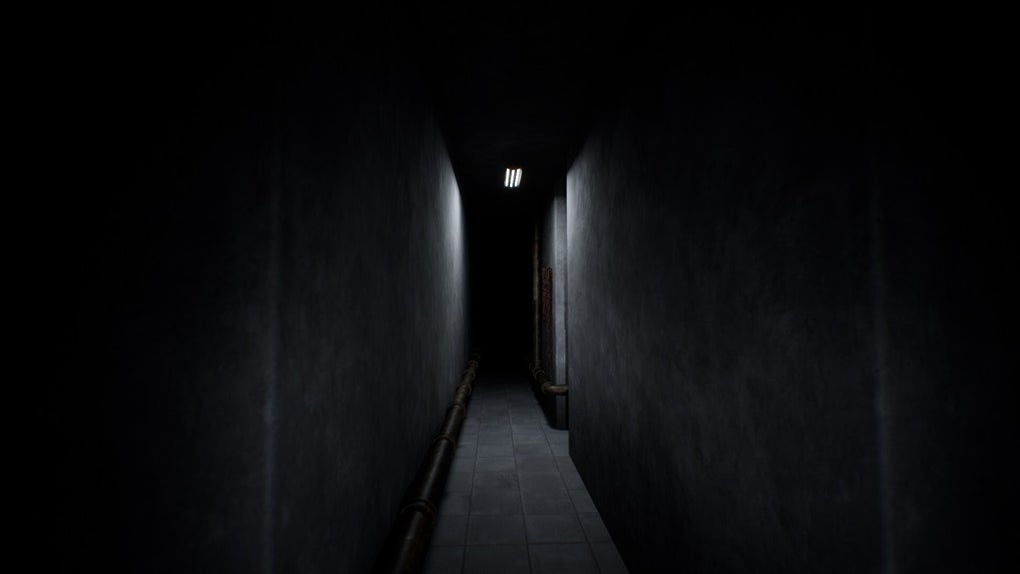
A Short But Intense Horror Game
The Lost Fear distinguishes itself by embracing brevity without sacrificing intensity. In an era where many horror titles strive for longevity through complex storylines and extensive gameplay loops, Rising Wolf Games has crafted a title that understands the power of a concentrated scare. The game’s design philosophy appears to be rooted in the idea that horror can be most effective when it’s delivered in sharp, impactful bursts, much like a sudden, unexpected nightmare. This approach not only makes it accessible for players seeking a quick thrill but also ensures that the tension remains consistently high throughout the entire experience. There’s little time for the dread to dissipate when the entire journey is an unbroken sprint through terror.
The premise is straightforward but effective: players awaken from an eerie dream only to find themselves disoriented and alone in an unfamiliar location. This immediate plunge into isolation and uncertainty is a classic horror trope, yet The Lost Fear executes it with a refreshing sense of urgency. There’s no lengthy introduction or exposition; the horror begins the moment the player gains control. This direct approach is crucial for a game of such short duration, as it maximizes the impact of every single moment. Players are instantly tasked with figuring out not just how to escape, but also the more fundamental questions of how they arrived in this terrifying place and what sinister forces might be at play. The ambiguity surrounding the player’s predicament feeds into the pervasive sense of dread, forcing them to rely on their instincts and wits to navigate the unknown.
Waking from an Eerie Dream
The very genesis of The Lost Fear’s narrative is its most potent hook: the disorienting transition from an unsettling nightmare to an equally disturbing reality. Imagine the jolt of waking up, heart pounding from a vivid dream, only to find that your surroundings are utterly alien and devoid of any familiar comfort. This is precisely the sensation The Lost Fear strives to evoke. The game doesn’t just describe a nightmare; it becomes the nightmare, a waking terror that demands immediate attention and action. This psychological foundation is critical, as it taps into universal fears of helplessness and disorientation, making the player’s journey intensely personal and deeply unsettling from the very first frame.

The initial moments are characterized by profound vulnerability. The player character is alone, with no discernible allies or explanations, thrust into an environment that seems to actively resist their presence. This sense of acute isolation amplifies the dread, as every creak, every shadow, and every unexpected sound is perceived as a potential threat. The “eerie dream” isn’t merely a plot device; it’s a thematic foreshadowing of the distorted reality the player now inhabits. It suggests a blurring of lines between subconscious terror and tangible danger, imbuing the entire setting with a surreal, dreamlike quality that makes it all the more terrifying. The challenge then becomes not just escaping a physical space, but potentially escaping a manifestation of one’s own deepest fears, a “lost fear” that has found its way into the waking world.
Exploring the Haunting Setting and Gameplay Mechanics
At its core, The Lost Fear is an experience built around tense exploration and rudimentary puzzle-solving. Players must traverse a series of interconnected rooms and winding corridors, each designed to heighten the sense of claustrophobia and impending doom. The environment is deliberately crafted to be oppressive, with dim lighting, unsettling soundscapes, and architectural designs that seem to defy logical construction. This constant state of unease is punctuated by well-timed jumpscares, which serve as sharp, visceral reminders of the lurking dangers. These aren’t just cheap scares; they are integrated into the atmospheric buildup, designed to keep players perpetually on edge, their nerves frayed by the anticipation of the next sudden fright.
The blend of exploration and puzzle-solving mechanics forms the backbone of the gameplay. It’s not enough to simply walk through the environment; players must actively engage with it, searching for clues and interacting with objects to progress. These puzzles, while perhaps not overly complex given the game’s short length, are cleverly designed to integrate seamlessly into the narrative of escape. They require players to pay close attention to their surroundings, fostering a sense of diligent investigation amidst the fear. This added layer of intellectual challenge transforms the experience from a passive fright-fest into an active struggle for survival and understanding, making the player feel more invested in their character’s desperate plight. Uncovering a clue or solving a puzzle provides momentary relief, quickly followed by renewed apprehension as a new path opens up, leading deeper into the unknown.
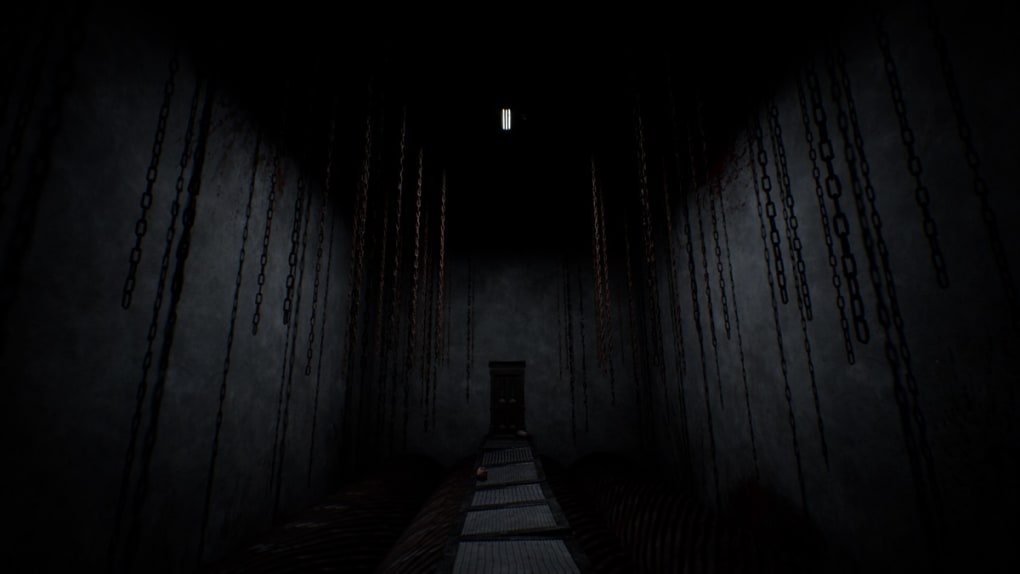
The exploration aspect is further enhanced by the game’s commitment to creating a “tense atmosphere.” This isn’t merely achieved through visual horror; the auditory design plays a crucial role. Distant whispers, ominous creaks, sudden thuds, and the unsettling silence between these sounds all conspire to create an environment where the player’s imagination becomes their worst enemy. The feeling of being watched, of something lurking just out of sight, is a constant companion. This psychological warfare is arguably more effective than overt threats, as it allows the player’s mind to conjure horrors far more terrifying than anything a developer could explicitly render. The Lost Fear understands that the most profound fear often resides in the unknown, and it masterfully uses its environment to capitalize on this fundamental human vulnerability.
Visuals, Atmosphere, and Mature Content
For an independent developer, Rising Wolf Games has achieved commendable results in terms of The Lost Fear’s visual presentation. The graphics, while perhaps not pushing the boundaries of triple-A fidelity, are surprisingly effective and serve the game’s dark aesthetic exceptionally well. The meticulous detailing of the haunting setting, from the decay in forgotten rooms to the subtle interplay of light and shadow, significantly contributes to the overall immersion. These visual elements are crucial in cementing the game’s chilling atmosphere, pulling players deeper into its nightmarish reality. The environments feel lived-in, albeit by something sinister, and every texture and object seems to tell a silent story of dread and despair. The effective use of low light and confined spaces amplifies the psychological impact, making the world feel tangible and menacing.
However, the game’s commitment to delivering a truly terrifying experience also means it ventures into mature themes. Players should be aware that The Lost Fear features “blood and minor gore,” elements that, while not gratuitous, are present to heighten the sense of horror and realism within its unsettling context. These visual details contribute to the game’s rating and are intended to evoke a stronger reaction from the player, underscoring the grim nature of their predicament. They are incorporated judiciously, serving to punctuate moments of dread rather than dominating the visual landscape, thus maintaining a balance between atmospheric horror and explicit frights. This conscious inclusion ensures that the game isn’t just psychologically disturbing but also provides a visceral edge for those who appreciate a more direct form of horror.
The most potent tool in The Lost Fear’s arsenal, however, is its unwavering dedication to cultivating a “chilling, tension-filled atmosphere.” This isn’t just about jump scares; it’s about the pervasive sense of unease that permeates every moment of gameplay. The deliberate pacing, the unsettling sound design, and the visual cues all work in concert to create an environment where the player feels constantly vulnerable and hunted. The air is thick with anticipation, and every step taken feels fraught with danger. This continuous build-up of tension is what truly defines The Lost Fear’s identity as a horror game, ensuring that even during moments of calm exploration, the undercurrent of dread remains palpable. It’s a masterclass in psychological manipulation, proving that effective horror often lies in what isn’t seen, but rather in what is profoundly felt.
The Verdict: Strengths, Weaknesses, and Undeniable Potential
Despite its abbreviated playtime and the understandable limitations of an indie production, The Lost Fear holds considerable merit and showcases significant potential. Its strengths lie in several key areas that make it a worthwhile experience for horror enthusiasts seeking a quick yet impactful scare. The primary appeal is the effective “mixture of exploration and puzzle-solving mechanics.” This combination provides a compelling gameplay loop, where players are not merely observers but active participants in their own terrifying escape. The intellectual challenge of unraveling clues and solving environmental puzzles adds a layer of depth that enhances the overall engagement, preventing the experience from becoming a monotonous walk through a haunted house.
Complementing this engaging gameplay are the “thrilling jumpscares and an eerie environment.” The jumpscares, while a common device in horror, are deployed with precision and effectiveness, genuinely startling players and injecting sudden bursts of adrenaline into the tense atmosphere. Crucially, these scares feel earned, emerging from the carefully constructed eerie environment rather than being random, cheap tricks. The environment itself is a character, meticulously designed to evoke dread and claustrophobia, with unsettling visuals and an oppressive auditory landscape that keeps players on the edge of their seats throughout. Furthermore, the “well-made visual elements” are a testament to Rising Wolf Games’ talent. For an indie title, the graphics are impressive, contributing significantly to the immersive quality and demonstrating a keen eye for atmospheric detail that elevates the horror.
However, The Lost Fear is not without its imperfections, which are largely attributable to its brief duration and indie nature. The most prominent critiques revolve around the narrative arc, specifically that the “climax and ending feel underdeveloped.” Given the short runtime of 10 to 15 minutes, the game struggles to build a truly satisfying narrative crescendo. Players are often left with a sense that the story concludes too abruptly, leaving certain questions unanswered and a desire for more profound resolution. This brevity, while contributing to the game’s intense focus, also prevents a deeper emotional investment in the character’s journey or the underlying lore. A more fleshed-out conclusion could significantly enhance the player’s overall satisfaction, transforming the fleeting experience into a more memorable narrative.
Another notable weakness, and a common pitfall for horror games, is the final antagonist. While designed to look “intimidating from afar,” the “final monster doesn’t look very terrifying” when viewed up close. This discrepancy can diminish the impact of the climactic confrontation, as the tangible threat fails to live up to the psychological dread meticulously built throughout the game. The monstrous entity, once revealed in full detail, might lose some of its mystique and power, shifting from a terrifying enigma to a somewhat conventional antagonist. Addressing this aspect, perhaps through more abstract design or by maintaining a greater degree of ambiguity, could enhance the final scare.
Despite these areas for improvement, The Lost Fear possesses “great potential to become a well-loved title for horror fans” with a few key refinements. The core mechanics, the atmospheric design, and the effective use of tension are all strong foundations upon which to build. Should Rising Wolf Games choose to expand upon this initial offering, perhaps with a longer runtime, more intricate puzzles, and a more refined climax and antagonist design, The Lost Fear could evolve into a truly standout experience within the indie horror genre. It’s a compelling proof-of-concept, demonstrating that even a brief encounter with terror can be incredibly effective when executed with passion and a clear understanding of what makes horror truly resonate. For anyone looking for a quick, intense burst of dread, this free indie gem is certainly worth checking out, offering a glimpse into a terrifying world crafted by a promising developer.
Additional Information:
The Lost Fear is available for Windows, with version 1.0 released on October 11, 2023. It’s a lightweight download at 661.35 MB and is available in English. Downloads on platforms like PhanMemFree show steady interest, indicating its appeal within the gaming community. This game is a prime example of how indie developers can create impactful experiences, even with limited resources, by focusing on core horror elements and immersive atmosphere.
PhanMemFree, like other reputable platforms, ensures the security status of games. The Lost Fear is flagged as “Clean,” meaning extensive scans by leading antivirus services have detected no possible threats. This commitment to user safety allows players to download and experience the chilling world of The Lost Fear without concern for their device’s security. PhanMemFree.org continually reviews files to maintain a malware-free catalog, ensuring a trustworthy environment for users to discover new and exciting titles like this one.
File Information
- License: “Free”
- Version: “1.0”
- Latest update: “October 11, 2023”
- Platform: “Windows”
- OS: “Windows 7”
- Language: “English”
- Downloads: “5.5K”
- Size: “661.35 MB”


