
The Mortuary Assistant, developed by DarkStone Digital, is a first-person 3D horror game that blends the unsettling atmosphere of a supernatural thriller with the surprisingly detailed mechanics of real-life mortuary science. Released initially as a demo in 2021 (following a shorter prototype in 2020), the game thrusts players into the role of Rebecca Owens, a recent mortuary science graduate working the night shift at the River Fields Mortuary. This isn’t your typical horror experience; it’s a unique cocktail of story-driven scares and surprisingly realistic embalming procedures, creating a chilling and captivating experience that keeps players on the edge of their seats.
A Night Shift Like No Other: Gameplay and Mechanics
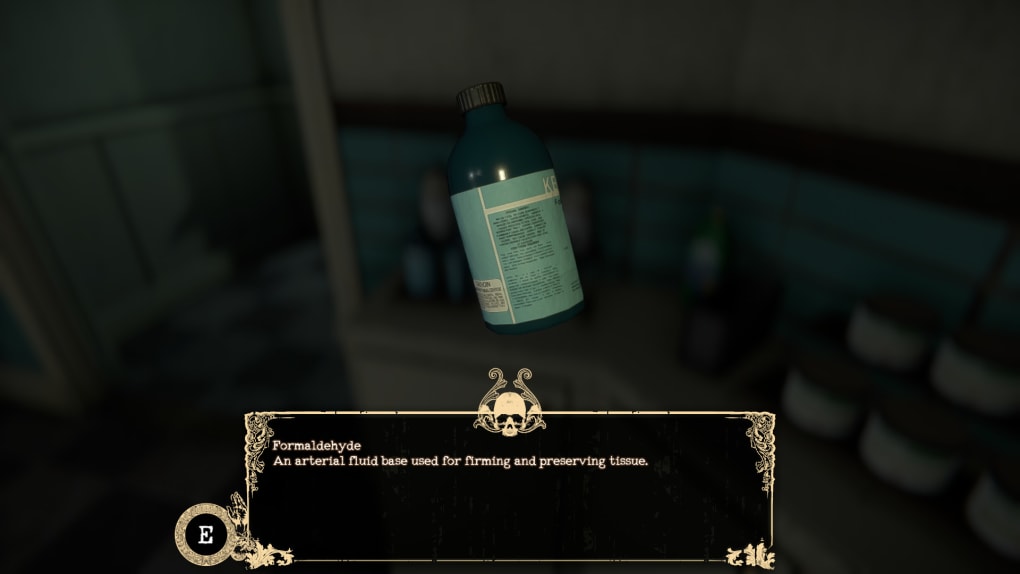
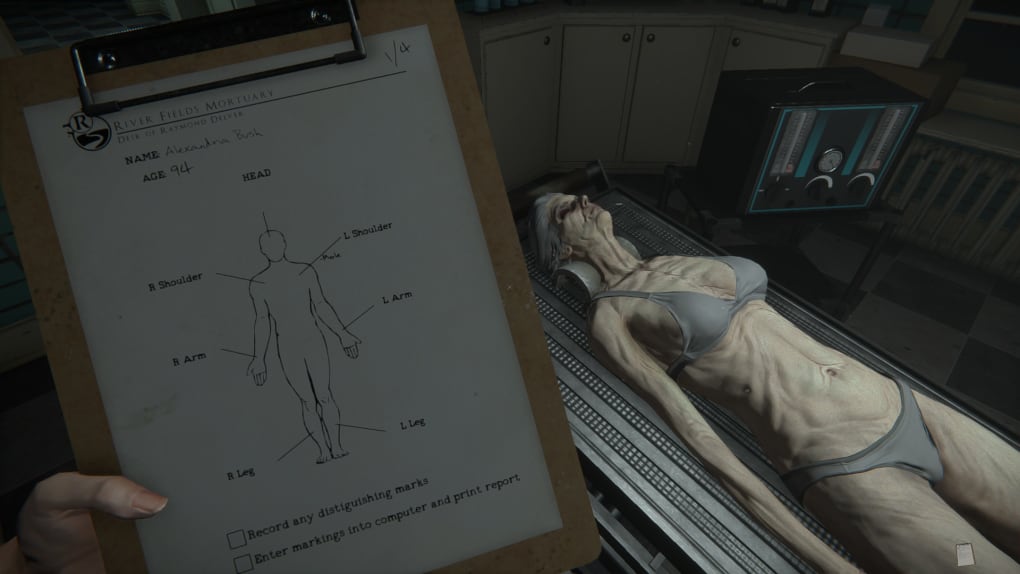
As Rebecca, players are tasked with preparing and embalming the deceased. This isn’t simply a matter of clicking a button; The Mortuary Assistant accurately simulates the embalming process, requiring players to gather the necessary equipment, follow detailed instructions, and perform the procedures correctly. While the game provides in-game tutorials and prompts, the intricacies of embalming can still present a challenge, adding a layer of realism and tension to the gameplay. This realistic element differentiates it from other horror titles, offering a unique blend of dread and educational elements. The learning curve, though initially steep, adds to the overall immersive experience.
The game’s horror elements are cleverly interwoven with the gameplay mechanics. Jump scares, a staple of the horror genre, are not predictable events. Their timing and occurrence are randomized based on various factors, ensuring that each playthrough is a unique and unpredictable experience. This randomized nature significantly increases the game’s replayability, encouraging players to return for more terrifying encounters. The unpredictability keeps the tension consistently high, preventing the player from becoming desensitized to the scares.
However, while the cutscenes feature fully voiced dialogue, offering a deeper insight into Rebecca’s character and thoughts, her responses to the increasingly strange occurrences within the mortuary feel somewhat passive. Unlike protagonists in other horror games who actively react to the unfolding events, Rebecca’s reactions are less pronounced, which may detract from the player’s emotional connection with her. This passive response, though, leaves room for player interpretation and fuels speculation about Rebecca’s background and her resilience in the face of increasingly disturbing events.
The Atmosphere of Dread: Sound Design and Visuals
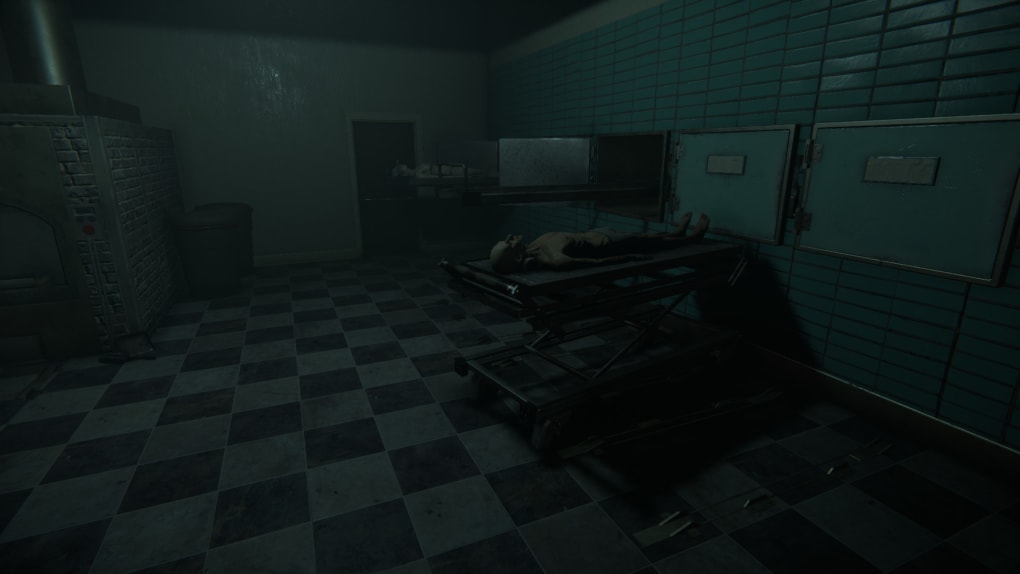
The Mortuary Assistant excels in creating a palpable atmosphere of dread and suspense. The game’s visual design is intentionally muted and dimly lit, effectively building tension and amplifying the feeling of isolation and vulnerability within the confines of the mortuary. The eerie silence punctuated by unsettling sounds – the creak of doors, the rustling of fabrics, and the occasional disembodied whisper – creates a consistently unnerving experience that keeps players on edge, even during moments that are seemingly free from immediate danger. The visual and auditory elements work in tandem, skillfully building tension and making even the simplest actions feel potentially hazardous.
The careful use of light and shadow further enhances the game’s unsettling atmosphere. Dark corridors, poorly lit rooms, and flickering lights create an environment that is both claustrophobic and disorienting. This deliberate choice in visual design enhances the feeling of vulnerability and contributes to the game’s overall effectiveness in generating a sense of unease and fear. The visual cues subtly foreshadow the impending horror, adding another layer to the unnerving experience.
Beyond the Jump Scares: Narrative and Story
Beyond the unsettling atmosphere and the realistic embalming simulator mechanics, The Mortuary Assistant hints at a deeper narrative, although it remains largely shrouded in mystery. While the demo mainly focuses on the embalming process and the escalating supernatural events, it subtly unveils aspects of Rebecca’s personal life and her motivations for working at the mortuary. These subtle hints, combined with her understated reactions to the paranormal events, create an intriguing mystery that leaves the player wondering about her past and the reasons behind her seeming stoicism.
The narrative isn’t explicitly spelled out; instead, the game uses environmental storytelling, leaving players to piece together the clues and draw their own conclusions. This approach adds another layer of engagement, transforming players from passive observers into active participants in uncovering the mystery behind the events unfolding at the River Fields Mortuary. The subtle hints at Rebecca’s past suggest a possible personal connection to the mortuary’s history, adding a layer of emotional depth that transcends the simple jump scares.
The limited scope of the demo leaves many questions unanswered, creating a compelling anticipation for the full release. The unresolved narrative elements function as a powerful hook, successfully piquing the curiosity of players and leaving them eager to learn more about Rebecca’s backstory and the deeper mysteries surrounding the mortuary. The game masterfully uses ambiguity to build tension and effectively leaves the player wanting more, adding significantly to the game’s overall appeal.
A Promising Horror Experience: Strengths and Weaknesses
The Mortuary Assistant, despite its limitations as a demo, demonstrates immense potential. The game’s successful integration of realistic embalming mechanics with genuinely terrifying horror elements creates a uniquely engaging experience. The randomized jump scares and the emphasis on atmospheric horror build suspense without relying solely on cheap thrills. The subtle hints at a deeper narrative, while leaving many unanswered questions, serve as a powerful hook, keeping players invested in the story.
However, the demo’s relatively passive protagonist can occasionally detract from the player’s immersion. Rebecca’s lack of strong emotional reactions, while potentially deliberate to allow for player interpretation, may leave some players feeling less connected to her experiences. Furthermore, the in-game tutorials, while helpful, could benefit from further refinement to clarify some of the more intricate aspects of the embalming process.
Despite these minor drawbacks, The Mortuary Assistant stands as a testament to creative game design. Its unique blend of simulation and horror is genuinely refreshing, and its randomized gameplay loop ensures high replay value. The demo effectively showcases the game’s potential and leaves a lasting impression of chilling anticipation for the full release. The clever use of atmosphere, sound design, and a subtle, intriguing narrative make this a must-play for fans of horror games that go beyond the usual tropes. The game successfully carves its niche by combining the unexpected elements of realistic embalming with a carefully crafted horror experience.
File Information
- License: “Demo”
- Version: “1.0.59”
- Latest update: “May 23, 2023”
- Platform: “Windows”
- OS: “Windows 8.1”
- Language: “English”
- Downloads: “20.7K”


