
Lionhead Studios’ The Movies, a PC game released in 2005, offered a unique blend of strategy, simulation, and creative control, placing players in the director’s chair of their own Hollywood empire. This wasn’t just about managing a studio; it was about crafting a cinematic legacy, navigating the fickle nature of fame, and experiencing the rollercoaster ride of the movie industry from its golden age to the modern era. This in-depth look explores the game’s mechanics, its impact, and its lasting legacy in the world of simulation games.
Building Your Cinematic Dynasty: Gameplay and Mechanics
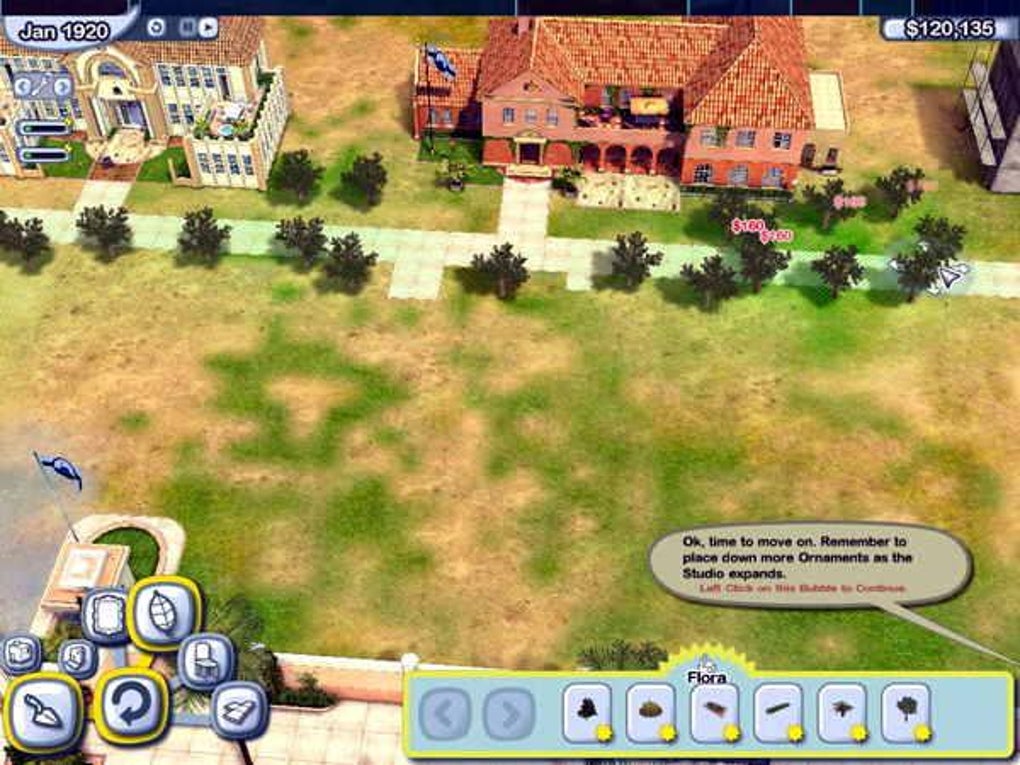
The Movies presented players with a compelling challenge: to build and manage a successful movie studio, from its humble beginnings to global cinematic dominance. The game’s core gameplay loop revolved around several key aspects: studio management, movie production, and star management.
Studio management involved strategically allocating resources to different departments, upgrading facilities, and investing in research and development to unlock new technologies and film-making techniques. Players needed to balance their budget, ensuring enough capital for ambitious projects while also maintaining profitability. This strategic element, crucial to success, demanded careful planning and financial acumen. Upgrades weren’t just cosmetic; they directly impacted the quality and potential box office success of the films produced.
Movie production was the heart of the game. Players weren’t simply picking movies from a list; they had significant creative input. Choosing a genre, casting actors, scripting (though not writing scripts themselves), and overseeing filming were all part of the process. This provided an engaging layer of strategic depth. Success hinged on understanding audience preferences, trends, and the unique characteristics of each film genre. The game provided feedback on audience reactions, indicating what resonated and what didn’t, guiding players toward more commercially viable projects.
Star management added another level of complexity. Players scouted for talent, groomed aspiring actors into A-list celebrities, and managed their careers. This involved navigating the pitfalls of fame, such as ego clashes, aging stars, and the ever-present risk of career decline. The dynamic nature of the actor’s lives and their ability to become increasingly demanding or even fade into obscurity added a substantial layer of depth to the game, forcing players to make difficult decisions about casting and career management.
From Silent Films to Blockbusters: The Evolution of Cinema
The Movies didn’t just focus on the present; it presented the evolution of cinema itself as a key gameplay mechanic. Players started in the era of silent films, gradually progressing through the introduction of sound, color, and ultimately, digital filmmaking. This progression wasn’t passive; it required investment, careful consideration of technological advancements, and a constant adaptation to changing audience tastes. Early adoption of new technologies could yield massive returns, but there was also the risk of financial ruin if the technology failed to gain traction. This dynamic historical progression created a uniquely engaging timeline that spanned decades of cinematic history, influencing gameplay throughout the game. The ever-changing landscape of movie-making ensured that the experience remained fresh and challenging.
Each era presented its own unique challenges and opportunities. The preferences of audiences shifted, forcing players to adapt their movie-making strategies to stay competitive. Understanding these shifts, and predicting future trends, was crucial to long-term success. The game organically integrated the progression of film technology into the core gameplay, making it an integral part of the experience rather than a secondary feature.
A World of Creativity: Sandbox Mode and Beyond
Beyond the structured Story Mode, The Movies offered a Sandbox Mode, providing players with unparalleled freedom. This mode allowed players to jump into any era and create their dream movies without the constraints of a narrative or limited resources. This provided a space for experimentation, creative freedom, and the pure joy of movie-making. It was a perfect environment to test out different approaches, refine strategies, and simply enjoy the creative process.
The game’s unique approach to film creation and studio management, combined with the Sandbox Mode’s openness, gave The Movies a high replayability value. Players could endlessly experiment with different strategies, trying various combinations of films, stars, and technologies to discover new paths to success. The multitude of variables and possibilities ensured that each playthrough felt fresh and exciting, adding significant long-term engagement. This flexibility in the gameplay made the game accessible to players seeking different levels of engagement.
Legacy and Lasting Impact: A Cinematic Simulation Pioneer
Despite its age, The Movies remains a notable title in the simulation genre. Its innovative blend of studio management, creative control over movie production, and historically accurate progression of cinematic technology set it apart from its contemporaries. While similar games have emerged since its release, The Movies retains a special place in the hearts of players who appreciate its unique mix of strategy and creativity.
The game’s success can be attributed to its accessible yet deep gameplay mechanics, engaging storyline, and the freedom provided by the Sandbox Mode. It successfully captured the excitement and challenges of the movie industry, offering players a unique and satisfying experience that went beyond simple resource management.
The game’s lasting legacy can be seen in the influence it had on subsequent simulation games. Many later titles incorporated elements similar to those pioneered by The Movies, highlighting its enduring impact on the genre. Even today, the unique combination of studio management and creative movie-making, along with the historical progression of cinema, remains a relatively unique feature in the simulation game space.
While the game’s graphics may appear dated by today’s standards, its core gameplay mechanics remain surprisingly engaging and relevant. Its enduring appeal lies in the captivating simulation of the movie industry, the strategic depth of managing a studio, and the creative freedom in crafting and directing films. The Movies stands as a testament to the potential of simulation games to seamlessly blend strategic gameplay with creative expression, creating an enduring and highly replayable experience. For those seeking a unique and engaging simulation experience with a distinct historical focus, The Movies remains a worthwhile venture into the world of virtual filmmaking.

File Information
- License: “Trial version”
- Version: “demo”
- Latest update: “August 20, 2018”
- Platform: “Windows”
- OS: “Windows 2000”
- Language: “English”
- Downloads: “28.7K”
- Size: “299.44 MB”


